


















Why Is My Hoverboard Shaking? Causes and Fixes for Violent Vibrations
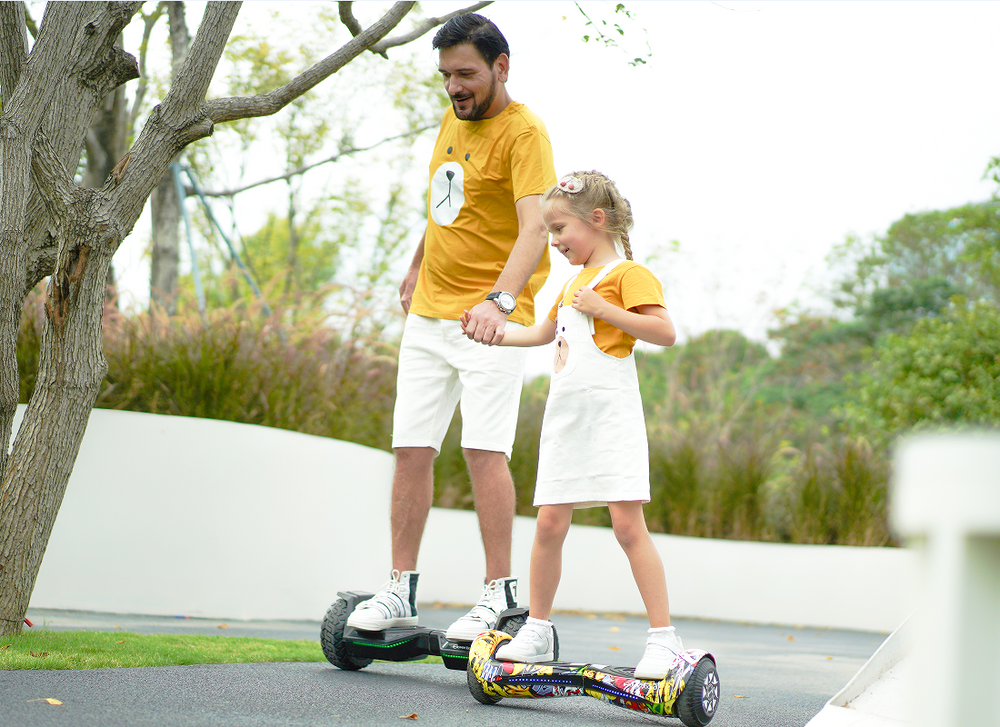
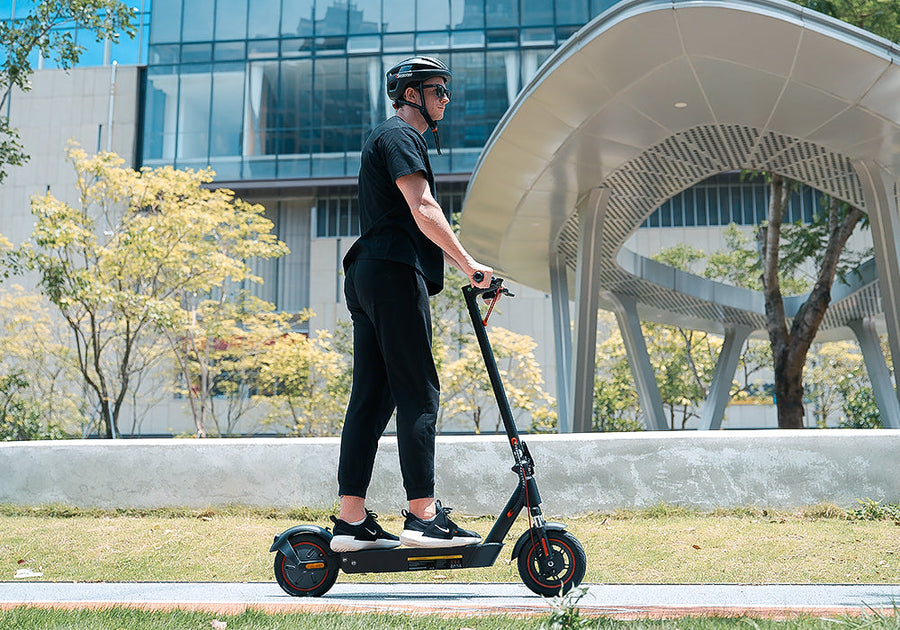
The absolute most common reason a two-wheel balance board begins to shake violently is an improper or incomplete connection between your feet and the internal pressure switches. Directly beneath the rubber foot grip pads sits a localized Hoverboard Pressure Sensor array. When you step onto the deck, your physical body weight compresses these switches, telling the main motherboard that a rider is present and instructing the motors to engage. If a rider is too light—such as a young child stepping onto an adult-spec board—or if your feet are placed too close to the center pivot point, your body weight will not compress the rubber pads completely. The internal computer gets confused, rapidly switching the brushless hub motors on and off hundreds of times per second as it tries to figure out if someone is actually standing on it. This rapid on-off cycling creates a severe shuttering vibration. To fix this, always ensure you are meeting the minimum weight requirement of your specific model. When you mount the deck, push your feet as far outward as possible so your outer soles are firmly pressed against the plastic wheel arches. This wide stance ensures the pressure plates remain fully compressed throughout your ride. If your foot placement is perfect but the board still shakes the moment you stand upright, the internal computing systems have likely lost their baseline alignment. Self-balancing vehicles rely on an internal Hoverboard Gyroscope Sensor network to monitor the continuous pitch and tilt of the deck relative to the horizon. Over time, hitting hard curbs, dropping off low steps, or experiencing rough transit vibrations can cause these delicate sensors to drift out of alignment. When the gyroscopes are misaligned, the board no longer knows what "perfectly flat" feels like. As you attempt to balance, the motherboard over-corrects your stance instantly, shooting the wheels forward and backward in an erratic loop that manifests as a heavy physical tremor. Thankfully, you do not need to take the hull apart to fix this tracking error. Performing a simple manual recalibration resets these internal sensors back to zero. Turn the board off, place it on a completely level floor, hold the power button down for roughly 10 seconds until the status lights flash rhythmically, and then restart the system. For a complete walkthrough of this reset process, studying an explicit guide on Hoverboard Balance Sensor Troubleshooting will help you eliminate tracking errors quickly. While a simple calibration fixes roughly 90% of shaking issues, persistent vibrations that occur only while moving at higher speeds can point to physical wear and tear on your hardware. If a manual reset does not solve the problem, it is time to check the structural health of your machine. Inside the plastic casing, the small circuit boards holding your gyroscopes are secured by plastic mounting brackets. If you frequently ride over rough pavement or drop the board heavily, these brackets can crack. This allows the sensor to shake independently inside the hull, feeding erratic data to the motherboard. A heavy impact can bend the central metal axle or cause the internal magnets of your brushless hub motors to shift slightly out of position. If a wheel assembly has sustained physical damage, it will create a mechanical wobble that intensifies the faster you accelerate. If you find that maintaining a dual-wheel platform is becoming too technically tedious for your schedule, shifting over to a structurally stable Electric Scooter with a continuous steering column can offer a much simpler, low-maintenance alternative for daily travel. Preventing erratic sensor behavior over multiple seasons comes down to the quality of the internal architecture inside your vehicle. Cheap, unbranded gray-market devices often utilize low-grade sensor chips and weak motherboards that are highly susceptible to programming lag and physical shock damage. Choosing high-quality equipment from the official Self Balancing Hoverboards collection at iHoverboard ensures your ride is governed by advanced, industrial-grade firmware. Their premium motor speed controllers are engineered to actively filter out minor surface vibrations, preventing the erratic power spikes that cause low-end boards to shutter. Backed by solid aluminum internal bridges and heavy-duty chassis designs, these platforms deliver clean, predictable tracking metrics that make learning and cruising completely stress-free. Diagnosing a shaking or vibrating self-balancing board is a straightforward process once you know how the internal sensors communicate with your feet. By ensuring wide, confident foot placement and performing regular gyroscope recalibrations on a level surface, you eliminate the vast majority of electronic stuttering issues instantly. Prioritizing certified, high-grade hardware built with robust internal frames protects your vital components from daily impact shock, ensuring your platform remains completely steady and responsive. Keep your casing clean, maintain a strong, wide stance, and enjoy the smooth, effortless gliding experience that a perfectly tuned personal vehicle is meant to deliver. Why does my hoverboard shake violently only when I step off it? This happens because you are likely lifting one foot off the board while leaving your remaining foot resting carelessly on the opposite pad. As your weight shifts unevenly, your remaining foot accidentally activates the pressure sensors on just one side of the chassis, causing that specific wheel to spin out rapidly while the other side stays stationary. To prevent this, always step off backward quickly and decisively, lifting both feet clear of the deck in one smooth motion. Can a dying battery cause the motors to shake or stutter? Yes. When your lithium-ion battery pack drops below 10%, the overall system voltage drops rapidly. If you attempt to accelerate hard or climb a slight incline on a nearly depleted battery, the power cell cannot supply enough current to the dual hub motors simultaneously. The motors will stutter as they starve for power, which can feel like a heavy vibration under your feet. Always charge your board fully before a long cruise to maintain smooth operation. Is it safe to keep riding a hoverboard if it has a minor vibration? No, you should never ignore a noticeable vibration or shaking issue. A stuttering motor or an erratic sensor means the internal computer is struggling to calculate your balance commands accurately. Continuing to ride a shaking board increases the risk of a sudden shutdown or a sharp over-correction, which can throw you off the deck unexpectedly. Stop riding immediately and recalibrate the system. What is the minimum weight required to stop a hoverboard from shaking? For standard 6.5-inch and 8.5-inch self-balancing models, the minimum weight threshold is typically around 20 kg (roughly 44 lbs). If a young toddler or child below this weight limit attempts to stand on the deck, their feet simply will not exert enough downward force to keep the internal pressure switches completely engaged, resulting in continuous shuttering.The Number One Cause: The Weight Threshold and Sensor Connection
Electronic Misalignment: Miscalibrated Gyroscopes
Structural and Hardware Faults to Check
Cracked Sensor Brackets
Damaged Wheel Hubs or Loose Axles
Investing in Intelligent Power Delivery Systems
Restoring Your Smooth Riding Experience
FAQs







Still, need help? Contact Us: support@ihoverboard.com
What's the option? Check out the option now!
Leave us a message