



















How Fast Can You Go on a Kick Scooter: Expert Speed Guide
How Fast Can You Go on a Kick Scooter: Expert Speed Guide
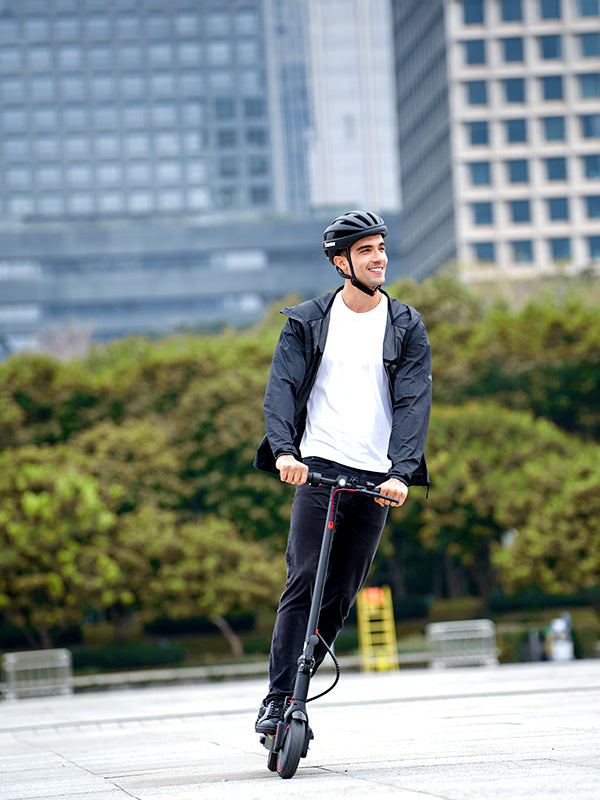
How fast can you go on a kick scooter? Whether you’re commuting, cruising for fun, or looking to improve your technique, understanding your potential speed is essential for a smoother and more efficient ride. In this expert speed guide, you’ll learn what affects kick scooter performance, how fast you can realistically go on different surfaces, and how your riding skills influence your top speed. This introduction sets the foundation for exploring all the key factors that determine how quickly you can travel on a kick scooter.
What Determines How Fast You Can Go on a Kick Scooter?
When asking how fast can you go on a kick scooter, it’s important to understand that there isn’t a single fixed number. Your speed depends on a combination of physical input and scooter design. Several key factors play a major role in how quickly you can accelerate, maintain momentum, and ride efficiently.
1. Rider Effort and Technique
A kick scooter is powered entirely by human energy, so the rider’s own effort is the biggest speed factor. Stronger kicks, better balance, and smoother transitions between pushes help you glide faster. Experienced riders often use advanced techniques such as the “power kick” or alternating push styles to build more speed with less effort.
2. Scooter Design and Build Quality
The construction of the scooter itself has a direct impact on performance:
-
Frame material: Lightweight aluminium frames make it easier to accelerate.
-
Deck height: A lower deck reduces how far you need to reach with each kick, helping you move faster with less strain.
-
Handlebar stability: Sturdy handlebars improve control, especially at higher speeds.
Premium builds allow riders to generate more speed more easily.
3. Wheel Size and Material
Wheels influence how fast you can travel on flat surfaces and rough pavement.
-
Larger wheels (around 200 mm) roll faster and maintain momentum better.
-
High-quality polyurethane wheels reduce friction and allow smoother gliding.
-
Bearings (ABEC ratings) also play a role by reducing resistance in the wheel rotation.
The smoother the wheels and the higher the bearing quality, the faster you can go.
4. Terrain and Surface Conditions
The type of surface you ride on changes everything:
-
Flat, smooth pavement allows the highest speeds.
-
Rough or uneven terrain slows you down due to increased resistance.
-
Downhill routes naturally increase momentum, sometimes allowing riders to exceed the average kick scooter speed range.
-
Uphill climbs reduce speed and require extra effort.
If you want to reach your maximum potential speed, choosing the right path makes a big difference.
5. Rider Weight and Physical Fitness
A lighter rider may accelerate more easily, but weight alone isn’t the only factor. Physical fitness, leg strength, and stamina determine how long you can maintain higher speeds. Riders in better shape can often reach and sustain faster speeds than beginners.
6. Weather and Wind Conditions
Environmental factors also influence how fast you can go on a kick scooter:
-
Headwinds slow you down significantly.
-
Tailwinds give a noticeable boost.
-
Wet surfaces require caution and typically reduce riding speed for safety.
7. Safety Gear and Rider Confidence
Wearing proper safety gear—such as helmets and gloves—gives riders more confidence at higher speeds. When you feel secure, you maintain smoother rides and better control, which indirectly improves your speed performance.
Average Speed: How Fast Can You Go on a Kick Scooter on Flat Ground?
When people ask how fast can you go on a kick scooter, the most realistic measurement comes from riding on flat, even ground. This is where a rider’s technique, strength, and scooter design come together to produce consistent and predictable speeds.
Typical Speed Range on Flat Surfaces
On smooth, level pavement, most riders can expect to travel at an average speed of 10–15 mph (16–24 km/h) using a standard kick scooter. This range reflects what an average adult rider can achieve with moderate effort. It’s fast enough for commuting in city environments while still being manageable and safe for daily use.
Speed for Beginners vs. Experienced Riders
Not every rider moves at the same pace, and skill level plays a big role:
-
Beginners usually travel around 6–10 mph (10–16 km/h) as they build balance, confidence, and rhythm.
-
Intermediate riders commonly reach the standard 10–15 mph range once they develop smoother kicks and better posture.
-
Experienced riders with refined technique, stronger kicks, and a better understanding of momentum can exceed 15 mph, even on flat terrain.
With practice, riders naturally learn how to push efficiently, conserve energy, and maintain a steady cruising speed.
How Scooter Design Affects Your Flat-Ground Speed
The scooter you ride influences how fast you can go:
-
Larger wheels require fewer kicks to maintain speed.
-
Lower decks reduce leg fatigue, helping you stay fast longer.
-
High-quality bearings decrease friction, allowing smoother rolling and higher top speeds.
A lightweight, well-engineered scooter allows riders to reach the upper end of the average speed range more easily.
Momentum and Glide Duration
Another core component of flat-ground speed is how long your scooter glides between kicks. Scooters with efficient wheels and strong bearings can glide longer, meaning:
-
Fewer pushes are needed,
-
Speed stays consistent,
-
Energy is used more effectively,
-
Riding feels smoother and faster.
Longer glide time directly contributes to higher overall speed, especially during commuting.
Rider Strength and Fitness
Physical fitness influences how fast you can go on a kick scooter. Riders with stronger leg muscles can generate more power per kick, allowing them to:
-
Accelerate faster
-
Maintain top speed longer
-
Recover more quickly between pushes
Even moderate fitness improvements can noticeably raise your average riding speed.
Ideal Conditions for Reaching Top Speed on Flat Ground
Riders achieve their fastest speeds on flat surfaces when:
-
The pavement is smooth and dry
-
There is little or no wind resistance
-
The scooter is well-maintained
-
The rider uses a stable, rhythmic kick pattern
Under optimal conditions, it’s possible for skilled riders to briefly surpass 15 mph (24 km/h), though this typically requires strong technique and a quality scooter.
How Fast Can You Go on a Kick Scooter Downhill or With Advanced Techniques?
If you’re wondering how fast can you go on a kick scooter beyond the average speed on flat surfaces, the answer becomes far more dynamic when riding downhill or using advanced riding techniques. Gravity, momentum, and skilled body movements can significantly increase your speed—sometimes by a surprising amount. However, these higher speeds come with increased responsibility and the need for proper safety awareness.
Downhill Speeds: How Much Faster Can You Go?
Riding downhill naturally increases your speed because gravity takes over the propulsion. A rider who usually cruises at 10–15 mph (16–24 km/h) on flat ground may easily reach:
-
15–20 mph (24–32 km/h) on gentle slopes
-
20–25+ mph (32–40+ km/h) on steeper hills
On long, smooth declines, experienced riders can even exceed these ranges, though this should only be done with caution. The steeper and longer the hill, the faster the scooter will accelerate—often more quickly than beginners expect.
Why Downhill Speed Increases So Rapidly
Several factors contribute to rapid acceleration:
-
Gravity-assisted momentum builds with every second of descent.
-
Reduced need for kicking means riders conserve energy and hold steady positions.
-
Larger wheels and quality bearings help maintain stability at higher speeds.
This combination allows riders to achieve speeds that are difficult or impossible to reach on flat ground.
Advanced Techniques That Increase Kick Scooter Speed
Experienced riders often use specialised techniques to maximise their speed, even without slopes. These include:
1. Power Kicking
This technique involves delivering strong, controlled pushes with full leg extension. It helps riders:
-
Accelerate more quickly
-
Maintain higher speeds with fewer kicks
-
Reduce fatigue while riding faster
2. Switch Kicking
Switching the pushing leg regularly prevents muscle fatigue and maintains power output. Riders who master this technique can glide faster for longer distances.
3. Tucking for Aerodynamics
Reducing wind resistance is critical at higher speeds. Riders may:
-
Lower their torso
-
Bend their knees
-
Keep arms tight and close to the body
This aerodynamic posture allows significantly faster gliding, especially downhill.
4. Pumping on Slight Declines
Some riders use a technique similar to pumping on a skateboard:
-
Shifting body weight
-
Using small downward motions to generate speed
-
Keeping constant momentum without pushing
This technique works best on gentle slopes or undulating terrain.
How Skill Level Influences Maximum Speed
Skill plays a major role in determining how fast you can go on a kick scooter:
-
Beginners may feel unstable at anything above 10–12 mph downhill.
-
Intermediate riders can handle 15–20 mph with confidence.
-
Advanced riders can maintain control even at 20–25+ mph thanks to better balance, faster reaction times, and strong braking technique.
Knowing your own limits is essential for staying safe.
Safety Considerations at Higher Speeds
Higher speed means higher risk, so riders should take extra precautions:
-
Always wear a helmet and protective gear.
-
Keep both hands on the handlebars when descending.
-
Avoid steep hills unless you have strong braking control.
-
Be aware of pedestrians, bikes, and vehicles.
-
Use a scooter with reliable brakes and good wheel traction.
While it can be exciting to see just how fast you can go on a kick scooter downhill, speed should never compromise safety.
Kick Scooter vs. Electric Scooter: Which Is Faster?
When exploring how fast can you go on a kick scooter, many riders naturally compare it to the speed of an electric scooter. Although both options offer efficient, lightweight transportation, their speed capabilities differ significantly. Understanding these differences can help you choose the right type of scooter for your lifestyle, fitness level, and commuting needs.
Kick Scooter Speed: Powered by Human Energy
A kick scooter’s speed is determined entirely by the rider’s physical effort and technique. On average:
-
Flat ground: 10–15 mph (16–24 km/h)
-
Downhill: 15–25+ mph (24–40+ km/h), depending on the slope
-
With advanced techniques: Slightly higher speeds are possible due to improved acceleration and momentum control
Kick scooters are ideal for riders who enjoy an active, fitness-focused ride and want full control over their pace and output.
Electric Scooter Speed: Powered by Motor and Battery
Electric scooters use a motor and battery system to deliver consistent speed without physical kicking. High-quality models—such as those from iHoverboard—can reach significantly higher speeds than a manual kick scooter. Common speed ranges include:
-
Entry-level models: Around 15 mph (24 km/h)
-
Mid-range models: 18–22 mph (29–35 km/h)
-
Higher-performance models: 25–30+ mph (40–48+ km/h)
Because the speed is motor-driven, riders experience smooth, effortless acceleration and can maintain higher speeds over long distances.
Why Electric Scooters Are Faster
Several factors contribute to the faster speeds of electric scooters:
-
Powerful motors: Provide instant torque and acceleration.
-
Stable frames and larger wheels: Designed to handle higher speeds safely.
-
Consistent power output: Unlike a kick scooter, performance doesn’t decrease as the rider becomes tired.
-
Optimised aerodynamics: Some electric scooters are engineered to reduce drag and increase top speed.
This makes electric scooters a preferred choice for commuters who prioritise speed and convenience.
Legal Speed Limits to Consider
While asking how fast can you go on a kick scooter or an electric scooter, it's important to also consider local laws. Many regions introduce speed regulations for electric scooters to ensure safe sharing of bike lanes and public pathways. Common legal limits include:
-
15–20 mph (24–32 km/h) in many urban zones
-
Restrictions on high-speed models in busy pedestrian areas
Kick scooters usually do not face the same regulations since their speed is naturally limited by human power.
Which Option Is Better for Speed?
The answer depends on your goals:
-
Choose a kick scooter if you enjoy physical activity, like controlling your pace, and appreciate a quiet, eco-friendly ride.
-
Choose an electric scooter (e.g., from iHoverboard) if you want higher, consistent speeds with less physical effort—especially for commuting or longer trips.
Overall, electric scooters are undeniably faster, but kick scooters offer a more physical, hands-on riding experience that some riders prefer.
Safety Tips for Riding at Higher Speeds
When exploring how fast can you go on a kick scooter, it’s essential to balance speed with safety. Higher speeds demand sharper reflexes, stronger control, and better awareness of surroundings. Whether you’re cruising on flat ground, using advanced techniques, or riding downhill, following proper safety practices ensures you stay protected while enjoying a smooth, confident ride.
1. Always Wear Proper Protective Gear
At higher speeds, the risk of injury increases. Wearing protective equipment is the simplest way to reduce the impact of falls or sudden stops. Essential gear includes:
-
A certified helmet to protect against head injuries
-
Knee and elbow pads for cushioning during unexpected tumbles
-
Wrist guards to prevent sprains or fractures
-
Closed-toe shoes with good grip
Even experienced riders should never skip protective gear—speed can be unpredictable.
2. Maintain Your Scooter Regularly
A well-maintained scooter handles better and reduces the risk of mechanical failure when riding fast. Key maintenance checks include:
-
Wheel condition: Ensure wheels are smooth and free of cracks
-
Bearings: Lubricate or replace worn bearings for smoother gliding
-
Brakes: Make sure brake systems respond quickly and evenly
-
Deck and frame stability: Check for loosened screws or structural wear
Regular inspections keep your scooter safe and ensure you can control it at higher speeds.
3. Improve Your Riding Posture and Control
Body position greatly affects how fast you can safely go on a kick scooter. For better control:
-
Keep your knees slightly bent to absorb shocks
-
Lean forward gently when accelerating
-
Grip the handlebars firmly to prevent wobbling
-
Distribute weight evenly to maintain balance
Good posture makes high-speed riding more stable and predictable.
4. Practice Safe Braking Techniques
Braking at high speeds requires more skill than slowing down during casual rides. Effective techniques include:
-
Applying brakes gradually, not abruptly
-
Shifting body weight backward to maintain balance
-
Using both foot and hand braking systems (if available)
-
Predicting stops early, especially on busy paths
Braking smoothly prevents skidding and keeps you in control.
5. Stay Aware of Terrain and Surroundings
High speeds amplify the effects of uneven surfaces, debris, and obstacles. Always:
-
Scan ahead for bumps, cracks, or potholes
-
Avoid wet or slippery surfaces that reduce traction
-
Stay alert in crowded areas where sudden stops may be required
-
Slow down near driveways, intersections, or blind corners
Awareness is key to preventing accidents when traveling quickly.
6. Ride Within Your Skill Level
Understanding your own limits is an important part of riding safely. Beginners should avoid:
-
Very steep hills
-
High-traffic areas
-
High-speed downhill runs
-
Advanced techniques like power kicks or steep carving
As you gain experience, gradually increase speed while practising in safe, open spaces.
7. Follow Local Traffic and Pathway Rules
Even if you know how fast you can go on a kick scooter, that doesn’t mean it’s safe—or legal—to ride at maximum speed everywhere. Be sure to:
-
Obey speed limits where applicable
-
Yield to pedestrians
-
Stay in designated bike or scooter lanes
-
Respect shared paths
Riding responsibly keeps you safe and prevents conflicts with other road users.
8. Never Ride Distracted
High-speed riding demands full attention. Avoid:
-
Phone use
-
Listening to loud music
-
Carrying items that affect your balance
Staying focused improves reaction times and helps you avoid sudden hazards.
Why Safety Matters More at Higher Speeds
The faster you go, the less time you have to react. Small obstacles become bigger threats, and stopping distances increase dramatically. By prioritising safety, riders can enjoy reaching the upper limits of how fast you can go on a kick scooter while staying fully in control.
Who Should Choose a Kick Scooter for Speed?
Understanding how fast you can go on a kick scooter is only part of the story—equally important is knowing who benefits most from choosing a manual kick scooter for speed-focused riding. Kick scooters aren’t just for children or casual users; they appeal to a wide range of riders who value control, fitness, agility, and simplicity. Whether you’re commuting, exercising, or simply enjoying the ride, certain types of riders are especially well-suited to using a kick scooter for speed.
1. Riders Who Enjoy Physical Activity
Kick scooters provide a full-body workout, engaging your legs, core, and balance muscles. If you enjoy:
-
Cardio exercise
-
Outdoor fitness
-
Muscle engagement during daily transportation
-
A more active riding experience
Then a kick scooter is an excellent choice. Riders who like relying on their own power tend to appreciate the satisfaction of building up speed and maintaining momentum without motors or batteries.
2. Commuters Who Prefer Lightweight and Low-Maintenance Transport
Some commuters want to move quickly through the city without dealing with charging times or battery management. A kick scooter is ideal for those who value:
-
Lightweight mobility
-
Easy carrying on buses, trains, or stairs
-
Minimal maintenance
-
Fast start-and-stop travel in urban areas
Even though electric scooters are faster in general, kick scooters offer surprising speed and efficiency for short-to-medium commutes—especially when navigating through busy zones where agility matters more than top speed.
3. Eco-Conscious Riders
Kick scooters are one of the most environmentally friendly transportation options available. Riders who prioritise sustainability often choose manual scooters because:
-
They require zero electricity
-
They produce no emissions
-
They encourage cleaner, greener travel habits
These riders enjoy achieving their own personal top speeds without relying on any external energy source.
4. Skill-Focused Riders Who Enjoy Technique
Kick scooters appeal to riders who love improving technique. If you enjoy learning:
-
Power kicks
-
Aerodynamic tucking
-
Switch kicking
-
Speed-boosting riding stances
-
Efficient momentum control
…then you’ll appreciate the rewarding challenge of maximizing how fast you can go on a kick scooter using your own skills. Progress feels measurable, personal, and motivating.
5. Budget-Conscious Riders Who Still Want Speed
Some riders want a fast, efficient way to travel but don’t want to invest in or maintain an electric scooter. Manual kick scooters provide:
-
A more affordable entry point
-
No recurring charging costs
-
Long-term reliability
This makes kick scooters a great choice for riders who want to enjoy decent speed without the costs associated with electric models.
6. Riders Who Prefer Full Control Over Their Speed
When riding a manual kick scooter, you have complete control over acceleration and deceleration. This appeals to riders who value:
-
A sense of freedom
-
Predictable handling
-
The ability to adjust speed instantly
-
The feeling of being connected to the ride
You determine how fast you go—and how fast you stop—based on your own input.
7. Teens and Adults Who Ride for Recreation or Short Trips
Kick scooters are perfect for recreational riding. Whether you’re riding in parks, bike paths, or quiet residential areas, they allow teens and adults to enjoy:
-
Smooth cruising
-
Fast-paced gliding
-
Easy maneuverability
-
Flexible riding styles
Recreational riders who enjoy bursts of speed and effortless movement often find that kick scooters offer the perfect balance of fun and challenge.
8. Riders Living in Areas with Smooth, Flat Terrain
Speed-focused kick scooter riders benefit the most when they have access to:
-
Well-paved streets
-
Smooth sidewalks
-
Bike lanes
-
Flat commuting routes
These environments make it easier to achieve and maintain higher speeds without draining energy.
Conclusion
So, how fast can you go on a kick scooter? The answer depends on several factors—your skill level, physical effort, terrain, scooter design, and riding conditions. On flat ground, most riders cruise comfortably at 10–15 mph, while more advanced riders can reach even higher speeds, especially downhill or using refined techniques. Kick scooters offer a fun, active, and eco-friendly way to travel quickly through city streets, parks, and neighbourhoods without relying on motors or batteries.
For those who prefer consistent high speeds with less physical effort, electric scooters from iHoverboard provide a powerful alternative, delivering greater velocity and effortless acceleration. But for riders who appreciate fitness, agility, and full control over their pace, a manual kick scooter remains an excellent choice.
Ultimately, a kick scooter gives you the freedom to ride at your own pace—slow and steady, or fast and exhilarating. By understanding what affects your speed and following safe riding practices, you can enjoy a smooth, efficient, and exciting ride every time you step onto your scooter.
FAQs
How fast can you go on a kick scooter on average?
Most adults can ride a kick scooter at an average speed of 10–15 mph (16–24 km/h) on flat ground. Beginners tend to start closer to 6–10 mph, while experienced riders with strong technique can reach the higher end of the range.
Can a kick scooter go as fast as a bicycle?
In most cases, no. Bicycles generally reach higher speeds because they use gears and allow stronger leg power transfer. However, a skilled rider on a high-quality kick scooter can still travel quickly—especially on smooth paths or short commutes—and may match a cyclist’s pace over short distances.
How fast can a kick scooter go downhill?
Downhill speeds vary depending on slope steepness and rider skill. Many riders reach 15–20 mph (24–32 km/h) on gentle declines, while experienced riders on steeper hills may exceed 25 mph (40+ km/h). Always use caution and proper safety gear when riding downhill.
What affects how fast you can go on a kick scooter?
Several factors influence your top speed, including:
-
Rider technique and physical strength
-
Wheel size and bearing quality
-
Scooter design and weight
-
Terrain smoothness
-
Wind and weather conditions
Understanding these elements helps you maximize your performance safely.






Still, need help? Contact Us: support@ihoverboard.com
What's the option? Check out the option now!
Leave us a message