



















Kick Scooter vs Electric Scooter: The Smart Rider’s Guide
Choosing between a kick scooter vs electric scooter can be challenging, especially with the rising popularity of personal urban mobility. Both offer unique advantages, from simple manual riding to powerful motor-assisted travel designed for modern commuting. This guide breaks down their core differences, performance benefits, and real-world usability. By the end, you’ll know exactly which scooter fits your lifestyle and daily travel needs.
What Sets Electric Scooters Apart From Kick Scooters?
When comparing a kick scooter vs electric scooter, the biggest differences lie in how each one generates movement, how much power they offer, and what kind of riding experience they deliver. While both share the same basic form—two wheels, a deck, and handlebars—their internal mechanisms create two very different types of personal transportation.
1. Propulsion: Motor Power vs Human Power
The most fundamental distinction is the way each scooter moves:
-
Kick scooters rely entirely on human effort. The rider pushes off the ground repeatedly to gain speed.
-
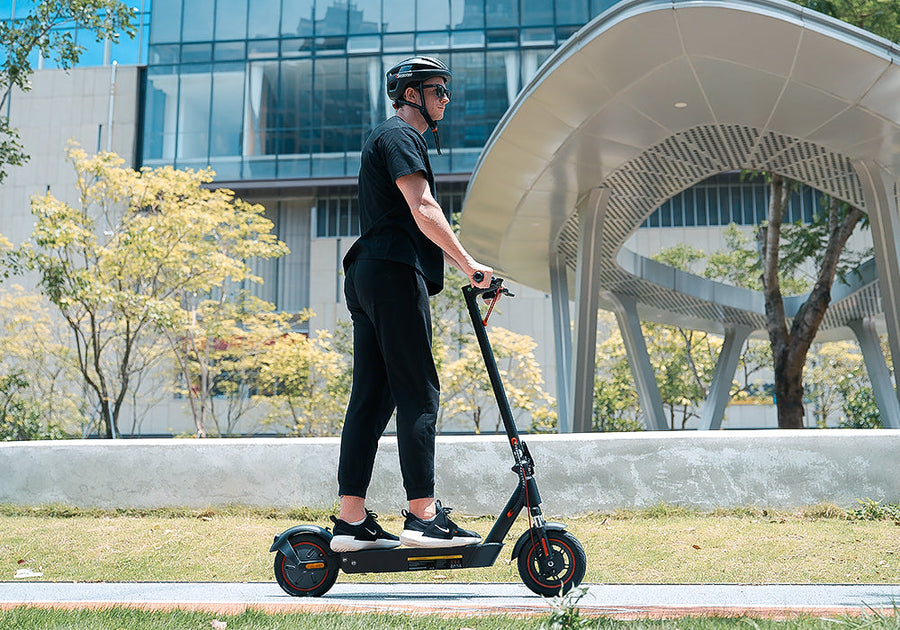
Electric scooters use an electric motor powered by a rechargeable battery to propel the rider forward with little to no physical exertion.
This difference affects nearly every aspect of performance, from speed to comfort, making electric scooters much more versatile for daily commuting or longer distances.
2. Effort Level and Ease of Use
A kick scooter requires constant pushing, which can be tiring over longer distances or uphill terrain. In contrast, an electric scooter offers:
-
Effortless acceleration through throttle control
-
Consistent speed without physical strain
-
More enjoyable and efficient travel, especially during longer trips
This ease of use is one of the primary reasons many riders choose electric scooters for urban mobility.
3. Speed and Power Output
Electric scooters have a clear advantage in terms of speed. Their motors allow riders to reach higher top speeds than what is possible manually. Even entry-level electric models offer significantly more speed than kick scooters, making them far more suitable for commuting and time-sensitive travel.
Kick scooters, by comparison, are limited by a rider’s stamina and pushing frequency, resulting in lower and less consistent speeds.
4. Range and Travel Capability
Kick scooters technically have an unlimited “range” because they don’t rely on batteries—but they are limited by the rider’s energy and endurance. Long distances can quickly become exhausting.
Electric scooters provide:
-
Long riding ranges that depend on battery capacity
-
The ability to travel several miles without fatigue
-
A practical option for daily commuting or multi-stop travel
This makes them a reliable choice for riders who want comfort and consistency.
5. Terrain Handling and Versatility
Kick scooters are best suited to very smooth surfaces because they lack power assistance and often have smaller wheels. Rough terrain or inclines can significantly impact ride quality.
Electric scooters typically offer:
-
Larger wheels for better stability
-
Motor power to climb inclines
-
Optional suspension systems for smoother rides on uneven surfaces
This makes electric scooters far more adaptable to real-world riding conditions.
6. User Experience and Comfort
Electric scooters are designed to deliver a more comfortable and controlled ride. Features that improve comfort may include:
-
Throttle-based acceleration
-
Electronic and mechanical braking systems
-
Wider decks and ergonomic handlebars
-
Optional suspension for shock absorption
Kick scooters provide a simple, lightweight experience but lack comfort features, making them better suited to short leisure rides rather than everyday commuting.
7. Technology and Features
Modern electric scooters often include technology that enhances convenience and safety:
-
LED displays
-
Multiple riding modes
-
Lights, indicators, and horn functions
-
Battery management systems
-
Cruise control (on some models)
Kick scooters are intentionally minimalistic. They usually include basic handlebars, grips, and sometimes a manual brake—nothing more.
8. Suitability for Different Riding Needs
When deciding between a kick scooter vs electric scooter, the right choice depends on the rider’s lifestyle:
-
Kick scooters are ideal for kids, casual riders, or short recreational trips.
-
Electric scooters are built for commuting, practical travel, and daily use thanks to their power and convenience.
Kick Scooter vs Electric Scooter: Design & Construction Differences
When comparing a kick scooter vs electric scooter, one of the most noticeable distinctions lies in how each device is built. Both may share the same fundamental shape—two wheels, a deck, and handlebars—but their design elements diverge significantly due to their different power systems, rider expectations, and performance capabilities. Understanding these construction differences helps riders choose the scooter that best matches their needs, whether it’s for casual riding or daily commuting.
1. Frame Structure and Materials
Both kick scooters and electric scooters typically use strong yet lightweight materials like aluminum alloy, steel, or reinforced composites. However, the internal structure and weight distribution differ significantly.
Kick Scooter Frame
-
Designed for maximum lightness and portability
-
Minimal components, contributing to a compact and sleek build
-
Often optimized for quick folding and easy carrying
-
Smaller overall footprint, making it ideal for younger riders or short-distance use
Electric Scooter Frame
-
Built to house essential components including the battery, motor, controller, and wiring
-
Requires a stronger chassis to support higher speeds and heavier load capacity
-
Larger frame dimensions for stability and performance
-
Reinforced structure to handle vibrations, inclines, and daily commuting stress
This structural difference is one of the main reasons electric scooters are generally heavier yet far more capable than kick scooters.
2. Handlebars & Control Systems
The handlebars reveal an immediate contrast in how a rider interacts with a kick scooter vs electric scooter.
Kick Scooter Handlebars
-
Simple grips for easy handling
-
Often includes a basic manual brake lever—or in some cases, no brake lever at all
-
Minimal additional components
-
Designed for straightforward, intuitive control suitable for all ages
Electric Scooter Handlebars
-
Feature-rich cockpit with multiple control inputs
-
Common components include:
-
Throttle for acceleration
-
Electronic or mechanical brake levers
-
Central digital display showing speed, battery level, modes, and trip information
-
Light controls, horn/bell buttons, and sometimes indicators
-
Some models allow customization of ride modes, acceleration response, and braking intensity
These added controls contribute to a smoother, more informed, and more comfortable riding experience.
3. Deck Size, Strength & Ergonomics
The deck—where riders place their feet—also differs dramatically.
Kick Scooter Deck
-
Narrow and lightweight
-
Close to the ground for efficient kicking
-
Designed for agility and maneuverability
-
Minimal cushioning or internal structure
Electric Scooter Deck
-
Wider and longer to support electrical components and balanced footing
-
Raised off the ground to protect the battery housing underneath
-
Often covered with rubber or textured grip material for traction
-
Built to support higher rider weights and long-duration riding
The larger deck on electric scooters provides stability and comfort, especially at higher speeds or over longer distances.
4. Motor, Battery & Internal Electronics (Electric Scooters Only)
Electric scooters include a variety of internal components that completely transform their design.
-
Motor: Typically integrated inside the wheel hub, providing propulsion
-
Battery: Often located within the deck, supplying power for the motor, lights, and controls
-
Controller: Manages acceleration, regenerative braking, and power distribution
-
Wiring & Sensors: Provide communication between the scooter’s electronic systems
These components add complexity, weight, and capability unmatched by any kick scooter.
5. Tires & Wheel Construction
The wheel systems further highlight the differences between a kick scooter vs electric scooter.
Kick Scooter Wheels
-
Made from polyurethane or solid rubber
-
Smaller in diameter, usually between 4 and 8 inches
-
Lightweight and durable but not shock-absorbing
-
Best suited for smooth pavement
Electric Scooter Wheels
-
Larger wheels, typically 8–11 inches
-
Available as pneumatic (air-filled) or solid rubber
-
Pneumatic tires offer cushioning for bumps and uneven surfaces
-
Some electric scooters include dual suspension systems for enhanced shock absorption
The combination of larger wheels and suspension helps electric scooters deliver superior comfort and stability.
6. Folding Mechanisms & Portability
Both scooter types often include folding systems, but their convenience varies.
Kick Scooters
-
Extremely lightweight
-
Simple folding mechanism
-
Easy to carry in one hand or store in a backpack or locker
Electric Scooters
-
Heavier due to motor and battery
-
More advanced folding systems designed for stability and safety
-
Still packable and portable but not as effortless to carry for long periods
Electric scooters prioritize structural integrity and rider safety, whereas kick scooters prioritize portability.
7. Durability & Intended Usage
Kick scooters are usually built for casual or recreational riding. Electric scooters, however, are engineered to endure daily commuting, higher speeds, weather variations, and long-term mechanical stress.
This difference influences:
-
Material thickness
-
Joint reinforcement
-
Weather resistance
-
Overall construction quality
In most cases, electric scooters are more robust machines designed for adult riders and real-world usage.
Kick Scooter vs Electric Scooter: Performance Comparison
When examining the performance of a kick scooter vs electric scooter, the differences become even more pronounced. Performance determines how fast you can travel, how efficiently you can ride, how well the scooter handles different terrains, and how safe and controlled the overall experience feels. Electric scooters are engineered for power and practicality, while kick scooters rely entirely on physical effort. This creates a performance gap that significantly influences which type of scooter is suitable for commuting, leisure, or daily use.
1. Speed & Acceleration
Kick Scooters
Kick scooters operate solely through manual kicking, which limits both speed and acceleration. Riders can reach moderate speeds on flat, smooth surfaces, but maintaining those speeds over time requires effort and stamina. Acceleration is based on how frequently and powerfully the rider pushes off the ground.
Typical characteristics:
-
Low maximum speed
-
Slow acceleration
-
Requires continuous physical effort
-
Best suited for short distances or recreational use
Electric Scooters
Electric scooters significantly outperform kick scooters in this category. They generate speed through an electric motor, delivering instant acceleration and higher top speeds without physical strain.
Typical advantages:
-
Effortless acceleration through throttle control
-
Higher top speeds suitable for urban commuting
-
Consistent performance even on longer routes
-
More control and stability at faster speeds
In everyday use, an electric scooter allows riders to arrive at destinations faster, with less effort, and with more predictable speed management.
2. Range Capabilities
Kick Scooters
A kick scooter’s range depends entirely on the rider’s stamina. While it may seem unlimited in theory, human endurance is the limiting factor. Long rides can quickly become tiring, especially on uneven ground or uphill stretches.
Practical limitations:
-
Rider fatigue limits distance
-
Less suitable for multi-mile commutes
-
Not ideal for daily transportation
Electric Scooters
Electric scooters feature rechargeable batteries that determine how far they can travel on a single charge. Even entry-level models offer enough range for most daily commutes.
Key advantages:
-
Reliable, measurable mileage per charge
-
Suitable for medium and long-distance travel
-
No physical exhaustion required
-
Consistent performance from start to finish
This makes electric scooters far more practical for users who need dependable daily transportation.
3. Braking Systems
Safety and control are directly connected to braking performance.
Kick Scooters
Kick scooters usually use simple braking systems, such as:
-
Foot brakes (pressing a rear fender onto the tire)
-
Basic friction brakes
These are effective at slow speeds but less responsive in emergency situations.
Characteristics:
-
Effective at low speeds
-
Easy to use but less powerful
-
Limited stopping ability on downhill or slippery surfaces
Electric Scooters
Electric scooters typically include advanced braking technologies such as:
-
Electronic braking (regenerative or motor-based deceleration)
-
Mechanical disc or drum brakes
-
Combination braking systems
These systems offer faster stopping power and better control.
Advantages:
-
Shorter stopping distances
-
Safer at higher speeds
-
More responsive during emergencies
-
Greater stability, especially with dual-brake setups
In terms of safety and stopping efficiency, electric scooters are significantly superior.
4. Hill-Climbing Performance
Kick Scooters
Kick scooters struggle with inclines because the rider must overcome the force of gravity alone. Even mild hills require increased effort, and steep slopes can become unmanageable.
Limitations:
-
Inefficient on hills
-
Requires intense physical effort
-
Not suitable for hilly cities or long inclines
Electric Scooters
Electric scooters use motor torque to climb hills more effectively. Higher-powered models can handle moderate to steep inclines with ease, depending on motor strength.
Advantages:
-
Handles inclines with minimal effort from the rider
-
More consistent speed uphill
-
Better suited for varied terrain
-
Safer and more stable when climbing
For riders living in hilly areas, an electric scooter is the more practical and reliable choice.
5. Terrain Adaptability
Kick Scooters
Kick scooters deliver the best performance on very smooth, flat surfaces. Rough paths, cracks, and uneven sidewalks significantly slow the rider down and reduce comfort.
Features:
-
Smaller wheels limit shock absorption
-
Not suitable for gravel or uneven terrain
-
Better for indoor or park paths
Electric Scooters
Electric scooters are designed to handle a much wider range of surfaces. Larger wheels, thicker tires, and optional suspension allow them to maintain stability and comfort on many types of terrain.
Enhancements:
-
Larger pneumatic tires for shock absorption
-
Suspension systems for smoother rides
-
Better handling over bumps and cracks
-
More versatile for real-world city conditions
Electric scooters clearly offer stronger, more reliable performance across diverse environments.
6. Stability & Control
Kick Scooters
Kick scooters are lightweight and agile, but this low weight can reduce stability at higher speeds. Since the rider’s kicking motion shifts the center of gravity, balance can be harder to maintain, especially for beginners.
Electric Scooters
Electric scooters provide superior stability due to:
-
Heavier frames
-
Wider decks
-
Better-balanced weight distribution
-
Larger wheels and controlled acceleration
This helps riders maintain control at higher speeds, on slopes, and on mixed terrain.
7. Overall Performance Verdict
When evaluating performance in a kick scooter vs electric scooter comparison, the electric scooter clearly dominates in every major category:
-
Faster speeds
-
Longer and more consistent range
-
Stronger hill-climbing capability
-
More advanced braking
-
Better stability and control
-
Greater adaptability to real-world terrain
Kick scooters serve well for short, casual rides, but for commuting, comfort, and efficiency, electric scooters provide a far more powerful and practical solution.
Kick Scooter vs Electric Scooter: Which One Should You Choose?
Choosing between a kick scooter vs electric scooter ultimately comes down to your lifestyle, riding needs, daily distance, and personal preferences. Both options can be practical forms of micro-mobility, but each is designed with a different type of rider in mind. Understanding your priorities—speed, convenience, exercise, distance, or comfort—will help you select the right scooter for your everyday use.
Electric scooters are engineered for modern urban commuting, offering power, range, and effortless riding. Kick scooters, on the other hand, offer a simple, lightweight, low-maintenance solution that works best for short trips or recreational use. Below, you’ll find a detailed breakdown to guide you toward the best choice.
Who Should Choose a Kick Scooter?
A kick scooter is the better option if you prefer:
✔ Light, simple transportation
Kick scooters are incredibly lightweight and easy to carry, making them perfect for short city hops, students on campuses, or riders who frequently use public transport.
✔ Low-maintenance mobility
With no batteries, electronics, or motor systems to care for, maintenance is minimal. This appeals to riders who simply want a “grab-and-go” option.
✔ A bit of exercise during each ride
Kick scooters require physical effort, making them ideal for those who want movement while still traveling efficiently.
✔ Occasional or casual riding
If you only travel short distances or use a scooter for leisure, a kick scooter is more than enough.
Who Should Choose an Electric Scooter?
An electric scooter is the better option if you want:
✔ Fast, efficient daily commuting
Electric scooters provide reliable speed and consistent travel time, making them ideal for work, school, or multi-stop urban travel.
✔ Longer range without physical effort
If your daily routes include several miles, hills, or uneven terrain, an electric scooter offers the comfort and power needed to handle it effortlessly.
✔ A premium, tech-enhanced riding experience
Digital displays, powerful brakes, lights, riding modes, and smooth acceleration make electric scooters far more practical for everyday use.
✔ A reliable mobility solution
An electric scooter becomes a true alternative to short car trips or public transport, especially for riders who want comfort and convenience.
Quick Comparison Table: Kick Scooter vs Electric Scooter
|
Feature / Factor |
Kick Scooter |
Electric Scooter |
|
Power Source |
Human-powered |
Electric motor + battery |
|
Speed |
Low and depends on rider effort |
Much higher and consistent |
|
Effort Required |
High (constant kicking) |
Minimal (throttle-based) |
|
Range |
Limited by stamina |
Long range depending on battery |
|
Terrain Handling |
Best on smooth surfaces |
Handles hills, uneven roads, and longer routes |
|
Comfort Level |
Basic, minimal features |
Advanced comfort: suspension, bigger wheels, smoother ride |
|
Maintenance |
Very low |
Moderate (battery + motor care) |
|
Weight |
Extremely lightweight |
Heavier due to motor and battery |
|
Technology Features |
None/minimal |
Displays, lights, riding modes, advanced braking |
|
Best For |
Kids, casual riders, short trips |
Commuters, long-distance riders, everyday travel |
|
Price Range |
Low cost |
Higher investment but increased utility |
|
Environmental Impact |
Zero energy consumption |
Still eco-friendly but requires charging |
Final Recommendation: What’s the Best Choice?
If your priority is speed, range, convenience, and daily commuting, the winner in the kick scooter vs electric scooter comparison is clearly the electric scooter. Its combination of power, comfort, and practicality makes it ideal for modern riders—especially those who want a reliable alternative to cars or public transport.
If you want something simple, lightweight, and exercise-friendly, a kick scooter can still be a great choice for short trips or recreational use.
Conclusion
When comparing a kick scooter vs electric scooter, it becomes clear that each offers its own advantages depending on your lifestyle, travel distance, and comfort needs. Kick scooters remain simple, lightweight, and ideal for very short, low-effort rides. However, electric scooters deliver far greater convenience, speed, range, and everyday usability—especially for commuters who want a smoother, more efficient way to move around.
If you’re seeking a modern solution that enhances your daily travel, iHoverboard electric scooters offer the perfect blend of performance, durability, and innovative features. Designed for real-world commuting, they provide powerful motors, long-range batteries, and rider-focused comfort that elevate every journey. For anyone ready to upgrade to a smarter, more effortless way of getting around, an iHoverboard e-scooter is the choice that truly stands out.
FAQs
What is the difference between a kick scooter and an electric scooter?
The main difference between a kick scooter vs electric scooter is how they are powered. A kick scooter relies entirely on human force—you push off the ground to move. An electric scooter uses a motor and battery to power movement, offering higher speeds, longer range, and a more comfortable, effortless ride. Kick scooters are simple and lightweight, while electric scooters are designed for commuting and practical daily travel.
Can an electric scooter be used as a kick scooter?
Most electric scooters can be pushed manually, but they are not designed to function like traditional kick scooters. Because electric scooters are heavier due to the motor and battery, using them as a kick scooter can be difficult and tiring. They are best used with electric power, as intended.
What does "kick scooter" mean?
A kick scooter is a manually powered two-wheeled scooter that moves when the rider pushes off the ground with one foot. It has no motor, battery, or electrical components. The name “kick scooter” comes from the kicking motion required to propel it forward.
Can I ride a kick scooter on the road?
Whether you can ride a kick scooter on the road depends on your local laws. Many cities allow kick scooters on bike lanes, shared paths, or quiet residential streets but restrict them on busy main roads. It's important to check your local traffic rules and always prioritize safety by wearing protective gear.






Still, need help? Contact Us: support@ihoverboard.com
What's the option? Check out the option now!
Leave us a message