





















![What Incline Should I Walk on a Treadmill [Expert Tips for Weight Loss]](http://www.ihoverboard.co.uk/cdn/shop/articles/JT31_action_5_4089d18d-6a11-4102-ac32-9e2fedc35ee5_{width}x.jpg?v=1773196066)
What Incline Should I Walk on a Treadmill [Expert Tips for Weight Loss]
What Incline Should I Walk on a Treadmill [Expert Tips for Weight Loss]
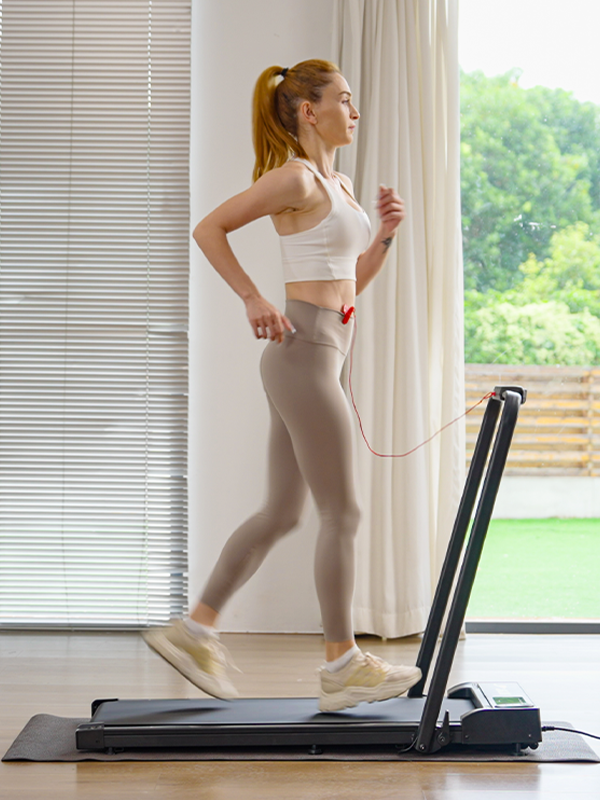
Walking on a treadmill is an excellent way to stay active, but adding an incline can take your workout to the next level. Many people ask, “what incline should I walk on a treadmill?” to maximize calorie burn and support weight loss. Incline walking not only boosts calorie expenditure but also tones muscles in the legs, glutes, and core. In this guide, we’ll share expert tips on choosing the right incline, structuring workouts, and combining them with nutrition for the best results.
Why Walking on a Treadmill Incline Helps You Burn More Calories
Walking on a treadmill is a great way to stay active, but adding an incline can take your workout to the next level. Here’s why incline walking is so effective:
1. Burn More Calories
-
Walking on a flat surface uses less energy.
-
A 5% incline can increase calorie burn by over 50%.
-
A 10% incline can boost calorie burn by more than 100%.
2. Engage More Muscles
-
Incline walking works your calves, quadriceps, glutes, and hamstrings.
-
Engaging more muscles helps tone your lower body and burn extra calories, even after your workout ends.
3. Safe Intensity Without Speed
-
Walking faster on flat ground can stress your knees and hips.
-
Incline walking lets you increase intensity without high speed, reducing joint impact.
4. Improve Cardiovascular Fitness
-
Your heart works harder to supply oxygen to your muscles.
-
Regular incline walking boosts endurance and overall heart health.
5. Flexible Challenge
-
Any incline that feels challenging is beneficial.
-
You can adjust incline levels to match your fitness and weight loss goals.
In short: Incline walking helps you burn more calories, tone muscles, and strengthen your heart—all while keeping your joints safe. It’s an efficient way to get more from every treadmill session.
Finding the Right Treadmill Incline for Your Fitness Level
Choosing the right incline for treadmill walking depends on your fitness level, goals, and comfort. Using an incline that’s too low may not give you enough challenge, while going too steep can lead to fatigue or discomfort. Here’s how to find the perfect incline for you:
1. Use the RPE (Rate of Perceived Exertion) Scale
-
The RPE scale ranges from 0 to 10, where 0 is resting and 10 is maximum effort.
-
Beginners should aim for RPE 3–4 during warm-up on a flat surface.
-
As you progress, increase the incline until you reach RPE 6–7, a level that feels challenging but sustainable.
-
This method ensures your workout intensity matches your fitness level and prevents overexertion.
2. Beginner Incline Guidelines
-
Start with 1–3% incline if you’re new to treadmill workouts.
-
Walk at a comfortable pace where you can still talk without gasping.
-
Focus on form and posture, keeping shoulders relaxed and core engaged.
3. Intermediate Incline Guidelines
-
Once comfortable, try 4–6% incline to boost calorie burn and muscle engagement.
-
Aim for 20–30 minutes at this incline, adjusting speed to maintain a brisk, steady pace.
-
You can alternate incline levels during your session to prevent fatigue and keep your body challenged.
4. Advanced Incline Guidelines
-
Experienced walkers can handle 7–12% incline for a high-intensity workout.
-
Incorporate intervals: alternate between high inclines and lower inclines for recovery.
-
This method maximizes calorie burn, endurance, and muscle toning without needing to run.
5. Listen to Your Body
-
Any incline that feels challenging but manageable is effective.
-
Avoid inclines that cause pain in knees, hips, or lower back.
-
Gradually increase incline over time as your strength and fitness improve.
6. Track Progress and Adjust
-
Keep a simple workout log of incline levels, duration, and perceived effort.
-
Gradually increasing incline over weeks ensures steady improvement and prevents plateaus.
-
Combine incline walking with proper nutrition for optimal weight loss results.
In short: There’s no one-size-fits-all incline. By using the RPE scale, starting low, and gradually increasing, you can safely find the treadmill incline that matches your fitness level, challenges your body, and supports your weight loss goals.
Popular Incline Treadmill Workouts and Techniques
Walking on an incline treadmill doesn’t have to be boring. By using different workouts and techniques, you can burn more calories, build muscle, and keep your treadmill sessions interesting. Here are some of the most effective methods:
1. Steady-State Incline Walking
-
How it works: Walk at a consistent incline and speed for the duration of your workout.
-
Recommended incline: 3–7%, depending on your fitness level.
-
Benefits: Burns calories steadily, strengthens lower body muscles, and improves endurance.
-
Tip: Keep your posture upright and maintain a brisk, but comfortable pace.
2. Interval Incline Training
-
How it works: Alternate between periods of high incline and lower incline for recovery.
-
Example: Walk 3 minutes at 8% incline, then 2 minutes at 2–3% incline, repeat for 20–30 minutes.
-
Benefits: Maximizes calorie burn, boosts cardiovascular fitness, and challenges muscles differently.
-
Tip: Adjust interval times and incline levels based on your fitness and comfort.
3. Pyramid Workouts
-
How it works: Gradually increase the incline every few minutes until reaching your peak, then decrease back down.
-
Example: Start at 2% incline, increase by 1% every 2 minutes until 8%, then reverse.
-
Benefits: Improves stamina, strengthens multiple muscle groups, and adds variety to your routine.
-
Tip: Pair with moderate speed to maintain control and proper form.
4. The “12-3-30” Inspired Method
-
How it works: Walk at a 12% incline, 3 miles per hour, for 30 minutes.
-
Benefits: Simple yet effective for calorie burn and lower body toning.
-
Note: While popular, it’s not a magic formula—any challenging incline with steady effort works similarly.
5. Backward or Sideways Walking (Advanced Technique)
-
How it works: Walk backward or sideways at a low incline.
-
Benefits: Engages different muscles, improves balance, and increases calorie burn.
-
Caution: Only attempt if you feel comfortable and have good treadmill control.
6. Combining Incline and Speed Variations
-
How it works: Mix incline changes with speed adjustments for a dynamic workout.
-
Example: Walk 5 minutes at 3% incline, then 2 minutes at 6% incline while slightly increasing speed, repeat.
-
Benefits: Keeps workouts interesting, improves both aerobic and muscular endurance, and prevents plateaus.
Tips for All Incline Workouts:
-
Always warm up for 5–10 minutes at low incline before starting.
-
Maintain good posture: shoulders back, core engaged, and steps controlled.
-
Cool down and stretch after your session to prevent soreness and improve recovery.
-
Adjust the incline and speed based on your fitness and comfort, not just numbers on the treadmill.
In short: Using different incline workouts and techniques keeps your treadmill sessions engaging while maximizing calorie burn and muscle engagement. By combining steady-state walking, intervals, pyramid methods, or even the 12-3-30 style, you can tailor your treadmill routine to match your fitness goals and challenge your body in new ways.
Step-by-Step Guide to Walking on a Treadmill Incline
Walking on a treadmill incline can be simple and effective when done correctly. Following a structured step-by-step approach ensures you get the most out of your workout while staying safe and comfortable.
1. Warm Up Properly
-
Begin with 5–10 minutes of walking on a flat treadmill (0% incline).
-
Keep your pace slow to moderate, around RPE 3–4, so your muscles gradually wake up.
-
Warming up reduces the risk of injury and prepares your heart and lungs for the workout ahead.
2. Set Your Starting Incline
-
Beginners: Start with 1–3% incline to get used to the treadmill motion.
-
Intermediate: Use 4–6% incline for a moderate challenge.
-
Advanced: Try 7–12% incline for high-intensity walking.
-
Adjust the incline so that it feels challenging but allows you to maintain good posture.
3. Maintain Proper Posture
-
Stand tall with shoulders back and relaxed.
-
Keep your core engaged to support your lower back.
-
Look forward, not down, to maintain balance.
-
Avoid leaning on the treadmill handrails—use them only for safety if needed.
4. Find a Comfortable Walking Speed
-
Walk at a pace where you can maintain a conversation but still feel your heart rate rise (RPE 6–7).
-
Avoid walking too fast, as it can compromise your posture or lead to joint strain.
-
Adjust speed as needed when you increase the incline.
5. Gradually Increase Incline or Interval Training
-
Slowly increase the incline over the course of your workout to challenge your muscles.
-
Optionally, try interval training by alternating high and low inclines to boost calorie burn.
-
For example, walk 3 minutes at 6% incline, then 2 minutes at 2–3% incline, repeating for 20–30 minutes.
6. Monitor Your Heart Rate and RPE
-
Use a heart rate monitor or treadmill sensors to track your intensity.
-
Ensure you stay in a moderate-to-challenging range for maximum benefits without overexertion.
7. Cool Down
-
Reduce the incline to 0–1% and slow your pace for 5 minutes.
-
Cooling down helps your heart rate gradually return to normal and prevents dizziness.
8. Stretch After Your Workout
-
Focus on calves, hamstrings, quadriceps, glutes, and lower back.
-
Stretching improves flexibility, reduces soreness, and speeds up recovery.
Pro Tips for Success:
-
Adjust incline and speed gradually—don’t push too hard too soon.
-
Use proper walking shoes to protect your feet and joints.
-
Hydrate before and after your workout.
-
Listen to your body and rest if you experience pain or discomfort.
In short: Walking on a treadmill incline is most effective when approached step by step. Warm up properly, choose an incline that challenges you, maintain good posture, and cool down afterward. By following this guide, you’ll burn more calories, engage your muscles, and make incline walking a safe and efficient part of your weight loss routine.
Combining Incline Walking with Nutrition for Weight Loss
Walking on a treadmill incline is a powerful tool for burning calories and strengthening your muscles, but for optimal weight loss results, it must be paired with proper nutrition. Weight loss occurs when you create a calorie deficit, meaning you burn more calories than you consume. Here’s how to combine incline walking with smart nutrition strategies:
1. Understand Your Calorie Needs
-
Calculate your daily caloric requirements based on age, weight, activity level, and fitness goals.
-
Use online calculators or fitness apps to track your intake.
-
Knowing your baseline helps you adjust portion sizes and plan meals to support a calorie deficit.
2. Prioritize Nutrient-Dense Foods
-
Focus on whole foods like lean proteins, vegetables, fruits, whole grains, and healthy fats.
-
Protein sources like chicken, fish, tofu, and eggs help preserve muscle mass, especially when combined with incline workouts.
-
Fiber-rich foods such as vegetables, legumes, and oats keep you full longer, reducing the urge to snack.
3. Timing Your Meals Around Workouts
-
Eat a small, balanced meal 1–2 hours before walking on an incline treadmill.
-
Example: Greek yogurt with fruit or a slice of whole-grain toast with peanut butter.
-
After your workout, consume a protein-rich snack or meal to support muscle recovery and repair.
-
Example: Protein smoothie, boiled eggs, or grilled chicken with vegetables.
4. Stay Hydrated
-
Proper hydration supports energy levels, endurance, and overall performance.
-
Drink water before, during, and after your treadmill workouts.
-
Avoid sugary drinks, which can add unnecessary calories and reduce your calorie deficit.
5. Avoid Crash Diets or Extreme Restrictions
-
Cutting calories too drastically can slow metabolism and reduce energy for incline walking.
-
Focus on moderate, sustainable changes to your diet for long-term results.
6. Track Your Progress
-
Keep a log of workouts and daily food intake to monitor calorie balance.
-
Adjust your nutrition or treadmill routine as needed based on your weight loss results.
7. Combine Consistency with Variety
-
Consistent incline walking paired with a balanced diet leads to gradual, sustainable weight loss.
-
Experiment with different incline levels, interval workouts, and healthy meals to keep your routine engaging.
In short: Nutrition is the partner to your treadmill workouts. Walking on an incline alone can burn calories, but pairing it with a balanced diet, proper meal timing, and hydration accelerates fat loss, preserves muscle, and improves overall fitness. By combining incline treadmill walking with smart nutrition choices, you create a sustainable approach to achieving your weight loss goals.
Conclusion
Walking on a treadmill incline is one of the most effective ways to burn calories, tone muscles, and improve cardiovascular fitness. While there’s no single “perfect” incline, the best level is one that challenges your body, matches your fitness level, and can be sustained safely. Beginners can start with a low incline, while more experienced walkers can gradually increase it to boost intensity.
Pairing incline walking with smart nutrition, proper hydration, and consistent workouts ensures maximum results. By varying incline levels, incorporating interval or pyramid workouts, and monitoring your effort, you can keep your treadmill sessions engaging and effective.
Ultimately, the key is to listen to your body, progress gradually, and stay consistent. With the right combination of incline walking, technique, and nutrition, you’ll be on your way to burning more calories, building strength, and achieving your weight loss goals—all from the convenience of your treadmill.
FAQs
Does the 12/3/30 actually work?
Yes, the 12/3/30 treadmill workout can be effective, especially for beginners. It involves walking at a 12% incline, 3 miles per hour, for 30 minutes, which increases calorie burn and engages your lower body muscles like glutes, quads, and calves. While it’s not a “magic formula” for weight loss, it’s a simple and consistent way to challenge your body. Combining it with a balanced diet and regular exercise will produce the best results.
Is 20 minutes of incline walking enough?
Absolutely. 20 minutes of incline walking at a moderate to challenging incline can burn significant calories, improve cardiovascular fitness, and tone muscles. For maximum benefit, ensure you walk at a brisk pace and maintain an incline that challenges you. You can also combine intervals or gradually increase the incline to make a 20-minute session even more effective.
Is 10% incline on a treadmill a lot?
A 10% incline is considered high for treadmill walking. It significantly increases intensity, engages your glutes, hamstrings, quads, and calves, and boosts calorie burn. While challenging, it’s safe if you maintain proper posture and a comfortable pace. Beginners may want to start at lower inclines (2–5%) and gradually work up to 10% as their fitness improves.
What does a 50-minute incline 10-speed walk do every day?
Walking for 50 minutes at a 10% incline and a moderate speed is a high-intensity workout. Doing this daily can:
-
Burn a substantial number of calories
-
Strengthen and tone your lower body muscles
-
Improve cardiovascular endurance
-
Boost metabolism and support weight loss
However, daily high-intensity workouts can also lead to fatigue or joint stress if your body isn’t conditioned. It’s best to mix in lower-intensity days or rest days to allow recovery while maintaining consistent progress.








Still, need help? Contact Us: support@ihoverboard.com
What's the option? Check out the option now!
Leave us a message