



















Off Road vs Standard Hoverboard: Which Model Should You Buy? | iHoverboard
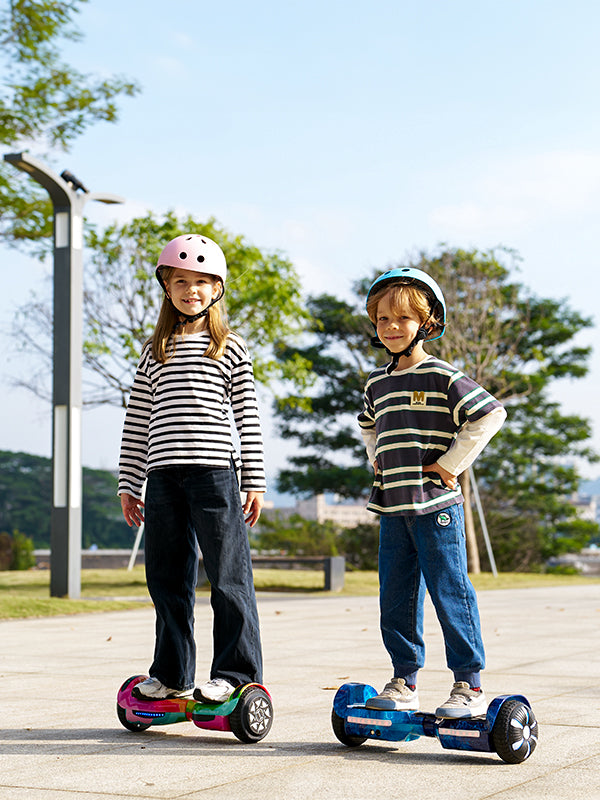
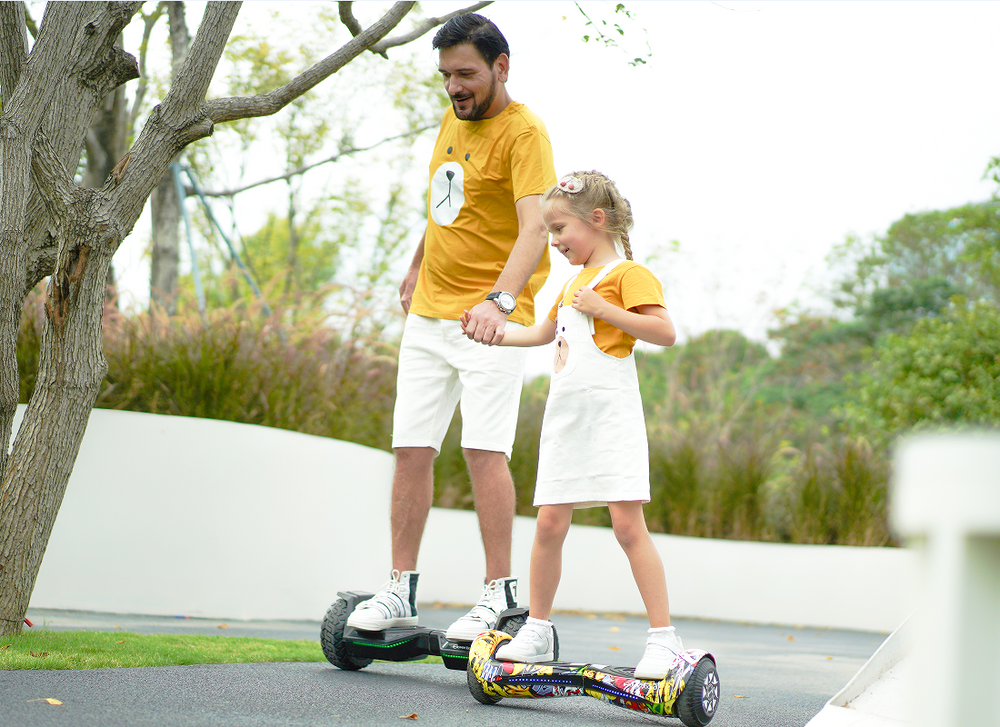
When I bought my first self-balancing board a few years back, I made a classic rookie mistake. I took a lightweight city model straight onto a damp patch of park grass, assuming those smooth wheels could roll over anything. Within two seconds, the board stalled in the turf, and I nearly did a front flip into a hedge. That embarrassing moment taught me a valuable lesson about matching your board to your actual riding surface. Deciding between an off road vs standard hoverboard comes down to where you plan to ride every single day. While sleek urban boards glide effortlessly across polished indoor floors and smooth tarmac, rugged all-terrain models use wide, deeply grooved tires and high-torque motors to tackle gravel paths, uneven park lawns, and cracked suburban pavements. In this detailed guide, we will break down wheel sizes, motor power, ground clearance, and real-world surface testing to help you choose the ultimate board for your daily adventures. At first glance, most self-balancing boards share a similar dual-deck shape, but their internal engineering and outer shells tell two entirely different stories. Standard hoverboards are designed with urban convenience and indoor play in mind. They feature compact body shells, lower ground clearance, and lightweight frames. These design choices make them agile, easy to carry, and simple to store, but they leave almost no room for handling rough terrain. In contrast, an all terrain hoverboard uk riders select for outdoor adventures is built like a compact off-roader. These heavy-duty models use reinforced aluminum subframes, wider wheel arches, and higher IP water-resistance ratings to handle unpredictable weather. When conducting a full off road hoverboard comparison, the biggest difference lies in how shock absorption and stability are engineered into the frame. Standard models rely on slim rubber tires that transmit every single pavement vibration straight into your feet and knees. All-terrain boards utilize wider wheel bases, heavy rubber treads, and solid alloy enclosures that absorb road chatter before it reaches your legs. If you want a complete breakdown on selecting the ideal board size and specification for your age group, take a look at our comprehensive guide on how to choose the right hoverboard. Understanding these structural distinctions protects your investment. Attempting to ride a standard city board across bumpy trails or gravel paths subjects the internal gyroscopes to severe vibration, causes sudden motor stalls, and rapidly drains the battery pack. Upgrading to a purpose-built off-road board ensures your ride has the structural durability required to conquer outdoor elements safely. The single most influential factor determining how a board handles rough ground is its wheel diameter and tread design. When evaluating a 6.5 inch vs 8.5 inch hoverboard, you are choosing between two completely distinct riding styles. Feature / Dimension Standard 6.5-Inch Hoverboard All-Terrain 8.5-Inch Hoverboard Primary Terrain Smooth tarmac, indoor floors, pavement Grass, packed gravel, dirt trails, cobbles Tire Design Smooth, solid rubber with shallow grooves Wide, deeply lugged off-road rubber treads Ground Clearance Low (~1.0 to 1.5 inches) High (~2.5 to 3.0 inches) Agility & Trick Potential High agility, sharp spinning radius High stability, superior traction control Rider Stance Width Narrow, compact stance Wide, grounded stance for balance The standard 6.5-inch solid rubber tire is lightweight and highly responsive on flat surfaces. Because these small wheels keep your feet close to the pavement, they offer a low center of gravity that feels nimble for quick spins and indoor carving. However, their compact diameter means that small twigs, raised paving slabs, or tree roots can cause the wheels to lock up suddenly. On the flip side, 8.5-inch all-terrain wheels feature heavy, directional tread grooves and a much broader contact patch. This wider footprint bites directly into loose soil and wet turf rather than skidding over the surface. The extra two inches of wheel height provides essential ground clearance, allowing the undercarriage frame to glide over garden debris without scraping. Finding the best hoverboard wheel size comes down to honest evaluation of your neighborhood. If 90% of your rides happen on flat concrete or indoor kitchen tiles, 6.5-inch wheels offer light, easy fun. But if your daily route involves park shortcuts or gravel driveways, stepping up to an 8.5-inch wheel gives you unmatched balance and riding confidence. Testing these boards on real-world surfaces quickly reveals where each design excels and where it falters. On smooth concrete driveways and indoor floorboards, standard 6.5-inch boards offer a snappy, responsive feel. They accelerate quickly, make sharp turns in tight living rooms, and feel light underfoot. However, taking a standard board onto outdoor surfaces presents immediate challenges: By comparison, an off-road board is engineered specifically as a hoverboard for grass and gravel. Equipping an 8.5-inch all-terrain model with aggressive, tractor-style tread allows it to channel water, mud, and loose dirt away from the tire contact patch. During outdoor testing, an 8.5-inch off-road board maintains steady forward momentum across damp lawns, packed dirt tracks, and uneven garden paths without losing grip or burning out its motors. The wider stance also gives you plenty of stability when transitioning from asphalt straight onto unpaved soil. Cruising over uneven ground requires far more than just big tires; it requires serious electrical torque. Rolling resistance on wet grass, soft sand, or loose gravel is significantly higher than on smooth asphalt, meaning the motors must work twice as hard to maintain balance and forward motion. Standard city hoverboards usually feature dual 200W or 250W motors (around 400W–500W total). While this wattage is perfectly adequate for level city pavements, encountering an incline or thick turf forces these smaller motors to draw massive current spikes from the battery. This strain generates heat and causes rapid power depletion. All-terrain hoverboards are powered by heavy-duty dual 400W motors (delivering 800W of total output) or higher. This high-torque configuration delivers immediate electrical punch to climb 10-to-15-degree inclines and drive through thick turf without losing momentum. To support these hungry motors, off-road boards are paired with high-capacity 36V lithium-ion battery packs built to deliver steady discharge under heavy loads. If you plan on taking long outdoor excursions through local parks, reading our practical look at all-terrain hoverboard battery range will help you calculate actual riding time on soft surfaces. To see how these specifications translate into actual choices, you can explore the full iHoverboard collection to compare how different designs cater to different rider needs: Selecting between an off-road model and a standard city board comes down to your primary riding location. If your goal is indoor cruising, gliding across smooth asphalt driveways, or keeping your board lightweight for easy carrying, a standard 6.5-inch hoverboard provides exceptional value, crisp turns, and lightweight portability. However, if you want the freedom to explore local park trails, cross garden lawns, ride over gravel paths, and navigate damp weather without worrying about getting stuck, an 8.5-inch all-terrain board is the clear winner. The added motor torque, increased ground clearance, and deeply grooved rubber tires deliver a safer, smoother, and vastly more versatile ride across every surface you encounter. Standard hoverboards with 6.5-inch wheels are not designed to ride on grass. Their low ground clearance causes the chassis to drag against grass blades, while their smooth, narrow tires lack the traction needed to maintain balance, which can quickly overheat the motors. Yes, all-terrain hoverboards are heavier than standard city models. While standard 6.5-inch hoverboards typically weigh around 5 to 8 kg, all-terrain 8.5-inch hoverboards weigh between 10 to 14 kg due to their larger dual motors, heavy-duty alloy frames, and thicker rubber tires. An all-terrain hoverboard is well worth the extra investment if you plan to ride outdoors on grass, gravel, dirt paths, or uneven pavements. The larger 8.5-inch tires, stronger motor torque, superior water resistance, and rugged frame construction provide a much safer, smoother ride and a significantly longer lifespan on rough ground.
Key Differences Between Standard and All-Terrain Hoverboards
Wheel Sizes & Tread Patterns: 6.5" vs 8.5" All-Terrain
Surface Performance: Pavements vs Grass, Gravel & Mud
Motor Power & Battery Requirements for Rough Terrain
Comparing Real-World Examples from the iHoverboard Collection
Final Verdict: Which Hoverboard Fits Your Ride?
Frequently Asked Questions
Can standard hoverboards ride on grass?
Are all-terrain hoverboards heavier than city models?
Is an all-terrain hoverboard worth the extra price?






Still, need help? Contact Us: support@ihoverboard.com
What's the option? Check out the option now!
Leave us a message