






















How Far Can You Really Go? A Practical Look at All Terrain Hoverboard Batterie
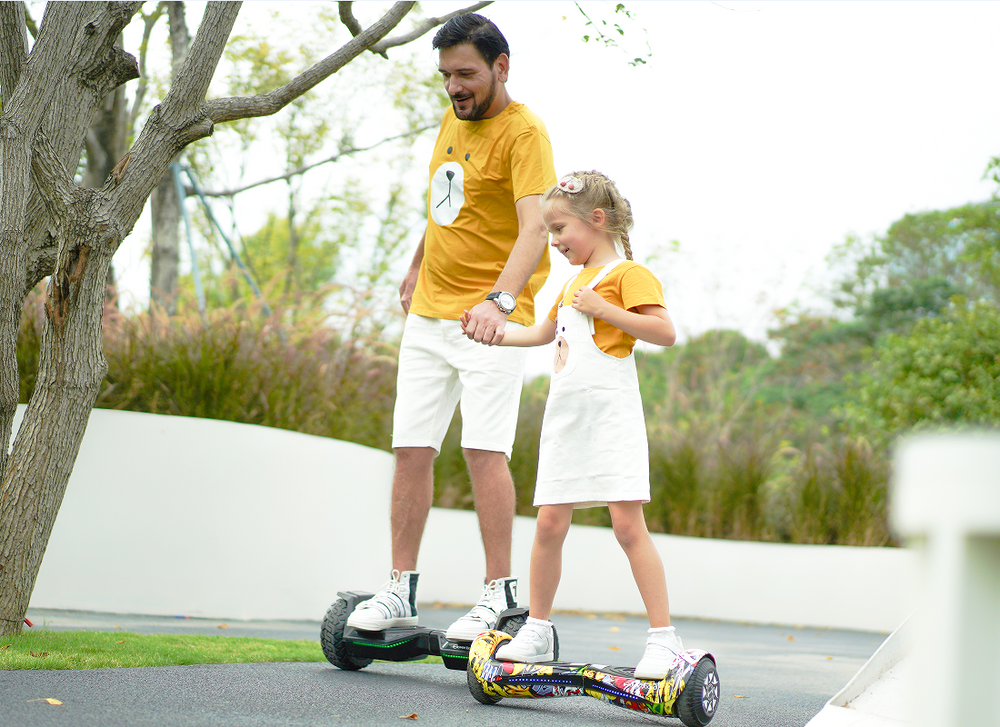
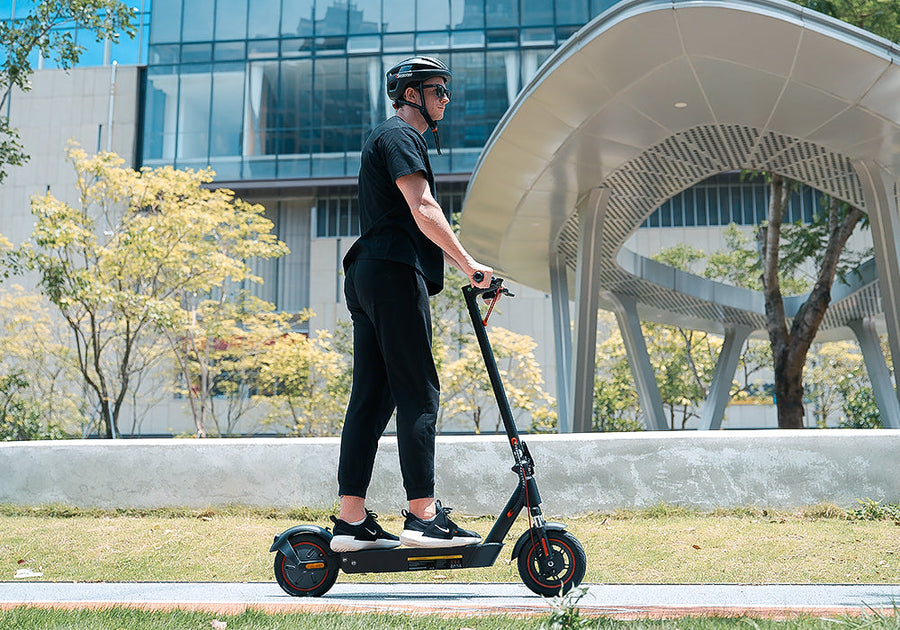
Venturing out onto a rugged trail without performing a baseline hardware check is a quick way to compromise your vehicle's efficiency and range. Unlike flat pavement, a rough terrain hoverboard encounters continuous physical resistance, meaning every component must be optimized before you power it on. First and foremost, you must verify the structural state of your battery pack. Lithium-ion cells operate through complex chemical reactions that are highly sensitive to internal pressure and ambient temperatures. Before setting off, ensure the battery has received a complete, uninterrupted charge cycle. Furthermore, you should evaluate the financial and performance specs of your gear. If you are still in the planning phase and deciding which model fits your budget, consulting a comprehensive pricing guide like How Much Is a Hoverboard? can help you identify which platforms offer high-capacity, certified battery arrays built for extended outdoor use. Finally, inspect the outer chassis for loose mudguards or debris buildup around the wheel axles, as hidden friction will force the motors to work twice as hard, rapidly draining your voltage. When you transition a terrain hoverboard from smooth concrete onto loose natural surfaces, your power consumption curves change dramatically. The mechanical energy required to sustain a constant speed is directly tied to a physical concept known as rolling resistance. Thick grass is one of the most demanding surfaces for any self-balancing machine. As the wide tires roll over a lawn, the individual blades of grass continuously compress under the board's weight, creating a soft, high-friction barrier. To maintain forward momentum, the internal motherboard must continuously pump high current into the dual brushless hub motors. This intense power draw can reduce your total riding range by up to 30% compared to smooth pavement, making a high-torque setup essential if you want the best all terrain hoverboard for backyard use. Gravel paths present a different mechanical challenge. Because the small stones shift continuously beneath the heavy tread blocks, the tires experience frequent microscopic slippage. Every time a tire loses a fraction of its grip, the internal tracking sensors over-correct by micro-adjusting motor speed hundreds of times per second. This constant, rapid fluctuation in torque places a heavy continuous load on the power cells. If you find that managing balance over loose stones is becoming too physically demanding for your knees, exploring a highly stable alternative like an Off-Road Electric Scooter can give you the continuous mechanical leverage of a handlebar while tackling wilder spaces. Surviving the high-drain environments of off-road trail riding requires a vehicle engineered from the ground up with high-quality electronics. Flimsy, unbranded budget devices often use low-grade battery cells that suffer from severe voltage drop the moment they encounter a steep hill or thick patch of mud. Choosing a rugged machine from the official Self Balancing Hoverboards collection at iHoverboard ensures your outdoor expeditions are backed by commercial-grade power management systems. Their top-tier off-road platforms utilize advanced, shock-isolated lithium-ion packs that maintain stable voltage outputs under intense structural loads. Whether you are letting younger teenagers explore open park fields on a nimble option from their Hoverboard For Kids line or tackling demanding country lanes yourself on an advanced Hoverboard For Adults model, these heavy-duty drivetrains provide the reliable torque and extended mileage needed to conquer real outdoor terrain safely. Unlocking the full potential of a heavy-duty hoverboard all terrain vehicle requires a smart balance of mechanical preparation and realistic range management. By understanding that soft grass, loose gravel, and steep inclines actively alter your power consumption curves, you can map out your local trail routes more intelligently and avoid running out of power far from home. Prioritizing certified, highly insulated battery arrays protects your vital motor controllers from sudden voltage drops, ensuring your platform remains completely steady and responsive across demanding paths. Keep your tire treads clean, maintain your power cells properly during the off-season, and enjoy the pure, uninhibited freedom of conquering the great outdoors with absolute confidence. Do all-terrain tires drain the battery significantly faster than smooth tires? Yes, all-terrain tires feature a wider contact patch and aggressive, deep-groove tread blocks designed to claw into soft soil and mud. While this structural shape provides excellent mechanical grip, it naturally creates higher rolling resistance than the narrow, smooth solid tires found on street models. This increased friction means the electric motors must draw more current to sustain the same velocity, resulting in a slightly faster battery drain even when riding on flat surfaces. Can you wash an all-terrain hoverboard with a standard garden hose? No, you should never blast an all-terrain board with a garden hose or a high-pressure jet wash. While premium off-road models feature excellent IP (Ingress Protection) water-resistance ratings like IP54—meaning they are fully protected against rain, wet grass dew, and minor mud splashes—they are not completely waterproof. Pressurized water from a hose can force its way past the rubber axle seals and compromise the internal circuit boards. Instead, clean your board by wiping down the hull with a damp microfiber cloth and using a stiff nylon brush to remove dried mud from the tire treads. What is the best way to store an all-terrain battery during the cold winter months? Lithium-ion cells degrade rapidly if they are left completely dead or exposed to freezing temperatures for long periods. If you plan to store your board away during the winter, charge the battery to roughly 50% to 60% capacity first. Store the machine inside a climate-controlled room away from direct dampness, and top up the charge once every month. Studying a dedicated Hoverboard Battery maintenance guide provides all the necessary steps to prevent permanent capacity loss during long seasonal breaks.What Should You Check Before Taking Your Board Off-Road?
More Than Pavements: Conquering Mud, Grass, and Gravel
The Heavy Toll of Thick Lawn Turf
Navigating Loose Gravel and Soft Dirt Paths
Why the iHoverboard All Terrain Series Deserves a Spot on Your Shortlist
Embracing the True Spirit of Off-Road Adventure
FAQs






Still, need help? Contact Us: support@ihoverboard.com
What's the option? Check out the option now!
Leave us a message