
















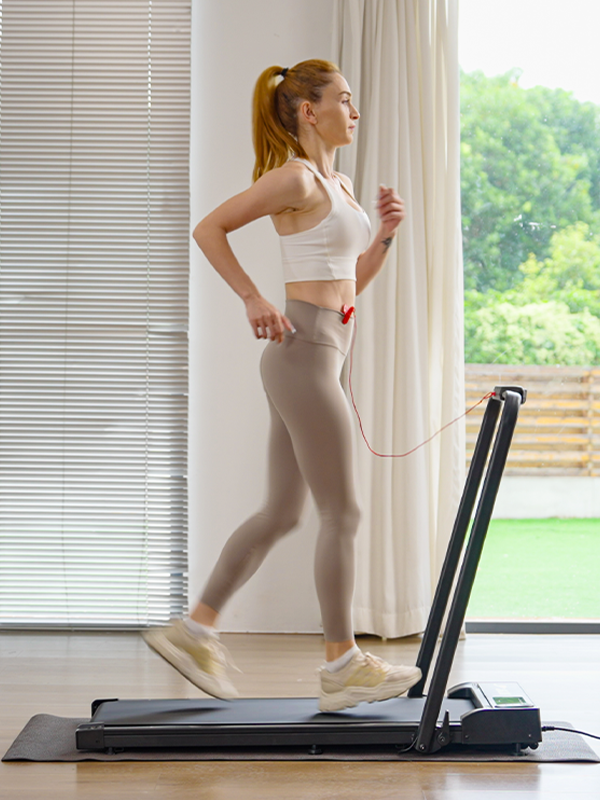





Is Treadmill Cardio? Benefits, Tips, and Safety Guide
Is Treadmill Cardio? Benefits, Tips, and Safety Guide
Many people ask, “is treadmill cardio?” The answer is yes—treadmill workouts are an effective form of cardiovascular exercise that strengthens your heart, improves endurance, and burns calories efficiently. Whether you are walking, jogging, or running, treadmill cardio offers a convenient, weather-independent way to stay active. In this guide, we’ll explore the key benefits, practical tips, and safety strategies to help you get the most out of every treadmill session.
What Is Cardio Exercise and How Does Treadmill Running Fit In?
What Is Cardio?
Cardiovascular exercise, or cardio, is any activity that raises your heart rate and keeps it elevated for a sustained period. Its main benefits include:
-
Strengthening the heart and lungs
-
Improving blood circulation
-
Increasing endurance and stamina
-
Burning calories and supporting weight management
Common forms of cardio include running, cycling, swimming, and aerobic workouts.
Why Treadmill Running Is Cardio
Treadmill running is a perfect example of cardio because it consistently elevates your heart rate while engaging major muscle groups. Key points include:
-
Adjustable intensity: You can control speed, incline, and duration to match your fitness level.
-
Full-body engagement: Works quadriceps, calves, and glutes similarly to outdoor running.
-
Consistency: Provides a controlled environment, ideal for maintaining a regular cardio routine.
Additional Benefits of Treadmill Cardio
-
Weather-independent: Exercise anytime without worrying about rain, heat, or uneven terrain.
-
Customizable workouts: From walking to high-speed runs, you can tailor sessions to your goals.
-
Safe and controlled: Reduces risk of injury compared to unpredictable outdoor surfaces.
Summary
In short, treadmill workouts fit perfectly into the definition of cardio. They elevate heart rate, strengthen key muscles, and provide a convenient, customizable way to improve cardiovascular health. Whether your goal is weight loss, endurance, or overall fitness, treadmill cardio is an effective solution for any level.
2 Key Benefits of Treadmill Cardio
Treadmill cardio offers many advantages, making it a popular choice for people looking to improve fitness, burn calories, and maintain a consistent exercise routine. Here are two of the most important benefits:
1. Control Difficulty and Intensity
One of the biggest advantages of treadmill cardio is that you have full control over the difficulty of your workout. Unlike running outdoors, where terrain, weather, and traffic can affect your performance, a treadmill allows you to:
-
Adjust the speed: Choose a slow walk, brisk walk, jog, or full-speed run depending on your fitness level.
-
Set the incline: Simulate hills or slopes to increase intensity and engage more muscles.
-
Track time and distance: Keep a consistent pace and monitor progress using the treadmill display.
This level of control makes treadmill cardio suitable for everyone, from beginners just starting out to advanced runners looking for a challenging session. By gradually increasing speed or incline, you can improve endurance, burn more calories, and keep your heart rate within the optimal cardio zone.
2. Exercise Anytime, Regardless of Weather
Another major benefit of treadmill cardio is its convenience. Weather, daylight, and outdoor conditions won’t stop your workout. With a treadmill, you can:
-
Run indoors safely: Avoid icy, rainy, or uneven surfaces that could increase injury risk.
-
Maintain a consistent schedule: Morning, evening, or late-night sessions are all possible.
-
Adapt to your environment: No need to worry about traffic, sidewalks, or crowded outdoor trails.
This makes treadmill cardio ideal for people with busy schedules, unpredictable weather, or limited access to outdoor running spaces. The convenience factor also helps maintain long-term consistency, which is key to seeing real cardiovascular and fitness improvements.
Summary
In short, treadmill cardio is highly effective because it lets you customize intensity and exercise consistently regardless of external factors. These benefits make treadmill workouts a practical, flexible, and reliable option for anyone looking to improve heart health, build endurance, and burn calories efficiently.
2 Potential Downsides of Treadmill Cardio
While treadmill cardio is highly effective for improving fitness and burning calories, it’s important to understand its potential drawbacks. Knowing these can help you plan your workouts better and prevent injury or boredom. Here are two key downsides:
1. Limited Muscle Engagement
Running on a treadmill does not fully replicate the natural mechanics of outdoor running. The moving belt assists with leg propulsion, which changes how some muscles work:
-
Reduced hamstring activation: Outdoors, your hamstrings actively help push your legs back with each stride, but on a treadmill, the belt does much of this work for you.
-
Less glute engagement: Your glutes may not work as hard compared to running on hills or uneven terrain outdoors.
-
Quadriceps dominance: Treadmill running emphasizes your quads to push off, which can create muscle imbalances if treadmill sessions are your only form of cardio.
Tip: To balance muscle activation, incorporate cross-training exercises like squats, lunges, or resistance training for glutes and hamstrings alongside treadmill cardio.
2. Repetitive and Less Stimulating
Another downside of treadmill cardio is that it can feel monotonous, especially if you run for long periods:
-
Limited visual stimulation: Unlike outdoor running, you are often staring at walls or a single environment, which can make sessions feel repetitive.
-
Motivation challenges: Without changing scenery or natural milestones, it can be harder to push yourself to finish strong.
-
Mental fatigue: Boredom can lead to shorter or less intense workouts over time.
Tip: Make treadmill cardio more engaging by using:
-
Incline variations to simulate hills and terrain changes
-
Virtual running programs or first-person POV videos
-
Music playlists, podcasts, or shows to keep your mind focused and entertained
Summary
In conclusion, while treadmill cardio is effective, it has potential downsides: muscle engagement may be limited, and long sessions can become repetitive. By combining treadmill workouts with strength training and using creative strategies to stay motivated, you can minimize these drawbacks and enjoy a more balanced, effective cardio routine.
Tips to Maximize Treadmill Cardio Effectiveness
Treadmill cardio can be highly effective when done correctly, but to get the most out of your workouts, it’s important to focus on intensity, technique, and variety. Here are practical tips to help you maximize the benefits:
1. Warm Up and Cool Down Properly
Starting your treadmill session with a warm-up and ending with a cool-down is essential for preventing injuries and improving performance:
-
Warm-up: Begin with 5–10 minutes of brisk walking or light jogging to gradually increase your heart rate and loosen muscles.
-
Cool-down: Finish with 5–10 minutes of slow walking to help your heart rate return to normal and reduce post-workout stiffness.
-
Stretching: After cooling down, focus on hamstrings, quads, calves, and glutes to maintain flexibility and avoid tightness.
2. Maintain Proper Running Form
Correct form improves efficiency and reduces the risk of injury:
-
Foot strike: Aim to land with your midfoot rather than your heel to reduce impact.
-
Posture: Lean slightly forward from your ankles, not your waist, and keep your chest up.
-
Arm movement: Keep elbows at a 90-degree angle and swing your arms naturally.
-
Relax: Avoid tensing your shoulders or hands—relax for smoother movement.
3. Use Treadmill Features Strategically
Modern treadmills come with features that can make your cardio sessions more effective and varied:
-
Incline: Simulate hills to increase calorie burn and engage more muscles.
-
Speed variations: Alternate between walking, jogging, and running to challenge your cardiovascular system.
-
Programs: Pre-set treadmill workouts can provide interval training or virtual courses to keep sessions engaging.
4. Incorporate Interval Training
High-Intensity Interval Training (HIIT) on the treadmill can boost cardio benefits and calorie burn:
-
Alternate periods of high-intensity running with recovery periods of slower walking or jogging.
-
Example: 1 minute sprint, 2 minutes brisk walk—repeat for 20–30 minutes.
-
Interval training improves heart health, stamina, and fat loss faster than steady-state workouts alone.
5. Cross-Train for Balanced Muscle Development
Treadmill cardio primarily works your quads, calves, and glutes. To avoid imbalances:
-
Include strength training exercises targeting hamstrings, glutes, core, and back.
-
Try resistance bands, squats, lunges, or bodyweight exercises 2–3 times per week.
-
Balanced training improves running efficiency and reduces risk of injury.
6. Track Your Progress
Monitoring performance helps maintain motivation and ensures you’re getting the most from your workouts:
-
Use treadmill metrics like distance, speed, incline, and calories burned.
-
Track heart rate to stay in the optimal cardio zone (usually 50–85% of your maximum heart rate).
-
Set weekly or monthly goals to gradually increase endurance and challenge yourself.
Summary
To maximize treadmill cardio effectiveness, focus on proper warm-up, running form, and using treadmill features, while incorporating interval training, cross-training, and progress tracking. These strategies help you get the most out of each session, improve cardiovascular health, burn calories efficiently, and reduce injury risk.
Safety Tips for Treadmill Cardio
Treadmill cardio is a convenient and effective way to improve fitness, but it carries a risk of injury if safety precautions are ignored. By following simple safety tips, you can enjoy a productive and injury-free workout.
1. Set Up Your Treadmill Safely
-
Choose a clear space: Ensure there’s enough room around your treadmill to avoid hitting walls or objects.
-
Level the treadmill: Make sure the machine is on a flat surface to prevent wobbling.
-
Check the machine: Inspect the belt, incline mechanism, and emergency stop feature before use.
2. Start Slowly and Progress Gradually
-
Warm-up first: Begin with a few minutes of walking to gradually increase your heart rate.
-
Increase intensity gradually: Don’t jump into high-speed runs or steep inclines immediately—your muscles and joints need time to adapt.
-
Avoid overexertion: Listen to your body and stop if you feel pain, dizziness, or unusual discomfort.
3. Use the Emergency Stop Feature
-
Most treadmills have a safety clip that stops the machine if you fall or move too far back.
-
Always attach the clip to your clothing before starting a workout.
-
Familiarize yourself with the stop button and how to safely step off in an emergency.
4. Maintain Proper Running Form
-
Avoid leaning on the treadmill handles excessively, as this can strain your back and reduce cardio effectiveness.
-
Keep your chest up, shoulders relaxed, and arms swinging naturally.
-
Focus on a midfoot strike to minimize impact on knees and joints.
5. Wear Proper Footwear
-
Use well-fitting athletic shoes with adequate cushioning and support.
-
Avoid running barefoot or in unsupportive shoes, which can increase the risk of injury.
6. Stay Hydrated and Mind Your Environment
-
Keep water nearby to prevent dehydration, especially during longer sessions.
-
Ensure the room is well-ventilated to avoid overheating.
7. Alternate Workouts Post-Injury
-
If you’re returning from an injury, ease back into cardio gradually.
-
Mix treadmill sessions with lower-impact exercises like swimming, cycling, or walking outdoors.
-
Avoid pushing too hard, as this can delay recovery or cause re-injury.
8. Monitor Your Heart Rate
-
Staying in your target heart rate zone ensures a safe and effective workout.
-
Avoid exceeding your maximum heart rate, especially during high-intensity interval sessions.
Summary
Treadmill cardio is safe when you set up your machine properly, progress gradually, maintain correct form, and use safety features. Pair these precautions with hydration, proper footwear, and mindful monitoring of your heart rate to reduce injury risk and enjoy a more effective workout.
Conclusion
In conclusion, treadmill workouts are a highly effective form of cardiovascular exercise. They elevate your heart rate, improve endurance, and burn calories just like outdoor running. The ability to control speed, incline, and duration makes treadmill cardio adaptable for beginners and advanced users alike, while the convenience of indoor exercise ensures you can maintain a consistent routine regardless of weather or time constraints.
While treadmill cardio has potential downsides—like limited muscle engagement and the risk of boredom—these can be easily managed with cross-training, incline variations, interval workouts, and engaging treadmill programs. By following proper form, safety measures, and warm-up routines, you can maximize benefits while minimizing injury risk.
Ultimately, treadmill cardio is more than just a convenient workout; it’s a reliable way to strengthen your heart, improve overall fitness, and stay motivated on your path to better health. Whether your goal is weight loss, endurance, or overall cardiovascular health, incorporating treadmill workouts into your routine is a practical and effective solution.










Still, need help? Contact Us: support@ihoverboard.com
What's the option? Check out the option now!
Leave us a message