




















![Is It Easier to Run on a Treadmill? [Expert Guide & Tips]](http://www.ihoverboard.co.uk/cdn/shop/articles/jt52-app-1_{width}x.jpg?v=1773130021)
Is It Easier to Run on a Treadmill? [Expert Guide & Tips]
Is It Easier to Run on a Treadmill? [Expert Guide & Tips]
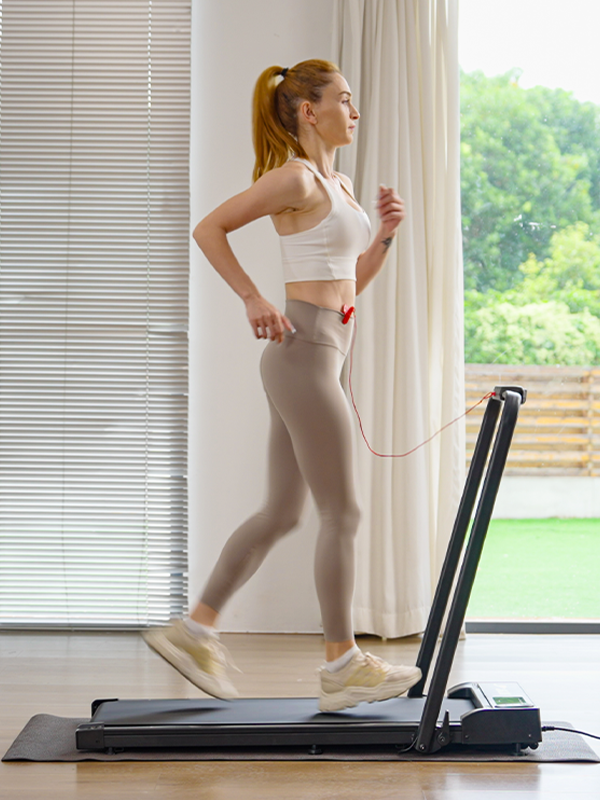
Running is one of the most popular ways to stay fit, but many people wonder, is it easier to run on a treadmill compared to running outside. Treadmills offer a controlled environment, cushioned surface, and adjustable pace, which can make workouts feel smoother and less demanding. However, outdoor running challenges your body with varying terrain, wind resistance, and natural obstacles. In this guide, we’ll explore the physical and mental differences between treadmill and outdoor running, helping you decide which option works best for your training goals.
Why People Ask: Is It Easier to Run on a Treadmill?
Many runners often ask, “is it easier to run on a treadmill?”, and the reasons are both physical and mental. Here’s why:
-
Controlled Environment
-
The treadmill removes external factors like wind, uneven terrain, or traffic.
-
A predictable running surface makes workouts feel smoother and more manageable.
-
Assisted Stride
-
The moving belt helps propel your legs forward, reducing some of the effort needed compared to outdoor running.
-
This subtle support can make treadmill running feel easier, especially for beginners.
-
Mental Simplicity
-
No need to navigate obstacles, slopes, or sudden changes in terrain.
-
You can focus entirely on pace, distance, or heart rate, which reduces mental fatigue.
-
Precise Workout Control
-
Treadmills allow you to set exact speed, incline, and intervals.
-
Maintaining a consistent pace without worrying about uphill or downhill variations feels easier and more structured.
In short, treadmill running often feels easier because it eliminates environmental challenges, supports your stride, and allows precise control over your workout. Whether it’s truly easier depends on your fitness level, running experience, and goals—but it’s clear why so many runners ask this question.
Is It Physically Easier to Run on a Treadmill?
When considering “is it easier to run on a treadmill”, many people focus on the physical differences between treadmill and outdoor running. While both forms of running provide cardiovascular benefits, the treadmill can change how your body works in subtle but important ways.
1. Belt Assistance Reduces Effort
-
On a treadmill, the moving belt helps pull your feet backward with each step.
-
This reduces the amount of propulsion your legs must generate, making each stride feel slightly easier than running on solid ground.
-
For beginners or those recovering from injury, this support can make treadmill running less physically demanding.
2. Consistent Surface Lowers Impact
-
Treadmills have cushioned belts designed to absorb shock.
-
Running outside involves harder surfaces like asphalt or concrete, which increases ground reaction forces on your bones and joints.
-
This cushioning can make treadmill running feel easier on your knees, ankles, and hips, especially during longer workouts.
3. Incline Control vs. Natural Terrain
-
Treadmills allow you to set a steady incline to simulate hills, but the range is limited.
-
Outdoor running requires adjusting constantly to slopes, uneven pavement, or obstacles, which engages more muscles and increases overall effort.
-
Because you don’t need to adjust constantly on a treadmill, the physical load can feel lighter.
4. Muscle Engagement Differences
-
Running outdoors requires stabilizing your body for turns, uneven surfaces, and varying foot placements.
-
Treadmill running is linear and predictable, so certain stabilizing muscles are less active.
-
While this can make running physically easier, it also means outdoor running develops more overall strength and balance.
5. Energy Expenditure
-
Studies show that running on a treadmill at a 1% incline roughly matches the energy expenditure of outdoor running on flat terrain.
-
However, wind resistance, surface changes, and real-life terrain outdoors often require slightly more effort.
-
For many runners, this contributes to the perception that treadmill running is physically easier.
Summary:
Physically, treadmill running often feels easier because the belt assists your stride, the cushioned surface reduces impact, and the environment is controlled. However, this doesn’t mean treadmill workouts are less effective—they still provide excellent cardiovascular training—but they engage certain muscles differently compared to outdoor running.
Is It Mentally Easier to Run on a Treadmill?
Many runners wonder “is it easier to run on a treadmill” not just physically, but mentally. The mental aspect of running—staying motivated, maintaining focus, and managing boredom—can make a big difference in how easy or hard a run feels. Treadmills offer several mental advantages that can make running feel simpler and more controlled.
1. Predictable Environment Reduces Mental Stress
-
Outdoor running requires constant awareness of terrain, traffic, and weather conditions.
-
On a treadmill, the environment is consistent: no sudden obstacles, uneven surfaces, or changes in temperature.
-
This predictability allows you to concentrate solely on your pace, breathing, and form.
2. Structured Workouts Boost Focus
-
Treadmills make it easy to follow specific speed, incline, or interval plans.
-
You don’t have to constantly check your watch or GPS, which reduces mental distractions.
-
Many runners find it motivating to stick precisely to a set plan without worrying about environmental changes, making workouts feel smoother.
3. Reduces Anxiety About Safety
-
Outdoor runners often worry about safety factors like running in the dark, on busy roads, or in extreme weather.
-
A treadmill eliminates these concerns, allowing runners to focus purely on the mental and physical aspects of their workout.
-
This sense of security can make treadmill running feel easier, especially for beginners or those returning from injury.
4. Easier to Push Through Fatigue
-
Because the treadmill provides a controlled pace and steady surface, runners can maintain consistent effort even when tired.
-
Outdoors, fatigue can be amplified by wind resistance, hills, or rough terrain, which can make running feel mentally tougher.
-
Knowing the treadmill will keep the pace steady can help runners stay committed to completing their workout.
5. Entertainment and Distraction Options
-
Many treadmills allow you to watch shows, listen to music, or follow virtual running apps.
-
These distractions can reduce perceived effort and make longer sessions more manageable mentally.
-
Outdoor runs often lack this kind of controlled entertainment, requiring more mental focus on the environment.
Summary:
Mentally, treadmill running is often easier because it removes external distractions, allows precise control, and provides a safer, more predictable environment. While outdoor running develops mental resilience and adaptability, treadmills can make it simpler for many runners to stay focused, motivated, and consistent.
Treadmill vs Outdoor Running: Energy and Effort Comparison
When asking “is it easier to run on a treadmill”, one of the most important considerations is energy expenditure and physical effort. While treadmill and outdoor running provide similar cardiovascular benefits, the way your body works and the effort it requires can differ. Understanding these differences helps explain why treadmill running often feels easier to some runners.
1. Calorie Burn and Cardiovascular Demand
-
Research shows that running outdoors generally burns slightly more calories than running on a treadmill at the same speed.
-
Wind resistance, variations in terrain, and natural changes in pace outdoors increase energy expenditure.
-
On a treadmill, the moving belt assists your stride and eliminates wind resistance, which can make running feel less physically demanding.
2. VO₂ Max and Oxygen Use
-
VO₂ max, the maximum oxygen your body can use during exercise, is a key measure of cardiovascular effort.
-
Studies indicate that treadmill running at a 1% incline closely matches outdoor running in terms of VO₂ max for most runners.
-
This means that while treadmill running may feel easier, your body is still getting a very similar cardiovascular workout.
3. Impact of Terrain on Effort
-
Outdoor running involves hills, slopes, and uneven surfaces, which engage more muscles and require additional energy.
-
You must constantly adjust your stride, balance, and foot placement to handle these variations.
-
Treadmill running is linear and smooth, reducing the need for extra energy to stabilize or adjust, which can make running feel easier physically.
4. Wind Resistance and Environmental Factors
-
Running into wind outdoors increases effort, while running with the wind decreases it.
-
Treadmills remove these variables entirely, providing a controlled pace without fluctuations caused by weather.
-
This control can reduce perceived effort, even though your cardiovascular system is still working efficiently.
5. Muscle Engagement Differences
-
Outdoor running activates more stabilizing muscles due to uneven terrain, obstacles, and changes in elevation.
-
Treadmill running primarily works your leg muscles in a repetitive, straight-line motion.
-
The reduced muscle engagement on a treadmill can make running feel easier, but it may not challenge your body in the same way as outdoor terrain.
Summary:
In terms of energy and effort, treadmill running often feels easier because it eliminates wind resistance, provides a cushioned and predictable surface, and reduces muscle stabilization demands. However, your cardiovascular system is still actively working, and running on a treadmill at the right incline can closely match outdoor effort. The perception of ease comes mainly from the controlled environment and reduced physical variability.
Does Running on a Treadmill Make Training Easier or Better?
Many runners ask “is it easier to run on a treadmill” because they want to know if using a treadmill can improve training efficiency or performance. The answer depends on the type of training, your fitness goals, and how you use the treadmill in your routine. While treadmill running may feel easier, it offers several advantages that can actually enhance your training.
1. Controlled Speed and Pacing
-
Treadmills allow you to set an exact speed, helping maintain consistent pacing throughout your workout.
-
This is especially useful for interval training, tempo runs, or preparing for races where pacing is critical.
-
By reducing the mental effort needed to monitor your pace, treadmill running can make training sessions feel smoother and more productive.
2. Incline Training for Strength
-
Most treadmills offer adjustable inclines, which let you simulate uphill running indoors.
-
Incline running strengthens leg muscles, improves cardiovascular endurance, and helps prepare for hilly race courses.
-
While outdoor hills can vary in steepness and require constant adjustment, treadmill inclines provide a controlled way to increase intensity gradually.
3. Recovery and Injury Prevention
-
The cushioned treadmill surface reduces impact on joints compared to asphalt or concrete, making it easier to recover from intense workouts.
-
Beginners or runners coming back from injury can safely build mileage without the added stress of outdoor terrain.
-
By lowering impact and stabilizing the running environment, treadmill running makes consistent training more accessible and sustainable.
4. Consistency in Training
-
Outdoor conditions like wind, rain, or extreme temperatures can disrupt workouts and make running feel harder.
-
A treadmill ensures you can train consistently, regardless of weather or time of day.
-
Consistent training is a key factor in building endurance, strength, and overall performance, even if the perceived effort feels easier.
5. Mental Focus and Goal-Oriented Workouts
-
Treadmills allow you to focus on specific training goals such as maintaining a target heart rate, completing intervals, or hitting a mileage goal.
-
This controlled setting reduces mental distractions and helps you track progress more accurately.
-
For many runners, this makes treadmill training not only easier but also more effective in achieving structured fitness goals.
Summary:
While treadmill running can feel easier than outdoor running, it doesn’t make training less effective. On the contrary, it offers advantages for pacing, incline work, recovery, consistency, and mental focus. For runners seeking structured workouts or a safer, lower-impact environment, treadmill running can make training both easier and better—especially when used alongside outdoor runs for a well-rounded routine.
Conclusion
So, is it easier to run on a treadmill? The answer is both yes and no. Physically, treadmill running often feels easier due to the moving belt, cushioned surface, and controlled environment. Mentally, it reduces distractions, safety concerns, and pacing challenges, making workouts more manageable for many runners.
However, outdoor running offers its own unique benefits—engaging more muscles, building stronger bones, and improving adaptability to varying terrain and weather. For runners training for races or looking to challenge their endurance, outdoor running is essential.
The best approach is to combine treadmill and outdoor running based on your goals, fitness level, and circumstances. Use the treadmill for structured workouts, injury recovery, or convenience, and take to the outdoors to strengthen your body, boost mental resilience, and experience the natural elements of running.
In the end, treadmill running can make training easier, but outdoor running ensures a complete, balanced, and effective workout routine. By understanding the differences, you can choose the right combination to meet your fitness goals while enjoying the benefits of both.
FAQs
Is it easier to run 5K on a treadmill?
Running a 5K on a treadmill often feels easier than running the same distance outdoors. The moving belt assists your stride, the surface is cushioned, and there’s no wind resistance or uneven terrain. However, the cardiovascular effort is similar to outdoor running if you set the treadmill to a 1% incline. Beginners and those recovering from injury may find a treadmill more manageable for completing a 5K, while outdoor runners experience additional muscle engagement and environmental challenges.
Is it easier to run on a treadmill or harder?
Whether treadmill running is easier or harder depends on your perspective. Many runners find it easier mentally and physically because the pace is controlled, the environment is predictable, and the cushioned belt reduces impact. On the other hand, outdoor running requires more energy to navigate hills, wind, and uneven terrain, making it feel harder despite offering similar cardiovascular benefits.
Does a treadmill make you run faster?
A treadmill can help you maintain a consistent pace, which may allow you to run faster compared to running outdoors, especially for tempo or interval workouts. The controlled environment reduces distractions and effort from stabilizing your stride, helping you focus on speed. For some runners, treadmill training translates into improved outdoor performance over time.
How fast is 7.0 on a treadmill?
A treadmill speed of 7.0 typically refers to 7 miles per hour (mph), which equals a pace of approximately 8 minutes and 34 seconds per mile or 5 minutes and 20 seconds per kilometer. This is considered a moderate to fast running speed for most recreational runners, depending on individual fitness levels. At this pace, a treadmill run can feel challenging but is easier to maintain consistently compared to outdoor running due to the controlled conditions.









Still, need help? Contact Us: support@ihoverboard.com
What's the option? Check out the option now!
Leave us a message