














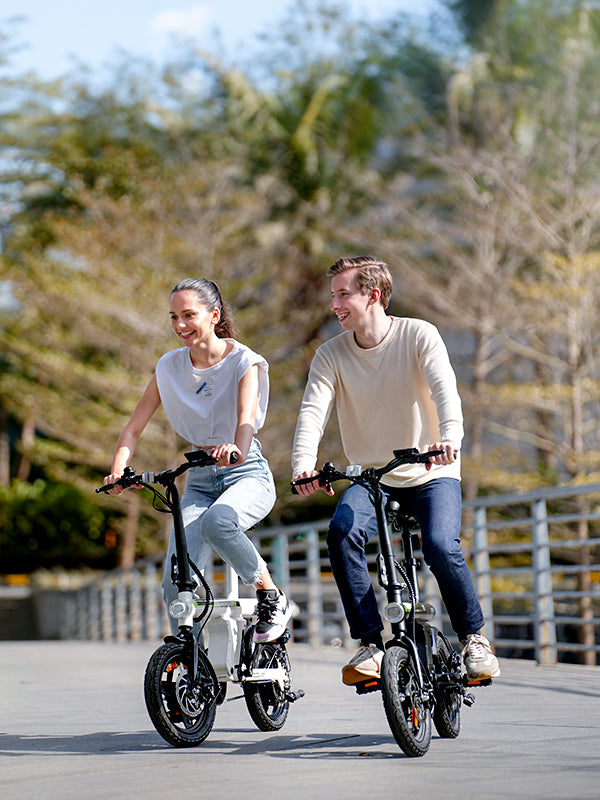







How Long Do Electric Bike Batteries Last? Lifespan Guide
How Long Do Electric Bike Batteries Last? Lifespan Guide
Electric bikes are becoming a popular choice for commuting and leisure, but many riders still ask how long do electric bike batteries last in real-world use. Battery lifespan plays a major role in performance, range, and long-term ownership costs. While most electric bike batteries are designed to last for years, their longevity depends on how they are used, charged, and maintained. This guide explains what to expect, what affects battery life, and how to maximise performance over time.
How Long Do Electric Bike Batteries Last on Average?
On average, how long do electric bike batteries last depends on both time and usage, but most riders can expect a lifespan of 3 to 9 years. This estimate is based on battery quality, riding habits, charging routines, and environmental conditions. Rather than failing suddenly, electric bike batteries gradually lose capacity over time.
To make this easier to understand, it helps to break battery lifespan into years, charge cycles, and real-world riding distance.
Average Lifespan in Years
Most modern electric bikes use lithium-ion batteries, which are designed for long-term use. Under normal riding and proper care:
-
Light or occasional riders: 6–9 years
-
Regular commuters: 4–6 years
-
Heavy or daily riders: 3–5 years
Even after several years, the battery usually still works—it simply holds less charge than when it was new.
Average Lifespan in Charge Cycles
Another way to measure how long electric bike batteries last is by charge cycles. One full charge cycle equals using 100% of the battery’s capacity, whether in one ride or several partial rides.
-
Typical lifespan: 500–1,000 full charge cycles
-
Partial charging helps extend overall battery life
-
Frequent full discharges reduce long-term performance
Most riders never notice individual cycles, but consistent charging habits play a major role in longevity.
Average Mileage Before Noticeable Decline
Battery lifespan can also be estimated by distance ridden:
-
Average range per charge: 25–50 miles (40–80 km)
-
Total lifetime distance: 15,000–40,000 miles (24,000–64,000 km)
As the battery ages, range gradually decreases, meaning you may need to charge more often even though the battery is still functional.
What “End of Life” Really Means
When discussing how long do electric bike batteries last, it’s important to understand that “end of life” does not mean the battery stops working. Instead, it usually means:
-
Capacity drops to around 60–70% of the original
-
Riding range becomes noticeably shorter
-
Charging frequency increases
At this point, many riders choose to replace the battery for convenience, not because the bike is unusable.
Key Takeaway
On average, how long electric bike batteries last is measured in several years of reliable use, not months. With good charging habits, moderate riding conditions, and proper storage, an electric bike battery can remain dependable for a long time before replacement is needed.
What Affects How Long Electric Bike Batteries Last?
If you’re wondering how long do electric bike batteries last, the answer depends heavily on how the battery is used, charged, and cared for over time. Even batteries with the same capacity can age very differently based on several key factors. To make this easier to browse, the most important influences are broken down below.
Battery Type and Cell Quality
The quality of the battery itself plays a major role in how long electric bike batteries last.
-
Most modern electric bikes use lithium-ion batteries, which offer better energy density and longer lifespans
-
High-quality cells degrade more slowly and maintain stable performance
-
Poor-quality cells lose capacity faster, even with proper care
A well-built battery ages gradually, while lower-quality batteries may show noticeable range loss much sooner.
Charging Habits and Power Cycles
How you charge your battery directly affects how long electric bike batteries last.
-
Frequent full discharges to 0% increase battery stress
-
Keeping charge levels between 20% and 80% helps extend lifespan
-
Occasional partial charging is healthier than always charging to 100%
Smart charging habits reduce internal wear and slow down long-term capacity loss.
Riding Style and Usage Frequency
Your riding behaviour has a strong impact on how long electric bike batteries last.
-
Aggressive acceleration drains power faster
-
Constant high-assist modes increase battery strain
-
Daily long-distance riding uses more charge cycles per year
Smooth acceleration and moderate assist levels help preserve battery health over time.
Rider Weight, Cargo, and Terrain
Extra load and riding conditions significantly influence battery longevity.
-
Carrying heavy riders or cargo increases power demand
-
Steep hills and frequent stops consume more energy
-
Flat routes place less stress on the battery system
The more effort the motor and battery must deliver, the faster long-term degradation occurs.
Weather and Temperature Conditions
Environmental conditions play a critical role in how long electric bike batteries last.
-
Cold temperatures temporarily reduce battery range
-
Excessive heat accelerates permanent battery wear
-
Ideal operating temperature is roughly 10°C–25°C
Storing and charging the battery in extreme temperatures can shorten its usable life.
Storage Habits When Not in Use
Improper storage is a common reason batteries fail early.
-
Long-term storage at 0% or 100% damages battery cells
-
Best storage level is around 40%–60% charge
-
Cool, dry indoor storage prevents chemical degradation
Good storage habits are especially important during winter or long breaks from riding.
Maintenance and Electrical System Care
Battery lifespan is also affected by overall e-bike maintenance.
-
Loose connections cause inefficient power transfer
-
Dirty contacts increase resistance and heat
-
Regular system checks prevent avoidable battery stress
A well-maintained electric bike allows the battery to operate efficiently and last longer.
Key Summary
When evaluating how long do electric bike batteries last, it’s clear that lifespan is not fixed. Battery quality, charging habits, riding style, environmental conditions, and storage practices all work together to determine how many years of reliable performance you’ll get.
Signs Your Electric Bike Battery Is Wearing Out
Understanding how long do electric bike batteries last also means knowing when a battery is approaching the end of its useful life. Electric bike batteries usually wear out gradually, not suddenly. The signs below make it easy to spot battery ageing early without technical knowledge.
Reduced Riding Range
One of the earliest signs is a noticeable drop in range.
-
The bike no longer travels as far on a full charge
-
You need to recharge more frequently than before
-
Short trips consume more battery than expected
This happens as battery capacity naturally declines over time.
Battery Drains Faster Than Usual
If the battery percentage falls quickly during rides, it may be wearing out.
-
Rapid drops from high to low charge levels
-
Inconsistent battery readings
-
Power decreasing earlier in the ride
This is a common indicator that the cells can no longer hold energy efficiently.
Longer Charging Times
As batteries age, charging behaviour can change.
-
Battery takes noticeably longer to reach full charge
-
Charging slows down near the end of the cycle
-
Battery never seems to reach 100% capacity
Extended charging times often signal internal degradation.
Sudden Power Loss or Cut-Offs
Ageing batteries may struggle to deliver stable power.
-
Motor cuts out under load or on hills
-
Power drops unexpectedly even with charge remaining
-
Performance feels weaker at higher assist levels
This usually occurs when older cells cannot supply consistent voltage.
Battery Warning Alerts or Error Messages
Some electric bikes display battery health alerts.
-
Battery warning lights appear more often
-
Error messages related to power delivery
-
Reduced assistance modes triggered automatically
These alerts are designed to protect the system and indicate declining battery health.
Key Takeaway
When assessing how long electric bike batteries last, these signs show that the battery is nearing the point where replacement may be worth considering. Early detection helps you plan ahead and avoid unexpected performance issues.
How iHoverboard Designs Electric Bike Batteries for Long-Term Use
When riders ask how long do electric bike batteries last, the answer depends not only on usage but also on how the battery is designed. iHoverboard focuses on durability, safety, and everyday practicality to ensure its electric bike batteries deliver reliable performance year after year.
To keep this easy to browse, here’s how iHoverboard approaches long-term battery design.
High-Quality Lithium Battery Systems
All iHoverboard electric bikes are equipped with lithium batteries, chosen for their long service life and stable performance.
-
Consistent voltage delivery for smooth riding
-
Slower capacity degradation over time
-
Designed for hundreds of charge cycles
This directly supports longer battery lifespan and predictable performance.
Removable Batteries for Better Care
Every iHoverboard model features a removable battery, making proper care much easier.
-
Indoor charging avoids extreme temperatures
-
Easier storage during winter or long breaks
-
Reduced exposure to rain, cold, and heat
Removability plays a key role in extending how long electric bike batteries last.
Balanced Capacity for Daily Riding
iHoverboard batteries are designed to match real-world riding needs without over-stressing the system.
-
Capacities range from 281Wh to 468Wh
-
Optimised for commuting, leisure, and longer rides
-
Supports ranges from 25 up to 65+ miles, depending on model and conditions
Balanced capacity helps prevent excessive discharge, which improves long-term battery health.
Weather-Resistant Battery Protection
All iHoverboard batteries are built with IP65 waterproof protection.
-
Resistant to rain and splashes
-
Better protection for internal cells
-
Reduced risk of corrosion or electrical damage
Weather resistance helps maintain battery reliability over multiple seasons.
Smart Motor and Assist Integration
iHoverboard pairs its batteries with efficient 250W-rated motors (500W peak) and adjustable pedal-assist levels.
-
Reduced battery strain during acceleration
-
Multiple assist levels to manage power usage
-
Improved efficiency on both flat and hilly terrain
Efficient power delivery directly impacts how long electric bike batteries last in everyday use.
Designed Across the Full Product Range
Whether it’s a folding bike or an all-terrain model, battery longevity is consistent across the iHoverboard lineup:
-
M10 / EB3 All-Terrain – balanced range and power for mixed terrain
-
U4 Low Step-Through Foldable – efficient battery use for urban riding
-
U2 / U4 Step-Thru – extended range options for longer journeys
-
U1 Folding Electric Bike – compact design with efficient energy use
-
EB3 / Ucity Electric Mountain Bike – stable battery performance under load
Each model is engineered to maximise battery lifespan within its riding category.
Key Takeaway
iHoverboard designs its electric bike batteries with longevity in mind, combining quality lithium cells, removable designs, weather protection, and efficient power management. With proper care, this approach helps riders get the most out of how long electric bike batteries last, ride after ride.
Conclusion
So, how long do electric bike batteries last? In most cases, a well-designed and properly maintained electric bike battery can deliver several years of reliable performance, often between 3 and 9 years. While battery capacity naturally decreases over time, good charging habits, smart storage, and efficient riding play a major role in slowing this process.
Understanding the factors that affect battery lifespan—such as usage intensity, terrain, temperature, and maintenance—helps riders make informed decisions and avoid premature battery replacement. Recognising early signs of battery wear also allows you to plan ahead and maintain consistent riding performance.
With thoughtful battery design, balanced capacity, and weather-resistant protection, iHoverboard electric bikes are built to support long-term use and everyday reliability. By combining quality components with proper care, riders can maximise how long electric bike batteries last and enjoy smooth, confident rides for years to come.
FAQs
How many hours does an electric bike battery last?
How many hours an electric bike battery lasts depends on riding conditions and assist level. On average, an electric bike battery can provide 2 to 6 hours of active riding time on a single charge. Lower pedal-assist levels, flat terrain, and steady speeds allow the battery to last longer, while higher assist levels, hills, and heavier loads reduce total riding time.
How far will an e-bike go on a full charge?
The distance an e-bike can travel on a full charge varies by battery capacity and riding style. Most electric bikes offer a range of 25 to 65+ miles (40–105+ km) per charge. Light assist, smooth terrain, and efficient riding can significantly extend range, while frequent acceleration and steep hills shorten it.
How much does it cost to replace a battery on an electric bike?
The cost to replace an electric bike battery depends on battery size, design, and technology. In general, replacement batteries typically cost several hundred pounds. Higher-capacity batteries cost more, but they also deliver longer range and a longer usable lifespan. Choosing a bike with a supported and compatible battery system helps avoid unexpected replacement issues.
Do ebike batteries drain when not in use?
Yes, ebike batteries slowly drain even when not in use. This is normal and known as self-discharge. Over time, the battery management system and internal electronics consume small amounts of power. To minimise loss and protect battery health, it’s best to store the battery at around 40%–60% charge and recharge it periodically if the bike is not being used for an extended time.







Still, need help? Contact Us: support@ihoverboard.com
What's the option? Check out the option now!
Leave us a message