


















First Scooter Advice: Beginner Tips for Safe Riding
Starting your scooter journey can be exciting, but beginners often feel unsure where to start. Following proper first scooter advice ensures a safer and more enjoyable experience from the very first ride. This guide covers essential tips, riding techniques, safety practices, and maintenance advice to help new riders build confidence and control. By learning the right habits early, you can enjoy every scooter ride with ease and safety.
iScooter i8 Electric Scooter – Perfect First Scooter for New Riders
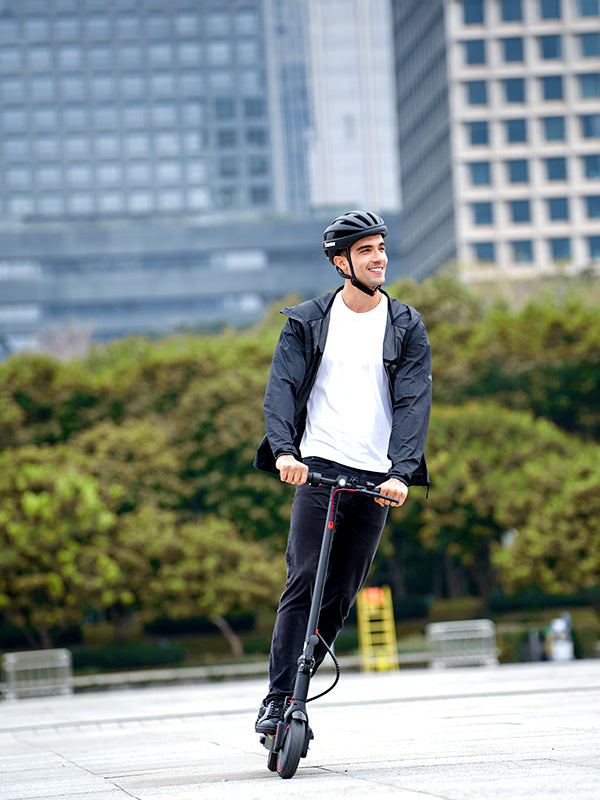
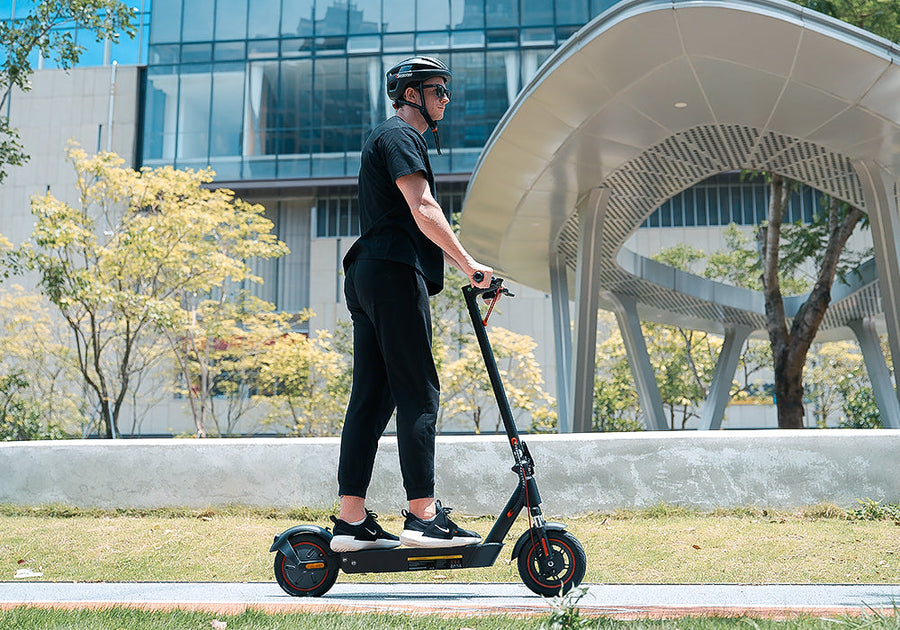
The iScooter i8 is an ideal choice for beginners, combining a lightweight foldable design with smooth, stable performance. With a 350W motor, it reaches a comfortable 15.6 mph (25 km/h) and offers up to 12 miles (20 km) of range—perfect for short commutes, school runs, or weekend rides. New riders will appreciate the 3-speed modes, allowing you to start slow and build confidence before switching to higher speeds.

Equipped with 8.5-inch pneumatic tyres, the i8 provides better shock absorption and grip for a safer, more comfortable ride. Its IP54 waterproof rating protects against light rain and splashes, while cruise control makes longer rides easier. The 36V 5.2Ah battery recharges in just 5–6 hours, so you can top up easily between rides.
Preparing Yourself Mentally and Physically
Starting your scooter journey isn’t just about the scooter—it’s about your mindset and body readiness. Being mentally calm and physically prepared makes learning faster, safer, and more enjoyable.
1. Build Confidence and Stay Positive
-
Feeling nervous is normal—take it step by step.
-
Celebrate small wins like balancing for a few seconds or smooth braking.
-
Start in a safe, open area instead of crowded streets.
-
Visualize yourself riding confidently before stepping on the scooter.
2. Improve Balance and Coordination
Simple exercises make a big difference for beginners:
-
Balance: Stand on one foot for 20–30 seconds or use a balance board.
-
Leg and core strength: Squats, lunges, or planks help with pushing and stability.
-
Hand-eye coordination: Practice coordinating hands and eyes for steering and braking.
3. Know Your Body’s Limits
-
Handlebar height: Adjust so your arms are slightly bent for comfort.
-
Foot placement: Keep your feet stable on the deck; the back foot can push or balance.
-
Take breaks: Short, frequent practice sessions are better than long, tiring rides.
4. Stay Mentally Focused
-
Pay attention to your surroundings and obstacles.
-
Keep calm with steady breathing and relaxed posture.
-
Avoid distractions like phones or music during practice.
Tip: Beginners who prepare mentally and physically learn faster, feel safer, and enjoy riding more.
Essential First Steps Before Riding
Before you hop on your scooter for the first time, taking a few essential steps can make a huge difference in safety, confidence, and how quickly you learn. These steps are part of smart first scooter advice that every beginner should follow.
1. Understand Your Scooter
Knowing how your scooter works before riding is critical. Take the time to learn all its features:
-
Throttle and acceleration: For electric scooters, practice gradual throttle pressure instead of rushing.
-
Brakes: Understand how the front and rear brakes respond. Test them gently while stationary.
-
Lights and signals: Make sure lights, reflectors, and any electronic signals work properly.
-
Weight limit: Check your scooter’s maximum load to avoid overloading and affecting stability.
2. Perform a Pre-Ride Safety Check
A quick inspection ensures your scooter is ready for your first ride.
-
Tires: Check for proper inflation and signs of wear. Proper tires improve grip and stability.
-
Brakes: Make sure brakes engage smoothly and stop the scooter effectively.
-
Deck and frame: Look for cracks, loose screws, or any damage that could cause accidents.
-
Battery (for electric scooters): Ensure it is fully charged and properly secured.
3. Adjust for Your Comfort and Safety
Proper adjustments prevent strain and help you maintain control.
-
Handlebar height: Adjust so your arms are slightly bent; don’t overreach or hunch forward.
-
Foot placement: One foot should rest naturally on the deck, and the other should push off comfortably.
-
Riding posture: Stand with knees slightly bent, back straight, and body relaxed.
4. Choose a Safe Practice Area
-
Start on flat, open surfaces like empty parking lots, quiet streets, or smooth paths.
-
Avoid traffic, steep hills, or rough terrain at the beginning.
-
Look for areas without obstacles like curbs, gravel, or wet patches.
5. Learn the Controls Slowly
Take time to get familiar with movements before increasing speed.
-
Push off gently: Start with small pushes and maintain balance.
-
Practice braking: Apply brakes gradually to understand stopping distance.
-
Steering practice: Make gentle turns to feel how the scooter responds.
6. Wear Protective Gear
Even for a short practice session, protection is essential:
-
Helmet: Should fit snugly and meet safety standards.
-
Knee and elbow pads: Protect joints in case of a fall.
-
Gloves and wrist guards: Reduce impact and help maintain grip.
Quick Tip for Beginners
Take 5–10 minutes for a slow warm-up ride. Focus on balance, posture, and smooth braking. Treat it as a learning session rather than a “real ride” to build confidence gradually.
This approach ensures your first scooter ride is safe, comfortable, and enjoyable, giving beginners a structured, confidence-building start.
Learning to Ride: Techniques That Build Balance
Mastering balance is the most important skill for any beginner scooter rider. Without proper balance, controlling your scooter, turning safely, and braking effectively becomes difficult. With consistent practice and simple techniques, beginners can quickly gain confidence and stability.
1. Find Your Natural Riding Stance
-
Foot placement: Place your dominant foot on the deck near the front while the other foot pushes off the ground. Once moving, place both feet on the deck, shoulder-width apart.
-
Knee position: Keep knees slightly bent to absorb shocks and maintain flexibility. Locked knees make you unstable.
-
Body alignment: Keep your back straight and your head up. Avoid leaning too far forward or backward; your weight should be evenly distributed over the deck.
2. Start with Small Pushes
-
Begin by pushing off slowly and moving short distances. Small, controlled movements help you understand how the scooter responds to weight shifts and steering.
-
Take one push at a time, focusing on staying balanced rather than traveling far.
-
Stop frequently to reset your stance and adjust posture if needed.
3. Practice Gentle Steering
-
Beginners often rely too much on handlebars alone. Learn to lean your body slightly into turns while gently guiding with the handlebars.
-
Start with wide, slow turns in a safe, open area.
-
Try figure-eight patterns to practice smooth directional changes and improve coordination.
4. Master Braking Gradually
-
Learning to brake properly is key for balance. Abrupt braking can cause you to tip forward or lose control.
-
Apply brakes slowly and evenly, feeling how the scooter slows down.
-
Practice stopping while moving at a slow speed before progressing to faster rides.
5. Develop Core Strength and Stability
-
A strong core supports your balance and reduces fatigue. Engage your abdominal muscles while riding to stay upright.
-
Avoid leaning excessively or stiffening your upper body; relaxed muscles respond better to movements.
-
Incorporate exercises like planks, squats, and balance drills off the scooter to improve coordination.
6. Progress in Stages
-
Begin on flat, open surfaces before attempting slopes, uneven terrain, or turns at higher speeds.
-
Gradually increase distance, speed, and complexity only once you feel stable.
-
Always focus on controlled movements—speed comes after confidence.
7. Use Short, Consistent Practice Sessions
-
Frequent, short practice sessions (10–15 minutes) are more effective than long, tiring rides.
-
Repetition builds muscle memory, making balance feel natural over time.
-
Track improvements such as smoother turns, consistent stopping, or longer rides without wobbling.
8. Visual and Mental Preparation
-
Mentally rehearse movements before riding. Picture yourself balancing, turning, and braking smoothly.
-
A positive mindset helps you stay calm, reducing tension and making balance easier.
Pro Tip: Balance is a skill that improves steadily with patience. Focus on small wins, practice consistently, and gradually challenge yourself with slightly more complex movements. Following these techniques gives beginners a safe, confident start.
Developing Good Riding Habits Early
Learning to ride a scooter isn’t just about balance and steering—it’s also about forming good riding habits from the very beginning. Developing the right habits early makes your rides safer, more enjoyable, and helps you progress faster as a beginner.
1. Practice Consistently
-
Short, frequent practice sessions are more effective than occasional long rides.
-
Even 10–15 minutes a day helps build muscle memory, coordination, and confidence.
-
Stick to a routine: pick a safe area at the same time daily to reinforce consistency.
2. Focus on Safety First
-
Always wear protective gear, including a helmet, knee and elbow pads, and wrist guards.
-
Before every ride, quickly check your scooter’s brakes, tires, and deck for safety.
-
Avoid risky maneuvers until you’re confident with basic riding skills.
3. Stay Mindful of Your Environment
-
Pay attention to your surroundings, including pedestrians, traffic, and road conditions.
-
Slow down when navigating corners, obstacles, or unfamiliar areas.
-
Practicing situational awareness early helps prevent accidents and builds lifelong safe riding habits.
4. Maintain Proper Posture
-
Stand with your feet shoulder-width apart, knees slightly bent, and back straight.
-
Keep your hands on the handlebars at all times. Avoid leaning too far forward or backward.
-
Proper posture improves balance, reduces fatigue, and makes braking and steering more responsive.
5. Learn to Plan Your Rides
-
Think ahead about your path, turns, and stopping points.
-
Avoid sudden movements that could destabilize your scooter.
-
Gradually introduce mild challenges like gentle slopes, curves, or small obstacles once you’re confident.
6. Build Gradual Speed Control
-
Start with slow, controlled rides and focus on smooth acceleration and braking.
-
Avoid rushing or trying to go fast too soon, which can compromise safety.
-
Learning to control speed early ensures you can handle more complex maneuvers later.
7. Reflect on Each Ride
-
Take a moment after each session to review what went well and what needs improvement.
-
Identify small areas to focus on next time, like smoother turns, better posture, or more stable braking.
-
Keeping a short “practice log” can help track progress and motivate continued learning.
8. Respect Your Scooter’s Limits
-
Don’t overload your scooter beyond its weight capacity.
-
Avoid rough terrain or extreme conditions until you’re fully confident.
-
Understanding and respecting your scooter’s limits prevents accidents and extends its lifespan.
Pro Tip: Developing good riding habits early sets the foundation for safe, confident, and enjoyable scooter rides. By practicing consistently, staying aware, and maintaining proper posture, beginners can quickly gain control and avoid common mistakes.
Safety Gear and Maintenance Tips
One of the most important aspects of riding a scooter safely is preparing with the right gear and keeping your scooter in top condition. Proper safety equipment and regular maintenance not only protect you but also ensure a smoother, more enjoyable riding experience.
1. Essential Safety Gear for Beginners
Wearing the right protective gear significantly reduces the risk of injuries, especially for first-time riders.
-
Helmet: Always wear a properly fitted helmet. It should sit level on your head, feel snug but comfortable, and meet recognized safety standards. Helmets are the single most important piece of safety equipment.
-
Knee and Elbow Pads: These pads protect joints during falls and help beginners ride with confidence. Opt for lightweight, flexible pads that don’t restrict movement.
-
Wrist Guards: Prevent sprains and fractures if you instinctively put your hands down during a fall.
-
Gloves: Offer extra grip and protect your hands from scrapes.
-
Reflective Clothing or Lights: Especially important if riding in low-light conditions. Visibility ensures both your safety and the safety of others.
2. Basic Maintenance Tips for a Safe Ride
Even a well-built scooter can become unsafe without regular upkeep. Beginners should develop a simple maintenance routine.
-
Check Tires: Inspect tires for wear, punctures, or low pressure. Properly inflated tires improve grip, stability, and braking performance.
-
Inspect Brakes: Make sure both front and rear brakes engage smoothly and stop the scooter effectively. Test brakes before every ride.
-
Tighten Screws and Bolts: Loose components can cause instability. Regularly check handlebars, deck screws, and wheel nuts.
-
Clean and Lubricate Moving Parts: Dust, dirt, and moisture can affect performance. Keep wheels, bearings, and joints clean and lightly lubricated if necessary.
-
Battery Care (for electric scooters): Charge fully before rides, avoid letting the battery completely drain, and store in a cool, dry place. Check the charger and connections for damage.
-
Deck and Frame Inspection: Look for cracks, rust, or signs of wear. A solid, intact deck and frame are critical for balance and safety.
3. Develop a Routine
-
Perform a quick pre-ride check every time you plan to ride: brakes, tires, and battery.
-
Schedule weekly maintenance: inspect bolts, clean the scooter, and check for wear.
-
Keeping a routine ensures that your scooter remains reliable and reduces the risk of accidents caused by mechanical issues.
4. Encourage Safe Habits
-
Teach beginners to never ride with broken or worn-out equipment.
-
Combine maintenance with good habits: always wear gear, check the environment, and ride within your skill level.
Pro Tip: Safe riding is a combination of preparation, protection, and care. With the right safety gear and a consistent maintenance routine, beginners can enjoy riding with confidence while minimizing risks.
Conclusion
Starting your scooter journey can feel exciting and a little overwhelming, but with the right first scooter advice, beginners can ride confidently, safely, and enjoyably. The key is preparation—mentally, physically, and with the right gear—combined with consistent practice and smart habits.
By focusing on balance, posture, braking techniques, and situational awareness, you build the foundation for long-term riding skills. Regular maintenance and protective equipment ensure every ride is safe and reliable, while tracking your progress helps you set achievable goals and celebrate milestones.
Choosing beginner-friendly scooters like iHoverboard models can make learning easier, thanks to their stability, safety features, and smooth controls. With patience, consistent practice, and the right guidance, your scooter will quickly feel like a natural extension of yourself, opening the door to countless fun and safe rides.
Remember, every expert rider started as a beginner. Use this guide as your foundation, practice regularly, stay aware, and enjoy the journey—your first scooter ride is just the beginning.
FAQs
1. How to ride a scooter for the first time?
Riding a scooter for the first time is easier when you start in a safe, open area free of traffic and obstacles. Place one foot on the deck and the other on the ground to push off gently, keeping both hands on the handlebars and maintaining a relaxed, slightly bent posture. Begin with slow pushes to get a feel for the scooter, gradually increasing your distance and speed as you gain confidence. Learning to brake gradually using both front and rear brakes is essential to maintain balance and control.
2. What is the first trick to learn on a scooter?
The easiest trick for beginners is the bunny hop. Start at a slow speed, bend your knees slightly, and push down on the deck with both feet to lift the scooter off the ground briefly. Focus on landing with both wheels at the same time while keeping your balance. Practicing this simple trick improves coordination, control, and confidence. Lightweight, beginner-friendly scooters like iHoverboard models are ideal for safely learning the bunny hop.
3. At what age should a child be able to ride a scooter?
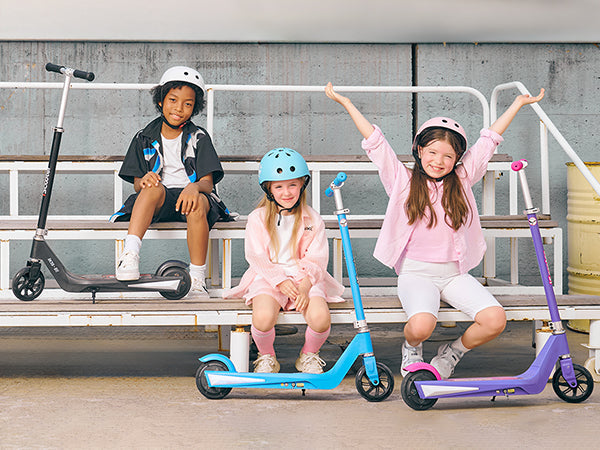
Children can typically start learning to ride a scooter around five to six years old, provided they have proper supervision and a beginner-friendly model. It is important to ensure that the scooter matches the child’s height and weight, has safety features like adjustable handlebars, speed limits, and reliable brakes, and that the child begins practicing on flat, smooth surfaces before progressing to gentle slopes. iHoverboard models such as the IK1S and IK3 are designed specifically for young riders, offering stability, safety, and easy handling.
4. Is it hard to ride a scooter for beginners?
Riding a scooter is not difficult for beginners, especially with proper guidance and a scooter designed for learning. Maintaining a balanced stance with slightly bent knees and a centered posture improves stability, while short, slow practice sessions build confidence. Wearing safety gear such as a helmet, pads, and wrist guards protects against minor falls. Beginner-friendly scooters like the iHoverboard i8 and i9 provide manageable speeds and stable wheels, making it easier for first-time riders to learn and enjoy their rides.





Still, need help? Contact Us: support@ihoverboard.com
What's the option? Check out the option now!
Leave us a message