


















What Is the Official Hoverboard Recommended Age for UK Kids?
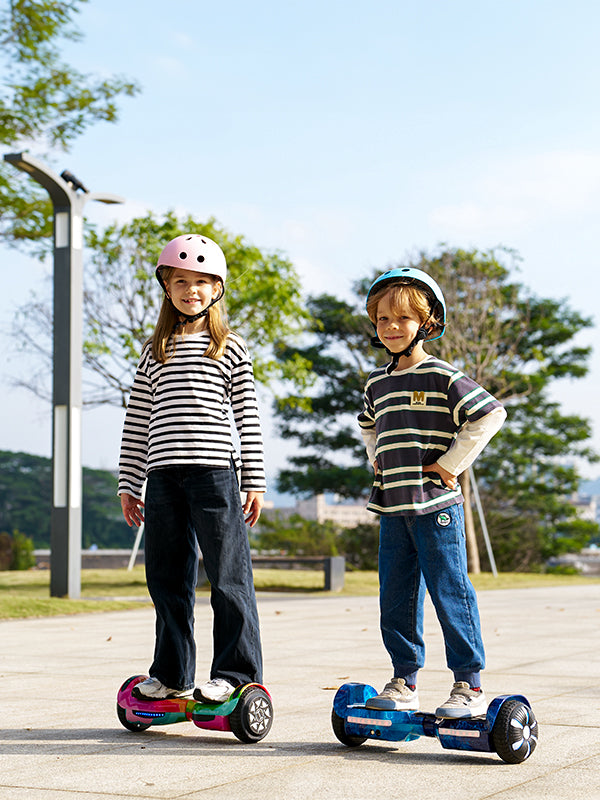
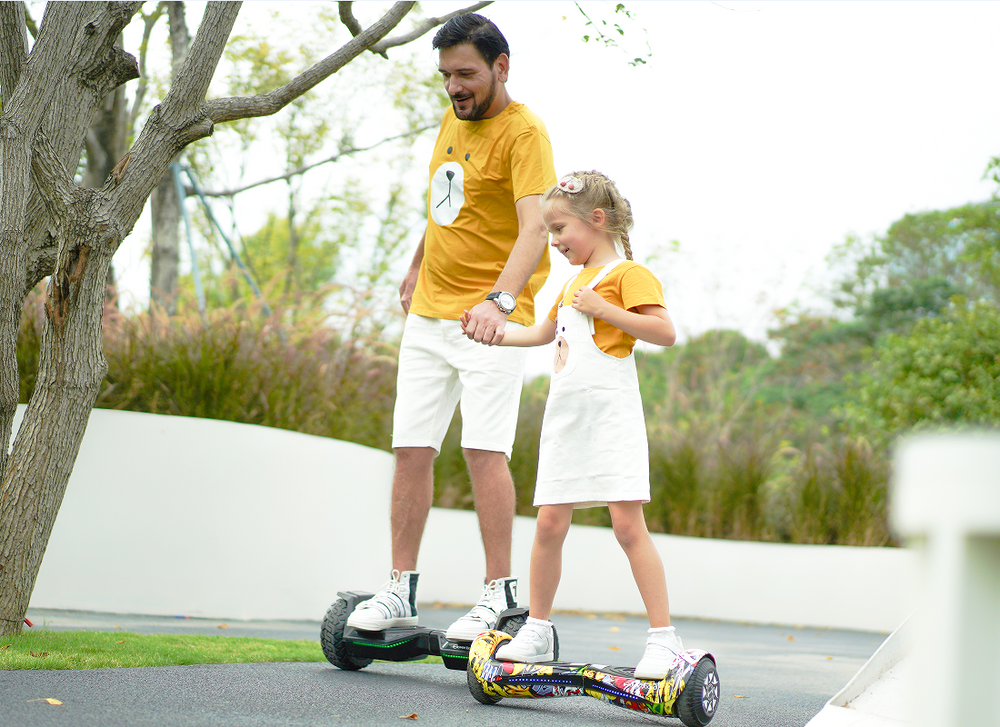
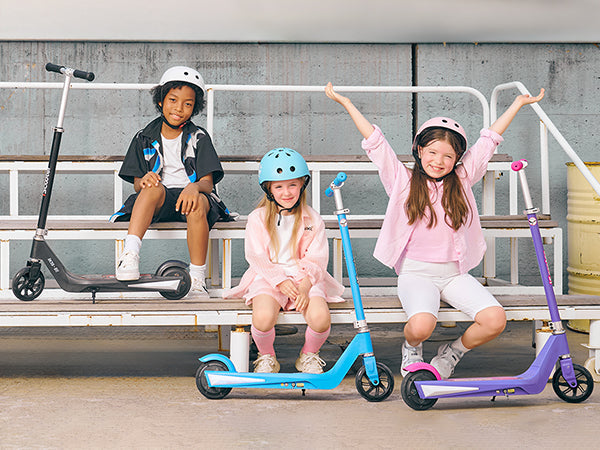
When researching a hoverboard what age recommendation chart, you will find that different wheel diameters are explicitly tailored to specific age groups and physical heights. A common mistake many parents make is purchasing a heavy-duty, all-terrain model with 8.5-inch or 10-inch wheels for a child under the age of nine, assuming it will offer better stability. In reality, large 8.5-inch off-road models are engineered with heavy metal internal frames and high-torque dual motors designed to handle adult weights. These heavy platforms require a significant amount of physical leg strength and a higher center of gravity to steer accurately. When a younger child under the age to use hoverboard standards mounts an adult-sized platform, they often struggle to tilt the deck forward or backward smoothly. For younger children aged 6 to 10, a compact 6.5-inch wheel diameter is the industry-standard recommendation. These smaller decks are constructed with lightweight, impact-resistant polymer shells and low-profile hub motors, making them incredibly nimble and easy to control. If you are unsure which sizing path fits your budget, consulting a comprehensive market price and feature guide like How Much Is a Hoverboard? can offer great clarity before you buy. If you eventually discover that your child struggles to maintain a standing balance on a handle-free deck, transitioning them toward alternative micro-mobility options is highly practical. Introducing them to a stable Kids Electric Scooter or a balanced Boys Electric Scooter layout provides an excellent, handle-supported alternative that helps build confidence on two wheels. A primary concern when selecting hardware for any hoverboard age bracket is managing maximum velocity curves. Fortunately, premium modern self-balancing boards are no longer limited to a single, high-speed performance setting. Advanced circuit boards now feature adjustable riding profiles tailored specifically for growing children. When introducing a beginner to a new platform, utilizing a built-in "Training Mode" or "Child Mode" is an excellent way to build skill safely. This software setting instructs the internal processors to limit the top speed to a gentle walking pace of roughly 5 km/h to 6 km/h (approximately 3 mph to 3.7 mph). It also softens the responsiveness of the steering sensors, preventing the deck from jerking wildly if a child loses focus or panics. As your child's coordination, ankle strength, and muscle memory develop over months of private driveway practice, you can easily unlock the intermediate or advanced speed tiers. These higher modes permit the board to reach its full mechanical potential, typically topping out around 12 km/h (roughly 7.5 mph). This adaptability ensures your initial investment remains highly engaging and challenging for years, rather than being outgrown in a single summer season. Sourcing a safe electric vehicle requires focusing on brands that prioritize structural safety certifications and child-centric engineering. Cheap grey-market imports often utilize poor internal wiring and unreliable safety circuits, which can lead to major technical issues down the line. Exploring the specialized Hoverboard For Kids collection at iHoverboard highlights models engineered specifically for younger riders. Their dedicated youth lineups feature essential CE and UKCA safety marks, ensuring the entire Hoverboard Battery architecture and charging infrastructure have cleared rigorous British laboratory testing protocols. Whether you select a highly maneuverable base model or check out options within their certified Self Balancing Hoverboards core catalog, you are securing premium components like non-slip rubber footpads and smart acoustic over-speed alarms. These defensive features actively alert young riders if they are leaning too far forward, allowing them to ease back safely. Selecting the ideal self-balancing board requires a careful look at your child's physical development, current coordination, and weight. While the baseline age of 6 to 8 serves as an excellent entry point for lightweight 6.5-inch models, prioritizing hardware equipped with adjustable training modes, certified lithium-ion cells, and responsive pressure sensors is the real secret to long-term success. By keeping riding sessions confined to flat, permissive private driveways and ensuring your child is fully geared up in protective armor, you transform a high-tech machine into a fantastic tool for building balance, posture, and motor skills. Keep the tire treads clean, perform regular calibration checks, and enjoy watching your young rider master the exciting world of personal electric mobility with total confidence. Is there a minimum weight requirement to trigger hoverboard foot sensors? Yes, absolutely. To ride safely, a child must meet a minimum weight threshold, which is typically 20 kg (approximately 44 lbs) for most standard 6.5-inch models. Beneath the rubber footpads lies a sensitive Hoverboard Pressure Sensor array. If a rider is too light, their body weight will not compress these internal switches completely. This can cause the board to stutter, shake violently, or fail to respond accurately to steering inputs. Always verify your child's current weight against the model's technical specs before purchasing. Should younger children always wear specialized wrist guards when riding? Yes, comprehensive protective gear is highly recommended for all youth riders, especially during the initial learning phase. While high-quality helmets and knee pads are standard equipment, quality wrist guards are vital for protecting growing joints. When a child loses their balance on a self-balancing deck, their natural instinct is to reach out and break their fall with open hands. Wrist guards feature rigid plastic inserts that absorb impact energy and prevent hyperextension injuries on hard tarmac surfaces. Can a hoverboard be converted into a sit-down vehicle if a child finds standing too difficult? Yes, transforming a dual-wheel deck into a sit-down three-wheel kart is an incredibly popular option for families. Attaching a specialized frame kit or an ergonomic E Scooter Seat Attachment directly over the pressure sensors allows children to steer using hand levers. This low-profile go-kart configuration lowers their center of gravity to zero, completely eliminating the risk of standing falls while providing a thrilling style of play.Why the 8.5-Inch Wheel Might Be Too Big for Younger Children
Built for Growing Kids: Adjustable Speed Features That Matter
Why the iHoverboard Kids Range Deserves a Spot on Your Shortlist
Setting Up a Safe Foundation for Future Adventures
FAQs





Still, need help? Contact Us: support@ihoverboard.com
What's the option? Check out the option now!
Leave us a message