




















What Is Incline on a Treadmill? Benefits and Workout Tips
What Is Incline on a Treadmill? Benefits and Workout Tips
When it comes to treadmill workouts, understanding what is incline on a treadmill can completely transform your exercise routine. The incline feature adjusts the slope of the running surface, allowing you to simulate uphill walking or running, which increases calorie burn and engages more muscles. Whether you are a beginner or an experienced fitness enthusiast, using incline effectively can improve cardiovascular health, strengthen lower body muscles, and add variety to your workouts. In this guide, we’ll explore the benefits of treadmill incline and provide tips to maximize your results safely.
What Is Incline on a Treadmill?
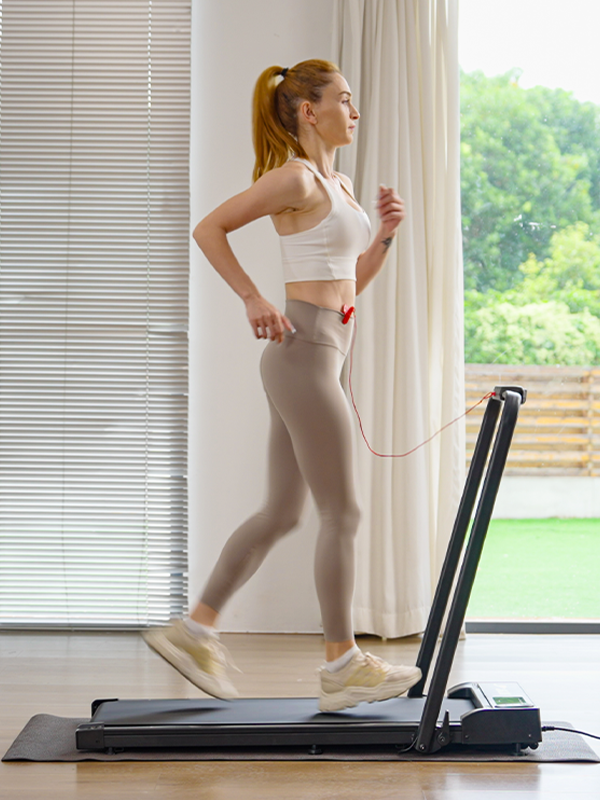
When you ask “what is incline on a treadmill,” it refers to the adjustable slope or angle of the treadmill’s running surface. Unlike walking or running on a flat treadmill, the incline allows you to tilt the deck upward, simulating uphill walking or running. This simple adjustment can significantly impact your workout intensity and results.
How Incline Is Measured
-
Treadmill incline is measured in percentage levels.
-
0% = completely flat surface
-
1–2% = gentle incline, ideal for beginners or light walking
-
5–10% = moderate incline, engages more muscles and increases calorie burn
-
10%+ = steep incline, simulates hills or challenging outdoor terrain
Benefits of Adjusting the Incline
-
Customizes workout intensity without increasing speed
-
Targets different muscles such as calves, glutes, and hamstrings
-
Prepares you for real-world terrain, like outdoor hills or trails
How Incline Works on a Treadmill
-
Manual adjustment: Stop or slow down the treadmill to change the angle.
-
Automatic adjustment: Use the console to change incline while running or walking. Many iHoverboard treadmills have pre-programmed incline workouts that simulate hills or interval sessions automatically.
Why Incline Matters
Using incline makes a treadmill workout more versatile and effective:
-
Burns more calories than flat-surface workouts
-
Strengthens key lower body muscles
-
Provides a challenging cardio session without needing to run faster
By understanding what incline on a treadmill is and how to use it, you can make your treadmill sessions more efficient, engaging, and tailored to your fitness goals.
Benefits of Using Incline on a Treadmill
Understanding what is incline on a treadmill is just the first step. The real advantage comes from using the incline effectively, as it provides multiple benefits that go beyond what a flat treadmill workout can offer. Here’s a breakdown of why incline training is so powerful:
1. Burn More Calories
-
Walking or running on an incline requires more energy than on a flat surface.
-
Your body works harder to overcome gravity, engaging additional muscles in the legs and core.
-
Studies show that exercising on an incline can burn up to 30% more calories than the same speed on a flat treadmill.
-
This makes incline workouts a highly effective option for weight loss and fat burning.
2. Improve Cardiovascular Health
-
Incline workouts naturally elevate your heart rate, providing a stronger cardiovascular challenge.
-
You can achieve a high-intensity cardio workout without running at top speeds, reducing strain on joints.
-
Regular incline training strengthens the heart and lungs, improving overall aerobic fitness.
3. Engage and Strengthen Muscles
-
Incline treadmill sessions target more lower body muscles than flat workouts.
-
Key muscles worked: calves, hamstrings, glutes, and quadriceps.
-
As the incline increases, muscles are forced to work harder to propel your body upward, building strength and definition over time.
-
This makes incline workouts ideal for toning the lower body and enhancing functional strength.
4. Simulate Outdoor Terrain
-
Incline settings let you replicate outdoor hills or trails while staying indoors.
-
This is useful for preparing for outdoor events, hikes, or running on uneven terrain.
-
By adjusting the incline, you can mimic uphill and downhill walking or running, providing variety and challenge to your workout routine.
5. Add Versatility to Your Workouts
-
Using incline allows you to customize each session:
-
Light incline for warm-ups or recovery walks
-
Moderate incline for steady cardio and endurance
-
High incline for strength and fat-burning intervals
-
Many iHoverboard treadmills come with pre-set incline programs, automatically adjusting the slope to match your workout goals.
Key Takeaway:
Incorporating incline into your treadmill workouts makes them more efficient, effective, and engaging. It boosts calorie burn, strengthens muscles, improves cardiovascular health, and adds variety—helping you get better results without increasing speed or workout time.
How to Use Incline on a Treadmill Safely
Once you understand what is incline on a treadmill and its benefits, the next step is learning how to use it safely. Proper technique and precautions ensure that your workouts are effective without risking injury. Here’s a detailed guide:
1. Start with the Right Incline Level
-
Beginners: Begin with a gentle incline of 1–3% to get used to the slope.
-
Intermediate users: Gradually increase the incline to 5–7% to challenge your muscles and cardiovascular system.
-
Advanced users: Use 8–15% or higher for high-intensity hill workouts and maximum calorie burn.
-
Adjust the incline gradually, avoiding sudden jumps in slope, which can strain your muscles and joints.
2. Maintain Proper Form
Maintaining correct posture is critical for safety and effectiveness:
-
Stand upright with a slight forward lean if needed.
-
Keep your head up and look forward, not at your feet.
-
Land on the middle of your foot, not the heels or toes.
-
Use running shoes with proper support to protect your joints.
-
Keep your arms relaxed and swing naturally for balance.
3. Warm Up and Cool Down
-
Before starting incline workouts, warm up with 5–10 minutes of light walking or jogging on a flat treadmill.
-
Incorporate dynamic stretches like leg swings or hip circles to prepare your muscles.
-
After your incline session, cool down with slow walking and static stretches targeting calves, hamstrings, and glutes.
-
Proper warm-up and cool-down reduce the risk of muscle strains and joint injuries.
4. Listen to Your Body
-
Pay attention to signs of fatigue, pain, or overexertion.
-
If you feel discomfort in your knees, lower back, or calves, reduce the incline or take a short break.
-
Adjust your speed and incline based on your fitness level.
-
Gradual progression ensures safe improvement in strength and endurance.
5. Use Pre-Programmed Incline Workouts (Optional)
-
Many iHoverboard treadmills offer pre-set incline programs that automatically adjust the slope for interval, hill, or endurance training.
-
These programs guide your workout intensity, helping you safely push your limits without guessing the right incline level.
-
Pre-programmed sessions are especially useful for beginners who are unsure how to combine speed and incline.
6. Avoid Common Mistakes
-
Don’t hold onto the handrails excessively; it reduces the effectiveness of your workout.
-
Avoid sudden jumps to high inclines without proper progression.
-
Don’t lean too far forward, as it can strain your lower back.
Key Takeaway:
Using incline safely involves starting slow, maintaining proper form, warming up, and listening to your body. By following these tips, you can maximize the benefits of incline workouts—burning more calories, strengthening muscles, and improving cardiovascular health—while minimizing the risk of injury.
Incline Workout Ideas and Training Tips
Once you understand what is incline on a treadmill and how to use it safely, the next step is putting it into action. Incline workouts add variety, intensity, and effectiveness to your treadmill sessions. Here are some detailed ideas and tips to make the most of incline training:
1. Interval Training with Incline
-
How it works: Alternate between periods of high incline and recovery at a lower incline or flat surface.
-
Example session:
-
2 minutes at 6% incline (moderate effort)
-
1 minute at 0–1% incline (active recovery)
-
Repeat for 20–30 minutes
-
Benefits: Burns more calories, boosts cardiovascular fitness, and prevents workout monotony.
2. Hill Repeats
-
Purpose: Build leg strength and endurance by simulating repeated uphill climbs.
-
How to do it:
-
Set the treadmill to a steep incline (e.g., 8–10%)
-
Sprint or fast walk for 30–60 seconds
-
Reduce incline to 0–2% and recover for 1–2 minutes
-
Repeat 6–10 times depending on fitness level
-
Benefits: Strengthens glutes, hamstrings, and calves while improving anaerobic capacity.
3. Endurance Challenges
-
Goal: Increase stamina and cardiovascular endurance on a steady incline.
-
How to do it:
-
Set the treadmill to a moderate incline (4–6%)
-
Maintain a consistent pace for 20–45 minutes
-
Focus on steady breathing and proper form
-
Benefits: Improves aerobic fitness, burns sustained calories, and trains your body for longer outdoor hikes or runs.
4. Simulated Outdoor Terrain Workouts
-
Purpose: Mimic real-world conditions indoors.
-
How to do it:
-
Program the treadmill to change incline automatically (if available)
-
Example: Start flat, gradually increase to 6%, then decrease, repeating multiple times
-
Benefits: Prepares muscles for uneven terrain, trains functional strength, and adds variety to your treadmill routine.
5. High-Intensity Incline Sprints
-
Goal: Maximize calorie burn and improve speed and power.
-
How to do it:
-
Set a steep incline (8–12%)
-
Sprint for 20–30 seconds at maximum effort
-
Walk or jog at 0–1% incline for 60–90 seconds to recover
-
Repeat for 6–12 rounds depending on fitness level
-
Benefits: Combines strength, speed, and endurance training in a short period.
Tips for Safe and Effective Incline Workouts
-
Always warm up for 5–10 minutes before starting incline intervals.
-
Maintain proper form: upright posture, mid-foot landing, relaxed arms.
-
Listen to your body: Adjust incline or speed if you feel strain or discomfort.
-
Use pre-programmed iHoverboard treadmill workouts for guided incline sessions if you’re unsure how to structure intervals.
-
Gradually increase incline intensity over time to prevent injury and continue progress.
Key Takeaway:
Incline workouts provide endless variety and allow you to train strength, endurance, and cardiovascular fitness simultaneously. By combining intervals, hill repeats, endurance sessions, and simulated outdoor terrain, you can maximize calorie burn, strengthen lower body muscles, and make treadmill workouts more engaging.
Conclusion
Understanding what is incline on a treadmill is essential for anyone looking to take their treadmill workouts to the next level. By adjusting the treadmill’s slope, you can simulate outdoor terrain, increase workout intensity, and target a wider range of muscles than flat-surface training alone.
Incline workouts offer numerous benefits, including burning more calories, improving cardiovascular fitness, and strengthening lower body muscles such as the calves, glutes, and hamstrings. Whether you are a beginner or an advanced fitness enthusiast, using incline safely and effectively can make your treadmill sessions more efficient, engaging, and results-driven.
Incorporating structured incline workouts—like interval training, hill repeats, endurance challenges, and simulated outdoor terrain—adds variety to your routine while helping you achieve your fitness goals faster. Remember to warm up, maintain proper form, and listen to your body to prevent injuries and get the most out of every session.
With an incline treadmill, such as those from iHoverboard, you can enjoy a versatile and customizable workout experience right at home, combining convenience, safety, and effectiveness. By mastering the use of incline, you’ll not only improve your strength and endurance but also make every treadmill workout more challenging, productive, and rewarding.
FAQs
What is a good incline on a treadmill?
A good incline on a treadmill depends on your fitness level and workout goals. Beginners can start with a gentle 1–3% incline for walking or light jogging. Intermediate users may benefit from a 4–7% incline, which adds moderate resistance and engages more muscles. Advanced users can challenge themselves with an 8–15% incline or higher, simulating steep hills for maximum calorie burn, muscle activation, and cardiovascular effort. Choosing the right incline ensures an effective workout without overstraining your muscles or joints.
What does inclination do on a treadmill?
Inclination on a treadmill increases the slope of the running surface, simulating uphill walking or running. This adjustment makes your body work harder, burning more calories and engaging more muscles, particularly the calves, hamstrings, and glutes. It also raises your heart rate, providing a stronger cardiovascular workout while adding variety by mimicking outdoor terrain. Using incline effectively transforms a regular treadmill session into a more challenging, versatile, and results-driven workout.
What incline is 10% on a treadmill?
A 10% incline on a treadmill means the running surface rises 10 units vertically for every 100 units horizontally, creating a steep slope similar to a hill outdoors. Walking or running at a 10% incline intensifies your workout, requiring greater strength and endurance. This incline level is ideal for experienced users or for interval-style training where high intensity alternates with recovery periods.
Does incline treadmill burn fat?
Yes, using an incline on a treadmill is highly effective for fat loss. The steeper the incline, the more energy your body uses, resulting in increased calorie and fat burn. Incline workouts also engage more muscles, which helps boost metabolism and supports fat reduction. Incorporating incline intervals—alternating between higher and lower slopes—can further maximize fat burn in a shorter amount of time, making incline treadmill training an excellent strategy for improving body composition.








Still, need help? Contact Us: support@ihoverboard.com
What's the option? Check out the option now!
Leave us a message