


















Straight Talk: Are Hoverboards Legal in UK Streets and Parks? | iHoverboard
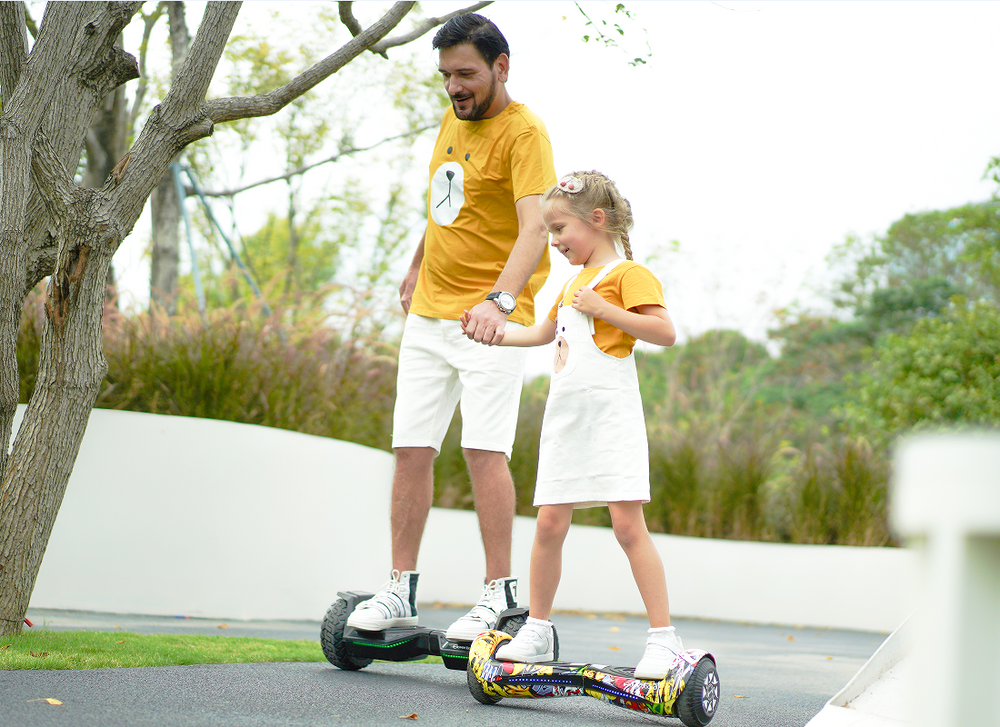
The simple answer is yes, owning, buying, and selling these devices is completely within the law across Great Britain. However, the confusion arises not from the board itself, but from where you are actually allowed to operate it. Under current transport frameworks, these self-balancing gadgets are classified as Personal Light Electric Vehicles (PLEVs) or "powered transporters." Because they are mechanically propelled, the law legally views them as motor vehicles, meaning they are bound by the same technical regulations as cars, motorbikes, or vans. Because they are categorized alongside full-sized motorized transport, they technically require registration, vehicle excise duty (road tax), and third-party insurance before they can touch a public street. However, because hoverboards lack physical indicators, brake lights, or traditional steering columns, they cannot pass the necessary roadworthiness assessments to get registered. This creates a legal paradox: they are classified as motor vehicles, but they are completely barred from meeting the criteria needed to ride on public tarmac. This motor vehicle classification is exactly why riding a hoverboard illegal uk habit can land you in hot water if you take it to the streets. To ride a vehicle on public pathways, it must have registration, tax, insurance, and a valid license category—none of which exist for a self-balancing deck. To make matters tougher, an old piece of legislation called Section 72 of the Highway Act 1835 explicitly states that it is an offense to ride a "carriage" on pavements intended for pedestrians. Because the courts view these gadgets as carriages, hoverboards illegal in uk public spaces remains the baseline rule. This strict public land restriction means that pavements, public roads, council-run parks, and shopping centres are entirely out of bounds under standard hoverboard rules uk frameworks. To fully break down how these regional regulations affect different e-mobility designs, checking out our deep-dive iHoverboard Safety Guide will give you a clear perspective on staying fully compliant and understanding electrical standards. Because public spaces are legally locked down, operating the hoverboard uk models safely and legally relies entirely on finding private property. Your personal back garden, a concrete driveway, or a private estate where you have clear, explicit permission from the landowner are all perfect havens for unrestricted riding. This allows riders to push their machines to the limit without constantly scanning the horizon for local authorities. I always tell parents that a flat, sweeping tarmac driveway or a paved garden patio is actually the absolute best place for a child to learn anyway. Public pavements are full of sudden drop-downs, uneven paving slabs, and unexpected pedestrian foot traffic that can trigger an immediate fall for a learning rider. Staying within closed, private boundaries guarantees that the rider can focus entirely on mastering their balance without outside distractions or legal complications. Enjoying your self-balancing tech responsibly means investing in a high-quality machine that treats compliance and battery health as top priorities. iHoverboard builds every model in their lineup with strict safety certifications, ensuring that your private land adventures are backed by reliable electronics and robust gyro-stabilizers. You can browse their certified iHoverboard Collections to find durable configurations optimized for indoor spaces or rugged private country trails. By sticking to private tracks, wearing a proper multi-sport helmet, and riding within your skill level, you can experience pure electric fun without any legal headaches. If you are looking to take your private setup a step further, many riders opt for a kart conversion bundle, which changes the stand-up board into a three-wheeled seated buggy that handles beautifully on garden lawns. Before letting a young rider loose on your private property, establish a safe, progressive routine to make sure they feel totally in control. Here is the process I use whenever coaching new pre-teen riders: Staying on the right side of the law doesn't mean your new transport gadget has to sit in a closet gathering dust. While national legislation keeps public roadways and pedestrian pavements strictly off-limits, private zones open up plenty of room for thrilling weekend sessions. Focus your energy on exploring expansive private land, indoor recreation centres, or your own property to master your riding skills in a relaxed, stress-free environment. Keep your adventures responsible, prioritize premium certified hardware, and enjoy the smooth thrill of a safe ride. By setting down firm household rules about where the board can be used, ensuring your kids always wear proper safety gear, and choosing certified platforms that protect against electrical faults, you can enjoy this cutting-edge e-mobility tech with total peace of mind. Yes, a 12-year-old is well within the ideal development bracket to ride a self-balancing board safely. At twelve years old, most children have achieved advanced core stability, excellent spatial orientation, and the quick mental reaction times needed to manage sudden directional shifts. However, because public spaces are off-limits under UK law, a 12-year-old must still restrict their riding to private property, such as back gardens, private driveways, or dedicated indoor skate parks that permit personal electric transport. The safest option for an 11-year-old is a fully certified model equipped with built-in automated self-balancing technology and standard 6.5-inch wheels. Models like the iHoverboard H1 feature internal gyroscopic stabilizers that lock the deck perfectly level the moment it turns on, making mounting and dismounting incredibly simple. For an eleven-year-old, you should always check for official CE and UKCA safety marks to ensure the battery enclosure and charging components meet strict British electrical safety guidelines. The absolute sweet spot for entering the world of self-balancing boards is between 8 and 10 years old. By this stage, children possess the minimum required weight (typically 44 pounds or 20 kg) to fully depress the mechanical pressure switches hidden under the rubber footpads. If a child is too young or too light, the board will struggle to read their center of gravity, resulting in violent shaking or unexpected shut-offs.The Complete Legal Reality: Is the Hoverboard Legal UK Answer Clear?
Navigating Strict Public Land Restrictions Regarding Hoverboard UK Legal Rules
Why Private Land is King for Riding The Hoverboard UK Models Safely
Safe, Legal, and Responsible iHoverboard Practices
Real-World Training Steps for Pre-Teens on Private Ground
Setting Your Family Up for a Secure, Worry-Free Journey
Frequently Asked Questions
Can a 12 year old ride a hoverboard?
What is the safest hoverboard for a 11 year old?
What age is best for a hoverboard?





Still, need help? Contact Us: support@ihoverboard.com
What's the option? Check out the option now!
Leave us a message