




















Is a Walking Pad or Stepper Better? Find Your Perfect Home Workout
Is a Walking Pad or Stepper Better? Find Your Perfect Home Workout
Staying active at home can be challenging, especially if space is limited or your schedule is busy. Choosing the right equipment is key, and many wonder is a walking pad or stepper better for their fitness goals. Both machines offer unique benefits for cardio, weight loss, and muscle toning, but their impact, intensity, and convenience differ. In this guide, we’ll break down the features, advantages, and best use cases to help you find the perfect home workout solution.
Understanding the Key Differences Between a Walking Pad and a Stepper
When choosing is a walking pad or stepper better, it’s important to understand how these machines differ in movement, intensity, and fitness benefits. Both are compact, home-friendly options, but they serve different goals.
Movement and Exercise Style:
-
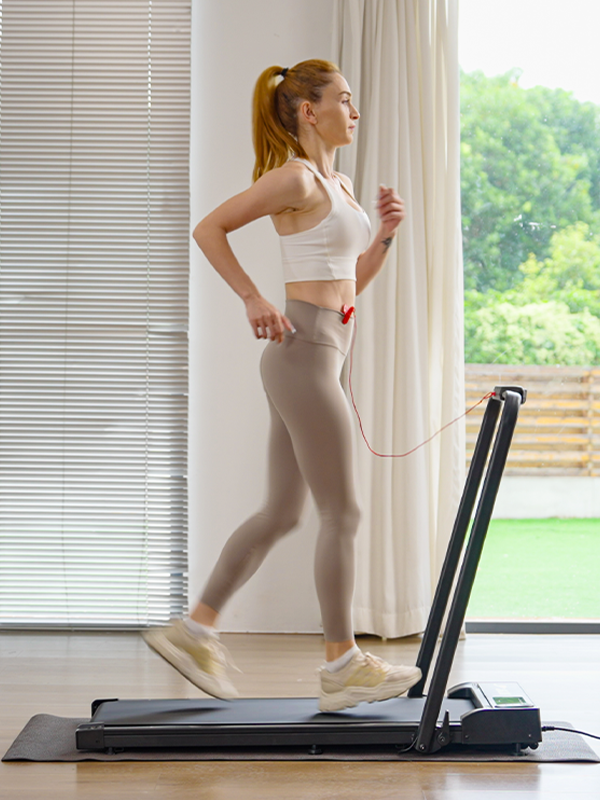
Walking Pad: Mimics natural walking or light jogging. The flat moving belt allows steady, long-duration activity that’s gentle on joints, making it ideal for low-impact cardio.
-
Stepper: Simulates stair climbing with up-and-down pedals. This vertical motion engages the lower-body muscles more intensely and provides a challenging workout in shorter sessions.
Workout Intensity:
-
Walking Pad: Offers low to moderate intensity that can be sustained for long periods. Perfect for beginners, seniors, or anyone seeking joint-friendly, consistent activity.
-
Stepper: Provides moderate to high intensity, quickly raising heart rate and fatigue in the legs. Best for short, focused workouts that target calorie burn and strength.
Muscle Engagement:
-
Walking Pad: Activates the legs, core, and hips lightly, supporting overall mobility, posture, and endurance.
-
Stepper: Focuses on the glutes, quads, calves, and hamstrings, making it more effective for lower-body toning and strength development.
Lifestyle and Usability:
-
Walking Pad: Ideal for multitasking, such as walking while working, reading, or watching TV. Encourages daily movement without dedicated workout time.
-
Stepper: Requires full attention and balance, making it better for planned, intense exercise sessions rather than multitasking.
Bottom Line:
Walking pads are best for consistent, low-impact movement and multitasking, while steppers are better for high-intensity workouts and lower-body toning. Your choice should depend on your fitness goals, available time, and lifestyle.
How a Walking Pad Supports Daily Movement and Cardio Health
A walking pad is designed to make staying active at home simple and convenient. Unlike traditional treadmills, walking pads are compact, foldable, and quiet, allowing you to incorporate low-impact cardio into your daily routine without taking up much space. Whether you work from home, have a busy schedule, or simply want to move more throughout the day, a walking pad makes it easier to stay consistent.
Low-Impact Cardio for All Fitness Levels:
Walking pads provide gentle, steady cardio, which is easy on the joints, knees, and hips. This makes them ideal for beginners, older adults, or anyone recovering from minor injuries. Regular use improves heart health, circulation, and stamina without putting unnecessary strain on your body.
Encourages Daily Movement:
Because walking pads are compact and can fit under a desk or in a living room corner, you can walk while working, reading, or watching TV. This helps break long periods of sitting, reduces sedentary behavior, and promotes overall well-being. Even short, 15–30 minute sessions several times a day can make a noticeable difference in daily calorie burn and energy levels.
Steady Calorie Burn and Weight Management:
Walking at a consistent pace on a walking pad supports sustainable calorie burn. While the intensity is lower than a stepper, the ability to walk for longer periods adds up over time. This makes walking pads particularly effective for weight maintenance, gradual weight loss, and improving overall cardiovascular fitness.
Convenience and Lifestyle Fit:
Walking pads are perfect for multitasking. Their foldable design and quiet operation allow seamless integration into home offices or apartments without disturbing others. Many models also feature adjustable speeds, remote control, or app compatibility, giving you flexibility in tailoring workouts to your pace and lifestyle.
Bottom Line:
A walking pad is an excellent choice if your goal is consistent daily movement, joint-friendly cardio, and improved heart health. It supports long-term fitness by making exercise accessible, low-impact, and easy to fit into your everyday routine.
Walking Pad vs Stepper for Weight Loss: Which Delivers Better Results?
When evaluating is a walking pad or stepper better for weight loss, it’s important to understand how each machine contributes to calorie burn, fat loss, and long‑term sustainability. Both can help with losing weight, but they do so in different ways — and the best choice depends on how you plan to use them.
Calorie Burn: Steady vs. Intense
-
Walking Pad:
Walking pads support steady‑state cardio — a continuous, moderate‑pace activity that elevates your heart rate without pushing it to extremes. Although the calorie burn per minute may be lower compared to a stepper, the ability to walk for longer periods means you can still accumulate significant energy expenditure throughout the day. -
Stepper:
Steppers deliver higher‑intensity workouts in shorter time frames. Because stepping requires lifting your body weight against resistance, your body works harder, which can lead to a faster calorie burn per minute. This makes steppers particularly effective for users who want quick, efficient workouts that maximize effort in a limited time.
Impact of Workout Duration
-
Longer Sessions on a Walking Pad:
If you prefer extended sessions — for example, 30–60+ minutes — a walking pad can be particularly effective for weight loss because the total calories burned over time can be substantial. This also supports endurance and daily movement goals. -
Short Bursts on a Stepper:
Short, intense sessions on a stepper (15–25 minutes) can elevate your heart rate and metabolic rate quickly. This boost can help with fat burning and is especially useful if your schedule doesn’t allow longer cardio sessions.
Sustainability and Frequency
-
Walking Pad:
The low‑impact nature of walking pads makes regular use more sustainable for many users. This means you’re more likely to stick with a consistent routine, which is essential for long‑term weight loss success. Walking pads also allow multitasking — you can walk while working or watching TV — making it easier to stay active daily. -
Stepper:
Because stepping is more intense, some users may find it harder to use a stepper every day without rest. However, even 3–5 focused sessions per week can contribute significantly to weight loss when combined with healthy nutrition and lifestyle habits.
Muscle Engagement and Metabolic Effect
-
Walking Pad:
Walking engages the legs, core, and postural muscles over time, promoting calorie burn while also improving endurance and mobility. The continued, steady movement supports your metabolism throughout the day. -
Stepper:
Steppers target larger lower‑body muscles (glutes, quads, calves), which can increase muscle tone and boost your metabolic rate. Because muscle tissue burns more calories at rest than fat, increased muscle engagement can improve long‑term fat loss.
Which Is Better for You?
-
Choose a Walking Pad if you prefer longer, gentle workouts, want to incorporate movement into daily life, and prioritize sustainability and joint comfort.
-
Choose a Stepper if you want higher‑intensity workouts, shorter exercise time, and stronger lower‑body engagement that can lead to faster calorie burn.
Which Option Fits Your Lifestyle Better?
Choosing between a walking pad and a stepper isn’t just about fitness — it’s also about how well each fits your daily routine and space.
Daily Routine:
-
Walking Pad: Perfect for multitasking. You can walk while working, watching TV, or reading. Ideal for busy schedules or desk-based work.
-
Stepper: Requires focused attention. Best for short, dedicated workout sessions when you want intensity and muscle engagement.
Space and Portability:
-
Walking Pad: Slim and foldable, can slide under furniture or be stored vertically.
-
Stepper: Small footprint, lightweight, easy to move and store in tight spaces.
Comfort and Preference:
-
Walking Pad: Low-impact, gentle on joints, suitable for longer sessions and beginners.
-
Stepper: Higher intensity, better for lower-body toning and quick calorie burn.
Bottom Line:
Choose a walking pad if you want consistent, low-impact activity that fits into your day. Choose a stepper if you prefer short, intense workouts focused on strength and calorie burn.
Conclusion
Deciding is a walking pad or stepper better depends on your fitness goals, lifestyle, and available space. Walking pads are ideal for those seeking low-impact, consistent movement that can be done while working or performing daily tasks. They promote heart health, improve circulation, and support steady calorie burn over long periods.
Steppers, on the other hand, are best for users who want short, high-intensity workouts focused on lower-body strength, muscle toning, and faster calorie burn. They are compact, portable, and perfect for dedicated exercise sessions.
Ultimately, the best choice is the one you’ll use regularly. If your priority is multitasking and long-term activity, a walking pad fits seamlessly into daily life. If you prefer challenging workouts with visible results in a short time, a stepper will help you reach your goals efficiently. Both machines offer effective ways to stay active at home — it’s all about matching the equipment to your routine and personal needs.
FAQs
Is a stepper or a walking pad better?
It depends on your goals and lifestyle. A walking pad is better for low-impact, steady cardio and multitasking, making it ideal for long, gentle workouts or daily movement. A stepper is better for short, high-intensity sessions that focus on lower-body strength, muscle toning, and faster calorie burn. Choose the one that fits your schedule, space, and fitness objectives.
What’s the best for weight loss, walking or stepper?
Both can support weight loss, but in different ways. Steppers burn more calories in a shorter time due to their higher intensity and lower-body engagement. Walking pads allow longer, steady workouts that promote consistent calorie burn throughout the day. For sustainable results, your choice should match your preference and the time you can dedicate to exercise.
Is using a walking pad as effective as walking?
Yes. Walking pads replicate natural walking or light jogging and provide low-impact cardio that improves heart health, circulation, and stamina. While the intensity may be lower than outdoor running or using a stepper, walking pads are highly effective for daily movement, weight management, and long-term fitness consistency.
Are hydraulic steppers better than walking pads?
Hydraulic steppers are more intense and focused on lower-body muscles, making them better for strength, toning, and quick calorie burn in short sessions. Walking pads are better for gentle, longer-duration cardio, multitasking, and low-impact movement. The “better” option depends on whether you prioritize muscle toning and high intensity (stepper) or sustained daily activity and joint comfort (walking pad).







Still, need help? Contact Us: support@ihoverboard.com
What's the option? Check out the option now!
Leave us a message