
















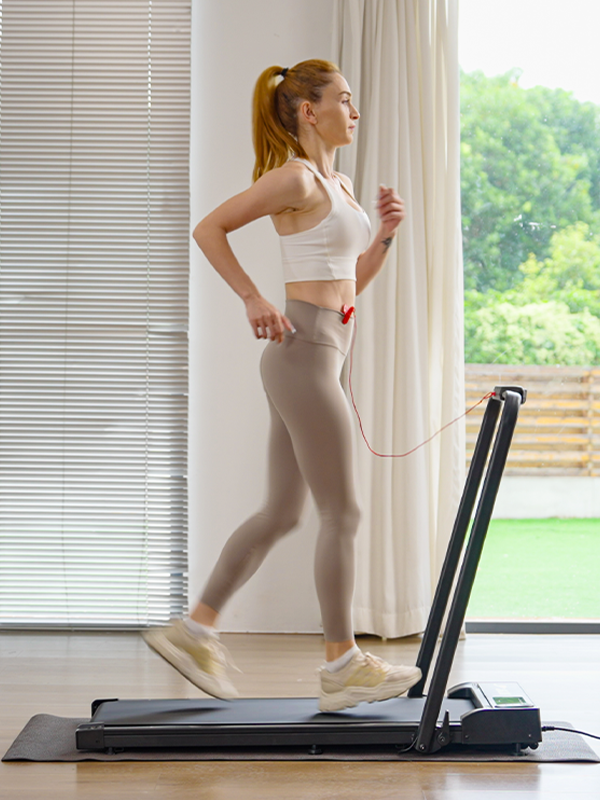





![How to Grease Treadmill Safely [Step-by-Step Guide]](http://www.ihoverboard.co.uk/cdn/shop/articles/action_with_JT51_1_720x_18dc289f-8e2a-468f-9236-daaad9ab883a_{width}x.webp?v=1773129854)
How to Grease Treadmill Safely [Step-by-Step Guide]
How to Grease Treadmill Safely [Step-by-Step Guide]
Keeping your treadmill or walking pad in top condition starts with proper lubrication. Knowing how to grease treadmill correctly reduces friction, prevents wear on the motor and belt, and ensures smoother, quieter workouts.
Whether you’re a daily runner or use a walking pad for light exercise, regular maintenance is essential. This step-by-step guide shows you exactly how to lubricate a treadmill and how to oil a walking pad safely, extending the lifespan of your machine.
Why Learning How to Grease a Treadmill Prevents Wear and Tear
Learning how to grease treadmill properly helps protect your machine from damage caused by daily use. When the running belt moves over the deck, friction is created. Without proper lubrication, this friction builds up and leads to faster wear on key components.
Reduced Friction and Smoother Performance
When you understand how to lubricate a treadmill, the belt can glide smoothly across the deck. This reduces resistance and prevents the belt from dragging, slipping, or feeling stiff during workouts.
Less Strain on the Motor
Many people ask how do you lube a treadmill to improve performance. Proper lubrication lowers the workload on the motor, helping it maintain speed without overheating or excessive power consumption.
Quieter and More Comfortable Workouts
Knowing how to oil a treadmill correctly can eliminate common noises such as squeaking or grinding. A well-lubricated treadmill runs more quietly and feels more stable underfoot.
Protection for Walking Pads Too
Even smaller machines benefit from lubrication. Understanding how to lubricate a walking pad or how to oil a walking pad helps reduce surface wear and keeps the belt moving evenly, especially with daily walking routines.
Longer Lifespan with Simple Maintenance
By regularly following the correct steps on how to grease treadmill, you minimize long-term damage, reduce repair costs, and extend the overall lifespan of your treadmill or walking pad. Proper lubrication is a small task that makes a big difference in performance and durability.
How Often Should You Lubricate a Treadmill or Walking Pad?
Knowing how often to grease a treadmill is just as important as understanding how to grease treadmill correctly. Lubricating too rarely can cause excessive friction and wear, while lubricating too often may lead to oil buildup and belt slipping. The ideal frequency depends mainly on how often and how intensely the machine is used.
Lubrication Frequency Based on Usage
A simple way to decide how often you should lubricate a treadmill is to look at your weekly usage time:
-
Light use (under 3 hours per week): Lubricate every 4–5 months
-
Moderate use (4–7 hours per week): Lubricate every 2–3 months
-
Heavy use (more than 7 hours per week): Lubricate once a month
These guidelines apply to both treadmills and walking pads, though walking pads used daily may still require frequent lubrication despite lower speeds.
Walking Pad Lubrication Schedule
Many users overlook maintenance for compact machines. However, understanding how to lubricate a walking pad is essential if it’s used for daily steps or under-desk walking. Because walking pads often operate continuously for long periods, they may dry out faster than expected. In this case, learning how to oil a walking pad every 1–2 months can help maintain smooth belt movement.
Check the Belt Before Lubricating
Instead of relying only on a calendar, it’s important to physically check the belt. If you’re unsure how do you lube a treadmill at the right time, feel the underside of the belt. A dry surface means it’s time to apply lubricant, while a slightly moist feel indicates you can wait a bit longer.
Signs You May Be Lubricating Too Late
If you delay lubrication, your machine will usually give warning signs, such as:
-
Increased noise during use
-
Slower belt response
-
Jerky or uneven movement
-
Higher motor strain
These are clear indicators that it’s time to review how to lubricate a treadmill or how to oil a treadmill properly.
Consistency Matters More Than Perfection
Regular, moderate lubrication is far better than infrequent heavy oiling. By following a consistent schedule and understanding how to grease treadmill based on your usage habits, you can protect both your treadmill and walking pad from premature wear and ensure reliable performance over time.
How Do You Lube a Treadmill? Simple Checks Before You Start
Before learning how to grease treadmill, it’s important to confirm whether lubrication is actually needed. Many users ask how do you lube a treadmill without realizing that applying lubricant too often can be just as harmful as not lubricating at all. Performing a few simple checks first helps protect the belt, deck, and motor.
Power Off and Unplug the Treadmill
Safety always comes first. Before inspecting or lubricating, turn off the treadmill and unplug it from the power source. This prevents accidental startup while you check the belt or prepare to lubricate.
Check the Underside of the Belt
To determine how to lubricate a treadmill at the right time, gently lift one side of the running belt—no tools are required. Slide your hand underneath and feel the surface of the deck:
-
Dry or rough surface: It’s time to lubricate
-
Slightly moist or slick surface: Lubrication is not yet needed
This simple test is one of the most reliable ways to decide how to oil a treadmill correctly.
Listen for Unusual Noises
Another sign that lubrication may be needed is noise. If you hear squeaking, grinding, or increased friction sounds during use, it often indicates a dry belt. These sounds are common when users delay learning how to grease treadmill maintenance.
Pay Attention to Belt Movement
A belt that feels sluggish, jerky, or slow to respond can signal increased friction. If the treadmill struggles to maintain speed, it may be time to review how do you lube a treadmill properly to reduce resistance and restore smooth movement.
Apply the Same Checks to Walking Pads
The same inspection steps apply to compact machines. Understanding how to lubricate a walking pad or how to oil a walking pad starts with checking belt dryness and movement. Even though walking pads operate at lower speeds, they still require regular inspection.
Avoid Lubricating Unless Necessary
Lubricating without checking can cause excess oil buildup, leading to belt slippage or floor damage. By performing these simple pre-checks, you ensure that when you do lubricate, you’re following best practices for how to grease treadmill safely and effectively.
What Is the Best Lubricant for Greasing a Treadmill or Walking Pad?
Choosing the right lubricant is a key part of learning how to grease treadmill the right way. Applying the wrong type of oil can damage the belt, degrade the deck surface, and reduce the lifespan of your machine. Whether you’re maintaining a traditional treadmill or a compact walking pad, using the best lubricant ensures smooth movement and long-term performance.
Why Silicone-Based Lubricants Are Ideal
When thinking about how to lubricate a treadmill, it’s important to choose a lubricant that:
-
Reduces friction effectively
-
Doesn’t wear down belt materials
-
Doesn’t attract dust or debris
-
Stays stable under regular use
100% silicone-based lubricants are widely recommended because they meet all these criteria. Silicone oil forms a thin, consistent layer between the belt and deck, allowing the belt to glide freely without causing heat buildup or gumming up over time.
What to Avoid: Oils That Can Harm Your Machine
Some treadmill owners mistakenly use household oils when learning how to oil a treadmill. These can cause serious problems:
-
Penetrating oils (like WD-40): Designed to loosen rust, not lubricate moving parts. They can break down belt materials.
-
Vegetable or cooking oils: Attract dust and form sticky residues that trap debris.
-
Motor oil or grease: Too thick and heavy—can clog components and make the motor work harder.
Avoiding these oils is especially important when you’re figuring out how to lubricate a walking pad, which typically has closer belt-to-deck contact and less internal clearance than larger treadmills.
Silicone-Lubricant vs. Spray Lubricants
There are two common forms of treadmill lubricant:
-
Pourable silicone oil (liquid): Most recommended for even application under the belt.
-
Spray silicone lubricant: Can be convenient but may overspray or distribute unevenly.
When learning how do you lube a treadmill, using pourable silicone oil gives you more control over how much lubricant you apply and where it goes.
Avoiding Additives and Thickeners
Some oils marketed for sports equipment contain additives or thickeners. While these might be useful in other applications, they’re not suitable for treadmill belts. Additives can:
-
Build up on the deck surface
-
Change friction properties
-
Reduce belt grip and stability
Sticking with a pure silicone lubricant ensures consistent glide and reduces the risk of long-term build-up.
Suitable Lubricants for Walking Pads
The same principles apply when considering how to oil walking pad belts. Walking pads often have smaller decks and lighter motors, but they still need a lubricant that reduces friction without damaging the belt surface. A high-quality silicone lubricant works well for these machines too.
Final Choice: Best Practices for Greasing
When you choose a lubricant for how to grease treadmill or how to lubricate a walking pad:
-
Always select a 100% silicone-based treadmill lubricant
-
Avoid household oils and penetrating sprays
-
Use the proper amount recommended by inspection (not excess)
-
Apply evenly under the belt
By selecting the right lubricant and using it correctly, you make your treadmill maintenance safer, more effective, and longer lasting.
Step-by-Step Guide: How to Lubricate a Treadmill Safely
Following the correct steps for how to grease treadmill ensures smooth operation, protects internal components, and prevents costly damage. Whether you’re maintaining a full-size treadmill or a compact unit, this step-by-step guide explains how to lubricate a treadmill safely and effectively.
Step 1: Turn Off and Unplug the Treadmill
Before doing anything, power off the treadmill and unplug it from the electrical outlet. This is a critical safety step that prevents accidental startup while you work under the belt. Proper preparation is essential when learning how do you lube a treadmill without risking injury.
Step 2: Expose the Belt Area
Gently lift one side of the running belt by hand. Most treadmills are designed so you can lift the belt slightly without loosening it. Avoid adjusting belt tension, as incorrect alignment can cause tracking issues. This step gives you access to the deck where lubrication is needed.
Step 3: Apply the Correct Amount of Lubricant
Use a 100% silicone-based lubricant and apply a small, controlled amount under the belt. For most treadmills, about 5 ml per side is sufficient. When learning how to oil a treadmill, remember that more is not better—excess lubricant can leak, attract dust, or cause belt slipping.
Step 4: Repeat on the Other Side
Move to the opposite side of the belt and apply the same amount of lubricant. This ensures even coverage across the deck surface. Balanced application is a key part of how to grease treadmill properly.
Step 5: Distribute the Lubricant Evenly
Plug the treadmill back in and turn it on at a slow speed. Let it run for 3–5 minutes without stepping on it. This allows the belt to spread the lubricant evenly across the deck, completing the process of how to lubricate a treadmill correctly.
Step 6: Test the Treadmill
After distribution, walk on the treadmill at a low speed. Pay attention to how the belt feels and sounds. A well-lubricated treadmill should operate smoothly and quietly, with no jerking or resistance.
Step 7: Clean Any Excess Lubricant
Check around the belt edges and floor area for excess oil. Wipe away any spills with a clean cloth. Keeping the area clean is especially important when learning how to oil a treadmill or maintain a walking pad.
Walking Pad Lubrication Tips
If you’re maintaining a compact unit, the same steps apply for how to lubricate a walking pad or how to oil a walking pad. Use smaller amounts of lubricant and allow extra time for even distribution due to the shorter deck length.
Key Safety Reminders
-
Never loosen the belt during lubrication
-
Do not exceed the recommended lubricant amount
-
Always use silicone-based lubricant only
By following these steps, you’ll master how to grease treadmill maintenance safely, ensuring smoother workouts, quieter operation, and long-term reliability for both treadmills and walking pads.
How to Lubricate a Walking Pad Without Damaging the Belt
Knowing how to lubricate a walking pad correctly is essential because walking pads are more compact and sensitive than traditional treadmills. Their thinner belts, shorter decks, and smaller motors mean that incorrect lubrication can quickly lead to belt slipping or surface damage. Following the right process helps you maintain smooth operation without harming the belt.
Understand Why Walking Pads Need Special Care
Although walking pads operate at lower speeds, the belt remains in constant contact with the deck during use. This continuous contact creates friction over time. Learning how to oil a walking pad properly reduces resistance while protecting the belt material from unnecessary stress.
Use the Right Lubricant and Amount
Always choose a 100% silicone-based lubricant when maintaining a walking pad. Avoid thick oils or sprays that may spread unevenly. Because walking pads are smaller, they require less lubricant—usually 3–5 ml total is enough. Using too much lubricant is a common mistake when applying general advice for how to grease treadmill to compact machines.
Lift the Belt Gently
To begin, turn off and unplug the walking pad. Carefully lift one side of the belt just enough to apply lubricant underneath. Do not force the belt upward, as excessive lifting can stretch or misalign it. Gentle handling is crucial when learning how to lubricate a walking pad safely.
Apply Lubricant Evenly
Apply a thin line of lubricant along the center of the deck under the belt. Avoid applying oil near the edges, where it can leak or cause slipping. This controlled application method mirrors best practices for how to oil a treadmill, adjusted for a smaller surface area.
Distribute the Lubricant Properly
After applying the lubricant, power on the walking pad at a slow speed and let it run for 3–5 minutes without stepping on it. This allows the belt to spread the lubricant evenly across the deck and prevents uneven wear.
Check for Belt Slippage or Residue
Once distribution is complete, walk slowly on the pad and observe the belt. If the belt slips or feels unstable, there may be too much lubricant. Wipe away any visible excess immediately. This step is critical to avoid belt damage when mastering how to oil a walking pad.
Maintain a Regular Lubrication Routine
Rather than lubricating heavily all at once, follow a consistent schedule based on usage. Regular, light lubrication keeps friction low and helps preserve the belt’s condition over time. This approach aligns with best practices for both how to grease treadmill and walking pad maintenance.
By using the correct lubricant, applying it carefully, and avoiding overuse, you can confidently maintain your walking pad. Understanding how to lubricate a walking pad without damaging the belt ensures smooth, quiet operation and extends the life of your machine.
Common Mistakes to Avoid When You Oil or Grease a Treadmill
Even when you know how to grease treadmill, it’s easy to make mistakes that can reduce performance or damage your machine. Avoiding these common errors ensures your treadmill or walking pad runs smoothly, quietly, and safely for years to come.
1. Using the Wrong Type of Lubricant
One of the biggest mistakes is applying household oils instead of proper treadmill lubricant. Many people wonder how to oil a treadmill and assume any oil will work. Avoid:
-
WD-40 or penetrating oils – they can damage belts and rollers
-
Cooking or vegetable oils – they attract dust and sticky debris
-
Motor oils or greases – too thick for treadmill decks
Always use 100% silicone-based treadmill lubricant. This applies equally to how to lubricate a walking pad, keeping the belt smooth without harmful residues.
2. Applying Too Much Lubricant
More lubricant is not better. Over-oiling can cause:
-
Belt slippage
-
Oil leaks onto the floor
-
Sticky residue buildup
When learning how do you lube a treadmill, apply small, controlled amounts (usually 5 ml per side for treadmills, slightly less for walking pads). This prevents over-saturation while still reducing friction effectively.
3. Lubricating Without Checking the Belt
Some users skip inspection and apply oil blindly. This can be just as harmful as neglecting maintenance. Always check if the belt feels dry before lubricating:
-
Lift the belt slightly and feel the deck
-
Only apply lubricant if the surface is dry or friction is noticeable
This step is critical in how to lubricate a treadmill and how to oil a walking pad. Lubricating unnecessarily can shorten belt lifespan and waste product.
4. Loosening or Adjusting the Belt While Lubricating
It’s tempting to adjust the belt tension when applying lubricant, but this can cause misalignment or uneven tracking. Proper how to grease treadmill technique does not require loosening the belt. Let the belt glide naturally over the deck while distributing the lubricant.
5. Skipping Even Distribution
Applying lubricant in one spot without spreading it can create dry areas and uneven friction. Always:
-
Apply lubricant along the deck under the belt
-
Turn the treadmill or walking pad on at low speed for a few minutes
-
Allow the belt to naturally distribute the oil evenly
This ensures consistent smoothness, prevents localized wear, and is key to how to oil a treadmill correctly.
6. Ignoring Walking Pads
Walking pads may be smaller, but they still need careful lubrication. Neglecting them or using treadmill-only guidance without adjustment can lead to belt damage. Learning how to lubricate a walking pad correctly means using less oil, applying it gently, and checking belt movement afterward.
Summary
Avoiding these mistakes keeps your treadmill or walking pad running efficiently:
-
Use only 100% silicone-based lubricant
-
Apply the right amount, not too much
-
Check the belt before lubrication
-
Don’t loosen or adjust the belt unnecessarily
-
Distribute oil evenly
-
Apply proper technique for walking pads too
By mastering these precautions, you’ll ensure your machine operates quietly, smoothly, and lasts longer while following best practices for how to grease treadmill and how to lubricate a walking pad.
Conclusion
Proper lubrication is one of the easiest and most effective ways to maintain your treadmill or walking pad. Knowing how to grease treadmill, how to lubricate a treadmill, or how to oil a treadmill ensures smoother belt movement, quieter operation, and less strain on the motor and components.
For compact machines, learning how to lubricate a walking pad or how to oil a walking pad is equally important. Even small amounts of friction over time can wear down the belt or deck if left unchecked. Regular, careful lubrication protects your investment and makes every workout safer and more enjoyable.
By following the steps outlined in this guide, checking the belt before applying lubricant, and avoiding common mistakes like using the wrong oil or over-lubricating, you can extend the lifespan of your treadmill or walking pad. Maintaining a consistent lubrication routine ensures your machine performs at its best—smoothly, quietly, and reliably—for years to come.
FAQs
What is the best way to lubricate a treadmill?
The best way to lubricate a treadmill is by using 100% silicone-based treadmill lubricant. First, turn off and unplug the treadmill, then gently lift the belt and apply a small amount (about 5 ml per side) under the running deck. Turn the treadmill on at a low speed for a few minutes to distribute the lubricant evenly. Following this method ensures smooth operation, reduces friction, and prolongs the life of your treadmill. The same process applies when learning how to lubricate a walking pad or how to oil a treadmill.
Do treadmills need grease?
Yes, treadmills require lubrication to reduce friction between the belt and deck. While the term “grease” is sometimes used interchangeably, the correct product is silicone-based treadmill oil rather than thick automotive grease. Proper lubrication is essential for quiet operation, reduced motor strain, and preventing premature wear, which is why knowing how to grease treadmill is key to maintenance.
What are the signs my treadmill needs lube?
You may need to lubricate your treadmill if you notice:
-
Squeaking, grinding, or unusual noises
-
Sluggish or jerky belt movement
-
Increased resistance while walking or running
-
Higher motor strain or unusual heat
To confirm, lift the belt slightly and check the deck—if it feels dry, it’s time to lubricate. These checks are important when learning how to oil a treadmill or how to lubricate a walking pad.
Can I use Vaseline to lubricate a treadmill?
No, Vaseline or petroleum-based products should never be used on a treadmill. These substances can damage the belt, leave sticky residue, and attract dust and debris. Always use 100% silicone-based treadmill lubricant. Using the correct lubricant is essential for proper how to grease treadmill maintenance and ensures smooth, safe operation.










Still, need help? Contact Us: support@ihoverboard.com
What's the option? Check out the option now!
Leave us a message