












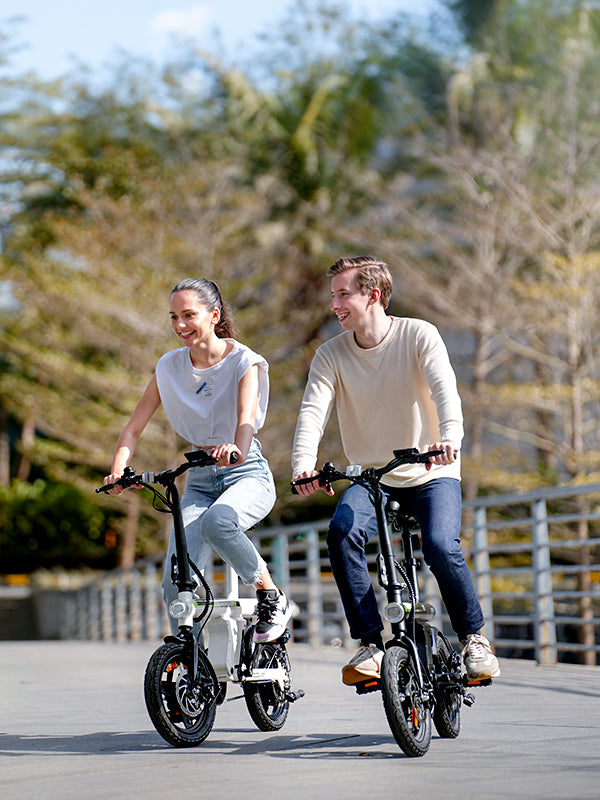






![How to Convert Bike to Electric [Step-by-Step Guide & Tips]](http://www.ihoverboard.co.uk/cdn/shop/articles/u4_foldable_ebike_{width}x.jpg?v=1772761837)
How to Convert Bike to Electric [Step-by-Step Guide & Tips]
How to Convert Bike to Electric [Step-by-Step Guide & Tips]
Converting a regular bike into an electric bike is an exciting way to enhance your rides, tackle hills with ease, and extend your cycling range. Learning how to convert bike to electric allows you to upgrade your existing bicycle without buying a completely new e-bike. With the right iHoverboard conversion kit, you can add a powerful motor, battery, and controls to transform your bike into a reliable, high-performance e-bike. This step-by-step guide covers everything from essential parts to installation and maintenance tips.
Why Learn How to Convert Bike to Electric?
Converting your standard bicycle into an electric bike is more than just a fun DIY project—it can transform how you ride every day. Understanding how to convert bike to electric helps you maximize your bike’s potential, save energy, and enjoy greater convenience. Here’s why it’s worth considering:
1. Make Commuting Easier and Faster
-
An electric conversion provides pedal assistance, reducing effort on long rides.
-
Hills and challenging terrains become effortless.
-
You can cover longer distances without getting tired.
2. Cost-Effective Alternative to Buying a New E-Bike
-
Converting your existing bike is cheaper than purchasing a fully electric bike.
-
You only need the conversion kit and basic tools, avoiding the high price of a brand-new e-bike.
-
iHoverboard kits offer reliable performance without a full bike replacement.
3. Eco-Friendly Transportation
-
Using an electric bike reduces reliance on cars, lowering your carbon footprint.
-
A converted bike encourages sustainable travel for commuting, errands, or leisure.
4. Personalize Your Ride
-
You can choose the level of motor assistance to match your needs.
-
Batteries and motors can be positioned for optimal comfort and weight distribution.
-
Conversion allows you to keep a bike you already love, instead of replacing it.
5. Improve Fitness While Staying Supported
-
Electric assistance helps you ride longer distances comfortably.
-
You can still pedal and get exercise, but with reduced strain on knees and joints.
-
Makes it easier to ride with friends of varying fitness levels.
6. Learn a Valuable DIY Skill
-
Converting a bike teaches you about motors, batteries, and wiring.
-
It’s an empowering hands-on project for cycling enthusiasts.
-
You’ll gain confidence in maintaining and troubleshooting your e-bike.
Essential Parts You Need to Convert Your Bike to Electric
If you want to know how to convert bike to electric, understanding the essential components is the first step. Each part plays a critical role in ensuring your conversion is safe, efficient, and long-lasting. Here’s what you need:
1. Electric Motor
The motor is the heart of your electric bike. It provides the power that assists your pedaling. There are three common types for conversions:
-
Front Hub Motor: Mounted in the front wheel; easy to install and suitable for most bikes.
-
Rear Hub Motor: Mounted in the rear wheel; provides better traction and smoother acceleration.
-
Mid-Drive Motor: Positioned near the pedals (crankset); offers high torque and is ideal for hills or off-road rides.
Tip: Choose a motor with sufficient power for your riding style. iHoverboard kits provide reliable motors optimized for city and leisure rides.
2. Battery Pack
The battery stores the energy to power your motor. Key factors to consider:
-
Capacity: Determines how far you can ride; measured in watt-hours (Wh).
-
Voltage: Commonly 36V or 48V; higher voltage can give more power.
-
Mounting Options: On the frame, handlebars, or rear rack.
Tip: Always use a high-quality battery compatible with your motor to ensure safety and longer lifespan. iHoverboard batteries are designed for easy installation and reliable performance.
3. Controller
The controller acts as the brain of your e-bike, connecting the battery, motor, and throttle. It regulates power output and ensures smooth operation.
Key points:
-
Controls how much assistance the motor provides.
-
Some controllers have built-in safety features to prevent overheating.
-
Essential for coordinating pedal-assist and throttle input.
4. Throttle and Pedal-Assist Sensor (PAS)
-
Throttle: Lets you control motor power manually, similar to a scooter.
-
PAS: Detects when you pedal and automatically adds electric assistance.
Tip: Many kits include both for flexible riding options. iHoverboard kits integrate these seamlessly for beginner-friendly installation.
5. Wiring and Connectors
-
Includes cables, connectors, and sometimes protective casings.
-
Ensures a secure connection between battery, motor, throttle, and sensors.
-
Proper wiring prevents shorts and improves durability.
Tip: Use cable ties and proper routing to avoid interference with wheels or pedals.
6. Mounting Hardware
-
Brackets, clamps, and fasteners hold the motor, battery, and sensors securely.
-
Quality mounting hardware reduces vibrations and ensures safe operation.
-
Some kits include a handlebar bracket for displays or controls.
7. Optional Accessories
-
LCD Display: Shows speed, battery level, and distance.
-
Brake Cut-Off Sensors: Automatically stops motor when brakes are applied.
-
Lights or Horns: Useful for safety on streets or trails.
Summary:
To successfully learn how to convert bike to electric, you need a motor, battery, controller, throttle/PAS, wiring, and proper mounting hardware. Optional accessories like displays or brake sensors enhance convenience and safety. Using a complete iHoverboard conversion kit ensures all these parts are compatible and easy to install.
Step-by-Step Guide on How to Convert Bike to Electric
Learning how to convert bike to electric is much easier when you follow a clear, step-by-step process. By taking it one step at a time, you can safely and efficiently turn your standard bike into a fully functional e-bike using an iHoverboard conversion kit.
Step 1: Choose the Right Conversion Kit
-
Motor Type: Decide between front hub, rear hub, or mid-drive motor based on your riding needs.
-
Battery Compatibility: Ensure the battery matches the motor voltage and capacity.
-
Bike Compatibility: Check wheel size, brake type, and frame clearance.
Tip: iHoverboard kits are designed for a wide range of bikes and include all necessary components, making the selection easier.
Step 2: Install the Motor
-
Front/Rear Hub Motor: Remove the wheel and replace it with the motorized wheel from your kit.
-
Mid-Drive Motor: Replace the existing crankset with the motorized crankset included in the kit.
-
Alignment: Make sure the motor is centered and secure to avoid vibrations.
Tip: Tighten all nuts and bolts properly and check that the wheel spins freely without rubbing the brakes.
Step 3: Mount and Connect the Battery
-
Mounting Location: Common options include the downtube, rear rack, or handlebar bracket.
-
Connection: Plug the battery into the controller using the supplied cables.
-
Secure: Use clamps or straps to ensure the battery does not move while riding.
Tip: Always use a high-quality battery like iHoverboard packs for safety and longevity.
Step 4: Install the Controller and Wiring
-
Controller Placement: Usually under the seat or on the frame.
-
Cable Routing: Run wires along the frame and secure with cable ties.
-
Connections: Connect the controller to the motor, battery, throttle, and pedal-assist sensor (PAS).
Tip: Keep cables away from moving parts to prevent damage and maintain a clean look.
Step 5: Attach the Throttle and Pedal-Assist Sensor (PAS)
-
Throttle: Clamp to the handlebars for easy access.
-
PAS Sensor: Attach near the crankset and align with the magnet disc.
-
Calibration: Adjust sensor alignment to ensure smooth pedal assistance.
Tip: iHoverboard kits include pre-calibrated sensors to simplify setup for first-time converters.
Step 6: Test Your Electric Bike
-
Power On: Turn on the battery and controller.
-
Check Assistance: Test throttle and pedal-assist at low speed.
-
Adjust Settings: Fine-tune the PAS, power levels, and brake cut-off sensors.
-
Safety Check: Ensure brakes, wheel alignment, and battery are secure before riding.
Tip: Take your first ride slowly in a safe area to confirm everything works correctly.
Summary:
By following these six steps, you’ll know exactly how to convert bike to electric safely and efficiently. With a reliable iHoverboard conversion kit, you get all the parts pre-matched, making the process beginner-friendly while ensuring long-lasting performance.
Tips for Maintaining a Bike Converted to Electric
Once you know how to convert bike to electric, proper maintenance is key to keeping your e-bike running smoothly, safely, and efficiently. Regular care not only extends the life of your components but also ensures a safe and enjoyable ride. Here are the essential tips:
1. Battery Care
-
Charge Regularly: Charge the battery after each ride to prevent deep discharge.
-
Storage: Store in a cool, dry place away from direct sunlight or extreme temperatures.
-
Check Connections: Ensure battery terminals and plugs are clean and secure.
-
Use Recommended Chargers: Only use the charger provided with your iHoverboard kit to avoid damage.
Tip: A well-maintained battery ensures consistent motor performance and long-term reliability.
2. Motor Maintenance
-
Keep It Clean: Wipe down the motor regularly, avoiding water infiltration.
-
Check for Vibration: Ensure bolts and mounts are tight to prevent motor movement.
-
Inspect Wires: Look for frayed or loose wiring that could affect motor performance.
Tip: Front and rear hub motors generally require less maintenance than mid-drive motors but still need periodic checks.
3. Inspect Wiring and Connectors
-
Visual Checks: Look for exposed or damaged wires.
-
Secure Cables: Use cable ties to prevent wires from rubbing against moving parts.
-
Protect from Moisture: Ensure connectors are dry and covered to avoid corrosion.
Tip: Proper wiring maintenance prevents shorts, disconnections, and sudden power loss while riding.
4. Brake and Wheel Checks
-
Brake Adjustment: Ensure brakes are properly aligned, especially after installing a motorized wheel.
-
Wheel Tightness: Check that motorized wheels are securely fastened to prevent wobbling.
-
Tire Condition: Inspect tires for wear or punctures and maintain correct pressure.
Tip: Brakes and wheels are critical for safety—never skip regular checks.
5. Pedal-Assist Sensor (PAS) and Throttle
-
Sensor Alignment: Ensure the PAS sensor is correctly aligned with the magnet disc.
-
Throttle Smoothness: Check that the throttle responds without delay or sticking.
-
Adjust Assistance Levels: Fine-tune your PAS or power levels for optimal riding comfort.
Tip: Misaligned sensors can cause erratic motor assistance, so check them every few weeks.
6. Regular Software or Display Updates (if applicable)
-
Some iHoverboard kits come with displays or apps for monitoring speed, battery, and motor performance.
-
Keep firmware updated for optimal functionality.
Tip: Software updates can improve performance and safety features.
7. General Safety and Ride Checks
-
Pre-Ride Inspection: Do a quick check before each ride—battery, brakes, tires, and motor.
-
Listen for Unusual Noises: Any grinding or unusual sounds may indicate a loose component.
-
Store Safely: Keep your converted e-bike in a safe location to avoid damage or theft.
Summary:
Maintaining a bike converted to electric is straightforward if you focus on battery care, motor upkeep, wiring inspection, and regular safety checks. Following these tips ensures your iHoverboard conversion kit delivers reliable performance, long-lasting components, and a smooth, safe ride every time.
Conclusion
Converting your bike to electric is a practical, cost-effective way to enhance your rides and enjoy effortless commuting, hill climbing, and longer adventures. By understanding how to convert bike to electric, choosing the right iHoverboard conversion kit, and following the step-by-step installation guide, anyone can transform a standard bicycle into a powerful, reliable e-bike.
Proper maintenance—including battery care, motor checks, wiring inspections, and regular safety routines—ensures your converted e-bike performs consistently and lasts for years. Whether you’re looking to reduce fatigue on long rides, explore new routes, or make commuting faster and more enjoyable, a converted e-bike offers flexibility, efficiency, and fun.
Start your journey today with an iHoverboard conversion kit and experience the freedom and convenience of electric-assisted cycling.
FAQs
How much does it cost to convert a bike to electric?
The cost of converting a bike to electric varies depending on the motor type, battery size, and included accessories. Basic hub motor kits typically start around £300–£500 ($350–$600), while mid-range mid-drive kits range from £500–£800 ($600–$950). High-end kits with larger batteries and additional features can exceed £800 ($1000). Choosing a high-quality iHoverboard conversion kit ensures compatibility, safety, and reliable performance, making it a worthwhile investment.
Can you convert a normal bicycle to electric?
Yes, almost any standard bicycle can be converted to electric. Road bikes, hybrids, and mountain bikes can all be upgraded using a conversion kit. It’s important to consider the wheel size, brake type, and frame compatibility for hub motors, as well as bottom bracket width and frame material for mid-drive motors. With an iHoverboard kit, the process is straightforward, even for beginners, and allows you to retain your existing bike while adding electric power.
How fast is 3000W in mph?
A 3000W motor is extremely powerful and can propel a bike to high speeds. On flat roads with an average rider and bike, a 3000W system can reach approximately 50–60 mph (80–97 km/h). However, top speed depends on factors like bike weight, rider weight, terrain, and wind resistance. It’s important to note that most countries have legal limits on e-bike power and speed. For example, in the UK and EU, electric bikes are usually limited to 250W–500W to remain road-legal.
Is it cheaper to convert a bike to electric?
Converting a bike to electric is generally more cost-effective than buying a new e-bike. By using your existing bicycle frame and wheels, you only pay for the motor, battery, and necessary components. This approach avoids the higher price of fully integrated e-bikes. iHoverboard conversion kits provide a reliable, ready-to-install solution that delivers excellent performance at a fraction of the cost of a new electric bike.





Still, need help? Contact Us: support@ihoverboard.com
What's the option? Check out the option now!
Leave us a message