




















![How Long to Walk 10,000 Steps on a Treadmill [Complete Guide]](http://www.ihoverboard.co.uk/cdn/shop/articles/JT52_easy_fold_mb_{width}x.png?v=1773196578)
How Long to Walk 10,000 Steps on a Treadmill [Complete Guide]
How Long to Walk 10,000 Steps on a Treadmill [Complete Guide]
Walking 10,000 steps a day is a popular fitness goal for improving health, boosting energy, and managing weight. If you’re using a treadmill, you might wonder how long to walk 10,000 steps on a treadmill to achieve maximum benefits. This guide breaks down average walking times, factors that affect your pace, and tips to reach your step goal efficiently. Whether you’re a beginner or an experienced walker, understanding these details will help you plan a consistent and effective treadmill routine.
Why Walking 10,000 Steps Matters
Walking 10,000 steps a day has become a widely recognized fitness benchmark, and for good reason. This target is more than just a number—it represents a meaningful daily goal that supports overall health, fitness, and well-being. Whether you’re walking outdoors or using a treadmill, achieving 10,000 steps consistently has several significant benefits.
1. Cardiovascular Health
Regular walking strengthens your heart and improves circulation. By walking 10,000 steps daily, your heart pumps more efficiently, reducing the risk of cardiovascular diseases such as high blood pressure, heart attacks, and stroke. Even a moderate pace on a treadmill can enhance blood flow and help maintain healthy arteries. For those wondering how long to walk 10000 steps on treadmill, keeping a steady pace ensures your cardiovascular system gets the full benefit.
2. Weight Management and Calorie Burn
Walking is a low-impact exercise that effectively burns calories. Completing 10,000 steps can burn anywhere from 300 to 500 calories, depending on your speed, stride, and treadmill incline. This consistent activity not only helps with weight management but also boosts metabolism. By tracking your progress on a treadmill, you can see exactly how long it takes to walk 10,000 steps and plan your daily routine around it, making it easier to stay on track with your fitness goals.
3. Mental Health Benefits
Walking isn’t just good for your body—it’s great for your mind. Regular movement, such as hitting the 10,000-step goal, releases endorphins that reduce stress and improve mood. It can also support better sleep, reduce anxiety, and even improve cognitive function. Walking on a treadmill allows you to incorporate these mental health benefits into your daily schedule regardless of weather conditions, ensuring consistency in your routine.
4. Accessible and Sustainable Fitness
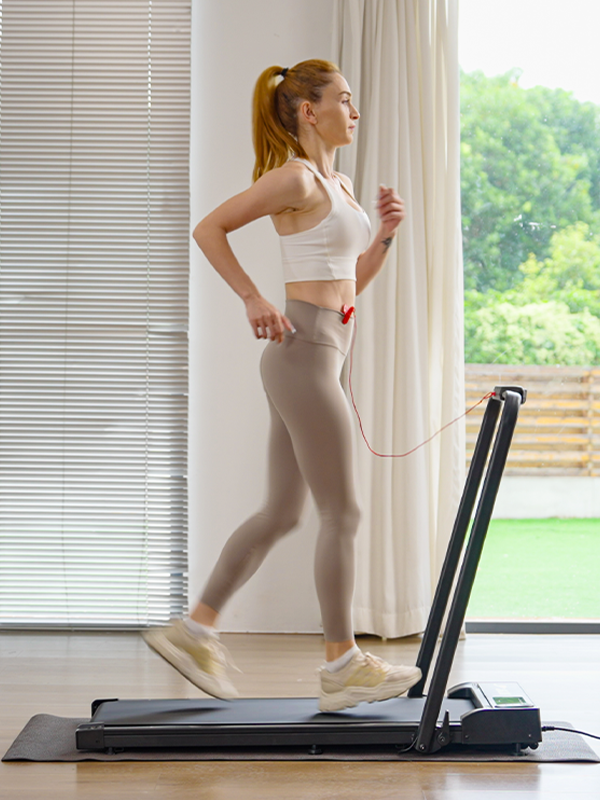
One of the main reasons 10,000 steps is a practical goal is its accessibility. Walking requires no special equipment beyond comfortable shoes—or a treadmill like the ones from iHoverboard—and can be adjusted to your fitness level. Treadmills allow you to control speed and incline, making it possible to challenge yourself safely. Knowing how long to walk 10000 steps on treadmill helps you fit this activity into your daily life, whether in a single session or spread throughout the day.
5. Motivation Through Measurable Goals
The 10,000-step target gives a tangible, measurable objective that encourages consistency. Tracking steps on a treadmill provides immediate feedback, making it easier to set realistic goals and stay motivated. By understanding your walking time, you can optimize your pace and gradually increase intensity, improving both fitness and endurance over time.
Average Time to Walk 10,000 Steps on a Treadmill
Understanding how long it takes to walk 10,000 steps on a treadmill is key for planning your daily fitness routine. While the exact time depends on your pace, stride length, and treadmill settings, we can estimate an average range based on walking speed and typical step counts.
1. Moderate Walking Pace
For most adults, a moderate walking pace on a treadmill is around 3 to 4 miles per hour (4.8 to 6.4 km/h). At this speed, a person usually takes about 1 hour 15 minutes to 1 hour 40 minutes to complete 10,000 steps. This pace is ideal for those focusing on general fitness, heart health, and maintaining a steady calorie burn.
-
Why it matters: A moderate pace is comfortable for most people and can be sustained for longer sessions, making it easier to hit the 10,000-step goal without fatigue.
-
Calories burned: Walking 10,000 steps at this pace typically burns 300–400 calories, depending on body weight and treadmill incline.
2. Brisk Walking Pace
If you increase your speed to a brisk pace of 4 to 5.5 miles per hour (6.4 to 8.8 km/h), you can complete 10,000 steps in approximately 60 to 75 minutes. Brisk walking increases cardiovascular intensity, engages more muscles, and burns more calories in less time.
-
Why it matters: A brisk pace is excellent for those aiming to combine cardio training with their daily step goal.
-
Calories burned: Brisk walking can burn 400–500 calories for 10,000 steps, providing a more efficient workout for weight management.
3. Factors That Influence Your Walking Time
Even with these average estimates, the actual time to complete 10,000 steps can vary based on:
-
Stride Length: Individuals with longer strides take fewer steps to cover the same distance, reducing total walking time.
-
Treadmill Incline: Walking uphill increases calorie burn but slows your pace, which can slightly extend your total walking time.
-
Breaks or Pauses: Short rests during your treadmill session add to the overall time. Tracking step count while including breaks is essential for accurate planning.
-
Fitness Level: Those with higher endurance can maintain faster speeds, reducing the time needed to reach 10,000 steps.
4. Practical Tip for Planning Your Treadmill Routine
If you’re tracking how long to walk 10,000 steps on treadmill, it’s helpful to calculate your steps per minute. For example:
-
Moderate Pace Example:
10,000 steps ÷ 80 minutes ≈ 125 steps per minute -
Brisk Pace Example:
10,000 steps ÷ 65 minutes ≈ 154 steps per minute
Knowing your approximate step rate allows you to adjust speed or session duration to meet your daily goal efficiently.
5. Summary
On average, walking 10,000 steps on a treadmill takes 1 to 2 hours, depending on speed, treadmill settings, and individual factors. By tracking your pace and step count, you can plan your daily routine to fit your schedule, ensuring that your step goal contributes effectively to your fitness and health objectives.
Factors Affecting How Long It Takes
The time it takes to complete 10,000 steps on a treadmill is not fixed—it varies depending on several personal, environmental, and treadmill-specific factors. Understanding these can help you plan your walking routine efficiently and optimize the health benefits of your treadmill workouts.
1. Personal Factors
Age
Age can influence walking pace and endurance. Younger adults typically maintain a faster walking speed, while older adults may need a slower pace to stay comfortable and avoid strain. For older adults, knowing how long to walk 10000 steps on treadmill helps in pacing themselves safely while still achieving the step goal.
Fitness Level
Your current fitness level directly affects walking speed. Individuals with higher cardiovascular fitness and leg strength can sustain brisk walking for longer periods, reducing the time needed to reach 10,000 steps. Beginners may require more breaks and a slower pace, extending the total walking time.
Health Conditions
Certain health conditions, such as joint issues, arthritis, or cardiovascular limitations, can impact your walking efficiency. Adjusting treadmill speed, incline, and session duration allows you to complete your steps safely. Consulting a healthcare professional can help determine an appropriate pace and total walking time.
2. Treadmill Settings
Speed
The treadmill speed you select is the most significant factor in determining how long it takes to walk 10,000 steps on a treadmill. Moderate speeds (3–4 mph / 4.8–6.4 km/h) require about 75–100 minutes, while brisk speeds (4–5.5 mph / 6.4–8.8 km/h) reduce the time to roughly 60–75 minutes. Adjusting speed based on fitness level allows for an efficient yet sustainable workout.
Incline
Walking on an incline increases muscle engagement and calorie burn but can slow your pace. Even a slight incline simulates outdoor terrain and enhances cardiovascular benefits, but it may slightly increase the time needed to reach 10,000 steps. Including incline variations strategically can improve fitness without dramatically affecting total walking time.
Pre-Set Programs
Many modern treadmills, including iHoverboard models, offer pre-set programs like interval training, hill climbs, or endurance walks. These programs adjust speed and incline automatically. While they can make workouts more engaging and effective, they may also affect the total time needed to reach 10,000 steps depending on intensity and rest intervals.
3. Walking Technique
Stride Length
Longer strides reduce the number of steps required to cover a given distance, potentially shortening the time to reach 10,000 steps. Conversely, shorter strides require more steps and slightly extend walking duration.
Posture and Form
Maintaining proper posture and natural arm swing can enhance efficiency, allowing you to sustain your pace comfortably and achieve your step goal without unnecessary fatigue.
Consistency
Walking consistently at a steady pace is more efficient than frequently starting, stopping, or changing speed. Consistency ensures you complete your 10,000 steps in a predictable time frame and maximizes cardiovascular and calorie-burning benefits.
4. Breaks and Session Planning
Taking short breaks during your treadmill session will naturally increase the total time to reach 10,000 steps. Some individuals prefer splitting steps into multiple sessions (e.g., 5,000 steps in the morning and 5,000 in the evening). While this approach may extend total walking time, it improves endurance and fits more easily into daily routines.
Summary
Several factors affect how long to walk 10000 steps on treadmill, including:
-
Personal factors like age, fitness level, and health conditions
-
Treadmill settings such as speed, incline, and pre-set programs
-
Walking technique, including stride length, posture, and consistency
-
Breaks and session planning
By understanding and adjusting these variables, you can tailor your treadmill workouts to match your fitness level, achieve your daily step goal efficiently, and enjoy all the associated health benefits.
Tips to Reach 10,000 Steps on a Treadmill Efficiently
Reaching 10,000 steps on a treadmill doesn’t have to feel overwhelming. With the right strategies, you can maximize your efficiency, track your progress accurately, and enjoy your workouts. Here are proven tips to help you reach your step goal consistently.
1. Use a Treadmill with Accurate Step Tracking
Modern treadmills, like those from iHoverboard, provide built-in step counters that track your steps in real-time. Knowing your current step count allows you to monitor your progress and pace yourself appropriately. This is especially helpful when figuring out how long to walk 10000 steps on treadmill, as you can adjust speed or duration based on the remaining steps.
-
Tip: Sync your treadmill with a fitness tracker or smartwatch for more precise tracking and detailed metrics like calories burned, distance, and pace.
2. Break Steps Into Manageable Sessions
Walking 10,000 steps in one continuous session may feel intimidating for beginners or those with limited time. Splitting your steps into multiple sessions, such as 5,000 steps in the morning and 5,000 steps in the evening, can make it more manageable.
-
Benefits:
-
Reduces fatigue and keeps energy levels steady
-
Makes it easier to fit treadmill walking into a busy schedule
-
Provides multiple short boosts of physical activity for better metabolism and circulation
3. Adjust Speed and Incline Strategically
Your treadmill speed and incline play a crucial role in how long it takes to reach 10,000 steps.
-
Speed: Walk at a pace that challenges you but is sustainable. Moderate speeds (3–4 mph / 4.8–6.4 km/h) are ideal for longer sessions, while brisk speeds (4–5.5 mph / 6.4–8.8 km/h) help shorten the time to complete 10,000 steps.
-
Incline: Adding a slight incline (1–3%) increases calorie burn and engages more muscles. Gradually increasing incline can improve endurance and strength without drastically increasing the total time to reach your step goal.
4. Warm-Up and Cool-Down for Efficiency
Starting at a slower pace for 5–10 minutes warms up muscles and joints, reducing the risk of injury. Similarly, cooling down at a slower pace at the end helps your body recover and maintains long-term sustainability. Including warm-up and cool-down periods ensures that you can maintain a consistent pace for the main part of your treadmill session, making your steps more efficient.
5. Maintain Proper Walking Form
Efficient walking form allows you to sustain a faster pace without unnecessary fatigue:
-
Keep your head up and shoulders relaxed
-
Swing your arms naturally to assist momentum
-
Maintain an upright posture and avoid leaning forward
-
Take natural strides that feel comfortable for your body
Proper form ensures that you reach 10,000 steps in the most effective manner and minimizes strain on joints or muscles.
6. Track Your Progress and Set Realistic Goals
Monitoring your progress keeps you motivated and accountable. Use treadmill data, apps, or fitness trackers to:
-
Record daily step count
-
Note walking speed and session duration
-
Set mini-goals (e.g., 2,500 steps every 20–25 minutes)
By breaking your 10,000-step goal into smaller, achievable targets, you can walk efficiently without feeling overwhelmed.
7. Stay Consistent and Plan Your Routine
Consistency is key to achieving 10,000 steps daily. Decide on a regular treadmill schedule that fits your lifestyle. Knowing how long to walk 10000 steps on treadmill allows you to plan around your day efficiently—whether it’s a single session or divided into multiple shorter walks.
-
Pro Tip: Listen to your body and adjust the pace or session length based on energy levels and recovery needs.
Summary
To reach 10,000 steps on a treadmill efficiently:
-
Track your steps using an accurate treadmill or fitness tracker
-
Break the steps into multiple manageable sessions if needed
-
Adjust speed and incline strategically for both efficiency and intensity
-
Maintain proper walking form and include warm-up/cool-down
-
Monitor your progress and set achievable goals
-
Follow a consistent daily routine
By applying these tips, you can confidently achieve your daily step goal, maximize the health benefits of treadmill walking, and better manage how long to walk 10000 steps on treadmill.
Conclusion
Walking 10,000 steps on a treadmill is more than just a fitness target—it’s a simple, effective way to improve cardiovascular health, manage weight, boost mental well-being, and maintain overall physical fitness. While the exact time to walk 10,000 steps on a treadmill depends on factors like walking speed, stride length, treadmill incline, and personal fitness level, most people can complete it in 1 to 2 hours with a moderate pace. Brisk walking or adjusting treadmill settings can shorten this time, making it easier to fit into busy schedules.
By understanding the factors that influence walking time and applying strategies such as tracking steps, maintaining proper form, and planning your treadmill routine, you can reach your step goal efficiently and safely. Using tools like iHoverboard treadmills, with accurate step tracking and adjustable settings, makes it even easier to achieve your daily goal while enjoying a consistent and effective workout.
Ultimately, committing to daily treadmill walking not only helps you hit 10,000 steps but also fosters a sustainable, healthy lifestyle. Start today, track your progress, and experience the full range of physical and mental benefits that walking on a treadmill can bring.









Still, need help? Contact Us: support@ihoverboard.com
What's the option? Check out the option now!
Leave us a message