




















![How Long Does Electric Bike Battery Last? [Complete Guide]](http://www.ihoverboard.co.uk/cdn/shop/articles/u4_ebike_suspension_{width}x.jpg?v=1772761746)
How Long Does Electric Bike Battery Last? [Complete Guide]
How Long Does Electric Bike Battery Last? [Complete Guide]
Electric bikes are becoming a popular choice for commuting, leisure, and fitness, but one question many riders ask is how long does electric bike battery last. Understanding battery lifespan, range, and maintenance is key to getting the most from your iHoverboard e-bike. In this guide, we break down everything you need to know about battery types, capacity, care tips, and factors that affect performance. With the right knowledge, you can enjoy longer, worry-free rides while keeping your battery healthy for years.
How Electric Bike Batteries Work
Electric bike batteries are the heart of your e-bike, powering the motor and giving you that extra boost while you ride. Understanding how they work can help you get the most from your iHoverboard e-bike and make your rides longer and more enjoyable.
1. What the Battery Does
-
Your battery stores electrical energy and supplies it to the motor.
-
When you pedal, the motor draws power from the battery to assist your pedalling.
-
The result: easier uphill climbs, faster acceleration, and less effort overall.
2. Key Measurements to Know
To understand your battery’s performance, there are three main measurements to pay attention to:
-
Voltage (V): Determines the speed potential of your bike. Higher voltage means energy flows faster through the motor.
-
Amps (A): Measures the electrical current, essentially showing how much power is available.
-
Watt-hours (Wh): Combines volts and amps to indicate how much energy your battery can provide over time. Higher watt-hours usually mean a longer ride.
3. Battery Capacity
-
Amp-hours (Ah): Shows how much current the battery can supply per hour. For example, a 10Ah battery can supply 1 amp for 10 hours.
-
Watt-hours (Wh): Calculated by multiplying volts × amps. For instance, a 36V, 10Ah battery equals 360Wh. This is a useful number for comparing the real-world range of different batteries.
4. How Riding Conditions Affect Battery Life
Your battery’s performance isn’t fixed—it changes depending on how you ride:
-
Hills and inclines: Steeper terrain uses more battery power.
-
Speed: Higher speeds drain the battery faster.
-
Weight: A heavier rider or added luggage reduces the distance you can travel.
5. Why Understanding This Matters
Knowing these basics allows you to:
-
Choose the right iHoverboard e-bike battery for your riding style.
-
Predict how far you can ride on a single charge.
-
Take better care of your battery to extend its lifespan.
Types of Electric Bike Batteries
When it comes to iHoverboard e-bikes, the battery type plays a major role in performance, weight, and how far you can ride. Most modern e-bikes, including iHoverboard models, use lithium-ion batteries, but it helps to understand why and how battery placement affects your ride.
1. Lithium-Ion Batteries (Li-Ion)
Lithium-ion batteries are the standard for e-bikes due to their lightweight design, long lifespan, and reliable performance.
-
Lightweight: Easier to carry and doesn’t make your bike feel heavy.
-
Long-lasting: Can handle hundreds of charging cycles with minimal capacity loss.
-
Low memory effect: You don’t need to fully discharge the battery before recharging.
-
Slow self-discharge: Holds charge well even if left unused for weeks.
2. Battery Placement
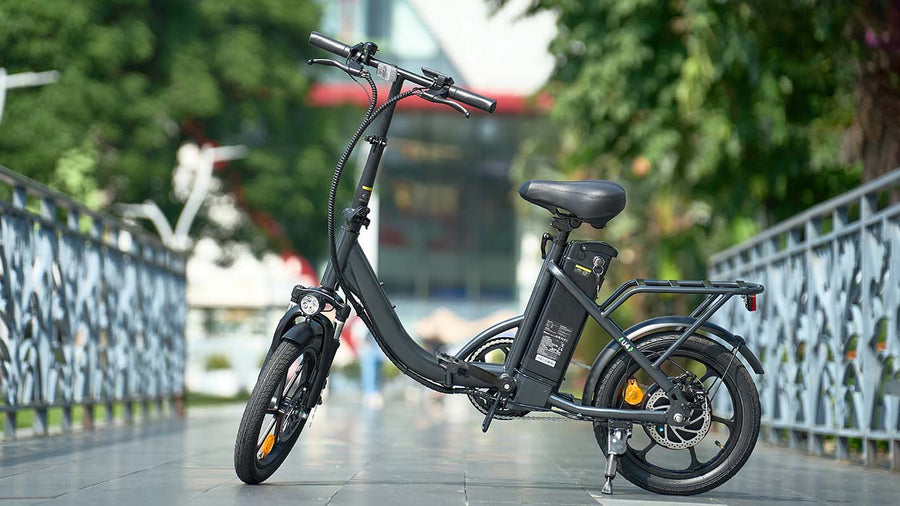
Where the battery is located affects balance, handling, and aesthetics. iHoverboard e-bikes typically use centre-mounted or rear-mounted batteries:
-
Centre-Mounted Batteries:
-
Placed along the bike frame, near the pedals.
-
Provides better balance and stability.
-
Makes pedalling feel natural, especially on hills.
-
Rear-Mounted Batteries:
-
Located over or near the rear wheel.
-
Adds weight at the back, giving better traction and smoother acceleration.
-
Often easier to remove for charging.
3. Battery Capacity Options
Battery capacity is measured in watt-hours (Wh). Higher Wh means more energy and longer range per charge. For example:
-
300Wh battery: Ideal for shorter rides or urban commuting.
-
400–500Wh battery: Suitable for longer rides, hilly terrain, or heavier riders.
4. Why It Matters
Understanding the type and placement of your battery helps you:
-
Choose the right iHoverboard e-bike for your distance and terrain needs.
-
Improve handling and riding comfort.
-
Maximise battery life by following proper care and usage practices.
How Long Does an Electric Bike Battery Last?
One of the most common questions for e-bike owners is: “How long does an electric bike battery last?” The answer depends on multiple factors, including the type of battery, riding style, terrain, and maintenance. Understanding these details helps you plan rides and get the most out of your iHoverboard e-bike.
1. Average Lifespan of an E-Bike Battery
-
A good quality lithium-ion battery, like those used in iHoverboard e-bikes, typically lasts around 5 years.
-
This lifespan is based on normal usage, proper care, and moderate riding conditions.
-
Over time, batteries slowly lose capacity, meaning the range per charge may gradually decrease.
2. Factors That Affect Battery Life
|
Factor |
How It Affects Battery Life |
|
Riding Distance & Frequency |
Frequent long rides or daily commuting will cause faster wear. |
|
Terrain & Hills |
Riding on steep or uneven terrain requires more power, draining the battery faster. |
|
Speed & Pedalling Style |
Higher speeds or aggressive pedalling use more energy. Maintaining a steady cadence helps preserve battery life. |
|
Rider Weight & Load |
Heavier riders or carrying extra weight reduces range and can impact long-term battery health. |
|
Temperature |
Extreme cold or heat can temporarily reduce battery efficiency and affect long-term lifespan. |
|
Maintenance & Charging Habits |
Proper charging, storage, and regular checks prolong battery life. Avoid leaving the battery fully charged for long periods or fully discharged for storage. |
3. Typical Range per Charge
The range you get per charge depends on the battery’s watt-hour (Wh) capacity:
-
300Wh battery: Up to 37 miles in moderate conditions.
-
400Wh battery: Up to 51 miles.
-
500Wh battery: Up to 63 miles.
(These examples are based on average usage at a moderate speed with typical rider weight, similar to iHoverboard testing conditions.)
4. Tips to Maximise Your Battery’s Lifespan
-
Avoid extreme discharge: Recharge before the battery is completely empty.
-
Store properly: Keep your battery at 30–60% charge in a cool, dry place when not in use.
-
Maintain smooth riding: Avoid frequent rapid acceleration and heavy braking.
-
Monitor usage: Track battery performance over time to detect any drops in efficiency.
5. When to Consider Replacement
-
If the battery no longer holds a charge long enough for your typical rides, it may be nearing the end of its useful life.
-
iHoverboard batteries are designed to last the bike’s lifetime under normal use, but eventually, replacement may be necessary.
Tips to Maximise Battery Life and Range
Getting the most out of your iHoverboard e-bike means understanding how to protect your battery and extend your ride distance. With a few simple habits, you can keep your battery healthy for years and enjoy longer trips without worrying about running out of power.
1. Ride Smoothly and Maintain a Steady Cadence
-
Avoid frequent rapid acceleration and hard braking, which drain the battery faster.
-
Aim for a pedal cadence above 50 revolutions per minute, keeping your pedalling consistent.
-
Smooth riding reduces the load on the motor and battery, improving efficiency.
2. Manage Your Weight and Load
-
Extra weight from cargo, bags, or even a heavier rider consumes more battery power.
-
Minimise unnecessary luggage to get the best range per charge.
-
Distribute weight evenly, especially if your iHoverboard e-bike has a rear-mounted battery.
3. Optimize Gear and Motor Assistance
-
Use the correct gear for your terrain; lower gears help on hills without overloading the battery.
-
Moderate your motor assistance level. Using high assistance constantly will drain the battery faster, while moderate levels balance effort and range.
4. Maintain Tyre Pressure
-
Properly inflated tyres reduce rolling resistance and improve battery efficiency.
-
Check tyre pressure regularly and keep it at the manufacturer-recommended level.
5. Charge and Store Properly
-
Charge before the battery is empty, ideally keeping it above 20% for daily use.
-
Avoid leaving the battery fully charged for extended periods, as this can slightly reduce lifespan.
-
Store your battery at 30–60% charge in a cool, dry place when not in use. Avoid extreme temperatures.
6. Plan Your Rides
-
For longer trips, plan your route to avoid frequent stops and steep climbs, which can rapidly consume battery power.
-
Combine pedalling and motor assistance for longer range. Light pedalling reduces battery strain.
7. Regular Battery Care
-
Inspect the battery for damage, corrosion, or loose connections.
-
Keep the battery clean and dry; wipe it after riding in rain.
-
Follow iHoverboard’s maintenance instructions to ensure optimal long-term performance.
Battery Replacement and Longevity
Even with proper care, e-bike batteries won’t last forever. Understanding when to replace your battery and how to extend its overall lifespan will help you get the most from your iHoverboard e-bike.
1. Typical Battery Lifespan
-
Most lithium-ion batteries used in iHoverboard e-bikes last around 5 years, depending on usage, terrain, and maintenance.
-
Proper care can extend the battery’s usable life beyond 5 years, while neglect or extreme conditions can shorten it.
2. Signs Your Battery May Need Replacement
-
Reduced range: The bike no longer travels as far as it used to on a full charge.
-
Inconsistent power output: Motor assistance drops unexpectedly.
-
Charging issues: Battery takes longer to charge or fails to reach full capacity.
-
Physical wear: Swelling, corrosion, or damaged casing.
3. Minor Repairs Before Replacement
-
Some issues can be fixed without replacing the entire battery:
-
Fuse replacement: If the battery stops working suddenly, a blown fuse could be the cause.
-
Cell replacement: Individual cells inside the battery pack can sometimes be repaired.
-
Always consult a specialist or follow iHoverboard guidelines for safe repairs.
4. When Replacement is the Best Option
-
If the battery consistently underperforms or is physically damaged, replacement is usually the most practical solution.
-
iHoverboard batteries are designed to last the lifetime of the bike, so replacements are rarely needed under normal use.
-
For long-term reliability, investing in a new iHoverboard battery or e-bike ensures safety and optimal performance.
5. Tips for Extending Battery Longevity
-
Follow all charging and storage guidelines: avoid overcharging, store at 30–60% charge, keep in moderate temperatures.
-
Ride efficiently: smooth acceleration, steady cadence, and moderate motor assistance preserve battery health.
-
Perform regular inspections to catch small issues before they impact the battery.
-
Avoid extreme conditions: heavy loads, steep climbs, or very hot/cold environments can shorten battery life.
6. Summary
-
iHoverboard e-bike batteries are durable and long-lasting, but proper care is key.
-
Minor repairs can solve small issues, but replacement may eventually be necessary.
-
Maintaining your battery ensures longer rides, reliable performance, and safe cycling experiences.
Conclusion
Understanding how long an electric bike battery lasts is essential for getting the most out of your iHoverboard e-bike. While most lithium-ion batteries last around five years, real-world lifespan depends on factors like riding style, terrain, weight, and proper maintenance.
By choosing the right battery capacity, riding efficiently, and following best practices for charging, storage, and care, you can maximize both range and longevity. Remember that smooth pedalling, proper gear use, and maintaining tyre pressure all help preserve battery life.
Even when minor repairs are needed, iHoverboard batteries are designed to provide reliable, long-term performance, and with attentive care, replacement may not be necessary for many years.
Ultimately, understanding your battery and practicing smart maintenance ensures that every ride is enjoyable, efficient, and worry-free. By following these tips, you can confidently enjoy your iHoverboard e-bike while getting the longest possible life from your battery.
FAQs
How long does an electric bike battery last before it needs to be replaced?
Most e‑bike batteries, including the lithium‑ion batteries used in iHoverboard models, typically last around 3 to 5 years under normal usage. This is based on the battery’s rated charge cycles — usually between 500 and 1,000 full charge cycles before capacity noticeably drops.
How far can an electric bike battery go on a single charge?
A fully charged electric bike battery generally provides a range between 25 to 70 miles (40–110 km) per charge. Actual range varies depending on rider weight, terrain, speed, and level of pedal assistance.
Do electric bike batteries lose capacity over time?
Yes — all e‑bike batteries naturally degrade over time. Even if not used frequently, lithium‑ion batteries will slowly lose capacity through calendar aging and usage cycles, meaning the range you get per charge tends to decrease as the battery ages.
Can I repair an electric bike battery instead of replacing it?
In most cases, full battery repairs aren’t recommended for safety reasons. Although certain components (like fuses or individual cells) might be serviceable, opening or modifying the battery pack can be hazardous and may void warranties. If the battery no longer holds a charge reliably, replacement is usually the better option.





Still, need help? Contact Us: support@ihoverboard.com
What's the option? Check out the option now!
Leave us a message