
















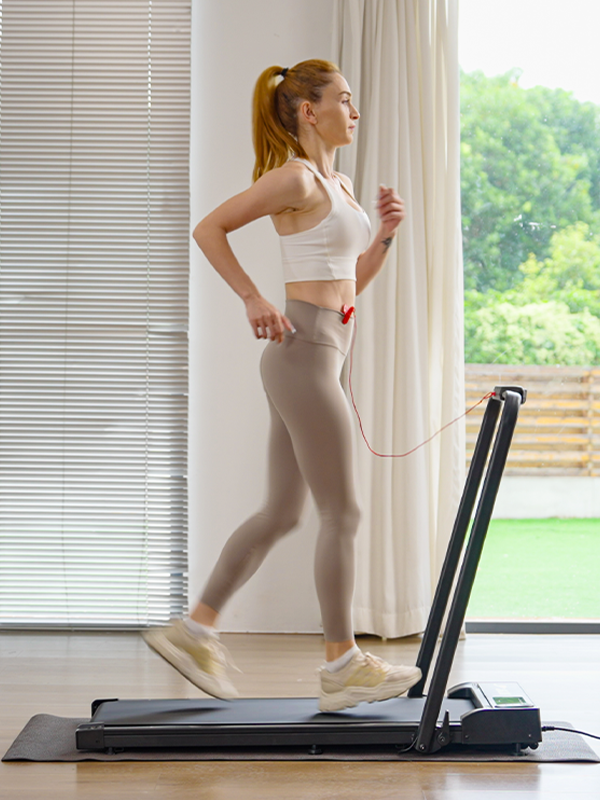





![How Do You Tighten a Belt on a Treadmill [Step-by-Step Guide]](http://www.ihoverboard.co.uk/cdn/shop/articles/JT31_action_4_750x_1ea883d3-b703-46da-bb6b-fddf199e381f_{width}x.webp?v=1773130639)
How Do You Tighten a Belt on a Treadmill [Step-by-Step Guide]
How Do You Tighten a Belt on a Treadmill [Step-by-Step Guide]
If your treadmill belt slips, lifts too high, or moves unevenly, it may be time to adjust it. Knowing how do you tighten a belt on a treadmill is essential for safe workouts and smooth performance. This step-by-step guide will show you how to check, tighten, and align your treadmill belt properly, ensuring consistent speed and long-lasting treadmill operation. Whether you use your treadmill daily or occasionally, these easy adjustments can prevent damage and improve your exercise experience.
Why Knowing How to Tighten a Belt on a Treadmill Matters
Knowing how do you tighten a belt on a treadmill is important for keeping your workouts safe, smooth, and effective. A properly adjusted belt helps the treadmill function as it should and prevents avoidable problems over time.
Key reasons it matters:
-
Improves safety
A loose treadmill belt can slip or pause suddenly while you are walking or running. Learning how to tighten a belt on a treadmill reduces the risk of losing balance or getting injured. -
Ensures smooth performance
Correct belt tension allows the treadmill to maintain a steady speed. When the belt is tightened properly, movement feels stable and consistent without jerking or skipping. -
Protects the treadmill motor and rollers
Belt slipping places extra strain on internal components. Knowing how do you tighten a belt on a treadmill helps reduce stress on the motor and rollers, extending the machine’s lifespan. -
Prevents costly repairs
Small adjustments made early can stop minor issues from becoming major mechanical problems. Regular belt tightening helps avoid unnecessary maintenance costs. -
Supports long-term treadmill maintenance
Understanding how to tighten a belt on a treadmill makes routine care easier and keeps the treadmill working reliably for daily use.
By regularly checking belt tension and knowing how to make simple adjustments, you can enjoy safer workouts, better performance, and longer-lasting treadmill operation.
Signs That Indicate You Need to Tighten a Treadmill Belt
Recognising the early signs of a loose belt is the first step in understanding how do you tighten a belt on a treadmill correctly. Addressing these issues early helps maintain safety, performance, and long-term treadmill reliability.
Common signs your treadmill belt needs tightening include:
-
Belt slipping during use
One of the clearest indicators is when the belt slips or hesitates under your feet while walking or running. If the belt slows down momentarily despite the motor running, it usually means the belt tension is too loose. -
Skipping or jerky movement
If the belt suddenly jumps, skips, or feels uneven, this often signals insufficient tension. Learning how to tighten a belt on a treadmill can restore smooth and controlled movement. -
Excessive belt lift from the deck
When you lift the belt in the centre of the running deck, it should typically rise about 2 to 3 inches. If it lifts much higher, the belt is likely too loose and needs tightening. -
Inconsistent speed while exercising
A loose treadmill belt may cause changes in speed even when the settings remain the same. This inconsistency affects workout quality and is a strong sign that belt tension needs adjustment. -
Unusual noises or friction sounds
Squeaking, rubbing, or scraping noises can occur when the belt is not sitting firmly on the rollers. These sounds often indicate that learning how do you tighten a belt on a treadmill is necessary. -
Feeling unstable while walking or running
If the treadmill feels less stable than usual, especially during faster speeds, belt looseness may be the cause. Tightening the belt helps restore balance and confidence during workouts.
By identifying these warning signs early, you can take timely action and apply the correct steps on how to tighten a belt on a treadmill, ensuring safer use and consistent performance.
What to Check Before You Tighten a Belt on a Treadmill
Before learning how do you tighten a belt on a treadmill, it is important to carry out a few basic checks. These steps help you make the correct adjustment, avoid over-tightening, and prevent unnecessary damage to the treadmill.
Key things to check before tightening the treadmill belt include:
-
Power and safety setup
Always make sure the treadmill is switched off and unplugged from the power source. This prevents accidental start-up and ensures you can safely access the rear roller and adjustment screws. -
Current belt tension
Lift the running belt from the centre of the deck using your hand. In most cases, the belt should lift around 2 to 3 inches. If it lifts significantly higher, tightening is likely required. If it barely lifts at all, the belt may already be too tight. -
Belt alignment on the deck
Check whether the belt is running in the centre of the deck. If it is drifting to the left or right, tightening alone may not fix the problem. Misalignment should be corrected alongside learning how to tighten a belt on a treadmill. -
Condition of the running belt
Look for visible signs of wear such as fraying edges, cracks, or uneven stretching. A damaged belt may not respond well to tightening and could require replacement instead. -
Rear roller adjustment screws
Locate the tension bolts at the back of the treadmill. Make sure both screws are accessible and in good condition, as you will need to adjust them evenly when tightening the belt. -
Recent lubrication status
If the treadmill belt has not been lubricated for a long time, friction may cause slipping even if the belt tension is correct. Proper lubrication should be considered before or after adjusting belt tension.
By checking these points first, you can confidently follow the correct steps for how do you tighten a belt on a treadmill, ensuring accurate adjustments, safer use, and smooth treadmill performance.
How Do You Tighten a Belt on a Treadmill? (Step-by-Step Instructions)
If your treadmill belt is slipping or lifting too easily, learning how do you tighten a belt on a treadmill correctly will restore smooth and safe operation. Follow these step-by-step instructions carefully to avoid uneven tension or damage to the machine.
Step 1: Turn off and unplug the treadmill
Before making any adjustments, switch off the treadmill and disconnect it from the power source. This ensures your safety while working near the rear roller and adjustment bolts.
Step 2: Locate the rear roller tension bolts
Move to the back of the treadmill and find the adjustment screws on both sides of the rear roller. These bolts control belt tension and are usually adjusted using an Allen key provided with the treadmill.
Step 3: Tighten both sides evenly
To tighten the belt, turn the left and right tension bolts clockwise. Make small adjustments only, turning each bolt by a quarter turn at a time. It is essential to adjust both sides equally to keep the belt centred on the deck.
Step 4: Check belt tension after each adjustment
After tightening, lift the belt from the centre of the running deck. The belt should lift approximately 2 to 3 inches. If it lifts too high, repeat the quarter-turn adjustment on both sides.
Step 5: Avoid over-tightening the belt
Over-tightening can strain the motor and rollers, leading to faster wear. If the belt feels rigid or difficult to lift, slightly loosen both bolts to restore proper tension.
Step 6: Reconnect power and test at low speed
Plug the treadmill back in and run it at the lowest speed setting. Walk on the belt briefly to ensure it no longer slips and moves smoothly without hesitation.
Step 7: Make final fine adjustments if needed
If minor slipping remains, turn off the treadmill again and apply another small quarter turn to each bolt. Repeat the testing process until the belt runs smoothly and securely.
By following these steps, you will understand exactly how do you tighten a belt on a treadmill safely and accurately. Regular, small adjustments help maintain consistent performance, protect internal components, and ensure a safer workout experience.
How Tight Should a Treadmill Belt Be?
Knowing how do you tighten a belt on a treadmill also means understanding how tight the belt should be once the adjustment is complete. A treadmill belt needs to be tight enough to prevent slipping, but not so tight that it places unnecessary strain on the motor and rollers.
The correct treadmill belt tension guidelines include:
-
Use the 2–3 inch lift test
When the treadmill is powered off, lift the belt from the centre of the running deck. In most cases, the belt should lift about 2 to 3 inches. If it lifts higher, the belt is too loose. If it barely lifts at all, the belt is too tight. -
No slipping during normal use
After tightening, the belt should move smoothly without slipping or pausing when you walk or run. If slipping occurs, it usually means the belt still needs a small adjustment. -
Smooth and consistent movement
A properly tightened belt should feel stable underfoot. There should be no jerking, skipping, or sudden changes in speed during your workout. -
Minimal motor strain or unusual noise
If the belt is overtightened, you may hear the motor working harder than usual or notice increased noise. This is a sign that the tension should be slightly reduced. -
Balanced tension on both sides
Correct belt tension requires equal adjustment on the left and right sides of the rear roller. Uneven tension can cause the belt to drift to one side even if it feels tight.
Why proper belt tension matters
When the belt tension is set correctly, the treadmill operates efficiently and safely. Understanding how tight a treadmill belt should be helps protect internal components, improves workout comfort, and supports long-term performance. By applying the right tension after learning how do you tighten a belt on a treadmill, you ensure smooth operation without unnecessary wear.
How to Loosen a Treadmill Belt If It’s Too Tight
After learning how do you tighten a belt on a treadmill, it is equally important to know when and how to loosen it. A treadmill belt that is too tight can place excessive strain on the motor, rollers, and internal components, reducing performance and shortening the lifespan of the machine.
Signs the treadmill belt is too tight:
-
The belt is difficult to lift from the deck
-
The treadmill motor sounds louder than normal
-
The belt feels stiff or resists movement
-
Increased friction or heat during use
Step-by-step guide to loosening a treadmill belt:
Step 1: Turn off and unplug the treadmill
Always switch off the treadmill and disconnect it from the power source before making any adjustments. This ensures safe access to the rear roller and tension screws.
Step 2: Locate the rear roller adjustment bolts
At the back of the treadmill, find the tension bolts on both the left and right sides. These bolts control the tightness of the running belt and are usually adjusted with an Allen key.
Step 3: Loosen both sides evenly
Turn both adjustment bolts anti-clockwise by a quarter turn at a time. It is essential to loosen both sides equally to keep the belt centred and prevent misalignment.
Step 4: Check belt tension after each adjustment
Lift the belt from the centre of the running deck. The belt should lift approximately 2 to 3 inches. If it still feels too tight, repeat the quarter-turn adjustment on both sides.
Step 5: Test the treadmill at low speed
Once the belt tension feels correct, plug the treadmill back in and run it at a slow speed. Walk on the belt briefly to ensure smooth movement without resistance or slipping.
Step 6: Make fine adjustments if necessary
If the belt still feels tight or begins to slip slightly, turn off the treadmill and make very small adjustments until the ideal balance is achieved.
Why loosening a belt correctly matters
Knowing how to loosen a treadmill belt properly is just as important as understanding how do you tighten a belt on a treadmill. Correct belt tension protects the motor, improves running comfort, and ensures consistent performance over time. Regular checks and small adjustments help keep your treadmill operating smoothly and safely.
How Often Should You Tighten a Treadmill Belt?
How often you need to adjust the belt depends on how frequently the treadmill is used and how well it is maintained. Understanding how do you tighten a belt on a treadmill includes knowing when adjustments are actually necessary, rather than tightening it too often.
In general, a treadmill belt should be checked every 1 to 3 months for regular home use. If the treadmill is used daily or by multiple users, more frequent checks may be needed. Performing a quick lift test and watching for slipping during workouts is usually enough to determine if tightening is required.
You should tighten the belt only when signs appear, such as slipping, skipping, or excessive belt lift. Tightening a belt that is already correctly adjusted can cause unnecessary strain on the motor and rollers. Regular inspections combined with small, gradual adjustments help maintain proper tension without over-tightening.
By checking belt tension periodically and responding to clear warning signs, you can keep your treadmill running smoothly while avoiding unnecessary wear.
Conclusion
Knowing how do you tighten a belt on a treadmill is essential for safe, smooth, and efficient workouts. Proper belt tension prevents slipping, protects the motor and rollers, and ensures a consistent running or walking experience.
Regular checks for signs like belt slipping, uneven alignment, or unusual noise allow you to make timely adjustments before minor issues become major problems. By following the step-by-step instructions for tightening, loosening, and aligning the belt, you can maintain optimal performance and extend the life of your treadmill.
Whether you use your treadmill occasionally or for daily workouts, understanding belt tension and making small, careful adjustments ensures safer exercise, better comfort, and reliable treadmill operation for years to come.
FAQs
How do I know if the treadmill belt needs tightening?
A treadmill belt usually needs tightening if it slips or skips during use, makes jerky movements, or lifts too high when you pull it up from the centre of the deck. A loose belt often lifts more than 2–3 inches, which is a sign that you should learn how do you tighten a belt on a treadmill and adjust the tension.
What tools do I need to tighten a treadmill belt?
Most treadmills require a simple Allen key or hex wrench to tighten the belt. These tools are typically included with the treadmill. You use them to adjust the rear roller tension bolts by turning them slightly clockwise on both sides to tighten the belt evenly.
Can I tighten the treadmill belt myself?
Yes — you can tighten the treadmill belt yourself by turning the rear roller adjustment bolts a small amount at a time, usually ¼ turn clockwise on both sides until the belt tension feels correct. Always make adjustments only when the treadmill is switched off for safety, and avoid over-tightening.
What happens if I overtighten the treadmill belt?
Over-tightening can place excessive strain on the motor, bearings, and rollers, which may cause premature wear or damage. If you have overtightened the treadmill belt, it may be hard to lift at all and could run roughly or make unusual noises. In that case, slightly loosen the tension until the belt runs smoothly.










Still, need help? Contact Us: support@ihoverboard.com
What's the option? Check out the option now!
Leave us a message