














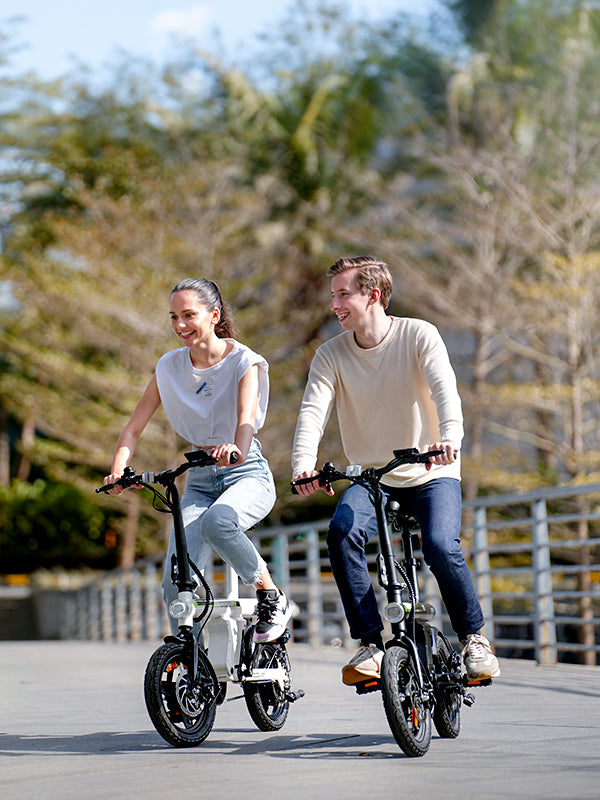







Do You Need a Licence to Ride an Electric Bike? UK Rules Explained
Do You Need a Licence to Ride an Electric Bike? UK Rules Explained
Understanding do you need a licence to ride an electric bike is essential for anyone planning to ride legally in the UK. Electric bike laws depend on whether the bike meets specific EAPC requirements, which determine if a licence, insurance, or registration is needed. This guide explains the current UK rules, including speed limits, motor power restrictions, and where electric bikes can be ridden. By the end, you’ll know exactly whether you need a licence to ride an electric bike and how to stay compliant on UK roads.
Do You Need a Licence to Ride an Electric Bike?
In most cases, you do not need a licence to ride an electric bike in the UK, as long as the electric bike meets the legal definition of an Electrically Assisted Pedal Cycle (EAPC). These electric bikes are treated the same as traditional pedal bikes under UK law, which means riders can use them without additional paperwork or licensing.
However, whether you need a licence to ride an electric bike depends entirely on the bike’s specifications. If the electric bike does not meet EAPC rules, it is no longer classed as a bicycle and will instead be treated as a motorcycle or moped — and that changes the legal requirements.
When You Do NOT Need a Licence to Ride an Electric Bike
You do not need a licence to ride an electric bike if:
-
The bike has pedals that can propel it
-
The electric motor provides assistance only while pedalling
-
Motor assistance cuts off at 15.5 mph (25 km/h)
-
The motor has a continuous rated power of 250 watts or less
-
The rider is 14 years old or above
If all these conditions are met, the electric bike is legally an EAPC, meaning:
-
No driving licence is required
-
No registration or road tax is needed
-
No insurance is required
This is why most road-legal electric bikes in the UK can be ridden freely and conveniently.
When You DO Need a Licence to Ride an Electric Bike
You do need a licence to ride an electric bike if it fails to meet EAPC requirements. This usually happens when:
-
The motor can power the bike above 15.5 mph
-
The motor output is higher than 250 watts
-
The bike can move without pedalling (for example, throttle-only use)
-
The bike does not have functional pedals
In these situations, the electric bike is legally classed as a motor vehicle, which means a valid driving licence is required to ride it on public roads.
Why This Distinction Matters
Understanding whether you need a licence to ride an electric bike is essential for staying on the right side of the law. Riding a non-compliant electric bike without the correct licence, insurance, or registration can result in:
-
Fines
-
Penalty points
-
Confiscation of the electric bike
Quick Summary
-
EAPC-compliant electric bike → No licence required
-
Non-EAPC electric bike → Licence required
By checking your electric bike’s motor power, speed limits, and pedal assistance, you can quickly determine if you need a licence to ride an electric bike and ride with confidence.
What Makes an Electric Bike Legal Without a Licence (EAPC Rules)
In the UK, you can ride an electric bike without a licence only if it meets the legal definition of an Electrically Assisted Pedal Cycle (EAPC). These rules decide whether you need a licence to ride an electric bike or not.
Key EAPC Requirements
An electric bike is legal without a licence if it meets all of the following:
-
Working pedals that can propel the bike
-
Motor power of 250 watts or less (continuous rated power)
-
Motor assistance cuts off at 15.5 mph (25 km/h)
-
Pedal-assist only (no unrestricted throttle use)
-
Rider is at least 14 years old
Required Bike Markings
A compliant electric bike must clearly display:
-
The manufacturer’s name
-
The motor’s rated power
-
Either the maximum assisted speed or the battery voltage
Why This Matters
-
Meets all EAPC rules → No licence required
-
Fails any rule → A licence is required
Checking these points makes it easy to confirm if you need a licence to ride an electric bike and stay fully legal on UK roads.
Where You Can Ride an Electric Bike Without a Licence
If your electric bike meets EAPC rules, you can ride it without a licence in most of the same places as a regular pedal bike. Knowing where riding is allowed helps you stay legal and avoid penalties.
Places You Can Ride an Electric Bike
You can ride an electric bike without a licence on:
-
Public roads
-
Cycle lanes and cycle tracks
-
Shared-use paths where bicycles are permitted
As long as your electric bike is EAPC-compliant, it has the same road rights and responsibilities as a standard bicycle.
Places You Cannot Ride an Electric Bike
Even without a licence, you are not allowed to ride an electric bike on:
-
Pavements or footpaths intended only for pedestrians
-
Areas where cycling is clearly prohibited
Riding on pavements can result in fines, even if the electric bike itself is legal.
Why Location Matters
Where you ride affects whether you need a licence to ride an electric bike and whether you’re following UK cycling laws. Riding an EAPC in restricted areas can still lead to penalties, regardless of licence requirements.
Quick Overview
-
Roads and cycle paths → Allowed
-
Pavements → Not allowed
By sticking to approved cycling areas, you can ride an electric bike without a licence safely, legally, and confidently.
When Do You Need a Licence to Ride an Electric Bike?
You do need a licence to ride an electric bike in the UK when the bike does not meet EAPC rules. In these cases, the electric bike is legally treated as a motor vehicle, not a bicycle.
Situations Where a Licence Is Required
A licence is required if your electric bike:
-
Can be powered by the motor above 15.5 mph
-
Has a motor with more than 250 watts continuous rated power
-
Can be ridden without pedalling (throttle-only use)
-
Lacks functional pedals
If any of these apply, the electric bike is no longer classed as an EAPC.
What This Means for Riders
When an electric bike requires a licence, you must also:
-
Hold a valid driving licence
-
Register and tax the vehicle
-
Have insurance
-
Wear an approved motorcycle helmet
Why This Matters
Riding a non-compliant electric bike without a licence can lead to fines, penalty points, or the bike being seized. That’s why checking your bike’s specifications is essential when deciding whether you need a licence to ride an electric bike.
Quick Summary
-
EAPC-compliant → No licence needed
-
Non-EAPC electric bike → Licence required
This simple check helps you ride legally and avoid unnecessary trouble.
Rules for Electric Bikes That Require a Licence
If an electric bike does not meet EAPC rules, it is legally classed as a motorcycle or moped in the UK. This means stricter rules apply, and you must meet all legal requirements before riding it on public roads.
Licence and Registration Requirements
To ride an electric bike that requires a licence, you must:
-
Hold a valid UK driving licence appropriate for the vehicle class
-
Register the electric bike with the DVLA
-
Ensure the bike is taxed where applicable
Without registration, the electric bike cannot be legally used on the road.
Insurance and Safety Rules
Licensed electric bikes must also:
-
Be covered by valid insurance
-
Be ridden with an approved motorcycle helmet
-
Meet British safety standards for road use
Insurance is mandatory and protects both the rider and other road users.
Where You Can Ride
If your electric bike requires a licence, you:
-
Can ride only on public roads
-
Cannot use cycle lanes or cycle paths
-
Cannot ride on pavements
These vehicles do not have the same access rights as EAPC electric bikes.
Penalties for Not Following the Rules
Riding without meeting these requirements may result in:
-
Fines
-
Penalty points on your licence
-
Your electric bike being seized by authorities
Quick Overview
-
Licence, registration, and insurance required
-
Motorcycle helmet mandatory
-
Road use only
Understanding these rules helps you stay compliant and avoid legal issues when riding an electric bike that requires a licence.
How to Check If Your Electric Bike Needs a Licence
To find out whether you need a licence to ride an electric bike, you only need to check a few key details on the bike itself. This quick review can help you stay legal and avoid fines.
Step 1: Check the Motor Power
-
Look for the continuous rated power on the bike or in the manual
-
It must be 250 watts or less to qualify as an EAPC
-
Higher power means a licence is required
Step 2: Check the Assisted Speed
-
Motor assistance must stop at 15.5 mph (25 km/h)
-
If the motor continues to assist beyond this speed, the bike is not EAPC-compliant
Step 3: Check How the Motor Is Activated
-
The motor should assist only while pedalling
-
Throttle-only or unrestricted “twist and go” systems usually require a licence
Step 4: Confirm Pedals Are Functional
-
The bike must have working pedals that can move it forward
-
Electric bikes without usable pedals require a licence
Step 5: Look for Required Markings
A legal electric bike should display:
-
The manufacturer’s name
-
The motor’s rated power
-
Either the maximum assisted speed or battery voltage
Quick Licence Check
-
Meets all EAPC rules → No licence needed
-
Fails any rule → Licence required
Taking a few minutes to check these points makes it easy to confirm if you need a licence to ride an electric bike and ride with confidence on UK roads.
Conclusion
So, do you need a licence to ride an electric bike in the UK? In most cases, the answer is no — as long as your electric bike meets EAPC rules. These bikes are treated like regular pedal bikes, meaning no licence, registration, tax, or insurance is required.
However, if an electric bike exceeds speed or power limits, uses throttle-only assistance, or lacks functional pedals, it is no longer classed as an EAPC. In these situations, a licence is required, along with registration, insurance, and the correct safety equipment.
By checking your electric bike’s motor power, assisted speed, and pedal function, you can quickly determine whether you need a licence to ride an electric bike and stay fully compliant with UK law. Riding a legal electric bike not only avoids penalties but also ensures a safer and more enjoyable experience on the road.
FAQs
What electric bike can I ride without a licence?
You can ride an electric bike without a licence in the UK if it qualifies as an Electrically Assisted Pedal Cycle (EAPC). This means the bike has working pedals, a motor with a maximum continuous rated power of 250 watts, and motor assistance that cuts off at 15.5 mph. The rider must be 14 years old or over. If these conditions are met, no licence, registration, or insurance is required.
Do police stop electric bikes?
Police do not routinely stop electric bikes, but they may stop you if your bike appears to be travelling too fast, uses throttle-only power, or looks modified. Officers may check whether the electric bike meets EAPC rules. If it does not, they can issue fines or seize the bike, especially if it should legally require a licence and insurance.
What do you need to legally ride an electric bike?
To legally ride an electric bike in the UK without a licence, you need:
-
An EAPC-compliant electric bike
-
Working pedals
-
A motor limited to 250W
-
Assistance limited to 15.5 mph
-
Required manufacturer and motor markings
-
To be at least 14 years old
No driving licence, tax, or insurance is needed for compliant electric bikes.
Is my electric bike street legal in the UK?
Your electric bike is street legal in the UK if it meets all EAPC requirements. If it exceeds speed or power limits, operates without pedalling, or lacks proper markings, it is not street legal without registration, insurance, and a licence. Checking your bike’s specifications is the quickest way to confirm if it can be legally ridden on public roads.







Still, need help? Contact Us: support@ihoverboard.com
What's the option? Check out the option now!
Leave us a message