



















![Do You Need a Licence for an Electric Bike UK? [Complete Guide]](http://www.ihoverboard.co.uk/cdn/shop/articles/u4_ebike_3_{width}x.jpg?v=1772687862)
Do You Need a Licence for an Electric Bike UK? [Complete Guide]
Do You Need a Licence for an Electric Bike UK? [Complete Guide]
Electric bikes are becoming increasingly popular across the UK, offering a convenient and eco-friendly way to travel. But many riders ask: do you need a licence for an electric bike UK? Understanding the legal rules for Electrically Assisted Pedal Cycles (EAPCs) is essential to ride safely and avoid fines. This complete guide explains the requirements, where you can ride, and what makes an electric bike legal without a licence.
What Is an Electric Bike in the UK?
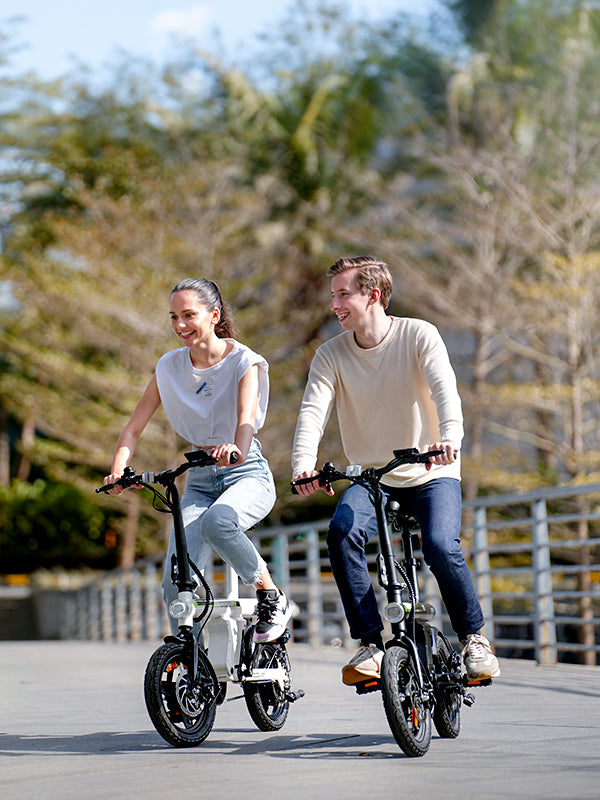
An electric bike, also called an e-bike, is a bicycle equipped with an electric motor to assist your pedalling. In the UK, electric bikes are legally classified based on specific rules to ensure safety and proper use. The most common legal category is the Electrically Assisted Pedal Cycle (EAPC).
Here’s what makes an electric bike an EAPC:
-
Pedals are essential: The bike must have pedals that you can use to propel it, just like a regular bicycle. This is what distinguishes it from mopeds or motorcycles.
-
Motor assistance: The electric motor can help you pedal, but it must have a maximum continuous rated power of 250 watts.
-
Speed limit: The motor can only assist up to 15.5 miles per hour (25 km/h). If the bike goes faster than this under motor power alone, it is not classed as an EAPC.
-
Number of wheels: EAPCs can have more than two wheels, such as tricycles, as long as they follow the pedal and motor rules.
Who can ride an EAPC?
-
You must be 14 years or older to ride an electric bike legally in the UK.
-
No licence, tax, or insurance is required if your bike meets the EAPC criteria.
Why these rules exist:
-
They help differentiate safe electric bikes from mopeds and motorcycles.
-
They ensure that e-bikes remain safe for use on cycle paths and roads without extra legal requirements.
Quick tip for buyers:
When purchasing an electric bike like an iHoverboard e-bike, check the specifications:
-
Confirm it has pedals.
-
Make sure the motor does not exceed 250 watts.
-
Verify that the bike cannot go faster than 15.5 mph with motor assistance alone.
Following these rules ensures your e-bike is classified as an EAPC and can be used freely on cycle paths and roads without needing a licence.
Do You Need a Licence for an Electric Bike in the UK?
One of the most common questions among new riders is: “Do you need a licence for an electric bike in the UK?” The answer depends on whether your electric bike meets the legal standards of an Electrically Assisted Pedal Cycle (EAPC).
Riding an EAPC
If your electric bike qualifies as an EAPC, you do not need a licence to ride it. You also do not need to register, tax, or insure the bike. This makes EAPCs the most convenient and legally simple type of electric bike for most riders.
Key points for EAPC riders:
-
Age requirement: You must be 14 or older.
-
Where to ride: You can ride on cycle paths, bike lanes, and roads where regular bicycles are allowed.
-
Legal compliance: Always check that your bike’s motor does not exceed 250 watts and that it cannot propel the bike faster than 15.5 mph without pedalling.
Riding a Non-EAPC
If your electric bike does not meet EAPC rules, it is legally classed as a moped or motorcycle. In this case, the rules are stricter, and you do need a licence to ride it legally.
Non-EAPC requirements:
-
Driving licence: You must hold a valid UK driving licence.
-
Insurance and registration: Your bike must be insured, registered, and taxed.
-
Safety gear: Wearing a motorcycle helmet that meets British safety standards is mandatory.
-
Where you can ride: Non-EAPCs can only be ridden on the road and are not allowed on cycle lanes or paths.
Quick Checklist to Know if You Need a Licence
-
✅ Bike has pedals and motor ≤ 250W → No licence required
-
✅ Motor can only assist up to 15.5 mph → No licence required
-
❌ Bike exceeds 250W or motor can propel > 15.5 mph → Licence required
Tip for riders: Before buying or riding an electric bike, verify the specifications. Brands like iHoverboard provide clear EAPC-compliant models that do not require a licence, making them ideal for legal, hassle-free riding.
Rules and Requirements for an EAPC
An Electrically Assisted Pedal Cycle (EAPC) is a special category of electric bike in the UK. To ride one legally without a licence, your bike must meet strict rules. Knowing these rules ensures safety and keeps you within the law.
1. Pedals Are Mandatory
-
The bike must have pedals that can propel it, just like a regular bicycle.
-
Bikes without functional pedals are not classed as EAPCs and will require a licence.
-
This is the main feature that separates EAPCs from mopeds or motorcycles.
2. Motor Power Limit
-
The electric motor must have a continuous rated power output of 250 watts or less.
-
A more powerful motor means the bike is not an EAPC and will be treated as a moped.
3. Maximum Assisted Speed
-
The motor can assist you up to 15.5 mph (25 km/h).
-
If the motor can propel the bike faster than this without pedalling, it requires registration and a licence.
4. Bike Markings and Manufacturer Info
Your EAPC must clearly display:
-
Continuous rated motor power (in watts)
-
Manufacturer or brand
-
Either the battery voltage or the motor’s maximum speed
These markings make it easy for authorities to check that your bike complies with EAPC rules.
5. Where You Can Ride
-
EAPCs are allowed on cycle paths, bike lanes, and roads where normal bicycles are permitted.
-
Pavements are off-limits—riding on them is illegal.
-
Following these rules ensures safety for both you and pedestrians.
6. Age Requirements
-
Riders must be 14 years or older.
-
Anyone under 14 is not legally allowed to ride an EAPC in the UK.
Quick Compliance Checklist
-
✅ Pedals present and functional
-
✅ Motor ≤ 250W
-
✅ Motor assistance ≤ 15.5 mph
-
✅ Bike markings visible (power, manufacturer, battery/speed)
-
✅ Rider is 14+
-
✅ Ride only where bicycles are allowed
Tip for Buyers: EAPC-compliant bikes like those from iHoverboard clearly follow these rules, making them safe, legal, and hassle-free for everyday riding.
When an Electric Bike Is Not an EAPC
Not all electric bikes in the UK qualify as an Electrically Assisted Pedal Cycle (EAPC). If your bike exceeds the legal limits or lacks the required features, it is classed as a moped or motorcycle, and stricter rules apply. Understanding these distinctions helps you avoid fines and ride safely.
1. Conditions That Make a Bike Non-EAPC
An electric bike is not an EAPC if it meets any of the following criteria:
-
Motor power exceeds 250 watts – any more and the bike is considered a motor vehicle.
-
Motor-assisted speed is over 15.5 mph – if the motor alone can propel the bike faster than this, it is no longer classified as an EAPC.
-
No functional pedals – bikes without pedals cannot be EAPCs, even if the motor is weak.
2. Requirements for Riding a Non-EAPC Bike
If your electric bike is not an EAPC, you must follow the same rules as mopeds or motorcycles:
-
Driving licence: A valid UK driving licence is required.
-
Insurance: The bike must be insured.
-
Registration and tax: It must be registered and taxed with the DVLA.
-
Helmet: You must wear a motorcycle helmet that meets British safety standards.
3. Where You Can Ride a Non-EAPC
-
Non-EAPCs can only be ridden on roads.
-
You cannot use cycle lanes, cycle paths, or pavements.
-
Riding in prohibited areas could result in fines or seizure of the bike by the police.
4. Legal Consequences of Non-Compliance
Riding a non-EAPC bike without following the rules can lead to:
-
Fines for riding without insurance or a licence.
-
Vehicle seizure by authorities.
-
Potential legal action if involved in an accident.
Quick Checklist for Non-EAPC Bikes
-
❌ Motor > 250W or speed > 15.5 mph
-
❌ No pedals
-
✅ Valid driving licence
-
✅ Insurance, registration, and tax up to date
-
✅ Motorcycle helmet worn
-
✅ Ride only on roads
Tip for Riders: To avoid legal issues, always check your e-bike’s specifications. Models like iHoverboard e-bikes are designed to comply with EAPC standards, meaning you can ride them without a licence, tax, or insurance.
Electric Bike Approval and Safety Checks
Some electric bikes in the UK require vehicle approval to ensure they meet legal standards. Understanding when approval is needed and how to check your bike keeps you safe and compliant with the law.
1. When an Electric Bike Needs Approval
An electric bike must be formally approved if:
-
It can be propelled up to 15.5 mph without pedalling (commonly known as a “twist-and-go” e-bike).
-
It does not meet EAPC rules (motor > 250 watts, speed > 15.5 mph, or no pedals).
Approval confirms that the bike is safe for road use and complies with UK regulations.
2. Manufacturer or Importer Approval
-
Most e-bikes sold in the UK are pre-approved by the manufacturer or importer before reaching customers.
-
Look for an approval number or certificate included with the bike.
-
Bikes without this approval may require you to apply for Motorcycle Single Vehicle Approval (MSVA) before riding legally.
3. Safety Checks Before Riding
Even if your bike is approved, perform routine safety checks to ensure safe operation:
-
Brakes: Test that front and rear brakes are functioning properly.
-
Lights and reflectors: Ensure front and rear lights work, especially if riding at night.
-
Battery and wiring: Check that the battery is fully charged, secured, and wiring is intact.
-
Tires: Inspect for proper inflation and tread condition.
-
Pedals and motor: Make sure pedals can propel the bike and the motor assists correctly up to 15.5 mph.
4. Why Safety Checks Matter
-
Prevent accidents caused by faulty brakes or electronics.
-
Ensure your electric bike remains compliant with EAPC or MSVA rules.
-
Protect your insurance and avoid fines.
Quick Approval and Safety Checklist
-
✅ Approval number from manufacturer or MSVA if needed
-
✅ Pedals and motor comply with EAPC rules
-
✅ Brakes fully operational
-
✅ Lights and reflectors in place
-
✅ Battery secure and wiring intact
-
✅ Tires properly inflated with good tread
Tip for Riders: Choosing iHoverboard e-bikes ensures your bike is already EAPC-compliant and approved, so you can ride safely and legally without extra paperwork.
Conclusion
Riding an electric bike in the UK is straightforward as long as your bike meets the rules for an Electrically Assisted Pedal Cycle (EAPC). If your bike has pedals, a motor with a maximum output of 250 watts, and the motor assists only up to 15.5 mph, you do not need a licence, insurance, or tax. EAPCs can be ridden on cycle paths, bike lanes, and roads just like a regular bicycle.
If your electric bike exceeds these limits or does not have pedals, it is legally classed as a moped or motorcycle. In this case, you must have a valid driving licence, proper insurance, registration, and wear a motorcycle helmet. These bikes can only be ridden on roads, and using them on cycle paths or pavements is not permitted.
To stay safe and compliant, always check your bike’s specifications, approval numbers, and perform routine safety checks. Models like iHoverboard e-bikes are designed to meet all EAPC standards, allowing you to ride legally and confidently. By following these rules, you can enjoy the freedom and convenience of an electric bike without worrying about legal issues.
FAQs
Do you need a licence to ride an electric bike in the UK?
No — as long as your electric bike meets the legal criteria for an Electrically Assisted Pedal Cycle (EAPC), you do not need a driving licence to ride it in the UK. EAPCs are treated like regular bicycles for licensing purposes.
What makes an electric bike legal without a licence?
To be legal without a licence, an electric bike must have pedals, a motor with a maximum power output of 250 watts, and the motor must only assist up to 15.5 mph. If it meets these requirements, it’s classed as an EAPC.
Do you need insurance or tax for an electric bike in the UK?
For legal EAPCs, you do not need to register, tax, or insure the bike under UK law. However, many riders choose to have optional bike insurance to protect against theft or damage.
What happens if an electric bike doesn’t meet EAPC rules?
If an electric bike is more powerful than 250 W or can be propelled by the motor above 15.5 mph, it’s classed as a motor vehicle (moped or motorcycle). In that situation, you must have a valid driving licence, register and tax the vehicle, and have appropriate insurance.






Still, need help? Contact Us: support@ihoverboard.com
What's the option? Check out the option now!
Leave us a message