


















Do It Yourself Electric Bike: Complete DIY Guide for Beginners
Do It Yourself Electric Bike: Complete DIY Guide for Beginners
Building a do it yourself electric bike is one of the most practical ways to enjoy electric-assisted riding while maintaining full control over performance, cost, and customisation. This complete DIY guide for beginners explains everything you need to know, from planning and choosing the right components to building, safety checks, and long-term maintenance. Whether you are looking for a smarter commute or a more flexible riding experience, a do it yourself electric bike offers an efficient and rewarding solution.
What Is a Do It Yourself Electric Bike and Why Build One?
What Is a Do It Yourself Electric Bike?
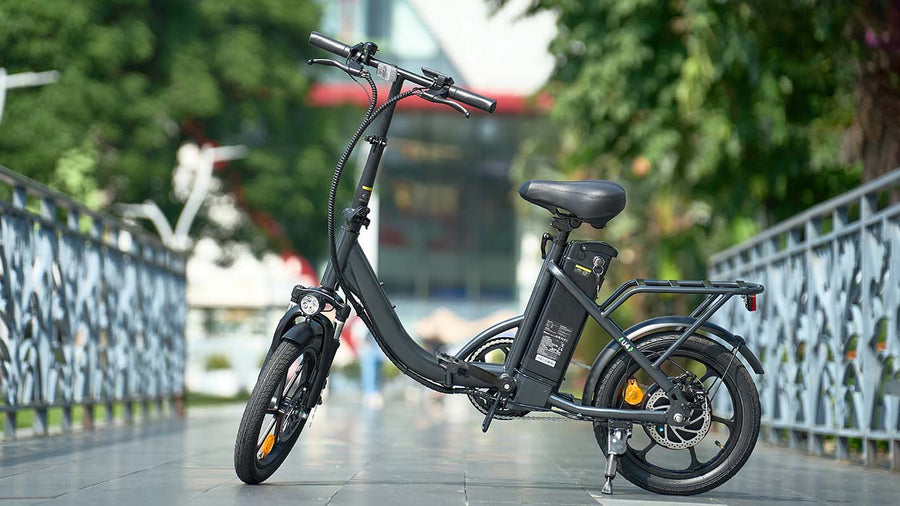
A do it yourself electric bike is a standard bicycle that has been upgraded with electric components, allowing it to provide motor-assisted riding. Instead of buying a pre-built electric bike, you build your own by adding key parts such as a motor, battery, controller, and display to an existing bike.
This DIY approach gives riders full control over how their electric bike performs, feels, and functions. A do it yourself electric bike can be customised for commuting, leisure riding, longer distances, or carrying extra loads, depending on your needs.
How a Do It Yourself Electric Bike Works
A do it yourself electric bike works by combining pedal power with electric assistance. When you pedal or use a throttle (depending on setup), the motor draws power from the battery and helps move the bike forward.
Key elements work together:
-
The motor provides electric assistance
-
The battery supplies stored energy
-
The controller manages power flow
-
The display lets you monitor speed, battery level, and assist modes
This system makes riding easier, faster, and far less tiring—especially on hills or longer journeys.
Why Build a Do It Yourself Electric Bike Instead of Buying One?
Building a do it yourself electric bike offers advantages that factory-built electric bikes often cannot match.
Key reasons people choose DIY:
-
Greater control over performance and range
-
Ability to customise every component
-
Easier upgrades and repairs over time
-
Better understanding of how the bike works
A do it yourself electric bike also avoids paying extra for features you may not need, making it a practical option for riders who value flexibility.
Cost Benefits of a Do It Yourself Electric Bike
One of the biggest reasons riders choose a do it yourself electric bike is cost efficiency. DIY builds allow you to:
-
Reuse an existing bicycle
-
Choose components that match your actual riding needs
-
Avoid inflated retail pricing
Over time, a do it yourself electric bike can significantly reduce daily travel expenses while delivering reliable performance for commuting and everyday use.
Environmental Advantages of a Do It Yourself Electric Bike
A do it yourself electric bike is an environmentally responsible transport option. By converting an existing bicycle instead of buying a new vehicle, you:
-
Reduce manufacturing waste
-
Lower carbon emissions
-
Decrease reliance on fuel-powered transport
Electric bikes consume very little electricity and contribute to cleaner, quieter cities.
Who Should Consider a Do It Yourself Electric Bike?
A do it yourself electric bike is suitable for:
-
Daily commuters looking for a practical alternative
-
Riders who enjoy hands-on projects
-
People who want control over speed, range, and comfort
-
Anyone seeking a flexible and sustainable transport solution
You do not need advanced technical skills—basic tools, careful planning, and the right guidance are enough to get started.
Planning Your Do It Yourself Electric Bike
Proper planning is the foundation of a successful do it yourself electric bike. Before buying parts or installing components, taking time to plan ensures better performance, improved safety, and fewer costly mistakes.
Define the Purpose of Your Do It Yourself Electric Bike
Start by deciding how you will use your do it yourself electric bike. Different riding goals require different setups.
Common purposes include:
-
Daily commuting
-
Leisure and recreational riding
-
Long-distance travel
-
Carrying cargo or heavier loads
Clarifying the purpose helps you choose the right motor power, battery capacity, and bicycle frame.
Decide on Speed, Range, and Power Requirements
Every do it yourself electric bike must balance speed, range, and power.
Key factors to plan:
-
Speed: How fast you realistically need to ride
-
Range: Daily distance on a single charge
-
Power: Terrain, hills, and rider weight
Higher power usually means higher energy consumption, so planning these elements together is essential for an efficient build.
Choose the Right Bicycle for Conversion
Not every bike is suitable for a do it yourself electric bike conversion.
Look for:
-
A strong frame made from steel or aluminium
-
Reliable braking systems
-
Wheels capable of handling added weight
-
Enough space for battery mounting
A solid base bicycle improves safety and longevity once electric components are installed.
Consider Weight and Comfort
A do it yourself electric bike adds extra weight from the motor and battery. Planning for comfort helps maintain a smooth ride.
Important considerations:
-
Balanced weight distribution
-
Comfortable riding position
-
Suspension or seat comfort for longer rides
Proper planning prevents handling issues and rider fatigue.
Plan Battery Placement and Mounting
Battery placement affects balance, safety, and usability.
When planning battery placement:
-
Keep weight low and centred
-
Ensure easy access for charging
-
Protect the battery from water and impacts
A well-positioned battery improves stability and overall ride quality.
Understand Local Rules and Safety Requirements
Before building your do it yourself electric bike, it’s important to understand local regulations related to electric bikes.
Planning should include:
-
Maximum allowed speed and motor power
-
Safety equipment requirements
-
Lighting and visibility considerations
Following regulations ensures your do it yourself electric bike can be used legally and safely on public roads.
Set a Realistic Budget and Timeline
Planning also means setting expectations.
Consider:
-
Total cost of components
-
Tools or accessories needed
-
Time required for installation and testing
A clear plan helps you build your do it yourself electric bike efficiently without rushing important steps.
Common Planning Mistakes to Avoid
Avoiding mistakes early saves time and money.
Common errors include:
-
Choosing parts without checking compatibility
-
Underestimating battery range needs
-
Ignoring braking and safety upgrades
-
Rushing the planning phase
Careful planning leads to a smoother build and better long-term performance.
Essential Components for a Do It Yourself Electric Bike
Every do it yourself electric bike relies on a small group of core components working together. Choosing the right parts is critical for performance, safety, and long-term reliability. Understanding each component makes the build process far easier and helps you avoid compatibility issues.
Electric Motor
The motor is what provides assistance on a do it yourself electric bike. It determines how easily the bike accelerates, climbs hills, and maintains speed.
Motor options commonly used in DIY builds include:
-
Hub motors mounted in the front or rear wheel
-
Motors designed for smooth, consistent assistance
-
Options focused on efficiency rather than raw power
When selecting a motor, consider your terrain, rider weight, and how often you expect to ride.
Battery
The battery powers the entire do it yourself electric bike system. Battery quality directly affects range, performance, and overall lifespan.
Key battery considerations:
-
Capacity, which influences how far you can ride
-
Voltage, which impacts motor performance
-
Physical size and mounting location
A well-chosen battery ensures consistent power delivery and dependable daily use.
Controller
The controller acts as the brain of a do it yourself electric bike. It manages how power flows from the battery to the motor.
A controller is responsible for:
-
Regulating speed and acceleration
-
Protecting electrical components
-
Ensuring smooth and predictable power output
Matching the controller correctly with the motor and battery is essential for safe operation.
Display and Control Interface
The display provides real-time information while riding your do it yourself electric bike.
Most displays show:
-
Speed
-
Battery level
-
Assist mode selection
Some systems also allow you to adjust performance settings, making the riding experience more personalised and efficient.
Throttle or Pedal Assist Sensor
A do it yourself electric bike may use pedal assist, a throttle, or both.
-
Pedal assist activates the motor when you pedal
-
Throttle control allows power without pedalling
The choice affects riding style, comfort, and how the bike feels during everyday use.
Wiring and Connectors
Reliable wiring ensures all components communicate correctly.
Important wiring considerations:
-
Weather-resistant connectors
-
Secure cable routing
-
Proper insulation and strain relief
Good wiring improves safety and reduces the chance of electrical failures.
Battery Charger
The charger ensures safe and efficient battery charging.
A suitable charger should:
-
Match the battery’s voltage and specifications
-
Provide stable charging without overheating
-
Be easy to connect and store
Using the correct charger helps extend battery life.
Brakes and Safety Upgrades
A do it yourself electric bike often travels faster than a standard bicycle, making braking performance essential.
Recommended upgrades include:
-
Stronger braking systems
-
Quality brake pads
-
Properly adjusted cables or hydraulic systems
Safety-focused components are just as important as electrical parts.
Mounting Hardware and Accessories
Mounting hardware keeps components secure during rides.
Common accessories include:
-
Battery mounts
-
Motor fastening hardware
-
Cable management solutions
Secure mounting improves durability and prevents damage from vibration.
Why Component Compatibility Matters
Every do it yourself electric bike must use components that work together seamlessly.
Compatibility affects:
-
Performance efficiency
-
Electrical safety
-
Ease of installation and maintenance
Carefully selecting compatible parts ensures a smoother build and a better riding experience.
How to Build a Do It Yourself Electric Bike Step by Step
Building a do it yourself electric bike is a structured process. By following each step carefully, you can ensure your build is safe, efficient, and reliable. This step-by-step guide breaks the process into clear stages so it’s easy to follow, even for first-time builders.
Step 1: Prepare Your Bicycle
Before installing any electric components, your bicycle must be in good condition.
Checklist before starting:
-
Inspect the frame for cracks or damage
-
Ensure brakes are working properly
-
Check wheels, tires, and spokes
-
Clean the bike to make installation easier
A well-prepared bicycle provides a solid foundation for your do it yourself electric bike.
Step 2: Install the Electric Motor
The motor is one of the most important parts of a do it yourself electric bike.
Key installation tips:
-
Secure the motor firmly according to instructions
-
Ensure correct alignment with the wheel or drivetrain
-
Avoid overtightening bolts
-
Double-check clearances around moving parts
Proper motor installation prevents vibration, noise, and long-term wear.
Step 3: Mount the Battery Securely
Battery placement affects balance and safety.
When mounting the battery:
-
Position it low and central on the frame
-
Use sturdy mounting brackets
-
Make sure the battery is easy to remove or charge
-
Protect it from water and debris
A secure battery mount improves stability and ride comfort.
Step 4: Install the Controller
The controller manages power flow throughout the do it yourself electric bike system.
Installation best practices:
-
Mount the controller in a ventilated location
-
Keep it away from direct water exposure
-
Secure it firmly to prevent movement
-
Leave enough space for wiring connections
Good controller placement ensures reliable performance.
Step 5: Connect the Wiring
Wiring connects all components and allows the system to function as one unit.
Important wiring steps:
-
Connect the motor to the controller
-
Connect the battery using correct polarity
-
Use weather-resistant connectors
-
Secure cables neatly along the frame
Clean wiring reduces electrical risks and improves durability.
Step 6: Install the Display and Controls
The display and control interface allow you to monitor and manage your do it yourself electric bike.
Installation considerations:
-
Position the display where it is easy to see
-
Mount controls within comfortable reach
-
Ensure cables do not interfere with steering
Proper placement improves usability and safety while riding.
Step 7: Perform Initial System Testing
Before riding, test the system while the bike is stationary.
Testing checklist:
-
Turn on the system and check the display
-
Gently activate the motor
-
Verify smooth power delivery
-
Listen for unusual noises
Testing early helps catch issues before riding.
Step 8: Conduct a Safety Check
A full safety inspection is essential before your first ride.
Safety checks include:
-
Tightening all bolts and mounts
-
Testing brakes under load
-
Checking battery security
-
Inspecting cable routing
Safety checks reduce the risk of failure during use.
Step 9: Take Your First Test Ride
Your first ride should be controlled and cautious.
First ride tips:
-
Start at low speed
-
Test braking and steering
-
Gradually increase assistance
-
Monitor how the bike handles
This step confirms that your do it yourself electric bike is ready for regular use.
Step 10: Fine-Tune Your Setup
After the first ride, small adjustments may be needed.
Fine-tuning may include:
-
Adjusting assist levels
-
Improving cable management
-
Repositioning components for comfort
These adjustments help optimise performance and ride quality.
Safety, Maintenance, and Long-Term Reliability
A do it yourself electric bike is not only about building—it’s about riding safely and keeping the bike reliable over time. Proper safety checks and routine maintenance help prevent failures, extend component lifespan, and ensure a smooth riding experience.
Essential Safety Checks Before Every Ride
Before riding your do it yourself electric bike, a quick safety check can prevent accidents and mechanical issues.
Key safety checks include:
-
Confirm brakes respond quickly and evenly
-
Check tire pressure and tread condition
-
Ensure the battery is securely mounted
-
Inspect cables and connectors for wear
These checks take only minutes and greatly improve riding safety.
Electrical System Safety
The electrical system is the core of a do it yourself electric bike and requires careful attention.
Best practices include:
-
Avoid exposing electrical components to excessive moisture
-
Never use damaged cables or connectors
-
Power off the system before performing adjustments
-
Use only compatible chargers for the battery
Maintaining electrical safety reduces the risk of short circuits or component damage.
Battery Care and Charging Best Practices
Battery care directly affects the lifespan and performance of a do it yourself electric bike.
Recommended battery care tips:
-
Charge the battery before it is fully depleted
-
Store the battery in a cool, dry place
-
Avoid extreme temperatures during storage
-
Disconnect the battery when transporting the bike
Good battery habits help maintain consistent range and reliability.
Routine Maintenance for Long-Term Reliability
Regular maintenance keeps your do it yourself electric bike performing at its best.
Basic maintenance tasks include:
-
Cleaning the bike and electrical components
-
Checking bolt tightness periodically
-
Inspecting the drivetrain for wear
-
Testing motor performance and response
A simple routine prevents small issues from becoming major problems.
Brake and Tire Maintenance
Electric assistance increases speed and weight, making braking and tire condition especially important.
Maintenance focus areas:
-
Replace brake pads when worn
-
Keep braking surfaces clean
-
Monitor tire wear and pressure
-
Use tires rated for higher loads if necessary
Proper brake and tire maintenance improves control and safety.
Weather Protection and Storage
Protecting your do it yourself electric bike from environmental exposure extends its lifespan.
Helpful tips:
-
Use covers when storing outdoors
-
Keep electronics protected from rain and dust
-
Dry the bike after wet rides
-
Store the battery indoors when possible
Proper storage reduces corrosion and electrical damage.
Troubleshooting Common Issues
Even a well-built do it yourself electric bike may encounter minor issues over time.
Common problems to watch for:
-
Reduced battery range
-
Inconsistent motor assistance
-
Loose connectors or mounts
-
Display or control errors
Addressing these issues early prevents long-term damage.
When to Perform a Full System Check
Periodically, a full inspection ensures everything remains in good condition.
A full check should include:
-
Reviewing all electrical connections
-
Inspecting frame and mounting points
-
Testing battery performance
-
Confirming controller operation
This ensures continued reliability and safe operation.
Keeping Your Do It Yourself Electric Bike Reliable Over Time
Long-term reliability comes from consistency.
By combining:
-
Regular safety checks
-
Proper battery care
-
Routine mechanical maintenance
you ensure your do it yourself electric bike remains dependable for daily use.
Conclusion
Building a do it yourself electric bike is a practical and rewarding way to create a personalised, efficient, and sustainable mode of transport. With the right planning, components, and installation process, a DIY electric bike can deliver reliable performance while giving you full control over how your bike looks, feels, and rides.
By understanding the essential components, following a step-by-step build process, and committing to regular safety checks and maintenance, you can ensure your do it yourself electric bike remains safe and dependable for everyday use. The knowledge gained during the build also makes future upgrades, repairs, and adjustments far easier.
Whether your goal is daily commuting, leisure riding, or reducing reliance on traditional transport, a do it yourself electric bike offers long-term value, flexibility, and satisfaction. With careful preparation and responsible riding, a DIY electric bike can become a reliable companion for years to come.
FAQs
Is it legal to build a do it yourself electric bike?
Yes, a do it yourself electric bike is legal in many regions as long as it meets local electric bike regulations. These usually include limits on motor power, maximum assisted speed, and requirements for pedals and safety equipment. Before riding on public roads, always check local rules to ensure your DIY electric bike complies with legal standards.
How much does it cost to build a do it yourself electric bike?
The cost of building a do it yourself electric bike depends on the components you choose and whether you already own a suitable bicycle. Many DIY builds cost significantly less than buying a pre-built electric bike, especially when you select parts based on your actual riding needs rather than unnecessary features.
Is a do it yourself electric bike hard to build for beginners?
A do it yourself electric bike is not difficult to build if you follow a clear guide and plan properly. Most beginners can complete a build using basic tools and straightforward installation steps. Modern components are designed to be user-friendly, making DIY electric bikes accessible even for first-time builders.
How long does a do it yourself electric bike battery last?
The battery life of a do it yourself electric bike depends on battery quality, riding style, terrain, and maintenance. With proper care, most batteries can last several years and hundreds of charging cycles. Regular charging habits and correct storage play a major role in extending battery lifespan.






Still, need help? Contact Us: support@ihoverboard.com
What's the option? Check out the option now!
Leave us a message