



















Can You Take Electric Bikes on Trains? UK Travel Guide
Can You Take Electric Bikes on Trains? UK Travel Guide
Traveling with an electric bike offers freedom and flexibility, but many riders still ask: can you take electric bikes on trains in the UK? While most trains do allow e-bikes, rules vary depending on bike type, battery safety, and train operator policies. This UK travel guide explains everything you need to know to plan a smooth, compliant, and stress-free journey with your electric bike.
UK Train Policies for Electric Bikes
Traveling with your electric bike in the UK is possible, but you need to follow specific rules. Understanding these policies ensures a smooth journey and avoids fines or inconvenience. Here’s what you need to know if you’re asking: can you take electric bikes on trains.
1. General Rules for All Electric Bikes
Most UK train operators allow electric bikes on board, but there are some universal guidelines:
-
Reservation may be required: Some trains require you to reserve a bike space before traveling. Always check with the train company.
-
Designated storage areas: Bikes must be kept in marked bike zones. Do not block doors or aisles.
-
Carried at owner’s risk: Your e-bike is your responsibility. Follow the National Rail Conditions of Travel.
-
Prohibited items: Motorcycles, tricycles, and bicycle trailers are not allowed.
-
Unaccompanied bikes: Bikes cannot travel without their owner.
2. Peak vs Off-Peak Travel
-
Some operators limit e-bikes during peak hours to avoid overcrowding.
-
Folding electric bikes are usually more flexible and can often be taken even during busy times.
-
Always check the operator’s website for peak/off-peak rules before your journey.
3. Safety and Identification
-
Label your e-bike clearly with your name and contact details.
-
Use protective covers for folding e-bikes to prevent damage and keep other passengers safe.
-
Ensure your battery is secure and meets UK safety standards (pedal-assisted, max 250W, ≤15.5 mph).
4. Operator-Specific Guidelines
-
London Overground & Elizabeth Line: Only folding e-bikes are allowed at any time. Limit one per vestibule during peak hours.
-
Other operators: Most regional and national trains accept standard e-bikes as long as they comply with size and power restrictions.
-
Always double-check each operator’s website or customer service for exact rules.
5. Quick Tips for Easy Travel
-
Arrive early to secure space for your e-bike.
-
Fold your bike if possible to make storage easier.
-
Avoid carrying oversized batteries or non-road-legal e-bikes.
-
Treat your iHoverboard e-bike as luggage and follow all handling instructions.
Summary: By following these UK train policies, you can safely and conveniently travel with your iHoverboard electric bike. Always check the latest operator guidelines, and plan ahead to enjoy a hassle-free journey.
Folding Electric Bikes on Trains
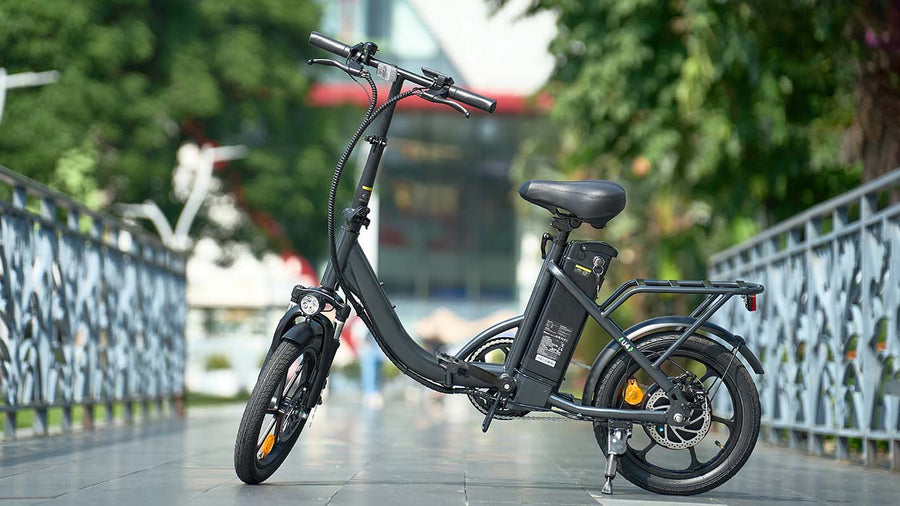
Folding electric bikes are one of the most convenient ways to combine cycling and train travel. They are compact, lightweight, and often exempt from some of the stricter rules applied to standard e-bikes. Here’s what you need to know if you’re wondering: can you take electric bikes on trains.
1. Benefits of Folding E-Bikes for Train Travel
-
Compact size: Folding e-bikes take up less space, making them easier to store in train bike areas or even carry on trains without dedicated bike zones.
-
Flexible travel times: Most operators allow folding e-bikes during peak hours, unlike full-sized e-bikes.
-
Lightweight handling: Easier to lift onto trains, platforms, or store under seats.
-
iHoverboard folding models: Designed for quick folding and easy storage, perfect for commuters.
2. General Rules for Folding E-Bikes
-
Folding e-bikes can usually be carried free of charge on most UK trains.
-
They must be folded and, if possible, placed in a protective carrying case to prevent damage.
-
Limit one folding e-bike per vestibule area during busy travel times on some operators.
-
Ensure your bike is clearly labeled with your contact information.
3. Operator-Specific Guidelines
-
London Overground & Elizabeth Line: Only folding e-bikes are allowed at any time. Peak hours: one bike per vestibule.
-
East Midlands Railway, South Western Railway, LNER: Folding e-bikes are carried free if stowed as luggage.
-
c2c and Stansted Express: Folding e-bikes should be transported in a protective case.
-
Always check the specific cycle policy of your train operator before traveling.
4. Tips for Smooth Travel
-
Arrive early to find space for your folding e-bike.
-
Keep your e-bike clean and protected to avoid inconveniencing other passengers.
-
Fold and store your iHoverboard folding e-bike correctly, so it doesn’t block aisles or doors.
-
Check that your battery meets UK safety standards (pedal-assisted, max 250W, ≤15.5 mph).
5. Quick Reference Checklist
-
Fold your e-bike before boarding.
-
Use a protective case if required.
-
Label your bike clearly.
-
Follow operator-specific limits during peak times.
-
Store in designated bike areas only.
Summary: Folding e-bikes, especially models like iHoverboard, make train travel easier, faster, and stress-free. By following these simple guidelines, you can enjoy seamless journeys with your electric bike anywhere in the UK.
Road-Legal Electric Bikes and Power Limits
Not all electric bikes are allowed on UK trains. Only road-legal e-bikes can be carried safely and in compliance with the law. Understanding power limits, speed restrictions, and battery safety is crucial for anyone asking: can you take electric bikes on trains.
1. What Makes an Electric Bike Road-Legal?
For an electric bike to be considered road-legal in the UK, it must meet these requirements:
-
Pedal-assisted only: The motor should assist only when you pedal. Bikes that operate purely on throttle are not permitted.
-
Maximum continuous power output: 250 watts.
-
Top speed: The motor must stop providing assistance when the bike reaches 15.5 mph (25 km/h).
-
Legal on public roads: Must comply with UK electric bike regulations to be transported on trains.
iHoverboard electric bikes are fully compliant with UK road-legal standards, making them ideal for train travel.
2. Battery and Safety Rules
Transporting e-bike batteries safely is just as important as following power limits:
-
Removable batteries: If possible, remove the battery and carry it as hand luggage, following train operator guidelines.
-
Battery type: Must be lithium-ion and meet UN transport regulations.
-
Charge level: Avoid fully charged batteries for transport; around 30–70% is recommended for safety.
-
Secure storage: Make sure the battery is well-protected and does not risk short-circuiting.
3. Rules for Standard Road-Legal E-Bikes on Trains
-
Reservation: Some train operators may require you to reserve a space for your e-bike.
-
Designated storage areas only: Bikes must remain in the marked zones and cannot obstruct aisles or doors.
-
Carried at owner’s risk: Standard e-bikes are treated like valuable luggage.
4. Operator-Specific Guidelines
-
London Overground & Elizabeth Line: Only folding e-bikes are allowed; standard road-legal e-bikes are restricted.
-
Regional and national operators: Most allow road-legal e-bikes, provided they comply with UK power limits and are stored safely.
-
Always check the operator’s website for exact guidance before traveling.
5. Quick Tips for Easy Travel with Road-Legal E-Bikes
-
Confirm your e-bike meets UK road-legal requirements before boarding.
-
Keep your battery removable and safely packed.
-
Label your iHoverboard e-bike clearly to avoid mix-ups.
-
Fold if possible or use a protective cover for standard e-bikes.
-
Arrive early to secure space in the designated bike area.
Summary: Only road-legal electric bikes, such as iHoverboard models, are permitted on UK trains. By adhering to power limits, speed restrictions, and battery safety rules, you ensure a hassle-free journey and compliance with all train operator policies.
Tandem and Large Electric Bikes
Not all electric bikes are the same size, and larger models—like tandems or cargo-style e-bikes—face additional restrictions when it comes to train travel. If you’re asking: can you take electric bikes on trains, it’s important to know which types are allowed and how to travel with them safely.
1. What Counts as a Large Electric Bike?
Large electric bikes include:
-
Tandem e-bikes: Bikes built for two riders.
-
Cargo e-bikes: Bikes designed to carry heavy loads or extra passengers.
-
Oversized frame bikes: Bikes that exceed standard dimensions or weight limits for trains.
These bikes often require more space and special handling compared to standard or folding e-bikes.
2. General Rules for Tandems and Large E-Bikes
-
Limited train acceptance: Only certain operators allow large e-bikes.
-
Reservations required: Always book a bike space in advance when carrying a tandem or oversized e-bike.
-
Designated bike areas: Must be stored in specific areas to avoid blocking aisles or doors.
-
Carried at owner’s risk: Larger e-bikes are considered high-value and require careful handling.
3. Operator-Specific Guidelines
-
Avanti West Coast: Accepts tandems on specific services.
-
Greater Anglia: Tandems are permitted on select routes.
-
LNER: Allows tandem e-bikes with prior arrangements.
-
ScotRail: Only allows tandems on the Glasgow to Oban route.
Check your train operator’s website or contact customer service before traveling with any large e-bike.
4. Tips for Traveling with Large Electric Bikes
-
Plan ahead: Arrive early and confirm your bike space.
-
Use protective covers: Helps prevent damage to your bike or other passengers’ belongings.
-
Distribute weight carefully: Ensure heavy cargo e-bikes are balanced to avoid tipping.
-
Consider folding alternatives: If possible, iHoverboard folding models are far easier to carry on trains.
5. Quick Reference Checklist
-
Confirm your train operator allows large e-bikes.
-
Reserve space in advance.
-
Use protective covers to secure your bike.
-
Store your bike in designated areas only.
-
Handle your iHoverboard or large e-bike carefully during boarding and disembarking.
Summary: While tandems and large electric bikes are allowed on some UK trains, strict rules apply. By planning ahead, reserving space, and following operator guidelines, iHoverboard riders can enjoy safe and stress-free travel with larger e-bikes.
E-Bike Safety and Etiquette on Trains
Taking an electric bike on a train isn’t just about following the rules—it’s also about safety and consideration for other passengers. If you’re wondering can you take electric bikes on trains, understanding proper e-bike etiquette will help you travel smoothly and avoid issues onboard.
1. Boarding and Exiting Safely
-
Wait for passengers to exit first before boarding with your e-bike.
-
Use ramps or lifts where available instead of stairs.
-
Lift carefully, keeping the bike balanced and under control at all times.
-
Avoid rushing, especially during busy travel periods.
2. Correct Storage on Trains
-
Always place your e-bike in designated bicycle storage areas.
-
Never block doors, aisles, or emergency exits.
-
Secure the bike so it does not roll or tip during movement.
-
Folding electric bikes should be folded and stored like luggage when required.
3. Battery Safety Guidelines
-
Make sure the battery is securely attached or safely removed if required by the operator.
-
Avoid charging your e-bike battery on trains unless explicitly permitted.
-
Keep batteries away from heat sources and out of walkways.
-
Inspect the battery before travel—do not carry damaged or swollen batteries.
4. Respecting Other Passengers
-
Keep your e-bike clean and free from mud or debris.
-
Use a protective cover if your bike may brush against seats or luggage.
-
Avoid leaning your bike against walls or seats where it could cause damage.
-
Be mindful of limited space, especially during peak travel times.
5. Peak-Time Etiquette
-
Travel off-peak whenever possible to reduce congestion.
-
If space is limited, be prepared to wait for the next train.
-
Folding e-bikes are generally more acceptable during busy periods.
6. Quick Safety & Etiquette Checklist
-
Board and exit calmly
-
Store e-bike in designated areas only
-
Secure battery properly
-
Keep aisles and doors clear
-
Respect fellow passengers
Summary: Even when electric bikes are permitted, good safety habits and polite behavior make a big difference. By following proper e-bike safety and etiquette, you’ll ensure a comfortable journey for yourself and others—making train travel with your electric bike simple and stress-free.
Combining Trains with Other Transport Options
Train travel becomes even more flexible when combined with other transport options. For electric bike riders, understanding how trains connect with buses, cycle hire, and urban transport systems helps answer the key question: can you take electric bikes on trains and continue your journey smoothly.
1. Using Electric Bikes with Rail Replacement Buses
Rail replacement buses are sometimes used during maintenance or disruptions, and the rules for e-bikes are more restrictive:
-
Non-folding electric bikes are usually not allowed on buses due to limited space.
-
Folding electric bikes may be permitted if they are fully folded and stored like luggage.
-
Space is limited, and carriage is never guaranteed, even for folding e-bikes.
-
Drivers may refuse entry if the bus is busy or storage is unsafe.
Tip: If rail replacement buses are expected, using a folding iHoverboard electric bike gives you more flexibility.
2. Connecting Trains with City Transport
Many UK train stations are well-connected to city transport networks:
-
Underground and metro systems: Often have stricter rules, usually allowing only folding e-bikes.
-
Trams and light rail: Policies vary by city; folding e-bikes are typically accepted outside peak hours.
-
Walking zones: Some city centres restrict riding—be prepared to push your e-bike where required.
Always check local transport rules before continuing your journey after leaving the train.
3. Using Cycle Hire Schemes at Train Stations
If bringing your own e-bike isn’t practical, cycle hire can be a useful alternative:
-
Many major cities offer cycle hire near train stations, making last-mile travel easy.
-
No advance booking is usually required—just arrive and ride.
-
This option is helpful when e-bike restrictions apply or storage space is limited.
Cycle hire works well alongside train travel when electric bikes cannot be taken onboard.
4. Planning Multi-Modal Journeys with an Electric Bike
To combine trains with other transport efficiently:
-
Check all transport rules in advance, not just train policies.
-
Allow extra time for transfers between trains, buses, or city transport.
-
Choose folding electric bikes for maximum compatibility across transport types.
-
Keep batteries secure and your e-bike easy to handle.
iHoverboard electric bikes are designed with portability in mind, making them suitable for multi-modal UK travel.
5. Quick Planning Checklist
-
Check rail replacement bus rules
-
Confirm city transport e-bike policies
-
Consider folding e-bike options
-
Allow extra transfer time
-
Plan alternatives like cycle hire if needed
Summary: Combining trains with buses, city transport, or cycle hire gives you more travel freedom, but rules vary. Planning ahead and choosing a train-friendly electric bike helps ensure smooth, stress-free journeys across the UK.
Conclusion
So, can you take electric bikes on trains in the UK? In most cases, yes—provided your e-bike is road-legal, safely stored, and compliant with individual train operator policies. Folding electric bikes offer the greatest flexibility, especially during peak hours or when space is limited, while larger or tandem e-bikes require careful planning and advance reservations.
By understanding train rules, power limits, safety etiquette, and how to combine trains with other transport options, you can enjoy smooth and stress-free journeys. Choosing a practical and train-friendly electric bike, such as an iHoverboard model, makes it even easier to travel responsibly, efficiently, and sustainably across the UK.
With the right preparation, electric bikes and trains work together perfectly—giving you more freedom to commute, explore, and ride with confidence.
FAQs
Can you take an electric bike on a train?
Yes, in most cases, you can take an electric bike on a train in the UK. Your e-bike must be road-legal, meaning it is pedal-assisted, has a maximum motor power of 250W, and stops assistance at 15.5 mph. You also need to follow individual train operator rules, such as using designated bike areas or reserving a space in advance. Folding electric bikes are usually accepted more easily, especially during peak hours.
Can I bring an e-bike on a train?
Yes, you can bring an e-bike on a train as long as it meets UK legal requirements and the train operator allows bikes on that service. Some operators restrict non-folding e-bikes during busy times, while folding e-bikes are often treated as luggage. Always check the specific operator’s policy before you travel to avoid disruptions.
Why are e-scooters banned on trains but not e-bikes?
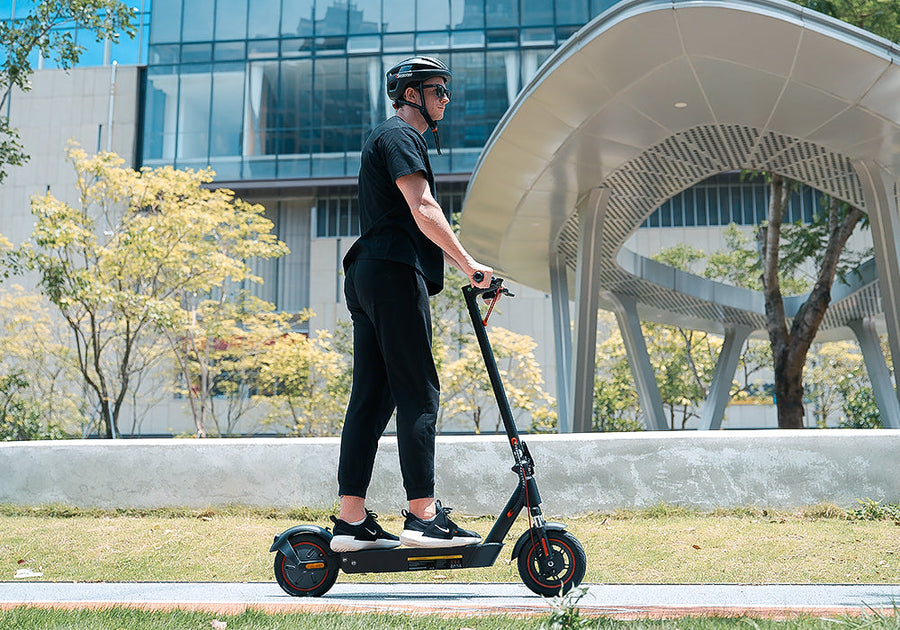
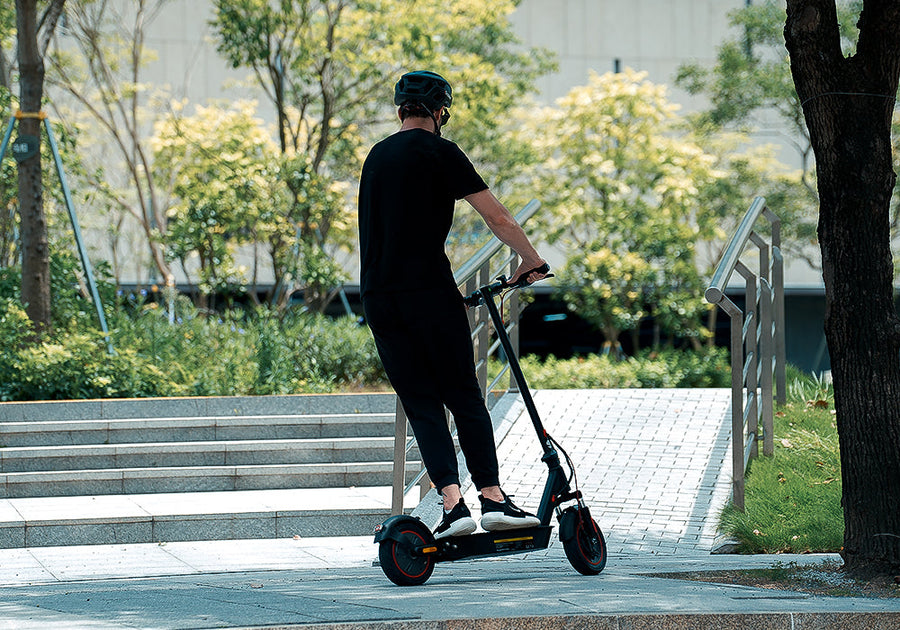
E-scooters are banned on trains mainly due to battery safety concerns and legal status. Privately owned e-scooters are not road-legal in the UK, and their lithium batteries pose a higher fire risk. In contrast, e-bikes are legally regulated, designed for public roads, and subject to strict power and safety standards. This is why road-legal electric bikes are generally permitted on trains, while e-scooters are not.





Still, need help? Contact Us: support@ihoverboard.com
What's the option? Check out the option now!
Leave us a message