


















![Can You Ride Electric Scooter in Light Rain? [Safety Tips & Guide]](http://www.ihoverboard.co.uk/cdn/shop/articles/950_530_{width}x.png?v=1771550567)
Can You Ride Electric Scooter in Light Rain? [Safety Tips & Guide]
Can You Ride Electric Scooter in Light Rain? [Safety Tips & Guide]
Riding an electric scooter can be convenient and fun, but many riders ask: can you ride electric scooter in light rain? While water-resistant scooters like iHoverboard models can handle brief wet conditions, rain introduces risks such as reduced traction, slippery roads, and potential damage to electrical components. Understanding safety precautions, proper gear, and scooter maintenance ensures a safer ride in light rain. In this guide, we’ll cover everything you need to know to ride confidently and protect your scooter.
Are Electric Scooters Designed to Handle Rain?
Electric scooters, including iHoverboard models, are generally water-resistant rather than fully waterproof. This means they can handle light rain, small splashes, or short rides on wet roads, but they are not built for heavy downpours, puddles, or prolonged exposure to water.
The main components at risk in wet conditions are:
-
Battery & Motor: Water can cause short circuits, corrosion, or long-term damage.
-
Electronics & Display: Moisture can lead to malfunctions or failure of sensors and screens.
-
Brakes & Tires: Wet surfaces reduce traction, increasing the risk of slipping and longer stopping distances.
iHoverboard scooters are designed with sealed electronics, splash-resistant decks, and water-resistant compartments, allowing safe rides in light rain. However, even with these features, extended exposure to rain can degrade protective seals over time, so caution is always advised.
In short, riding in light rain is generally safe with the right precautions, but electric scooters are not meant for heavy rain or wet conditions for long periods.
Understanding IP Ratings and Water Resistance
One of the most important factors for riding an electric scooter in light rain is its water resistance, often measured by an IP rating. IP stands for Ingress Protection, which indicates how well a device is sealed against solids (like dust) and liquids (like water).
An IP rating has two digits:
-
First digit (0–6): Protection against solids, such as dust.
-
Second digit (0–9): Protection against water. For riding in wet conditions, this second digit is what matters most.
Here’s a quick guide to water protection levels:
-
0: No protection against water.
-
1–3: Minimal protection; only safe against dripping water.
-
4: Protected from water splashes from any direction – suitable for light rain.
-
5–6: Can handle low to high-pressure water jets – can manage moderate rain.
-
7–8: Can withstand temporary or prolonged immersion – rare in scooters.
-
9: Industrial-level protection against high-pressure, high-temperature water – uncommon for consumer scooters.
Most high-quality electric scooters, including iHoverboard models, have an IP54 rating, which means they can safely handle light rain and occasional splashes. This makes them suitable for short wet-weather commutes.
Key points to remember:
-
IP rating is not permanent: Over time, seals and protective coatings can degrade, reducing water resistance.
-
Water-resistant ≠ waterproof: Even scooters with IP54 or higher should avoid heavy rain, puddles, or extended wet rides.
-
Check your scooter’s manual: Not all scooters come with an IP rating, so confirm before riding in wet conditions.
Understanding IP ratings helps riders make informed decisions about when it’s safe to ride in light rain and how to protect their scooter. iHoverboard scooters combine thoughtful design and water resistance to make light rain rides safer, but caution is still essential.
Safety Risks of Riding in the Rain
Riding an electric scooter in the rain can be risky, even for water-resistant models like iHoverboard scooters. Wet roads reduce traction, visibility, and overall control, making accidents more likely. Understanding these risks can help riders make safer decisions.
1. Reduced Traction and Slippery Surfaces
Rain makes roads slick, especially on painted lines, metal surfaces, and cobblestones. Scooters typically have small wheels and smooth tires, which can easily slip on wet surfaces. This increases the risk of:
-
Skidding when braking suddenly
-
Losing balance during turns or sharp maneuvers
-
Longer stopping distances
2. Reduced Visibility
Rain affects both the rider and other road users. Water droplets on glasses, helmet visors, or scooter lights can make it harder to see. Motorists may also struggle to spot a scooter, increasing the chance of collisions.
3. Electrical Hazards
Water can seep into sensitive areas like the battery, motor, and display. Even water-resistant scooters can suffer:
-
Temporary malfunctions or power loss
-
Short circuits leading to permanent damage
-
Increased risk of corrosion over time
4. Physical Discomfort and Fatigue
Riding in wet conditions can be cold and uncomfortable, which affects focus and reaction time. Wet clothes and shoes can distract riders, making it harder to navigate safely.
5. Voided Warranties
Many manufacturers, including iHoverboard, do not cover water damage under warranty. Riding in rain may expose riders to costly repairs if water penetrates key components.
Summary:
Even light rain introduces multiple risks. Reduced traction, lower visibility, electrical hazards, and physical discomfort all make riding more challenging. While iHoverboard scooters are designed to handle occasional light rain, riders should always prioritize caution, reduce speed, and follow safe riding practices to minimize accidents and damage.
Tips for Riding Your Electric Scooter in Light Rain
Riding an electric scooter in light rain is possible with the right precautions. Even with water-resistant models like iHoverboard scooters, following these tips can help protect both you and your scooter.
1. Reduce Your Speed
Wet roads reduce traction, so it’s important to ride slower than usual. Slower speeds give you more time to react to slippery surfaces, puddles, or unexpected obstacles.
2. Brake and Accelerate Gradually
Avoid sudden acceleration or harsh braking, which can cause skidding on wet surfaces. Apply brakes gently and early to ensure a controlled stop. Smooth acceleration also prevents wheel spin and loss of balance.
3. Check Your Tires
Proper tire condition is crucial for wet-weather safety. Pneumatic (air-filled) tires, like those on iHoverboard scooters, provide better grip. Make sure tires are properly inflated and have adequate tread to channel water away from the contact surface.
4. Wear Waterproof Gear
Stay dry and comfortable with waterproof clothing:
-
Rain jacket and pants
-
Waterproof gloves and shoes
-
Helmet with visor or full-face protection
Keeping your body dry helps maintain focus and reduces fatigue while riding.
5. Avoid Deep Puddles
Puddles can hide potholes or debris that may damage the scooter or cause accidents. Water can also enter the motor or battery compartment, even in water-resistant scooters. Stick to shallow, well-drained routes whenever possible.
6. Improve Visibility
Rain reduces visibility for both you and other road users. Use reflective clothing or accessories, and ensure your scooter’s lights are functioning properly. Bright lights make it easier for drivers to see you in low-visibility conditions.
7. Use Fenders or Covers
Fenders help prevent water splashes onto your legs, while protective covers can shield sensitive components like the battery, display, and charging ports from moisture. This reduces the risk of damage and keeps your ride cleaner.
8. Maintain a Safe Distance
Wet roads increase stopping distances. Keep extra space between you and pedestrians, vehicles, or other scooters to allow time to react safely.
Summary:
Riding in light rain is manageable with careful preparation, slow speeds, smooth braking, and proper gear. iHoverboard scooters are built with water-resistant features to help riders handle occasional wet conditions safely, but caution and awareness remain essential.
How to Protect Your Electric Scooter in Wet Conditions
Even water-resistant scooters like iHoverboard models benefit from extra care when riding in wet conditions. Taking preventive measures helps reduce the risk of damage and extends the life of your scooter.
1. Protect the Display and Electronics
The display and control panel are vulnerable to moisture. To protect them:
-
Use a plastic cover or dedicated waterproof shield over the display.
-
Avoid exposing the dashboard to heavy rain for long periods.
-
Ensure all ports and connectors are tightly sealed when riding.
2. Seal Deck Gaps and Openings
Water can seep through cracks or gaps in the deck. To minimize this:
-
Inspect the scooter for openings along the deck or near wiring.
-
Apply silicone sealant or gaskets to prevent water entry.
-
Avoid over-sealing, as scooters need ventilation to prevent condensation.
3. Protect the Motor
Motors can be affected by water ingress and corrosion. Simple precautions include:
-
Avoid riding through deep puddles that could submerge the motor.
-
Consider using a light layer of water-resistant grease on motor bearings.
-
Inspect the motor casing regularly for signs of water damage.
4. Protect the Battery
The battery is particularly sensitive to moisture. To keep it safe:
-
Ensure the battery compartment is fully closed before riding.
-
Use port covers to block water entry into charging connectors.
-
For removable batteries, take them out if heavy rain is expected.
5. Install Fenders or Mudguards
Fenders help reduce splashes onto critical components like the motor and battery while keeping your legs dry. Mudguards also improve comfort and reduce dirt accumulation.
6. Avoid Prolonged Exposure to Rain
Even with protections, extended riding in rain increases the risk of damage. Stick to short trips and try to park your scooter in a dry, sheltered area whenever possible.
7. Regular Maintenance After Wet Rides
After riding in rain, wipe down your scooter, check for water inside compartments, and dry any damp areas. Inspect electronics, brakes, and the motor to catch potential issues early.
Summary:
By taking simple precautions like covering electronics, sealing gaps, protecting the motor and battery, and using fenders, riders can significantly reduce the risk of water damage. iHoverboard scooters are designed with water resistance in mind, but combining good riding practices with protective measures ensures a safer, longer-lasting scooter.
After-Rain Maintenance for Your Scooter
Even if your iHoverboard scooter is water-resistant, proper care after riding in rain is essential to maintain performance and prevent long-term damage. Following these steps ensures your scooter stays in top condition.
1. Turn Off the Scooter Immediately
If your scooter got wet during the ride, power it down immediately. This prevents potential short circuits in the battery, motor, or electronics. Never attempt to charge a wet scooter.
2. Dry the Exterior Thoroughly
Use a soft towel or cloth to wipe down all surfaces. Pay special attention to:
-
Battery compartment
-
Motor casing
-
Display and control panel
-
Deck and crevices where water may collect
Gently shake the scooter to remove trapped water from small openings.
3. Remove the Battery (If Possible)
For scooters with removable batteries, take the battery out and dry it separately. This reduces the risk of electrical damage and allows the compartment to air out completely.
4. Store in a Dry, Ventilated Area
Place the scooter in a warm, dry place with good air circulation. Avoid direct heat like radiators, which can damage components. Using a fan can help speed up the drying process.
5. Wait Before Powering On or Charging
Give your scooter 24–48 hours to dry completely before turning it on or connecting it to a charger. Moisture inside electrical components can lead to short circuits or permanent damage if powered on too soon.
6. Inspect and Maintain Components
After drying, check for any signs of water damage:
-
Test brakes and lights to ensure they function properly.
-
Lubricate bearings, folding joints, and other metal parts to prevent rust.
-
Check tires for any debris collected during wet rides.
7. Regular Maintenance Checks
Even occasional rain rides warrant regular maintenance. Inspect seals, screws, and protective coverings to ensure the scooter remains water-resistant. Keeping up with maintenance extends the scooter’s lifespan and reliability.
Summary:
Post-rain care is critical to prevent water damage, corrosion, and electrical issues. By turning off the scooter, drying it thoroughly, removing the battery, and performing inspections, iHoverboard riders can maintain safe and reliable performance, even after wet-weather rides.
When You Should Avoid Riding in Rain
While iHoverboard scooters can handle light rain, there are situations where riding in wet conditions is unsafe and should be avoided entirely. Understanding these scenarios helps protect both the rider and the scooter.
1. During Heavy Rain or Thunderstorms
Strong rain, lightning, and gusty winds create extremely hazardous conditions. Water can pool on roads, reducing traction, while lightning increases personal safety risks. Avoid riding entirely during storms to prevent accidents or electrical hazards.
2. Low Visibility Conditions
Rain often reduces visibility for both riders and other road users. If you cannot clearly see 400 feet (120 meters) ahead, riding becomes dangerous. Poor visibility makes it harder to spot obstacles, pedestrians, or approaching vehicles, increasing the likelihood of collisions.
3. Flooded or Puddled Roads
Water deeper than a few inches can enter sensitive components like the motor, battery, or electrical wiring—even on water-resistant scooters. Flooded areas also conceal potholes or debris that could cause a fall or damage your iHoverboard scooter.
4. Ice or Slippery Surfaces
Rain combined with cold temperatures may create ice patches or extremely slick roads. Scooters are especially vulnerable on metal surfaces, painted lines, and cobblestones when wet. Riding on these surfaces significantly increases the risk of skidding or falling.
5. Long Commutes in Wet Weather
Even moderate rain over long distances can lead to water seeping into the scooter’s internal components over time. If your trip requires extended exposure to rain, it’s safer to choose alternative transport.
Summary:
Riding in heavy rain, low visibility, flooded streets, icy roads, or over long distances in wet conditions is not recommended. While iHoverboard scooters are designed to handle occasional light rain, these scenarios pose too high a risk for both safety and the longevity of your scooter. Opting for alternative transportation during these conditions ensures a safer and more reliable ride.
Conclusion
Riding an electric scooter in light rain is possible with the right precautions, especially with water-resistant models like iHoverboard scooters. Understanding your scooter’s IP rating, reducing speed, wearing proper gear, and avoiding puddles or slippery surfaces can make short wet-weather rides safer.
However, it’s important to remember that electric scooters are not fully waterproof. Heavy rain, flooded roads, or extended exposure to wet conditions can damage the battery, motor, and electronics, while also increasing the risk of accidents.
By following safety tips, performing post-ride maintenance, and knowing when to avoid riding in rain, you can protect both yourself and your scooter. Light rain riding should always be approached as a calculated risk, prioritizing caution over convenience.
FAQs
Can I ride my electric scooter in light rain?
Yes, you can ride an electric scooter in light rain, especially water-resistant models like iHoverboard scooters. Light rain and splashes are generally safe if you reduce speed, avoid sudden braking, wear waterproof gear, and stay on shallow, well-drained routes. However, avoid heavy rain, flooded areas, or long rides in wet conditions to protect both yourself and your scooter.
What happens if an electric scooter gets wet?
If an electric scooter gets wet, water can enter the battery, motor, or electronics, causing temporary malfunctions, short circuits, or long-term corrosion. Immediate steps include powering off the scooter, drying it thoroughly, removing the battery if possible, and storing it in a dry, ventilated area for 24–48 hours before use or charging. Regular maintenance after wet rides is essential to prevent damage.
How much PSI for an e-scooter?
Most electric scooters, including iHoverboard models, perform best with tire pressure between 35–50 PSI for pneumatic (air-filled) tires. Proper inflation ensures better traction, handling, and comfort, especially in wet conditions. Check your scooter’s manual for the recommended PSI, as it may vary depending on tire size and scooter model.
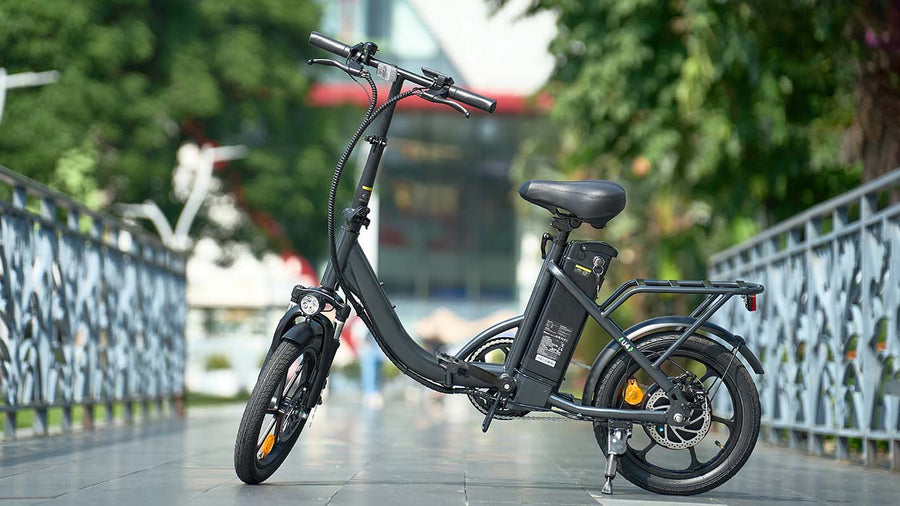
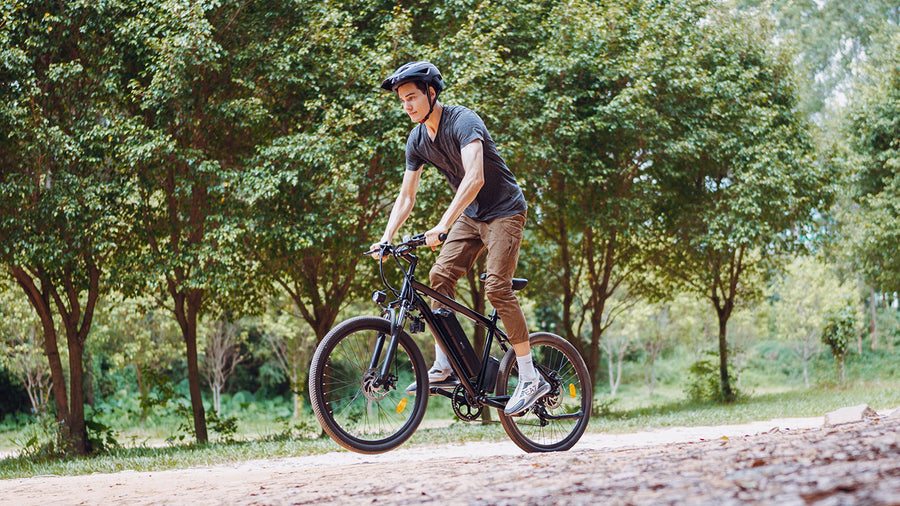
Can I ride my electric bike in the rain?
Yes, many electric bikes are designed to handle light rain, similar to electric scooters. However, like scooters, they are usually water-resistant, not waterproof. Reduce speed, avoid puddles, wear waterproof gear, and take extra care on slippery roads. Prolonged exposure to heavy rain can damage electrical components, so it’s best to limit riding in wet conditions.





Still, need help? Contact Us: support@ihoverboard.com
What's the option? Check out the option now!
Leave us a message