
















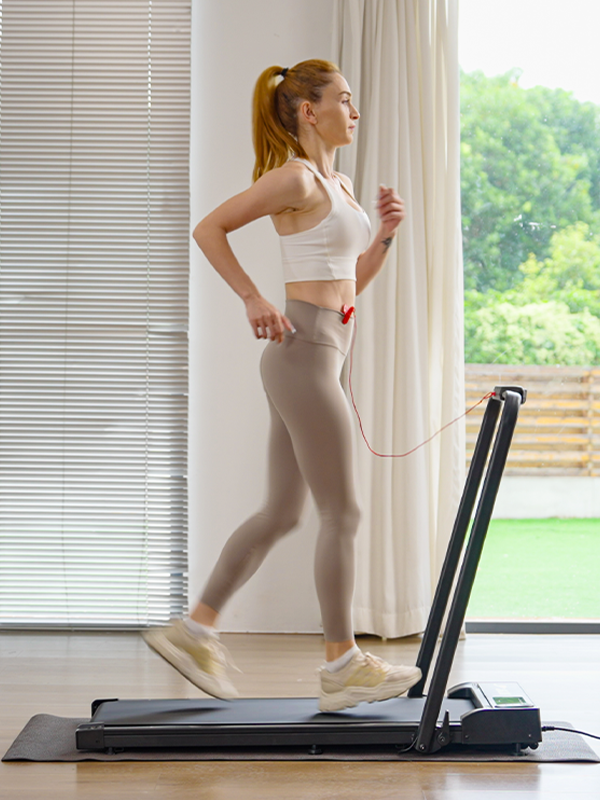





Can You Plug Walking Pad Into Extension Cord? Safety Guide
Can You Plug Walking Pad Into Extension Cord? Safety Guide
If you’re setting up a home workout space, you may be asking can you plug walking pad into extension cord without risking safety or performance issues. While walking pads are compact and convenient, they still rely on stable electrical power to operate properly. Using the wrong power source can affect motor efficiency, increase wear, and create potential hazards. This guide explains when extension cords are acceptable, what to avoid, and how to power your walking pad safely for long-term use.
Understanding Walking Pad Power Requirements
To better understand can you plug walking pad into extension cord, it helps to break down how a walking pad uses power and why the right electrical setup matters. Even though walking pads are compact, they still require steady and reliable electricity to operate safely.
Key power basics to know:
-
Walking pads run on standard household voltage (usually 110–120V or 220–240V, depending on location).
-
The motor draws power continuously while in use and needs extra power when starting or changing speed.
-
Short power fluctuations can affect performance and long-term durability.
Why stable power is important:
-
Inconsistent power can cause uneven belt movement or sudden slowdowns.
-
Insufficient current may lead to overheating or automatic safety shutdowns.
-
Long-term power strain can reduce motor lifespan and reliability.
Amperage and load considerations:
-
Walking pads draw several amps during normal operation.
-
Power demand increases when supporting body weight over extended periods.
-
Restricted power flow can prevent the walking pad from operating at full capacity.
Understanding these fundamentals makes it easier to evaluate can you plug walking pad into extension cord safely. The key is ensuring your walking pad receives consistent voltage and adequate current, which directly impacts performance, safety, and longevity.
Can You Plug a Walking Pad Into an Extension Cord?
The short answer to can you plug walking pad into extension cord is yes—but only in limited situations and with the right precautions. While walking pads use less power than full-sized treadmills, they still rely on a steady electrical supply, and extension cords can interfere with that if used incorrectly.
Why extension cords are generally discouraged
-
Extension cords can cause voltage drop, especially if they are long or thin.
-
Reduced voltage forces the walking pad motor to work harder, increasing heat and wear.
-
Poor-quality cords may overheat during continuous use, creating a safety risk.
When using an extension cord may be acceptable
-
The extension cord is grounded (three-prong) and in excellent condition.
-
The cord is short in length, typically under six feet.
-
The cord is heavy-duty and at least as thick as the walking pad’s power cable.
-
The extension cord is used temporarily, not as a permanent solution.
Situations where you should avoid using an extension cord
-
Daily or long-duration walking pad use.
-
When the extension cord includes surge protection or a power strip.
-
If the walking pad shares the circuit with multiple appliances.
-
When the outlet or cord shows signs of heat, wear, or looseness.
Why wall outlets are still the safest option
Plugging directly into a grounded wall outlet allows the walking pad to receive consistent power without restriction. This reduces strain on internal components and helps maintain smooth belt movement, proper speed control, and overall electrical safety.
So, when asking can you plug walking pad into extension cord, the safest conclusion is that extension cords should only be used as a last resort. For regular use and long-term reliability, a direct connection to a proper wall outlet remains the recommended choice.
When Using an Extension Cord for a Walking Pad Is Considered Safe
Although plugging directly into a wall outlet is always the safest option, there are limited situations where using an extension cord may be acceptable. To safely answer can you plug walking pad into extension cord, several strict conditions must be met to reduce electrical risk and protect your walking pad.
Use a grounded extension cord only
-
The extension cord must have three prongs to support proper grounding.
-
Grounding helps prevent electrical faults and reduces the risk of shock or damage.
-
Never use two-prong or ungrounded adapters with a walking pad.
Keep the extension cord short
-
Shorter cords reduce voltage loss and overheating risk.
-
A length of under six feet is generally considered safer.
-
Long extension cords increase resistance, which can strain the motor.
Choose the correct cord thickness (gauge)
-
The extension cord should be at least as thick as the walking pad’s power cable.
-
Thicker cords carry current more efficiently and stay cooler during use.
-
Lightweight household cords are not designed for motor-driven equipment.
Avoid surge protection and power strips
-
Many walking pads already include internal surge protection.
-
Using surge-protected extension cords can interfere with normal operation.
-
Power strips are not designed for continuous motor loads and should be avoided.
Limit use to temporary situations
-
Extension cords should be a short-term solution, not a permanent setup.
-
Repeated daily use increases the risk of electrical wear and heat buildup.
-
If an extension cord is needed regularly, relocating the walking pad or installing a closer outlet is a safer alternative.
Monitor for warning signs
-
Stop using the extension cord if it feels warm to the touch.
-
Watch for flickering displays, speed fluctuations, or unexpected shutdowns.
-
Any unusual smell or noise should be treated as a safety concern.
When these conditions are followed, using an extension cord can reduce risk—but it does not eliminate it entirely. Understanding these safety guidelines helps ensure that if you ever need to plug your walking pad into an extension cord, you do so with care and awareness.
Extension Cord Types You Should Never Use With a Walking Pad
To safely evaluate can you plug walking pad into extension cord, it is just as important to know which extension cords are unsafe. Using the wrong type of extension cord can lead to poor performance, electrical damage, or serious safety hazards.
Surge-protected extension cords
-
Surge-protected cords are designed for electronics, not motor-driven equipment.
-
Walking pads often have built-in surge protection already.
-
Additional surge protection can restrict power flow and cause unexpected shutdowns or errors.
Power strips and multi-socket adapters
-
Power strips are not rated for continuous motor loads.
-
Plugging a walking pad into a power strip increases overheating risk.
-
Shared sockets can cause unstable voltage and sudden power loss.
Lightweight or household extension cords
-
Thin cords cannot handle the sustained amperage a walking pad requires.
-
These cords heat up faster, increasing fire and melting risks.
-
They are commonly designed for lamps or chargers, not fitness equipment.
Long extension cords
-
Long cords create significant voltage drop over distance.
-
Reduced voltage forces the walking pad motor to work harder than intended.
-
This can result in uneven belt speed, poor responsiveness, or motor strain.
Damaged or worn extension cords
-
Frayed insulation, bent prongs, or loose connectors are major hazards.
-
Even minor damage can lead to short circuits or electrical failure.
-
Damaged cords should never be used, even for short periods.
Two-prong or ungrounded cords
-
Lack of grounding increases the risk of electrical shock.
-
Ungrounded cords do not provide proper fault protection.
-
Walking pads should only be used with grounded power connections.
Avoiding these extension cord types significantly reduces the risks associated with plugging in a walking pad. If you are unsure about a cord’s suitability, it is safer to avoid using it altogether and choose a direct wall outlet instead.
Electrical Safety Tips to Prevent Walking Pad Damage
Understanding can you plug walking pad into extension cord goes beyond cord choice alone. Proper electrical habits play a major role in protecting your walking pad from damage, performance issues, and unnecessary repairs. Following these safety tips helps ensure stable operation and long-term reliability.
Plug directly into a grounded wall outlet whenever possible
-
A grounded outlet provides consistent voltage and proper fault protection.
-
Direct connections reduce resistance and prevent power loss.
-
This setup allows the walking pad motor to operate at its intended capacity.
Unplug the walking pad when not in use
-
Disconnecting power reduces the risk of electrical surges.
-
It also prevents accidental activation, especially in shared living spaces.
-
Unplugging helps extend the lifespan of internal electronic components.
Avoid shared circuits with high-power appliances
-
Running multiple appliances on the same circuit can reduce available power.
-
Voltage drops may cause the walking pad to stutter or shut down.
-
Dedicated or lightly loaded circuits offer better performance and safety.
Use a protective mat on carpeted floors
-
Carpet can trap heat beneath the walking pad.
-
Reduced airflow may cause the motor to run hotter than normal.
-
A proper mat improves ventilation and protects both the floor and equipment.
Keep cords clear and fully extended
-
Coiled or pinched cords trap heat and increase fire risk.
-
Ensure cords are not placed under the walking pad.
-
Avoid running cords near sharp edges or heavy furniture.
Watch for early warning signs
-
Flickering displays or delayed speed response may indicate power issues.
-
Warm plugs or cords suggest electrical resistance or overload.
-
Unusual smells or noises should be addressed immediately.
Recheck electrical setup after moving the walking pad
-
Relocation can change outlet access and cord positioning.
-
Always confirm stable power before resuming use.
-
Reassessing setup helps prevent hidden electrical strain.
By following these electrical safety tips, you significantly reduce the risks associated with power-related damage. Whether plugged directly into a wall outlet or used temporarily with an extension cord, safe electrical practices are essential for keeping your walking pad running smoothly and reliably.
Conclusion
So, can you plug walking pad into extension cord? The answer is yes, but only under very specific and carefully controlled conditions. While a short, grounded, heavy-duty extension cord may work temporarily, it is never the safest long-term solution for powering a walking pad.
For consistent performance and maximum safety, plugging your walking pad directly into a grounded wall outlet is always the best choice. Stable power helps protect the motor, ensures smooth belt operation, and reduces the risk of overheating or electrical damage. Extension cords, power strips, and surge-protected cables can interfere with proper power delivery and should be avoided whenever possible.
By understanding walking pad power requirements, choosing the right electrical setup, and following essential safety tips, you can prevent unnecessary wear and extend the lifespan of your equipment. If an extension cord is needed regularly, upgrading your outlet placement or consulting a qualified electrician is a safer and more reliable long-term solution.
FAQs
Can I put my walking pad on an extension cord?
Yes, but only as a temporary solution. If you must do so, the extension cord should be grounded (three-prong), heavy-duty, short in length, and in good condition. Long-term or daily use of an extension cord is not recommended, as it can cause voltage drop, overheating, and unnecessary strain on the walking pad’s motor.
What should never be plugged into an extension cord?
Motor-driven and high-power devices should never be plugged into standard extension cords. This includes walking pads, treadmills, space heaters, large appliances, and power tools. These devices require stable and continuous power, which many extension cords are not designed to handle safely.
Is it safe to plug a treadmill into a power strip?
No. Power strips are designed for low-power electronics, not fitness equipment with motors. Plugging a treadmill or walking pad into a power strip can lead to overheating, sudden shutdowns, or electrical failure. A grounded wall outlet is always the safest option.
How much voltage does a walking pad use?
Most walking pads operate on standard household voltage, typically 110–120V or 220–240V, depending on the country. While the voltage is standard, walking pads still require stable current delivery, especially during startup and speed changes, which is why proper outlet and cord selection is important.









Still, need help? Contact Us: support@ihoverboard.com
What's the option? Check out the option now!
Leave us a message