



















![Can You Jog on a Walking Pad? [Tips for Safe Home Workouts]](http://www.ihoverboard.co.uk/cdn/shop/articles/d3d4556d-d131-416f-a265-8adf6406c6aa_f52b8bed-8b17-4d54-9b06-a4ca9ba077b6_{width}x.jpg?v=1772589590)
Can You Jog on a Walking Pad? [Tips for Safe Home Workouts]
Can You Jog on a Walking Pad? [Tips for Safe Home Workouts]
Walking pads have become a popular solution for staying active at home, especially in small spaces where a traditional treadmill won’t fit. Many users wonder: can you jog on a walking pad safely, or is it limited to walking only? In this article, we explore the capabilities of walking pads, their limitations for jogging, and provide expert tips to help you use iHoverboard walking pads effectively. Whether you want light cardio, daily movement, or a convenient home workout, understanding how to jog safely on a walking pad is essential.
What Is a Walking Pad and How It Differs From a Treadmill
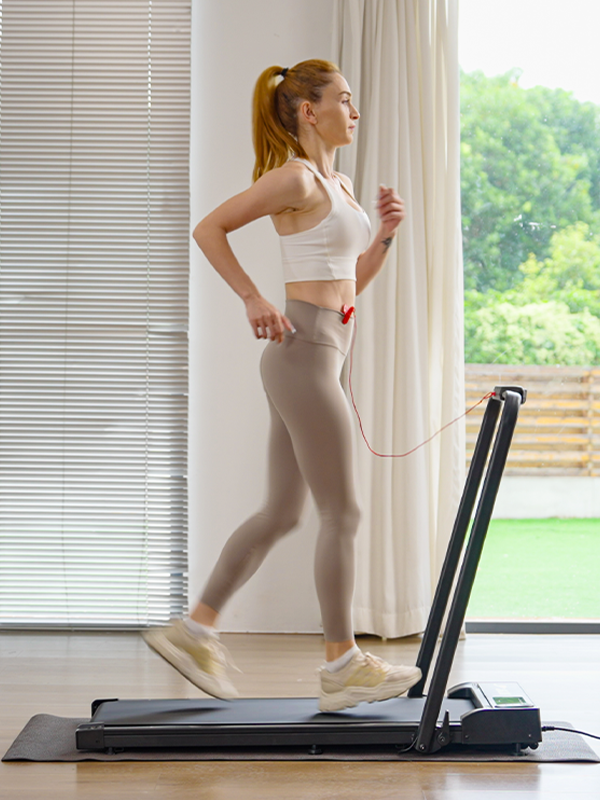
A walking pad is a compact, portable exercise device designed primarily for walking, light jogging, and staying active in small spaces. Unlike traditional treadmills, which are often large, heavy, and built for intense running workouts, walking pads are engineered for convenience, portability, and low-impact exercise.
Design and Size
Walking pads are typically foldable, lightweight, and slim enough to slide under a desk or store behind furniture. Their compact design makes them ideal for apartments, home offices, or any space where a full-sized treadmill would be impractical. iHoverboard walking pads are a perfect example, combining a sleek profile with durable construction suitable for daily walking and light jogging.
Motor Power and Speed
One of the key differences between walking pads and treadmills is motor capacity. Traditional treadmills have powerful motors capable of sustaining high speeds, often ranging from 8 to 12 mph, to accommodate running, sprints, and high-intensity workouts. Walking pads, on the other hand, are designed with smaller, quieter motors that prioritize energy efficiency and smooth operation. Most walking pads support speeds up to 4–5 mph, which is sufficient for brisk walking and light jogging but not ideal for sustained running.
Running Surface
The running deck of a walking pad is shorter and narrower compared to a treadmill. While traditional treadmills provide a wide, long surface for a full running stride, walking pads offer just enough space for walking or a light jog. This compact design can feel restrictive for taller users or anyone with a longer stride, but it is perfectly suited for short, low-impact movements.
Portability and Convenience
Walking pads excel in portability. Many models, including iHoverboard walking pads, are foldable and equipped with wheels, allowing users to move them easily between rooms or store them when not in use. Traditional treadmills are heavier and often require a dedicated space in the home, making them less flexible for small apartments or multi-purpose rooms.
Intended Use
Walking pads are primarily designed for walking, light jogging, and casual fitness routines. They are excellent for office workers who want to stay active during the day, seniors seeking low-impact exercise, or anyone with limited space. In contrast, treadmills are built for serious runners, offering higher speeds, incline settings, and shock absorption to support intensive workouts.
In summary, walking pads provide a space-saving, convenient alternative to traditional treadmills. They allow users to maintain daily activity through walking or light jogging, but they are not meant for sustained high-intensity running. Choosing a walking pad from a trusted brand like iHoverboard ensures safety, durability, and a quality experience for home fitness.
Can You Jog on a Walking Pad? The Facts
The most common question for anyone considering a walking pad is: Can you jog on it? The short answer is yes—but with important caveats. Understanding the capabilities and limitations of walking pads is essential to ensure safety, protect the device, and get the most out of your workouts.
Light Jogging Is Possible
Walking pads are primarily designed for walking, but many modern models, including those from iHoverboard, allow for light jogging at lower speeds. Most walking pads can reach speeds of 4–5 mph, which is enough for brisk walking or gentle jogging. If your goal is casual cardio or burning extra calories while staying at home, a walking pad can meet your needs effectively.
Limitations for Running
While light jogging is possible, walking pads are not built for sustained running or high-intensity workouts. There are three main limitations:
-
Motor Capacity – Walking pads use smaller motors designed for quiet, low-impact use. Attempting to run at speeds higher than the machine’s maximum can strain the motor and reduce the lifespan of the device.
-
Running Deck Size – Walking pads feature a shorter and narrower deck compared to traditional treadmills. This limits stride length and can make running uncomfortable or unsafe for taller users or those with longer strides.
-
Durability – Walking pads are designed for walking or light jogging. Frequent running, especially at higher speeds, can cause wear and tear on the belt, motor, and frame. iHoverboard walking pads are crafted with quality materials for low-impact exercise, but they still aren’t meant for intensive, high-speed running.
Tips for Jogging Safely on a Walking Pad
If you plan to jog on a walking pad, follow these guidelines:
-
Start Slow: Begin with a low speed to get used to the compact running surface.
-
Use Proper Footwear: Supportive shoes help reduce impact and prevent slips.
-
Monitor Your Stride: Keep strides shorter and controlled to match the deck length.
-
Avoid Long Sessions: Limit jogging to short periods to prevent overuse of the pad.
Who Can Benefit From Jogging on a Walking Pad
Walking pads are ideal for those seeking low-impact cardio, such as:
-
Home office workers who want to stay active during the day.
-
Beginners or fitness enthusiasts looking for a safe way to incorporate light jogging.
-
Individuals with limited space who cannot accommodate a full-sized treadmill.
In short, you can jog on a walking pad, but the key is keeping your pace moderate and understanding the machine’s design limits. Walking pads from trusted brands like iHoverboard provide a reliable and safe option for light jogging at home, making them perfect for people who want a combination of walking and low-intensity running without needing a traditional treadmill.
Limitations of Jogging on a Walking Pad
Jogging on a walking pad may seem like a convenient way to stay active at home, but there are several important limitations to keep in mind. Understanding these constraints ensures that you can exercise safely, prevent injury, and preserve the longevity of your walking pad.
1. Speed Limitations
Walking pads are primarily designed for walking and light jogging. Most iHoverboard walking pads have a maximum speed of around 4–5 mph. While this is perfect for brisk walking and short jogging sessions, it is insufficient for anyone aiming for sustained running or high-intensity interval training. Attempting to push the machine beyond its speed limits can strain the motor, increase wear on the belt, and even lead to malfunction.
2. Compact Running Surface
A key limitation of walking pads is their short and narrow running deck. Unlike traditional treadmills that offer ample space for a natural stride, walking pads provide a limited surface. This can make running uncomfortable for taller users or those with longer legs. Overextending your stride on a small deck increases the risk of missteps, slipping, or losing balance. Light jogging is manageable, but full-speed running is generally unsafe.
3. Reduced Durability for High-Impact Workouts
Walking pads are designed to handle low-impact activities, primarily walking or very light jogging. Frequent or intense jogging can accelerate wear and tear on the belt, motor, and frame. While iHoverboard walking pads are made with high-quality materials for everyday use, they are not built to withstand the repetitive pounding of heavy running sessions. Users should avoid treating a walking pad like a full-sized treadmill if running is a core part of their routine.
4. Minimal Shock Absorption
Unlike standard treadmills that often include advanced cushioning or shock-absorption technology, walking pads typically have minimal padding. Running on a walking pad transmits more impact to your joints, which may lead to discomfort or strain over time. Light jogging is generally safe, but high-impact running could increase the risk of injury, especially for users with sensitive knees or existing joint issues.
5. Stability and Safety Considerations
Walking pads are compact and lightweight, making them portable and easy to store. However, this portability comes with trade-offs in stability. Rapid movements, sudden changes in speed, or uneven steps while jogging can increase the risk of tipping or losing balance. Maintaining controlled, steady movements, using supportive footwear, and staying mindful of posture are essential for safety when jogging on a walking pad.
6. Limited Features for Runners
Traditional treadmills often come with incline settings, larger running surfaces, and built-in performance tracking—all designed to support serious running and training. Walking pads lack these features, which limits the ability to replicate a full running workout. While light jogging is possible, users looking to improve speed, endurance, or performance metrics may find walking pads insufficient for long-term running goals.
Summary
In summary, while walking pads can accommodate light jogging, they have clear limitations:
-
Restricted maximum speed
-
Short and narrow running surface
-
Less durable for high-impact workouts
-
Minimal shock absorption
-
Reduced stability compared to traditional treadmills
-
Limited features for serious runners
Despite these limitations, walking pads remain an excellent tool for home exercise, especially for light jogging, daily movement, and cardio at a controlled pace. Choosing a high-quality model from iHoverboard ensures safety, durability, and a comfortable experience while maintaining the convenience and space-saving benefits of a walking pad.
Tips for Jogging Safely on a Walking Pad
Jogging on a walking pad can be a convenient way to stay active at home, but safety and proper technique are essential to prevent injury and ensure an effective workout. Following these tips will help you get the most out of your iHoverboard walking pad while maintaining control, comfort, and safety.
1. Start Slowly and Gradually Increase Speed
Before attempting to jog, familiarize yourself with your walking pad’s controls and capabilities. Begin at a comfortable walking pace to get used to the machine’s compact surface. Once you feel steady, gradually increase the speed to a light jogging pace. Rapidly jumping to higher speeds can lead to slips, falls, or strain on the walking pad’s motor and belt.
2. Maintain Proper Posture
Good posture is critical when jogging on a walking pad. Keep your back straight, shoulders relaxed, and head facing forward. Avoid leaning too far forward or backward, as this can disrupt balance and increase the risk of injury. Proper posture also helps reduce stress on your joints and allows for a more natural jogging motion, even on the shorter deck of a walking pad.
3. Use Appropriate Footwear
Supportive running or athletic shoes are essential when jogging on a walking pad. Shoes with good cushioning help absorb impact, protect your joints, and improve grip on the belt. Avoid jogging barefoot or in shoes with slippery soles, as this increases the risk of slips and injuries.
4. Keep Strides Short and Controlled
Because walking pads have a shorter running surface than traditional treadmills, long strides can be unsafe. Focus on taking shorter, controlled steps to maintain balance and reduce the risk of overstepping. Short strides also prevent the belt from jerking or causing instability while jogging.
5. Limit Jogging Duration and Intensity
Walking pads are built for light activity. While they can support jogging, prolonged or high-intensity running can put excessive wear on the motor and frame. Limit jogging sessions to short intervals—such as 10–15 minutes at a time—and combine with walking to avoid overloading the walking pad.
6. Monitor Your Balance and Center of Gravity
Keep your body centered over the walking pad while jogging. Avoid leaning too far to one side or swinging your arms excessively. Maintaining a stable center of gravity reduces the risk of losing balance and enhances overall safety during your workout.
7. Use Safety Features if Available
Some iHoverboard walking pads include safety features like handrails or emergency stop buttons. If your model has these features, use them, especially when first attempting to jog. Handrails can provide extra support, while emergency stop buttons ensure you can quickly halt the belt if needed.
8. Warm Up and Cool Down
Always start with a brief warm-up, such as 3–5 minutes of walking, to prepare your muscles and joints for jogging. After your session, cool down with light walking or stretching to help prevent stiffness, soreness, and injuries.
Summary
Jogging safely on a walking pad requires attention to speed, posture, stride, and equipment. By following these tips, you can enjoy light jogging at home without compromising safety or the longevity of your walking pad. iHoverboard walking pads are designed with quality materials and stability in mind, making them ideal for users who want a combination of walking and light jogging in a space-saving, convenient package.
Conclusion
So, can you jog on a walking pad? The answer is yes—but with some important considerations. Walking pads are primarily designed for walking and light activity, but modern, high-quality models, like those from iHoverboard, can safely accommodate light jogging. They provide a convenient, space-saving solution for home workouts, allowing users to stay active even in small apartments, home offices, or limited spaces.
However, jogging on a walking pad comes with limitations. Shorter decks, lower motor capacity, minimal shock absorption, and reduced durability compared to traditional treadmills mean that these devices are best suited for light, controlled jogging rather than high-intensity running. Users should focus on proper posture, short strides, and moderate speeds to ensure safety and preserve the lifespan of their walking pad.
For individuals seeking a low-impact, convenient way to combine walking and light jogging at home, walking pads from iHoverboard are an excellent choice. They provide a reliable, compact, and versatile option to maintain daily activity, improve cardiovascular health, and stay fit without requiring a large treadmill or dedicated workout space.
Ultimately, your choice depends on your fitness goals. If walking and occasional jogging align with your routine, a walking pad offers a practical and effective solution. For those who want serious running or high-intensity workouts, a full-sized treadmill may be necessary. But for home users who value convenience, portability, and light cardio, iHoverboard walking pads strike the perfect balance between safety, functionality, and space-saving design.
FAQs
Is it safe to jog on a walking pad?
Yes, jogging on a walking pad is safe if done correctly and within the device’s limits. Walking pads are designed primarily for walking and light jogging, so staying at moderate speeds, maintaining proper posture, and taking short strides are essential for safety. Wearing supportive footwear and using safety features like handrails (if available) can further reduce the risk of slips or injury. iHoverboard walking pads are built with stability and durability in mind, making them ideal for safe, low-impact jogging at home.
Is there a walking pad that you can run on?
While most walking pads are designed for walking or light jogging, some models allow for short, controlled runs at lower speeds. High-quality options, like iHoverboard walking pads, can accommodate light jogging safely, but they are not intended for intense or high-speed running. If you want a device capable of sustained running, a traditional treadmill is better suited.
How to jog on a walking pad?
To jog safely on a walking pad:
-
Start with a warm-up walk to get used to the device.
-
Gradually increase the speed to a light jogging pace.
-
Maintain good posture with a straight back, relaxed shoulders, and forward-facing head.
-
Take short, controlled strides to stay centered on the deck.
-
Limit jogging duration and intensity to prevent strain on your joints and the walking pad.
-
Use supportive shoes and any available safety features, such as handrails.
Can you jog on a walking pad to lose weight?
Yes, light jogging on a walking pad can help burn calories and support weight loss when combined with a balanced diet and consistent activity. While walking pads may not provide the intensity of a traditional treadmill, they allow you to move regularly at home, which contributes to overall calorie expenditure and cardiovascular fitness. For best results, alternate between walking and light jogging sessions while maintaining a healthy routine.







Still, need help? Contact Us: support@ihoverboard.com
What's the option? Check out the option now!
Leave us a message