














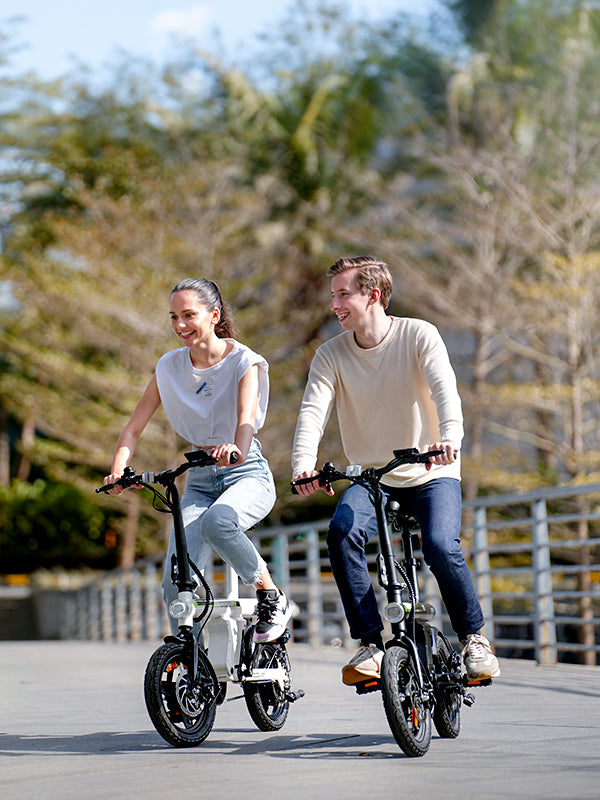







Are Electric Bikes Street Legal? UK Rules Explained
Are Electric Bikes Street Legal? UK Rules Explained
Electric bikes are becoming an increasingly popular way to commute and enjoy the outdoors, but many riders ask, “are electric bikes street legal?” In the UK, street legal e-bikes must meet specific rules, including motor power, pedal assistance, and speed limits. Understanding these regulations ensures you ride safely, legally, and confidently. This guide breaks down everything you need to know about UK electric bike laws and compliance.
Are Electric Bikes Street Legal? Understanding UK Rules
If you’re wondering are electric bikes street legal, it’s important to know that UK law specifically defines which e-bikes can be ridden on public roads without extra requirements. Here’s a clear breakdown:
1. Definition of a Street Legal Electric Bike
-
Known as an Electrically Assisted Pedal Cycle (EAPC).
-
Must have pedals that can be used to propel the bike—it can’t be fully motor-driven.
-
Can have more than two wheels, so tricycles or cargo e-bikes are included.
2. Age Requirements
-
You must be 14 years or older to ride a street legal e-bike in the UK.
-
Younger riders are not legally allowed to ride on public roads.
3. Motor and Power Restrictions
To be street legal, your electric bike must follow strict motor rules:
-
Motor power: Maximum continuous rated power of 250 watts.
-
Assisted speed limit: The motor must stop assisting at 15.5 mph (25 km/h).
-
Bikes that exceed these limits are not street legal and are treated as mopeds or motorcycles.
4. Licence, Tax, and Insurance
-
No driving licence required for EAPCs.
-
No vehicle registration, road tax, or insurance is needed.
-
This makes street legal e-bikes easier to own and ride than motorcycles or mopeds.
5. Bike Markings and Identification
Street legal e-bikes must display:
-
Manufacturer name
-
Continuous rated power of the motor
-
Either:
-
Battery voltage, or
-
Maximum speed the motor can propel the bike
6. Where You Can Ride
If your e-bike meets EAPC rules, you can ride it:
-
On cycle paths and lanes
-
On roads where pedal bikes are allowed
-
Not allowed on pavements, as this is illegal and unsafe
EAPC Requirements That Make an Electric Bike Street Legal
To ensure your electric bike is street legal in the UK, it must meet the specific EAPC (Electrically Assisted Pedal Cycle) requirements. Understanding these rules is crucial for safe and legal riding. Here’s a clear breakdown:
1. Pedals Must Be Functional
-
The bike must have pedals that can be used to propel it.
-
Bikes without usable pedals are not street legal and are classified as mopeds or motorcycles.
-
This ensures the rider can manually control the bike and maintain safety on public roads.
2. Motor Power Limitations
-
The electric motor must have a maximum continuous rated power of 250 watts.
-
Any e-bike with a motor above this limit is not considered street legal.
-
This rule keeps speeds manageable and safe for public road use.
3. Assisted Speed Restrictions
-
The motor can assist pedalling only up to 15.5 mph (25 km/h).
-
Once the bike reaches this speed, the motor must stop providing power.
-
Bikes that can exceed this speed using only the motor are not street legal.
4. Markings and Identification
Street legal e-bikes must display clear markings to prove compliance:
-
Manufacturer name
-
Motor’s continuous rated power
-
Either:
-
Battery voltage, or
-
Maximum motor-assisted speed
-
These markings allow authorities to quickly verify if your bike is street legal.
5. Wheel and Frame Options
-
EAPCs can have more than two wheels, such as tricycles or cargo e-bikes.
-
All designs must still comply with pedal and motor rules.
-
This ensures that a wide range of e-bikes can remain street legal.
6. Key Takeaway
Meeting these requirements means your electric bike is fully street legal and can be ridden safely on UK roads without a licence, tax, or insurance.
Where You Can Ride Street Legal Electric Bikes
Once you know your electric bike meets EAPC requirements, it’s important to understand where you can legally ride it. UK laws clearly define the areas where street legal e-bikes are allowed and prohibited. Here’s a detailed breakdown:
1. Cycle Paths and Cycle Lanes
-
Street legal e-bikes can be ridden on dedicated cycle paths and cycle lanes.
-
These areas are designed for bicycles and e-bikes, ensuring safety for all riders.
-
Riding on cycle lanes with your EAPC keeps you within the law and protected from motor traffic.
2. Public Roads Where Pedal Bikes Are Allowed
-
You can ride street legal e-bikes on all roads where conventional pedal bicycles are permitted.
-
This includes urban streets, suburban roads, and rural lanes, as long as traffic rules are followed.
-
Motorways and high-speed dual carriageways are not permitted, even for EAPCs.
3. Off-Road Areas
-
Street legal e-bikes can be ridden on off-road paths or trails where pedal bikes are allowed.
-
This is ideal for recreational riding, parks, and countryside routes.
-
Always check local rules for specific off-road permissions.
4. Areas Where Riding is Not Allowed
-
You cannot ride your street legal e-bike on pavements or sidewalks.
-
Pavement riding is considered illegal and unsafe, as these areas are reserved for pedestrians.
-
Fines or warnings may be issued if this rule is ignored.
5. Key Tips for Staying Legal While Riding
-
Always follow road markings and signs.
-
Keep your e-bike well-maintained, especially brakes and lights.
-
Use cycle lanes where available to stay safe and street legal.
-
Remember, even street legal e-bikes must obey standard traffic laws.
6. Summary
By riding in approved areas—cycle paths, cycle lanes, and public roads where pedal bikes are allowed—you can enjoy your iHoverboard e-bike safely, legally, and confidently.
When Electric Bikes Are Not Street Legal
Not all electric bikes can be ridden on public roads legally. Understanding when electric bikes are not street legal is crucial to avoid fines, vehicle seizure, or legal trouble. Here’s a clear breakdown:
1. Motor Power Exceeds Legal Limits
-
If the bike’s motor has a continuous rated power above 250 watts, it is not street legal.
-
High-powered motors are treated as mopeds or motorcycles under UK law.
-
Riding these without proper licensing and insurance can result in fines or confiscation.
2. Assisted Speed Is Too High
-
If the motor can propel the bike above 15.5 mph (25 km/h) without pedalling, the bike is not street legal.
-
Bikes with “twist-and-go” throttles that exceed this speed fall into this category.
-
Such bikes require vehicle approval and licensing to ride legally.
3. Pedals Are Not Usable
-
Bikes without pedals or with non-functional pedals are not street legal.
-
A true EAPC must allow the rider to propel the bike manually, ensuring safety and compliance.
4. Classification as Moped or Motorcycle
If your e-bike falls into any of the above categories, it is treated as a moped or motorcycle, which comes with legal requirements:
-
Must be registered with the DVLA
-
Requires road tax
-
Must have valid insurance
-
Rider must hold a valid driving licence
-
Must wear a motorcycle helmet meeting British safety standards
5. Riding Restrictions for Non-Street Legal E-Bikes
-
Can only be ridden on public roads; cycle paths and lanes are off-limits.
-
Riding in prohibited areas may lead to legal penalties.
6. Key Takeaway
-
Electric bikes that do not meet EAPC rules are not street legal.
-
Ensuring your bike meets motor, speed, and pedal requirements is essential to ride legally and safely.
Riding Non-Street Legal Electric Bikes Safely
Not all electric bikes are street legal. If your e-bike does not meet EAPC requirements, you need to follow strict rules to ride it safely and legally. Understanding this ensures you avoid fines, legal issues, or accidents.
1. Know Your Bike’s Legal Status
-
Bikes that exceed 250 watts motor power or 15.5 mph assisted speed are not street legal.
-
Bikes without functional pedals are also classified as mopeds or motorcycles.
-
Before riding, always check your bike’s specifications to know whether it is street legal.
2. Licensing Requirements
-
To ride a non-street legal e-bike, you must have a valid driving licence for a moped or motorcycle.
-
Riders under 16 cannot legally ride these bikes on public roads.
3. Insurance and Registration
-
Non-street legal electric bikes must be registered with the DVLA.
-
You need vehicle insurance that covers mopeds or motorcycles.
-
Riding without insurance or registration can result in fines or bike seizure.
4. Helmet Requirements
-
Wearing a motorcycle helmet that meets British safety standards is mandatory.
-
Standard cycling helmets are not sufficient for non-street legal electric bikes.
5. Where You Can Ride
-
Non-street legal e-bikes can only be ridden on public roads.
-
Riding on cycle lanes, cycle paths, or pavements is illegal and may result in penalties.
-
Always follow road rules and avoid areas designated for pedal bicycles.
6. Safe Riding Tips
-
Keep your bike well-maintained, including brakes, lights, and tires.
-
Use reflective clothing and lights, especially at night.
-
Ride defensively, anticipating other vehicles on public roads.
-
Respect speed limits and avoid unsafe shortcuts.
7. Key Takeaway
-
Non-street legal e-bikes can be ridden safely only if you follow licensing, insurance, helmet, and road rules.
-
Understanding the restrictions ensures you stay legal and reduce risks while enjoying your electric bike.
Vehicle Approval: What You Need for Legal Compliance
Even if your electric bike looks like a regular EAPC, certain models may not automatically be street legal. Knowing when vehicle approval is required ensures you stay compliant with UK law.
1. When Vehicle Approval Is Needed
Your e-bike must be approved if:
-
It can be propelled up to 15.5 mph without pedalling, such as a twist-and-go model.
-
It does not meet EAPC rules, including motor power, pedal functionality, or assisted speed limits.
-
Approval confirms your bike can legally be ridden on public roads.
2. Manufacturer or Importer Approval
-
Most approved electric bikes are pre-approved by the manufacturer or importer.
-
If your bike has been approved, it will display a vehicle approval number.
-
This number proves your e-bike meets UK legal standards for road use.
3. Applying for Motorcycle Single Vehicle Approval (MSVA)
-
If your e-bike does not come pre-approved, you can apply for MSVA.
-
MSVA ensures the bike complies with UK safety and legal requirements.
-
The process includes:
-
Inspection of motor and battery specifications
-
Speed and pedal testing
-
Verification of lighting, brakes, and markings
4. Why Vehicle Approval Matters
-
Approval is necessary to ride legally on public roads.
-
Without it, your e-bike is treated as a non-compliant vehicle, and riding it can result in:
-
Fines
-
Vehicle seizure
-
Insurance issues
5. Key Tips for Compliance
-
Always check your e-bike for a manufacturer approval number before buying.
-
If buying a non-approved bike, apply for MSVA before riding.
-
Maintain your e-bike according to legal requirements to remain street legal.
6. Key Takeaway
-
Vehicle approval ensures that your electric bike is fully compliant with UK laws.
-
Following these rules guarantees your ride is safe, legal, and protected from penalties.
Conclusion
Understanding are electric bikes street legal is essential for every rider who wants to enjoy their e-bike safely and lawfully in the UK. Street legal electric bikes, or EAPCs, must meet strict requirements for pedals, motor power, and assisted speed, and they can be ridden on cycle paths, cycle lanes, and roads where pedal bicycles are allowed.
Electric bikes that do not meet these rules are classified as mopeds or motorcycles and require licensing, insurance, vehicle registration, and helmets. Vehicle approval, either through the manufacturer or MSVA, ensures that non-standard e-bikes comply with UK laws.
By choosing an iHoverboard electric bike that meets EAPC standards, riders can enjoy a safe, legal, and hassle-free ride while fully complying with UK regulations. Always check your bike’s specifications, markings, and approval status to stay street legal and confident on every journey.
FAQs
Are electric bikes street legal in the UK?
Yes — electric bikes that meet the UK’s Electrically Assisted Pedal Cycle (EAPC) requirements are street legal. To be legal on public roads, an e‑bike must have pedals, a motor with a maximum continuous power of 250 W, and electric assistance that cuts off once the bike reaches 15.5 mph (25 km/h). Riders must be at least 14 years old.
Do you need a licence to ride an electric bike?
If your electric bike meets the EAPC criteria (250 W motor, pedal-assist only, and assistance cutting out at 15.5 mph), you do not need a driving licence, vehicle tax, road insurance, or registration to ride it on UK public roads.
Can you ride an electric bike on pavements or cycle paths?
You cannot ride electric bikes on pavements (sidewalks) because this is illegal and unsafe. However, street legal electric bikes (EAPCs) can be used on cycle paths, cycle lanes, and roads where normal bicycles are permitted, just like regular pedal bikes.
What happens if my electric bike is not street legal?
If your electric bike exceeds the EAPC limits (e.g., motor above 250 W, assisted speed over 15.5 mph, or no usable pedals), it is not street legal as a bicycle. Instead, it’s treated as a motor vehicle (like a moped or motorcycle) and must be registered, taxed, insured, and ridden by someone with a valid licence. Riding it as a bike on public roads without these can lead to fines or enforcement action.








Still, need help? Contact Us: support@ihoverboard.com
What's the option? Check out the option now!
Leave us a message