



















Why Choose a Full Suspension Ebike Over a Hardtail for Rough Trails?
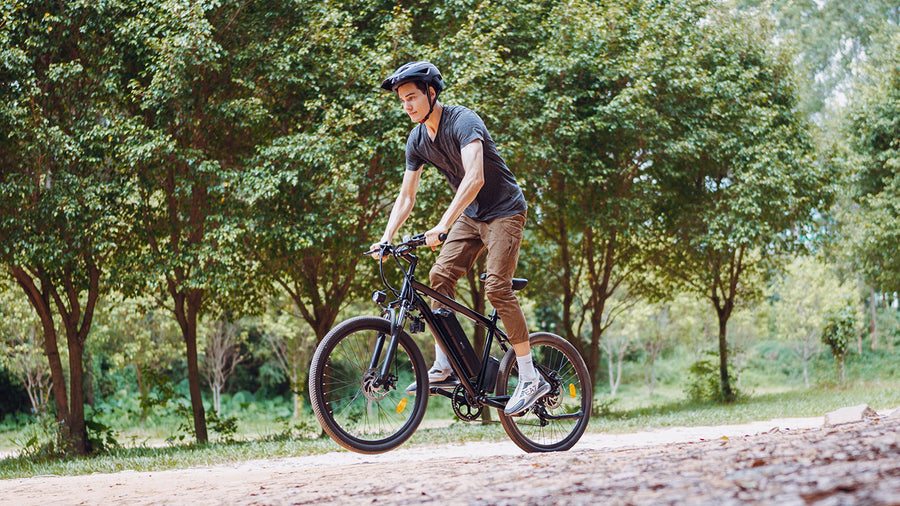
Riding off the paved path onto rocky singletracks, tree-rooted forest trails, or unpaved fire roads introduces dynamic terrain challenges that standard bikes struggle to manage. When choosing an electric off-road ride, cyclists frequently compare hardtail electric mountain bikes—which feature front fork suspension only—against a full suspension ebike setup that incorporates both front fork and rear shock absorbers. While hardtails offer a lightweight entry into recreational trail riding, tackling rougher terrain demands superior traction, impact absorption, and chassis control. High-performance models like the iHoverboard M50 Electric Mountain Bike and iHoverboard EB3S All Terrain Electric Bike show how an electric mtb full suspension setup upgrades the riding experience. By keeping both tires firmly planted on loose gravel, mud, and steep inclines, a full suspension e bike reduces rider fatigue and delivers a smooth, controlled ride. In this comprehensive comparison, we break down why a full suspension electric bicycle outperforms hardtail alternatives on rough trails—analyzing impact absorption mechanics, terrain capability, rear shock battery efficiency, and routine suspension maintenance. The fundamental advantage of an ebikes full suspension system lies in how it manages Kinetic shock energy when negotiating rough terrain. On a traditional hardtail e-bike, the front suspension fork cushions steering impact from front-wheel bumps, but the rigid rear triangle transfers every vibration, root bump, and rock strike directly through the frame into the rider’s seat and lower back. Over long rides, this continuous jarring causes muscle fatigue and compromises balance. A dual suspension model like the iHoverboard M50 pairs a heavy-duty front suspension fork with a rear coil or air shock absorber. When the rear wheel hits a sudden ledge or bump, the rear swingarm compresses independently, isolating the frame and rider from harsh impacts. In addition to rider comfort, dual suspension significantly enhances tire traction: Riders upgrading from urban commuters or hardtails often wonder if investing in a full suspension frame is necessary for unpaved riding. The answer depends on the severity of the terrain you plan to explore. If your weekend rides consist exclusively of smooth canal towpaths or flat gravel driveways, a hardtail provides adequate comfort. However, if your routes include unpaved forest paths, mud, exposed tree roots, steep gradients, or downhill drops, a downhill ebike style dual-suspension layout becomes essential. When navigating technical rock gardens or rutted paths, dual suspension absorbs rapid vertical oscillations. Instead of standing up on the pedals to absorb bumps manually, the suspension system does the heavy lifting for you. This allows riders to maintain momentum, corner with greater precision, and tackle technical climbs without getting thrown off balance. Feature / Performance Metric Standard Hardtail E-Bike iHoverboard M50 / EB3S Dual Suspension E-Bike Front Suspension Standard Telescopic Fork Heavy-Duty All-Terrain Fork Rear Suspension Rigid Frame (No Shock Absorber) Integrated High-Impact Rear Shock Absorber Traction on Rough Trails Moderate (Rear wheel skips over bumps) Superior (Continuous tire contact with terrain) Rider Comfort & Fatigue Higher body fatigue on long rides High shock absorption, reduced lower back strain Motor Output / Battery 250W–500W / ~374Wh 500W Peak / 468Wh (36V 13Ah) High-Capacity Battery Max Payload Capacity 100–120 kg Up to 150 kg (330 lbs) A common concern among e-bike enthusiasts is whether adding rear suspension mechanical movement reduces battery range due to frame energy loss ("pedal bob"). Modern e-bike powertrains and suspension geometry minimize this trade-off effectively. When pedaling a non-electric full suspension bike uphill, hard pedal strokes can cause the rear shock to compress rhythmically, absorbing some leg power. However, on a high-torque model like the iHoverboard M50 equipped with a 500W peak motor and 7-level pedal assist system (PAS), electric motor assistance maintains steady rotational torque, preventing frame bobbing during uphill climbs. Intriguingly, on very rough or unpaved trails, a full suspension ebike can actually prove more energy-efficient than a rigid hardtail: To maintain plush travel and prevent premature wear on shock seals, establishing a routine pre-ride maintenance schedule for your suspension setup is vital: Choosing a full suspension ebike over a hardtail model comes down to where and how you want to ride. While hardtails work well on flat pavement, a dual suspension system provides unmatched traction, control, and rider comfort on unpaved trails, forest paths, and rocky descents. Models like the iHoverboard M50 and iHoverboard EB3S combine heavy-duty front and rear shock absorption with powerful 500W peak motors, high-capacity 468Wh batteries, and robust 150 kg payload capacities—giving you the performance needed to conquer off-road adventures with total confidence. Ready to experience superior off-road comfort? Explore our complete collection of electric mountain bikes today! While not strictly required for flat, gravel paths, a full suspension ebike is highly recommended for rough trails, rocky paths, and unpaved terrain. The dual suspension system absorbs high impacts, prevents rider fatigue, and keeps both tires in continuous contact with the ground for maximum traction and safety. You should visually inspect and clean your rear shock stanchions after every muddy or dusty ride. A thorough check of pivot bolt tightness, air pressure (on air shocks), and rubber seal integrity should be performed every 30 to 50 hours of trail riding. Yes, full suspension electric mountain bikes like the iHoverboard M50 perform exceptionally well as daily urban commuters. The rear shock absorber provides outstanding comfort over potholed city streets, speed bumps, and cracked asphalt while delivering long battery range.How Dual Suspension Absorbs Impact on Off-Pavement Paths
1. Front Fork vs. Rear Shock Dynamics
2. Continuous Ground Traction and Braking Control
Is Full Suspension Worth It for Rough Terrain and Unpaved Trails?
Technical Off-Road vs. Smooth Fire Roads
Increased Rider Stability and Speed Maintenance
How Rear Shock Absorbers Affect Overall Battery Efficiency
Modern Anti-Squat Geometry and Motor Assistance
Rolling Efficiency Over Obstacles
Simple Inspection Steps to Prevent Suspension Wear
Conclusion
Frequently Asked Questions
Is a full suspension ebike necessary for trail riding?
How frequently should rear shock absorbers be inspected?
Can a full suspension electric mountain bike be used for daily urban commuting?






Still, need help? Contact Us: support@ihoverboard.com
What's the option? Check out the option now!
Leave us a message