


















What Should Parents Check Before Buying a Childrens Electric Scooter?
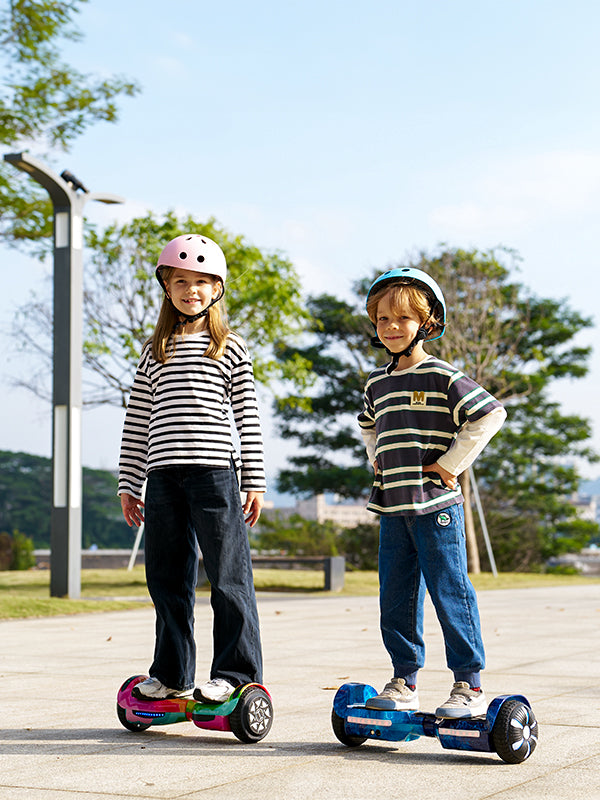
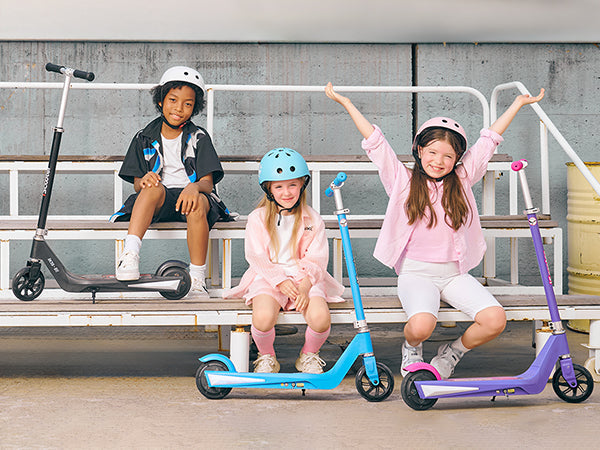
Surprising a young child with their very first motorized ride is an exciting milestone, but for parents, safety and build quality come first. Selecting a childrens electric scooter requires looking beyond colorful finishes and flashing lights to evaluate essential safety features, motor power, and frame stability. With so many options available today—ranging from low-speed three-wheelers for toddlers to dual-brake models for older children—finding the right balance between fun and safety can feel overwhelming. To help parents navigate their decision, reputable brands like iHoverboard have developed child-focused models engineered specifically for young riders. Options like the iHoverboard B2, iHoverboard B2Pro, iHoverboard iK1S, and iHoverboard iK3Pro offer age-appropriate speed limits, lightweight folding frames, and built-in battery safety systems. In this comprehensive buying guide, we break down what parents need to inspect before purchasing a kiddie electric scooter, including safe speed caps, battery weight management, everyday play environments, and routine safety checks. One of the first specifications parents should review on a childs electric scooter is maximum speed output. Young children are still developing hand-eye coordination, balance, and spatial awareness, meaning a scooter that accelerates too quickly can easily lead to loss of control. Speed guidelines generally fall into two age categories: For young beginners riding a junior electric scooter, top speeds should never exceed 6.2 mph (10 km/h). Models like the iHoverboard B2 and iHoverboard B2Pro feature a low-speed starter mode (3.7 mph) alongside a standard 6.2 mph mode. This dual-mode speed setup allows toddlers to master balance and foot-brake control at walking speed before unlocking faster cruising. As children grow more confident, a higher speed threshold keeps riding engaging while remaining safe. The iHoverboard iK1S and iHoverboard iK3Pro cater to this group with 3-speed adjustable settings (3 mph, 6 mph, and 10 mph) managed via a digital LED stem display. This allows parents to set a comfortable speed ceiling depending on the child's skill level and riding environment. Age Recommendation Target Rider Safe Speed Range Ideal iHoverboard Model Ages 3–6 Years Toddlers & Beginners 3.7 – 6.2 mph (6–10 km/h) iHoverboard B2 / B2Pro Ages 6–12 Years Pre-Teens & Experienced Kids 3.0 – 10.0 mph (5–16 km/h) iHoverboard iK1S / iK3Pro A great electric scooter for kids must be easy for the child to steer, stop, and handle independently. If a scooter chassis is too heavy due to an oversized battery pack, young riders will struggle to turn safely or hold the scooter upright when coming to a stop. When evaluating frame and battery designs, look for these structural characteristics: Choosing a lightweight frame built from high-strength reinforced alloys ensures structural durability—supporting rider payloads up to 50 kg (110 lbs) on toddler models and up to 70 kg (154 lbs) on pre-teen models. How and where your child plans to ride plays a huge role in selecting the best childrens electric scooter. Different outdoor environments demand distinct wheel configurations, lighting systems, and stability features. For backyards, driveways, and private patio spaces, extra physical balance support is key for younger children. The iHoverboard B2 and B2Pro feature a stable 3-wheel deck layout with 5.3-inch front wheels. This wide-base triangular stance prevents the scooter from tipping over when stationary, allowing young children to focus on throttle control and steering confidence. On flat tarmac paths inside public parks or enclosed private grounds, two-wheel designs like the iHoverboard iK1S and iK3Pro provide smoother gliding and tighter turning angles. Features like colorful ambient deck lighting, stem light bars, and light-up LED wheels make evening park rides visually exciting while boosting visibility to nearby pedestrians. To keep rides fun, models like the iHoverboard B2Pro add interactive features like integrated Bluetooth music speakers, stem digital speedometers, and a handlebar cup holder—perfect for holding a water bottle during long playground sessions. Even when buying from safe scooters for kids manufacturers, regular maintenance is essential to keep mechanical components in top condition. Establishing a quick 2-minute pre-ride inspection routine ensures every outing remains safe and trouble-free: Buying the right childrens electric scooter comes down to matching your child's age, physical size, and experience level with appropriate safety engineering. By choosing models with manageable top speeds, lightweight adjustable frames, and reliable dual braking systems, parents can provide endless outdoor fun with complete peace of mind. Whether you select the ultra-stable three-wheeled iHoverboard B2 or B2Pro for a toddler, or the feature-packed iHoverboard iK1S or iHoverboard iK3Pro for a growing pre-teen, investing in built-in battery management and adjustable handlebars guarantees years of safe riding. Ready to find the perfect gift for your young adventurer? Explore our full collection of premium kids electric scooters today! For toddlers and young children aged 3 to 6 years, the recommended top speed is between 3.7 and 6.2 mph (6 to 10 km/h). For older children aged 6 to 12 years, safe speed limits range from 6 to 10 mph (10 to 16 km/h). Always choose a scooter with parent-controlled or multi-speed settings to match your child's skill development. While legal requirements vary by local region, wearing an approved helmet is strongly recommended for all children riding electric scooters, even on private gardens or driveways. Wearing a helmet along with knee and elbow pads prevents head injuries and minor scrapes if a child loses balance on uneven surfaces. Most children's electric scooters feature lithium-ion batteries that deliver between 60 to 90 minutes of continuous riding time (or roughly 5 to 8 miles / 8 to 12 km) on a full charge. Recharging usually takes around 2 to 4 hours using the standard charger provided.What Top Speeds Are Safe for Junior and Child Riders?
1. Toddlers and Young Children (Ages 3 to 6)
2. Pre-Teens and Older Children (Ages 6 to 12)
Lightweight Frames vs Heavy Batteries: Finding the Right Balance
Everyday Play Scenarios: Yard, Private Land, and Park Use
1. Garden Lawns and Private Patios
2. Enclosed Park Pathways and Smooth Trails
3. Entertainment and Convenience Extras
Essential Routine Checks to Keep the Scooter Riding Safely
Conclusion
Frequently Asked Questions
What is the recommended top speed for a child's electric scooter?
Are protective helmets mandatory for children riding on private land?
How long does the battery typically last on a children's electric scooter?




Still, need help? Contact Us: support@ihoverboard.com
What's the option? Check out the option now!
Leave us a message