




















What Is a Walking Pad? Benefits, Tips, and Expert Guide
What Is a Walking Pad? Benefits, Tips, and Expert Guide
Sitting for long hours can take a serious toll on your health, from poor posture to reduced circulation and increased risk of chronic disease. A walking pad offers a simple, space-saving solution to stay active without leaving your home or office. But what is a walking pad, and how can it help you move more during the day? In this guide, we’ll explore the benefits, practical tips, and expert advice to get the most out of a walking pad.
What Is a Walking Pad?
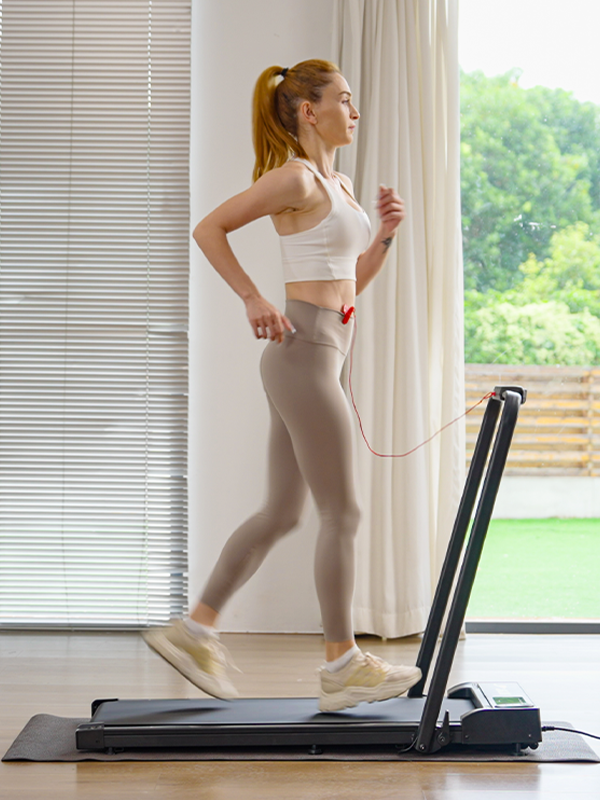
A walking pad is a compact, simplified treadmill designed specifically for people who want to stay active without leaving their home or office. Unlike traditional treadmills, walking pads are lightweight, portable, and slim enough to fit neatly under a desk or couch. Essentially, it is a treadmill belt on rollers, offering the core functionality of walking or light jogging while removing unnecessary bulk and extra features.
Walking pads are perfect for home offices, small apartments, or workspaces where space is limited. They allow you to move throughout the day without disrupting your workflow. With a walking pad, you can walk while answering emails, participating in video calls, or reading documents—turning otherwise sedentary hours into opportunities for physical activity.
Most walking pads weigh between 30 and 50 pounds, making them easy to pull out when it’s walking time and store away when not in use. Many models, including iHoverboard walking pads, are designed for effortless portability, so you can move them between rooms or even store them vertically to save space.
Unlike traditional treadmills, walking pads usually do not have handrails, steep incline options, or interactive displays. They focus purely on walking, at speeds that are comfortable for multitasking—typically up to 5 miles per hour. This makes them ideal for beginners, office workers, or anyone looking to add low-impact movement to their daily routine.
In short, a walking pad is a modern, practical solution for staying active in small spaces. It combines the benefits of walking with the convenience of a compact design, helping you reduce sedentary behavior and improve your overall health—all without leaving your desk.
Walking Pads vs. Traditional Treadmills
Walking pads and traditional treadmills both help you stay active, but they’re built for very different purposes. Here’s a simple comparison:
1. Size and Portability
-
Traditional Treadmills: Large, heavy (over 100 lbs), need dedicated space, hard to move.
-
Walking Pads: Compact, lightweight (30–50 lbs), fits under desks or beds, easy to store and roll out.
-
Benefit: Walking pads are perfect for small apartments or home offices.
2. Features and Functionality
-
Traditional Treadmills: Adjustable inclines, preset workouts, heart rate monitors, interactive screens. Ideal for running or intense cardio.
-
Walking Pads: Simple design, no handrails or steep inclines, max speed around 5 mph (speed walking).
-
Benefit: Walking pads are safer and easier for multitasking—typing, calls, or video meetings.
3. Exercise Experience
-
Traditional Treadmills: Requires full focus, not ideal for multitasking.
-
Walking Pads: Designed for working while walking—type, read, or talk while moving.
-
Benefit: Helps integrate movement into your workday without disrupting productivity.
4. Cost and Space Efficiency
-
Traditional Treadmills: Expensive ($500–$1,500+), take up permanent space.
-
Walking Pads: Affordable ($100–$400), compact, easy to store.
-
Benefit: Affordable and convenient for anyone who wants to stay active at home.
5. Practical Benefits for Daily Life
-
Reduces health risks from prolonged sitting.
-
Burns calories even at moderate speeds.
-
Improves posture and circulation.
-
Fits easily into home or office routines.
Bottom Line:
Traditional treadmills are best for intensive cardio, but walking pads are ideal for convenience, portability, and multitasking. For office workers or home-based professionals, a walking pad—like those from iHoverboard—makes staying active during the workday easy and practical.
Benefits of Using a Walking Pad
Walking pads are more than just a compact treadmill—they’re a practical tool to help you stay active, healthy, and productive. Here’s a detailed look at the key benefits:
1. Reduces Sedentary Risks
-
Sitting for long periods can lead to poor posture, back pain, obesity, and even increase the risk of heart disease, diabetes, and certain cancers.
-
Using a walking pad allows you to walk during work or home activities, breaking up long periods of sitting and reducing these health risks.
-
Even light walking for 30 minutes can burn 100–260 calories depending on your body weight, making small daily efforts add up over time.
2. Improves Circulation and Posture
-
Walking encourages better blood flow compared to sitting still for hours.
-
Regular movement helps reduce stiffness in your hips, legs, and lower back.
-
Over time, walking while working can help you maintain a healthier posture, especially when paired with a standing or adjustable desk.
3. Supports Low-Impact Exercise
-
Walking pads offer a gentle way to stay active, which is easier on your joints than running or high-intensity workouts.
-
Ideal for beginners, older adults, or anyone returning to exercise after a long period of inactivity.
-
Walking at a moderate pace allows you to multitask—type, read, or take calls—without straining your body.
4. Boosts Productivity and Mental Wellbeing
-
Light physical activity can increase energy levels and mental focus.
-
Using a walking pad while working can reduce stress and improve mood, making long workdays feel more manageable.
-
Multitasking while walking keeps your mind engaged and helps combat the mental fatigue that often comes from sitting all day.
5. Convenient and Time-Saving
-
Walking pads make it easy to add movement into your day without changing your schedule.
-
You don’t need to leave your office, step outside, or find extra time for a gym session.
-
For home office workers or people with busy schedules, a walking pad ensures you can stay active without interrupting your workflow.
6. Customizable to Your Routine
-
Many walking pads, including iHoverboard models, allow you to adjust speed to match your comfort level—from slow, casual walking to brisk speed walking.
-
You can start with short sessions and gradually increase time or pace as your stamina improves.
-
This adaptability makes it suitable for almost any fitness level or lifestyle.
Bottom Line:
A walking pad isn’t just a gadget—it’s a practical, space-saving solution to move more during your daily life. By combining health, convenience, and productivity, walking pads help you reduce sedentary risks, burn calories, and improve overall wellbeing—all without leaving your desk.
Who Should Use a Walking Pad?
Walking pads are versatile fitness tools, but they are particularly valuable for certain groups of people. Understanding who benefits most can help you decide if a walking pad is right for your lifestyle.
1. Desk-Bound Workers
-
People who spend long hours sitting at a desk are at the highest risk for poor posture, back pain, and health issues related to a sedentary lifestyle.
-
A walking pad allows you to walk while completing tasks like typing, attending virtual meetings, or making phone calls.
-
Even light walking throughout the day can reduce the negative effects of prolonged sitting and improve overall wellbeing.
2. Home Office Professionals
-
Working from home often means fewer natural opportunities to move compared to an office environment.
-
A walking pad makes it easy to incorporate exercise into your daily routine without leaving your home.
-
iHoverboard walking pads are designed to fit under desks or in small spaces, making them ideal for home offices of any size.
3. Beginners or Low-Impact Exercise Seekers
-
Walking pads are perfect for beginners who want to start moving without the intensity of running or gym workouts.
-
The low-impact design is gentle on joints, making it suitable for older adults or those recovering from minor injuries.
-
You can start with short, slow sessions and gradually increase your pace and duration as your stamina improves.
4. Busy Individuals
-
For people with packed schedules, a walking pad saves time by allowing you to exercise while doing other tasks.
-
Instead of carving out a separate time for a walk or gym session, you can stay active while working, studying, or even watching TV.
5. Fitness Enthusiasts Looking to Add Extra Movement
-
Even if you already exercise regularly, a walking pad can provide extra daily steps and light activity.
-
It’s ideal for “active recovery” days or for those who want to increase their overall movement without overloading their body.
Who Might Need Caution
-
People with balance issues, serious joint problems, or who require assistive walking devices should consult a healthcare professional before using a walking pad.
-
Those in shared or formal office settings may need to consider noise and space restrictions.
Bottom Line:
Walking pads are highly versatile and can benefit almost anyone looking to move more, especially desk-bound workers, home office professionals, beginners, and busy individuals. They make it easy to integrate light, low-impact exercise into your daily routine while staying productive—turning even a sedentary lifestyle into an opportunity for movement.
Tips for Getting Started with a Walking Pad
Starting with a walking pad is easy, but following some simple tips can help you maximize benefits, stay safe, and make it a regular part of your daily routine.
1. Start Slow and Short
-
Begin with short sessions of 10–15 minutes at a comfortable, slow pace.
-
Gradually increase duration as your body adapts to walking while working or performing other tasks.
-
Starting slow reduces the risk of fatigue, soreness, or injury, especially for beginners.
2. Choose the Right Footwear
-
Wear supportive walking shoes to protect your feet, ankles, and knees.
-
Avoid walking barefoot or in office shoes that lack cushioning, as this can lead to discomfort or overuse injuries.
-
iHoverboard walking pads are designed to be used safely with everyday walking shoes, making them convenient for home or office use.
3. Adjust Your Desk and Workspace
-
Pair your walking pad with a standing or adjustable desk to maintain proper posture while working.
-
Keep your monitor at eye level and your keyboard at a comfortable height to avoid neck or shoulder strain.
-
This setup ensures that walking and working simultaneously is safe and ergonomic.
4. Set a Consistent Routine
-
Aim to use your walking pad multiple times a day, even for short intervals.
-
Consider walking during phone calls, virtual meetings, or while watching videos.
-
Consistency is key—regular movement throughout the day is more beneficial than a single long session.
5. Monitor Your Comfort and Safety
-
Pay attention to your body and adjust speed or duration if you feel discomfort.
-
Keep the walking pad area clear of obstacles to prevent tripping or accidents.
-
Most iHoverboard walking pads include safety features such as emergency stop buttons for peace of mind.
6. Gradually Increase Intensity
-
Once you feel comfortable, you can slightly increase walking speed to challenge yourself and burn more calories.
-
Short bursts of brisk walking can help improve circulation and energy levels without interfering with work tasks.
-
Remember, even moderate walking is significantly better than sitting for hours at a time.
7. Make It Fun and Engaging
-
Pair your walking sessions with music, podcasts, or audiobooks to make the experience enjoyable.
-
Set small goals for daily steps or walking time to track progress and stay motivated.
Bottom Line:
Getting started with a walking pad is simple, but following these tips ensures you use it safely and effectively. By starting slow, wearing proper footwear, adjusting your workspace, and gradually increasing activity, a walking pad—like those from iHoverboard—can become an effortless way to stay active, burn calories, and improve overall health without leaving your desk.
Conclusion
A walking pad is a practical, compact solution for anyone looking to stay active without leaving their home or office. By combining convenience, portability, and low-impact exercise, walking pads make it easy to integrate movement into your daily routine—even during work hours.
Whether you’re a desk-bound professional, a home office worker, a beginner looking to increase activity, or simply someone who wants to burn extra calories, a walking pad offers clear health and productivity benefits. From improving circulation and posture to reducing the risks associated with prolonged sitting, even short sessions on a walking pad can make a meaningful difference.
iHoverboard walking pads, with their ergonomic design and easy-to-use features, provide a reliable way to move more while staying productive. They are space-efficient, safe, and adaptable to almost any lifestyle.
In short, if you’re looking for a simple yet effective way to add more movement to your day, a walking pad is a step in the right direction—helping you stay healthier, more energized, and more focused without interrupting your workflow.
FAQs
What is the difference between a treadmill and a walking pad?
A walking pad is a compact, simplified version of a treadmill. Unlike traditional treadmills, walking pads are lightweight, portable, and designed to fit under desks or in small spaces. They usually lack handrails, steep incline options, and advanced interactive displays. Walking pads are ideal for light walking or speed walking, with a maximum speed of around 5 mph, whereas treadmills are larger, heavier, and suitable for running or high-intensity workouts. Walking pads focus on convenience and multitasking, making them perfect for office or home use.
What does a walking pad do?
A walking pad allows you to walk indoors while staying in one place. It helps reduce sedentary behavior, improves circulation, supports low-impact exercise, and burns calories. Walking pads are designed to let you move while working, studying, or even watching TV, making it easy to incorporate activity into your daily routine. By using a walking pad, you can stay active, maintain better posture, and improve overall health without needing a large treadmill or gym space.
Is a walking pad as effective as walking?
Yes, a walking pad is as effective as traditional walking for light exercise and daily movement. While it doesn’t replace outdoor walks or intensive workouts, it helps you burn calories, improve circulation, and break up long periods of sitting. Even walking at a moderate pace for 30 minutes can burn 100–260 calories depending on your weight. For people with desk-bound jobs, a walking pad is a practical way to integrate consistent movement into their day.
How long should you walk on a walking pad?
For beginners, start with 10–15 minute sessions at a comfortable pace. Gradually increase the duration as your stamina improves, aiming for multiple short sessions throughout the day. Walking for 30–60 minutes daily can provide noticeable health benefits, including improved posture, circulation, and calorie burn. The key is consistency—short, regular intervals often work better than a single long session.







Still, need help? Contact Us: support@ihoverboard.com
What's the option? Check out the option now!
Leave us a message