





















Walking Pad vs. Under-Desk Bike: Which Is Best for Remote Work?
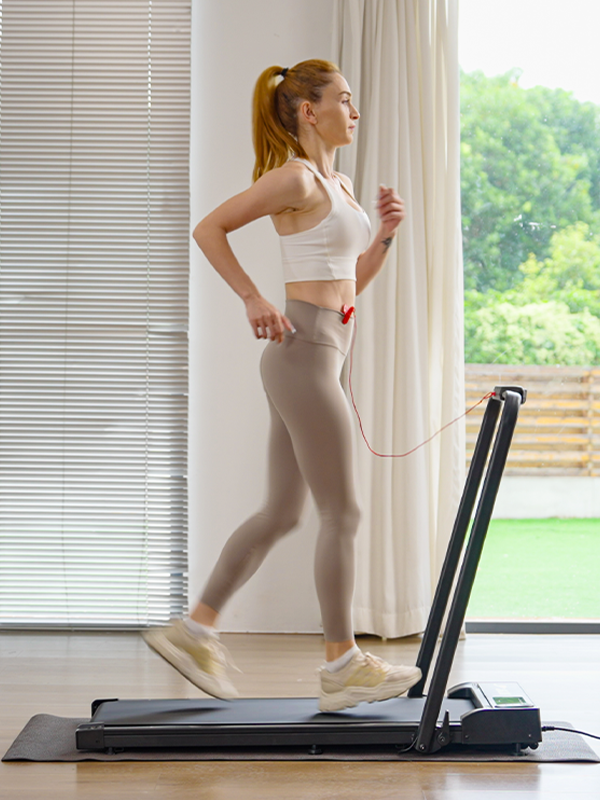
Working from home offers flexibility, but sitting in an office chair for eight hours a day can leave you feeling sluggish and stiff. Remote professionals looking to combat a sedentary lifestyle often narrow their options down to two popular devices: the under desk walking pad and the under desk pedal bike. Choosing between a walking pad vs under desk bike comes down to your daily work habits, standing desk availability, space constraints, and personal fitness goals. While both devices increase daily movement, they deliver very different ergonomic experiences and physical benefits during the workday. This wfh exercise equipment comparison evaluates calorie burn, typing stability, storage footprint, and posture support to help you choose the best exercise equipment for standing desk setups and traditional workstations. Both machines aim to replace passive sitting with continuous low-impact activity, but their designs require different working environments. A walking pad is a flat, slim treadmill deck that requires a height-adjustable standing desk. You stand upright and walk at low speeds while typing, reading, or attending calls. To learn more about how flat walking decks operate, check our guide on how walking pads work at home for fitness insights. Choosing a model from the iHoverboard walking pad collection offers a steady, flat walking surface designed specifically for home office environments. An under desk bike (or pedal exerciser) is a compact set of bicycle pedals mounted on a small base. You stay seated in a standard office chair and pedal with your feet under a regular desk. Some variations come as compact elliptical trainers, making the under desk elliptical vs walking pad comparison a key factor for seated workers. Feature Under Desk Walking Pad Under Desk Bike / Elliptical Working Position Upright Standing Seated in Office Chair Desk Requirement Height-Adjustable Standing Desk Standard Height Desk Calorie Burn Higher (150 - 250 kcal/hr) Moderate (100 - 180 kcal/hr) Knee Clearance Full Vertical Clearance Requires High Knee Clearance Storage Vertical/Flat Under Bed Small Base Footprint When comparing calories burned walking pad vs under desk bike setups, walking naturally demands more energy expenditure because your body works against gravity. Walking requires full weight-bearing movement. Your core, glutes, hamstrings, and calves work together to keep you balanced and upright. Pedaling from a seated position eliminates weight-bearing load. While your leg muscles remain engaged, your torso and upper body stay stationary in your chair. If maximizing daily calorie expenditure and standing endurance are your primary objectives, the walking deck takes a clear lead in an active desk workout comparison. Maintaining work output while exercising is crucial for any remote professional. The mechanical motion of each device affects your hands, eyes, and upper body differently. When walking on a belt deck, your head and shoulders experience a gentle, rhythmic bobbing motion. If your speed stays within the recommended 1.2 to 1.8 mph range, your upper body remains stable. Your wrists float naturally over the keyboard, making long-form typing, email responses, and document editing smooth once you adapt to the rhythm. Pedaling keeps your torso completely stationary in your chair, which eliminates vertical head movement. This makes high-precision mouse tracking and intensive keyboard work straightforward. However, pedaling introduces a subtle side-to-side hip sway. If your chair is on wheels, pedaling can cause your chair to roll backward unless you lock the casters or place the chair on a grip mat. In this under desk pedal exerciser vs treadmill style matchup, bikes offer slightly better upper body stillness, while walking pads encourage overall core stabilization and upright posture. Desk clearance and floor space often dictate which machine fits into a home office layout. Selecting the right equipment depends heavily on your physical comfort, joint health, and existing posture habits. Sitting for extended hours tightens hip flexors and rounds the lower spine, even if your legs are pedaling underneath. An under desk bike keeps your hips in a continuous flexed position, which may not alleviate back stiffness caused by prolonged sitting. A walking pad encourages an upright neutral spine, opens your hip joints, and engages core stabilizer muscles. For users who suffer from lower back tightness after sitting, walking offers significant structural relief. If you are evaluating other home workout alternatives alongside walking decks, read our complete breakdown comparing a walking pad or stepper for home workouts to compare motion styles. Pedaling an under-desk bike provides slightly more upper body stability because your torso remains rested in an office chair. However, once you adjust to a slow walking pace of 1.5 mph on a walking pad, typing accuracy and mouse control become second nature for most users. Walking on a walking pad burns more calories because it is a weight-bearing activity that engages your entire lower body and core. A 1-hour walking pad session burns between 150 and 250 calories, whereas 1 hour on an under-desk bike typically burns between 100 and 180 calories. Both devices operate quietly, but high-quality walking pads with brushless motors generally produce a low, consistent motor hum that built-in laptop microphones easily filter out. Under-desk bikes use magnetic resistance and are virtually silent, though pedal squeaks can occasionally develop if mechanical parts lose lubrication. Both walking pads and under desk bikes offer practical ways to break up sedentary habits during long work hours. The right choice depends on your current desk setup, space capacity, and movement goals: If you are ready to build an active, standing WFH routine, exploring a dedicated walking deck provides an effective foundation for consistent daily movement.
Active Workstation Showdown: Walking Pads vs Under-Desk Bikes
Quick Features Matrix
Calorie Burn and Cardiovascular Benefits Compared
Walking Pad Energy Expenditure
Under-Desk Bike Energy Expenditure
Typing Stability & Work Focus: Walking vs Pedaling
Typing on a Walking Pad
Typing on an Under-Desk Bike
Space Requirements and Portability Under Office Desks
Footprint and Desk Setup
Ergonomics, Joint Impact, and Lower Body Engagement
Sitting vs. Standing Ergonomics
Joint Impact
Frequently Asked Questions
Is it easier to type while pedaling an under-desk bike or walking on a pad?
Which burns more calories: 1 hour on a walking pad or an under-desk bike?
Which active workstation equipment is quieter for office calls?
Final Verdict & Next Steps









Still, need help? Contact Us: support@ihoverboard.com
What's the option? Check out the option now!
Leave us a message