


















Speed of Average Cyclist: Beginner to Expert Guide
Speed of Average Cyclist: Beginner to Expert Guide
Understanding the speed of average cyclist is one of the most common questions for new and experienced riders alike. Cycling speed varies widely depending on experience, terrain, weather, and equipment, making it important to know what to expect. This guide explores average speeds for beginners, intermediates, and advanced cyclists, while offering tips to improve your pace and efficiency. Whether you’re riding solo or in a group, these insights can help you ride smarter and faster.
Factors Affecting the Speed of Average Cyclist
The speed of average cyclist is not a fixed number. It varies widely depending on several key factors, including riding conditions, equipment, distance, age, and teamwork. Understanding these can help cyclists set realistic expectations and improve their performance over time.
Riding Conditions
One of the biggest influences on the speed of average cyclist is the environment in which you ride. Terrain plays a critical role: flat roads allow higher average speeds, while rolling hills or steep climbs naturally slow riders down. For example, cyclists in Norfolk, with its largely flat landscape, may ride faster than those tackling the hills of the Lake District or the Scottish Highlands.
Weather conditions also have a strong impact. Wind can either assist or resist your ride, dramatically affecting your pace. Even a gentle headwind can reduce average cycling speed, while a tailwind can help you go faster with less effort. Temperature matters too—extreme heat or cold can decrease endurance, slowing the overall speed.
Equipment and Gear
While rider fitness is paramount, equipment can also affect the speed of average cyclist. Bikes made from lighter materials, such as carbon fibre, often allow a noticeable increase in speed, particularly for trained cyclists. Upgrading to lighter components or aerodynamic accessories can improve performance, though the gains are often smaller for beginner riders.
Tyres and peripheral equipment matter as well. Narrower tyres with low rolling resistance can help maintain higher speeds, whereas heavier or wider tyres can slow riders down. Even clothing and helmets designed for aerodynamics can add small improvements to your cycling efficiency.
Distance Covered
Distance and duration significantly influence the speed of average cyclist. Short rides, such as 10–15 miles, may show slightly lower averages because your body takes time to warm up. Medium-distance rides, typically between 20–40 miles, often reflect the highest average speeds. On longer rides, fatigue gradually sets in, lowering your overall pace, especially beyond three hours of continuous riding.
Cyclist Age and Experience
Age and experience play a complex role in determining the speed of average cyclist. Experienced riders tend to have more efficient cardiovascular systems and better muscle endurance, which can sustain higher speeds over long distances. Older cyclists may not sprint as fast as younger riders but often excel at maintaining steady pace during extended rides. Conversely, younger riders may perform well in short bursts but tire more quickly over long distances.
Teamwork and Group Riding
Riding with others can dramatically affect the speed of average cyclist. Drafting in a group reduces wind resistance, allowing cyclists to maintain faster speeds with less effort. Studies and real-world experience suggest that group riding can increase average speed by 20–30% compared to riding solo. This principle is famously demonstrated in professional cycling pelotons, where group dynamics allow riders to sustain speeds far beyond what they could achieve alone.
Average Cycling Speeds by Experience Level
Understanding the speed of average cyclist requires looking at experience levels, ride distances, and personal fitness. While individual results vary, there are general guidelines that can help beginners and experienced riders gauge their performance.
Beginner Cyclists (Short Rides: 10–15 Miles)
For new cyclists, the speed of average cyclist is typically between 10 and 12 miles per hour on short rides. Beginners are still developing cardiovascular endurance, leg strength, and efficient pedaling technique. Short rides under 15 miles allow riders to gradually warm up and maintain a steady pace without feeling overly fatigued.
At this stage, the focus should be on consistency and building confidence rather than speed. Even modest improvements in fitness or equipment, such as lighter bikes or proper tyre pressure, can lead to noticeable increases in average speed over time.
Intermediate Cyclists (Short to Medium Rides: 20–30 Miles)
Cyclists with some experience and regular riding often reach a speed of average cyclist around 15–16 miles per hour over short to medium distances. By this point, riders have developed better stamina and can sustain a higher pace.
Intermediate cyclists are also more likely to understand how terrain and weather affect speed. Riding on rolling hills, dealing with wind resistance, and managing fatigue are skills that contribute to maintaining consistent average speeds.
Experienced Cyclists (Medium Rides: 40 Miles)
Riders with considerable experience and fitness can achieve a speed of average cyclist in the range of 16–19 miles per hour on medium-length rides. At this level, cyclists optimize their pedal technique, breathing, and nutrition strategies to sustain longer rides.
Experienced cyclists often notice that their speed varies depending on terrain. Rolling hills may slightly reduce averages, while flatter courses allow them to maintain higher speeds. Consistency and endurance become the key factors rather than sprinting ability.
Advanced or Club-Level Cyclists (Medium to Long Rides: 50–60 Miles)
Highly trained cyclists or club riders often reach a speed of average cyclist between 20–24 miles per hour over medium to long rides. These riders combine advanced fitness, experience, and effective cycling techniques to maintain fast paces for extended periods.
Group riding also plays a significant role at this level. Drafting in a paceline reduces wind resistance and allows cyclists to sustain speeds that solo riders would struggle to achieve. Advanced cyclists are also more likely to use high-performance bikes, tyres, and accessories that further increase average speed.
Key Takeaways
-
The speed of average cyclist varies greatly with experience, distance, and conditions.
-
Beginners should aim for 10–12 mph, intermediates 15–16 mph, experienced riders 16–19 mph, and advanced cyclists 20–24 mph.
-
Group riding, proper equipment, and consistent training can significantly boost average speed.
-
Remember, personal enjoyment and gradual improvement are more important than hitting a specific number.
Tips to Improve Your Cycling Speed
If you want to increase the speed of average cyclist, focusing on a combination of training, equipment, technique, and strategy is key. Even small improvements can make a noticeable difference over time. Here are some practical tips to help cyclists at all levels ride faster and more efficiently.
1. Build Endurance and Strength Through Training
One of the most effective ways to improve the speed of average cyclist is consistent training. Long, steady rides help build cardiovascular endurance, while interval training boosts your ability to handle bursts of speed.
-
Long rides: Gradually increase distance to strengthen stamina and sustain higher speeds.
-
Interval training: Alternate between fast and moderate paces to improve leg power and aerobic capacity.
-
Strength training: Off-bike exercises like squats, lunges, and core workouts strengthen muscles used in cycling, helping you maintain a faster pace with less fatigue.
2. Focus on Proper Riding Technique
Technique plays a huge role in the speed of average cyclist. Efficient pedaling, posture, and gear management can increase speed without extra effort.
-
Pedal smoothly: Use a full circular pedaling motion rather than just pushing down to reduce wasted energy.
-
Maintain an aerodynamic posture: Keep your back flat and elbows slightly bent to minimize wind resistance.
-
Use gears strategically: Shift early before climbs or descents to maintain a consistent cadence and avoid losing speed.
3. Optimize Your Equipment
The right equipment can help improve the speed of average cyclist, particularly for intermediate and advanced riders.
-
Bike weight and type: Lightweight bikes, such as those with carbon fibre frames, allow for faster acceleration and easier hill climbing.
-
Tyres and pressure: Narrow tyres with low rolling resistance and properly inflated tyres reduce drag and improve efficiency.
-
Accessories: Aerodynamic helmets, fitted clothing, and clipless pedals can all contribute to higher average speeds.
-
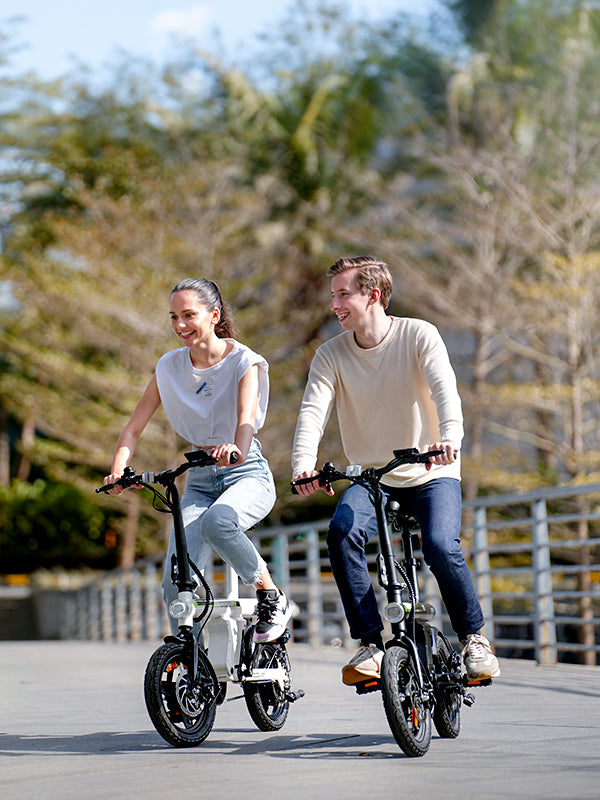
(Optional: For e-bike or iHoverboard riders, choosing models with efficient motors can enhance speed on longer rides.)
4. Ride in Groups
Group riding is one of the most underrated ways to increase the speed of average cyclist. Drafting behind other riders reduces wind resistance, allowing you to conserve energy and maintain faster paces over long distances.
-
Riding in a paceline can boost average speed by 20–30% compared to solo rides.
-
Experienced cyclists can rotate positions in the group to share the workload and sustain a steady pace.
5. Monitor Progress and Adjust
Tracking your rides helps you understand what affects your speed of average cyclist and identify areas for improvement.
-
Use cycling apps or GPS devices to record distance, speed, and elevation.
-
Analyze how terrain, weather, and fatigue affect your pace.
-
Adjust training, equipment, or route choices based on the data to gradually increase speed safely.
6. Prioritize Recovery and Nutrition
Faster cycling isn’t just about training; recovery and nutrition are equally important. Proper rest allows muscles to repair and adapt, while the right diet fuels your body for endurance.
-
Eat balanced meals with carbohydrates, protein, and healthy fats before and after rides.
-
Stay hydrated, especially during long rides, to maintain energy and prevent fatigue.
-
Include rest days in your training schedule to prevent overtraining and injuries.
Key Takeaways:
-
Increasing the speed of average cyclist requires a combination of consistent training, proper technique, and optimized equipment.
-
Group rides and drafting can provide significant speed advantages.
-
Monitoring progress and allowing for recovery ensures sustainable improvements over time.
Conclusion
The speed of average cyclist is influenced by many factors, including terrain, weather, equipment, experience, and whether you ride solo or in a group. While beginners may average 10–12 mph and advanced riders can sustain 20–24 mph or more, the most important goal is steady improvement and enjoyment of the ride.
By focusing on consistent training, refining technique, optimizing your bike and gear, and taking advantage of group riding, you can gradually increase your average speed while building endurance and confidence. Remember, cycling is as much about the journey as it is about the numbers—track your progress, set realistic goals, and celebrate every milestone along the way.
Whether you’re a new rider or a seasoned cyclist, understanding the factors that affect speed and applying practical tips can help you ride smarter, faster, and more efficiently.
FAQs
What is the average speed of a cyclist in km/h?
The speed of average cyclist varies depending on experience, terrain, and conditions. For beginners riding short distances, it’s typically around 16–19 km/h. Intermediate riders can maintain 24–26 km/h, while experienced cyclists on flat terrain may reach 32–38 km/h or higher.
How fast is a good cyclist?
A good or competent cyclist can usually maintain a speed of 25–35 km/h on medium-distance rides. Advanced cyclists or club-level riders, especially in groups, can exceed 40 km/h over shorter periods. Consistency, training, and technique play a significant role in achieving these speeds.
Is biking 10 km in 30 minutes good?
Yes! Completing 10 km in 30 minutes equals an average speed of 20 km/h, which is considered solid for recreational cyclists. This speed reflects moderate effort and good control, especially for riders who are still building endurance.
What is the average speed of a regular bicycle?
A regular bicycle ridden by an average rider on mixed terrain usually achieves a speed of 15–20 km/h. Factors such as rider fitness, terrain, and bike type can cause this to vary. With training and proper equipment, many cyclists can increase their average speed over time.





Still, need help? Contact Us: support@ihoverboard.com
What's the option? Check out the option now!
Leave us a message