


















Mountain Bike Cycling Clothing: Essential Gear for Every Trail
Mountain Bike Cycling Clothing: Essential Gear for Every Trail
Mountain bike cycling clothing is essential for every rider looking to stay comfortable, protected, and perform at their best on the trails. Designed specifically for off-road conditions, this gear combines durability, breathability, and flexibility to handle rugged terrain and changing weather. From jerseys and shorts to gloves, helmets, and protective gear, each piece plays a key role in enhancing mobility and safety. Choosing the right mountain bike cycling clothing ensures a smoother, more confident ride on every trail.
What Is Mountain Bike Cycling Clothing?
Mountain bike cycling clothing is specially designed apparel made for riding on off-road trails, mountains, and uneven terrain. Unlike regular sportswear or road cycling kits, this clothing is built to handle rough conditions, changing weather, and the physical demands of mountain biking.
Key characteristics of mountain bike cycling clothing include:
-
Durability: Made from abrasion-resistant materials to protect against rocks, branches, and falls.
-
Breathability: Moisture-wicking fabrics help keep the body cool and dry during intense rides.
-
Comfort: Lightweight construction reduces fatigue on long or technical routes.
-
Trail-Ready Fit: A slightly relaxed cut allows easy movement and space for protective gear.
Mountain bike cycling clothing is also designed with freedom of movement in mind. Stretch panels and ergonomic shaping support natural body motion, making it easier to handle steep climbs, sharp turns, and fast descents without restriction.
Overall, mountain bike cycling clothing plays a vital role in rider safety and performance. By combining protection, comfort, and trail-specific design, it helps riders stay focused, confident, and prepared for any terrain they face.
Why the Right Mountain Bike Cycling Clothing Improves Your Ride
Choosing the right mountain bike cycling clothing directly affects your comfort, safety, and overall riding performance. Clothing designed for off-road cycling helps you handle demanding trails and changing conditions with ease.
Key ways mountain bike cycling clothing improves your ride include:
-
Better Comfort on the Trail
Breathable, moisture-wicking fabrics help regulate body temperature during climbs and descents, reducing sweat buildup and discomfort on long rides. -
Increased Protection and Safety
Durable, abrasion-resistant materials protect against cuts, scrapes, and minor impacts from rocks, branches, and falls. -
Improved Mobility and Control
Stretch fabrics and ergonomic fits support natural movement, making it easier to shift weight, maintain balance, and handle technical terrain. -
Reduced Fatigue Over Time
Lightweight construction and proper ventilation help prevent overheating and muscle strain, allowing you to ride longer with less effort. -
Greater Focus and Confidence
Well-fitting mountain bike cycling clothing eliminates distractions, helping you stay focused on the trail and ride with confidence.
By combining comfort, protection, and flexibility, mountain bike cycling clothing enhances every aspect of your ride and helps you perform at your best, no matter the terrain or riding style.
Essential Types of Mountain Bike Cycling Clothing
Mountain bike cycling clothing includes several key pieces, each designed to support comfort, protection, and performance on the trail. Understanding these essential types makes it easier to choose the right gear for your riding style and conditions.
MTB Jerseys
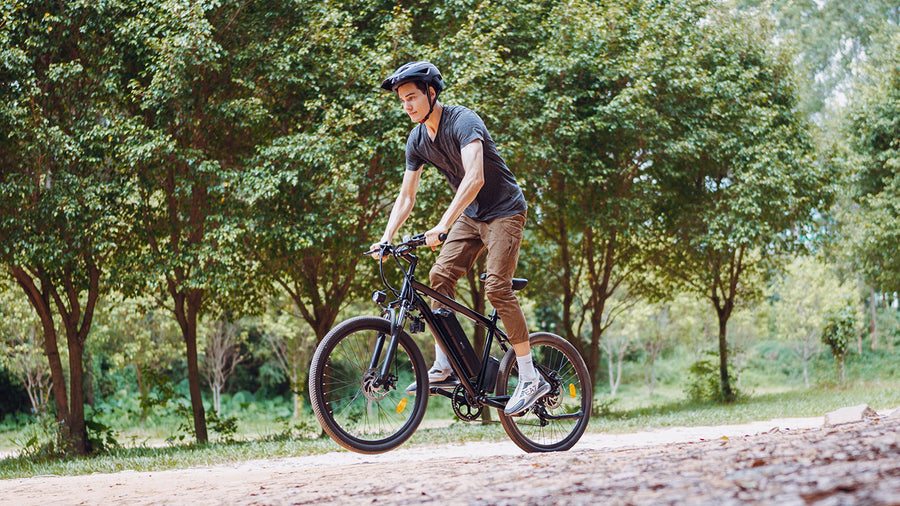
MTB jerseys are designed to keep riders cool, dry, and comfortable during off-road rides. They are typically made from breathable, moisture-wicking fabrics that help manage sweat during intense climbs. Short-sleeve jerseys are ideal for warm conditions, while long-sleeve options offer added protection against sun exposure, wind, and trail debris. Most MTB jerseys feature a relaxed fit to allow unrestricted movement and space for protective gear.
MTB Shorts and Trousers
MTB shorts and trousers provide durability and flexibility where riders need it most. Shorts are popular for warm-weather riding and offer excellent freedom of movement, while full-length trousers are better suited for cooler temperatures and technical trails. Many designs include reinforced panels, stretch fabrics, and secure waist systems to improve comfort and durability on rough terrain.
MTB Gloves
MTB gloves play a crucial role in grip, control, and hand protection. They help absorb vibrations from the trail, reduce hand fatigue, and protect against blisters or minor impacts. Full-finger gloves are commonly used for trail and downhill riding, while lighter options may be preferred for warmer conditions. A good fit ensures better braking and steering control.
MTB Helmets
Helmets are one of the most important components of mountain bike cycling clothing. They are designed to offer increased coverage and ventilation compared to other cycling helmets. Proper airflow helps manage heat, while extended coverage enhances protection on technical trails. Wearing a helmet significantly improves rider safety and confidence.
Body Armour and Protective Gear
Body armour includes knee pads, elbow pads, and upper-body protection that help reduce the risk of injury during falls. This type of mountain bike cycling clothing is especially valuable for downhill, enduro, and aggressive trail riding. Modern designs focus on lightweight materials that offer protection without restricting movement.
MTB Shoes
MTB shoes are built to improve pedal grip, power transfer, and stability. Riders can choose between flat-pedal shoes for flexibility and clip-in shoes for increased efficiency. Strong soles, durable uppers, and trail-ready traction help riders maintain control in all conditions, both on and off the bike.
Each of these essential types of mountain bike cycling clothing works together to enhance safety, comfort, and performance. Choosing the right combination ensures a smoother, more confident ride on any trail.
How to Care for and Maintain Mountain Bike Cycling Clothing
Taking proper care of mountain bike cycling clothing helps maintain performance, comfort, and durability over time. Simple habits can significantly extend the life of your gear.
Key care and maintenance tips:
-
Wash After Every Ride
Clean mountain bike cycling clothing promptly to remove dirt, sweat, and trail debris that can damage fabrics and cause odours. -
Use Gentle Washing Settings
Choose a mild detergent and a gentle cycle. Avoid fabric softeners, as they reduce breathability and moisture-wicking performance. -
Turn Clothing Inside Out
Washing garments inside out helps protect outer fabrics, prints, and reinforced panels. -
Avoid High Heat
Air-dry whenever possible. If using a dryer, select a low-heat setting to prevent shrinking and material breakdown. -
Handle Protective Gear Separately
Remove pads or armour inserts before washing and allow all pieces to dry completely before reassembly. -
Store in a Dry, Cool Place
Keep clothing away from direct sunlight and avoid leaving damp gear in bags or vehicles. -
Inspect and Repair Regularly
Check seams, fasteners, and high-wear areas to catch minor damage early and extend usability.
Following these steps ensures your mountain bike cycling clothing stays fresh, functional, and trail-ready for every ride.
Common Mistakes to Avoid When Buying Mountain Bike Cycling Clothing
Choosing the right mountain bike cycling clothing can greatly improve your comfort and performance, but certain mistakes can lead to discomfort, reduced protection, or wasted money. Avoiding the following common issues helps ensure you select gear that truly supports your riding needs.
Mistakes to watch out for when buying mountain bike cycling clothing:
-
Choosing Style Over Function
Clothing that looks good but lacks durability, breathability, or protection may perform poorly on the trail. Always prioritise function and trail-ready features over appearance. -
Ignoring Fit and Sizing
Mountain bike cycling clothing that is too tight can restrict movement, while overly loose clothing may cause discomfort or snag on obstacles. Proper fit is essential for control and comfort. -
Overlooking Weather and Trail Conditions
Wearing the wrong clothing for the climate or terrain can lead to overheating, cold exposure, or limited protection. Consider seasonal conditions and trail difficulty before buying. -
Skipping Protective Features
Failing to account for reinforced areas or compatibility with protective gear can reduce safety, especially on technical or downhill trails. -
Choosing Non-MTB-Specific Clothing
Regular sportswear or road cycling gear is not designed for off-road riding. Mountain bike cycling clothing is built for durability, flexibility, and trail impact resistance. -
Not Considering Riding Style
Cross-country, trail, and downhill riding all require different clothing features. Selecting gear without considering your riding style can limit performance and comfort.
By avoiding these common mistakes, you can invest in mountain bike cycling clothing that enhances safety, comfort, and confidence on every ride.
Conclusion
Choosing the right mountain bike cycling clothing is essential for a safe, comfortable, and high-performance ride. From breathable jerseys and durable shorts to protective gloves, helmets, and body armour, each piece of gear is designed to meet the unique demands of off-road trails. Proper fit, weather-appropriate materials, and trail-ready features help improve mobility, reduce fatigue, and protect against the elements and minor injuries.
By understanding the essential types of MTB clothing, caring for your gear, and avoiding common mistakes, you can ensure your apparel supports every ride, whether you’re tackling steep climbs, technical descents, or long cross-country trails. Investing in the right mountain bike cycling clothing allows you to focus on the trail, ride with confidence, and enjoy every moment of your mountain biking experience.
FAQs
What clothing do I need for mountain bike cycling?
Mountain bike cycling clothing typically includes a breathable jersey, padded shorts or trousers, gloves, protective helmet, and moisture‑wicking socks. These items are designed to handle rugged terrain, regulate body temperature, and protect you from dirt, branches, and trail impacts. Jerseys and shorts are usually made with technical fabrics that wick sweat and allow freedom of movement.
Can I wear regular workout clothes for mountain biking?
While regular workout clothes might work for casual rides, they aren’t ideal for mountain biking. MTB‑specific clothing uses tougher materials that resist abrasion, manage moisture better, and provide features like a relaxed fit and added coverage that regular gym wear doesn’t offer.
How should mountain bike cycling clothing fit?
Mountain bike cycling clothing should offer a balance of comfort and mobility. Jerseys tend to have a slightly relaxed, trail‑oriented fit rather than the tight, aerodynamic cut used in road cycling. Shorts should allow room for pedalling and protective pads without being too loose. Always check size guides and try items on where possible.
What should I avoid wearing when mountain biking?
Avoid cotton clothing, as it traps moisture and dries slowly, which can lead to discomfort. Loose or baggy non‑MTB tops and pants can snag on branches or interfere with riding. Open‑toed shoes and jewellery are also unsafe on trails. Technical MTB clothing helps avoid these issues by offering better fit, durability, and sweat management.





Still, need help? Contact Us: support@ihoverboard.com
What's the option? Check out the option now!
Leave us a message