


















Is an 8-Year-Old Ready for a Hoverboard? Here Is What to Pick
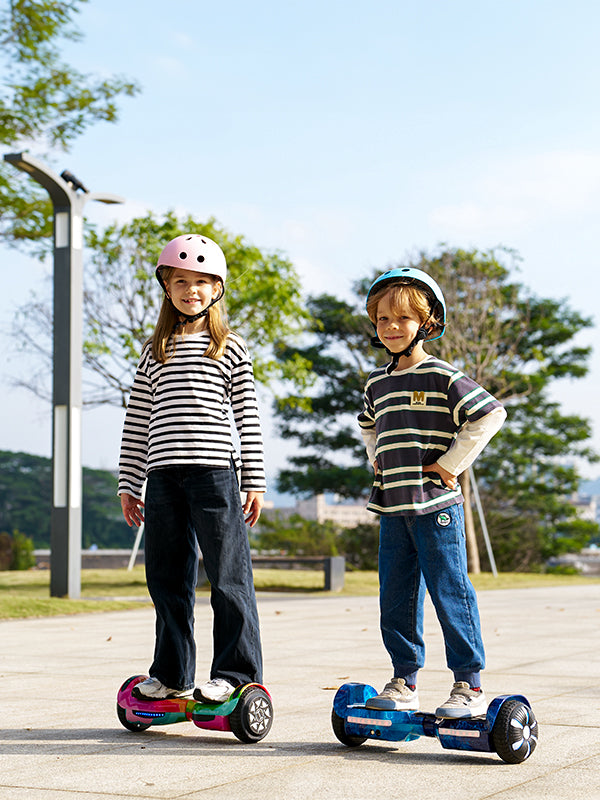
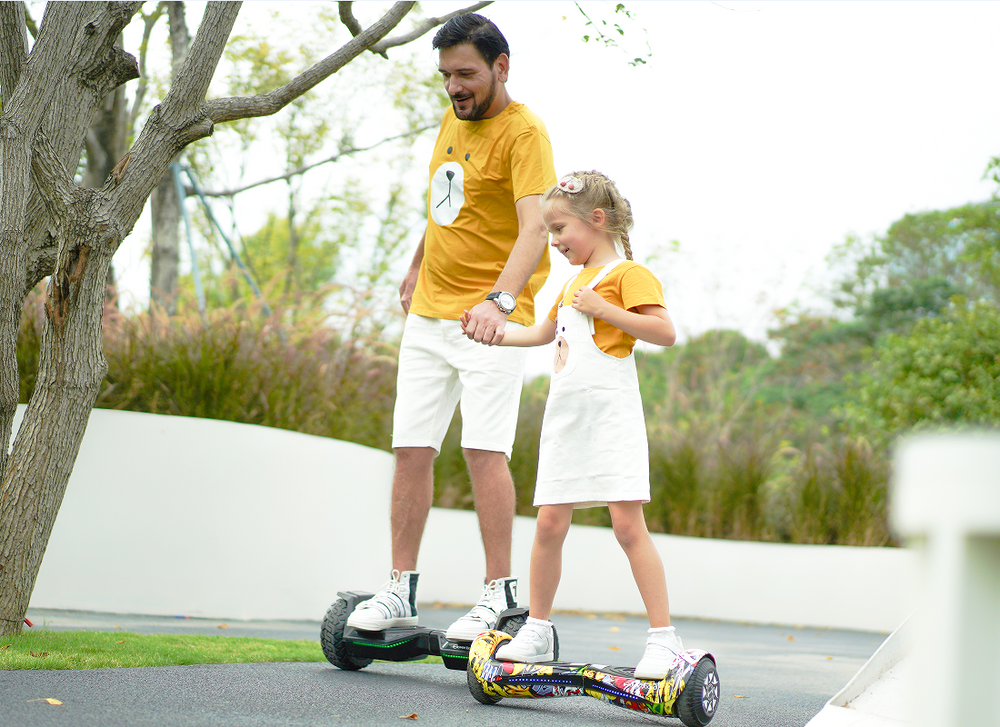
Few gifts generate as much excitement for a child as opening their very first self-balancing scooter. As children grow more independent and seek active outdoor adventures, parents frequently wonder whether an eight-year-old possesses the motor skills, balance, and judgment needed to handle a motorized board safely. The short answer is yes—for most kids, turning eight represents the ideal sweet spot to begin riding. However, picking the right model requires looking beyond eye-catching LED lights and choosing a board specifically engineered for younger riders. A full-sized adult hoverboard is often too heavy, fast, and sensitive for a lighter child to control safely. In this guide, we break down why eight-year-olds thrive on compact boards, key battery safety certifications, expected runtime during park play, step-by-step balance instructions, and how to select the best hoverboards for 8 year olds. When evaluating options for young riders, it is essential to understand that a dedicated beginner hoverboard for kids is constructed differently than a standard adult commuter board. The ideal board for an eight-year-old balances responsive maneuverability with rider stability and speed management. By the time a child reaches hoverboard age 8, their motor development, posture control, and physical coordination have matured significantly compared to younger age groups: Models like the iHoverboard H1 and iHoverboard H2 are specifically designed around these developmental needs, making them standout choices among the top hoverboards for 8 year olds. When purchasing any personal electric vehicle for a child, electrical and battery safety should always be a parent's top priority. Modern, reputable self-balancing scooters undergo stringent testing to eliminate the overheating hazards associated with early generation models. When researching boards, look for these vital safety protections: UL2272 is the gold-standard electrical safety certification for personal e-mobility devices. A UL2272-certified hoverboard has undergone rigorous laboratory testing covering the lithium-ion battery cells, charger unit, wiring circuitry, and thermal enclosure to prevent electrical shorts and thermal buildup. Quality children's hoverboards feature an integrated Smart BMS that actively monitors voltage, current, and temperature levels in real-time. This system provides vital safety functions including: Safety systems should also protect the rider while in motion. When a board's battery drops below 10%, high-quality boards trigger audible beep warnings and gradually limit top speed rather than shutting off abruptly. This gradual slowdown prevents sudden balance loss and allows the child to step off safely. Safety Feature Primary Function Benefit for Young Riders UL2272 Certification Verifies electrical system safety Complete peace of mind against electrical risks Integrated Smart BMS Regulates voltage, temperature, and charging Prevents battery degradation and overheating Low-Voltage Speed Reduction Gradually slows board when power is low Eliminates sudden motor cutoffs while riding High-Traction Rubber Footpads Grips shoe soles during sharp turns Keeps feet securely positioned on sensor pads Choosing a certified board with built-in electronic safeguards ensures your child enjoys hours of outdoor fun with maximum protection. Battery performance determines how much continuous fun your child can enjoy before needing a recharge. Understanding realistic range expectations helps parents plan park outings and maintain long-term battery health. A typical 6.5-inch beginner board powered by a 36V 2Ah battery pack delivers between 50 to 70 minutes of continuous riding time (or approximately 6 to 8 miles / 10 to 12 km of total travel distance) on a single charge. Several everyday factors influence how long a single charge will last during play: Recharging a beginner hoverboard typically takes 2 to 3 hours, making it quick and easy to top up between morning and afternoon play sessions. To maximize battery longevity, avoid storing the board in freezing garages or hot car trunks, and always charge using the manufacturer-supplied power adapter. Most eight-year-olds pick up hoverboard riding within 10 to 15 minutes because of their natural adaptability and lower center of gravity. However, guiding them through a structured step-by-step learning process prevents early falls and builds immediate confidence. Follow these simple steps for a safe, smooth first lesson: Before turning the board on, ensure your child is wearing a properly fitted CPSC-certified multi-sport helmet, wrist guards, elbow pads, and knee pads. Select a completely flat, non-slippery surface such as a carpeted living room floor, a smooth concrete driveway, or an open patio away from street traffic. Have your child stand directly behind the board while it is powered on and auto-balanced. Instruct them to place their dominant foot firmly on the corresponding footpad, resting it flat against the rubber grips. As soon as the first foot touches down, they should step straight up with their second foot in one decisive movement—much like climbing a staircase step. Hesitating midway can cause the board to move forward prematurely. Once standing on the deck, encourage your child to keep their head up, eyes looking forward, and knees slightly relaxed rather than locked straight. Remind them to keep their weight centered over their ankles without leaning aggressively forward or backward. Teach steering through subtle foot pressure rather than heavy body tilting: To dismount safely, teach your child to bring the board to a complete stop, shift their balance onto their dominant leg, and step backward off the board one foot at a time. Never jump forward off a hoverboard, as this can kick the board backward and cause a tumble. An eight-year-old is well-prepared to step onto a hoverboard when equipped with a compact, speed-governed, and battery-certified board. Choosing a dedicated 6.5-inch starter model like the iHoverboard H1 or iHoverboard H2 guarantees the ideal combination of low ground clearance, responsive dual-motor handling, and essential safety features. With proper safety gear, clear ground rules, and a brief practice session, your child will be gliding around driveways and parks with full confidence. Explore our full selection of safe hoverboards for kids today! A compact 6.5-inch solid rubber wheel size is the ideal choice for an 8-year-old rider. 6.5-inch wheels keep the board low to the ground, providing exceptional balance, sharp maneuverability, and a low center of gravity on driveways, sidewalks, and flat park paths. A typical kids' hoverboard battery lasts between 50 to 70 minutes of continuous riding time (or roughly 6 to 8 miles) on a single charge. Total runtime depends on factors such as rider weight, riding speed, and terrain roughness. Children aged 6 and 7 can safely ride hoverboards specifically designed for beginners, provided they meet the minimum weight requirement (around 20 kg / 44 lbs) necessary to engage the footpad sensors and ride while wearing full safety gear under adult supervision.Who Is the Ideal 8-Year-Old Hoverboard Designed For?
Why Battery Safety Standards Matter Most for Young Children
1. Official UL2272 Certification
2. Intelligent Battery Management System (BMS)
3. Low-Battery Warning Alerts
How Long Does a Charge Last During Everyday Park Play?
Simple Steps to Teach Your 8-Year-Old How to Balance Quickly
Step 1: Gear Up and Choose the Right Location
Step 2: Master the Quick Step-On
Step 3: Establish Neutral Posture
Step 4: Practice Basic Directional Control
Step 5: Master the Safe Step-Off
Ready to Pick the Best Hoverboard for Your 8-Year-Old?
Frequently Asked Questions
What wheel size is best for an 8-year-old rider?
How long does a typical kids' hoverboard battery last per charge?
Are hoverboards suitable for kids younger than 8 years old?





Still, need help? Contact Us: support@ihoverboard.com
What's the option? Check out the option now!
Leave us a message