





















Hydraulic Brakes vs Mechanical Disc Brakes on E-Scooters: Safety Comparison
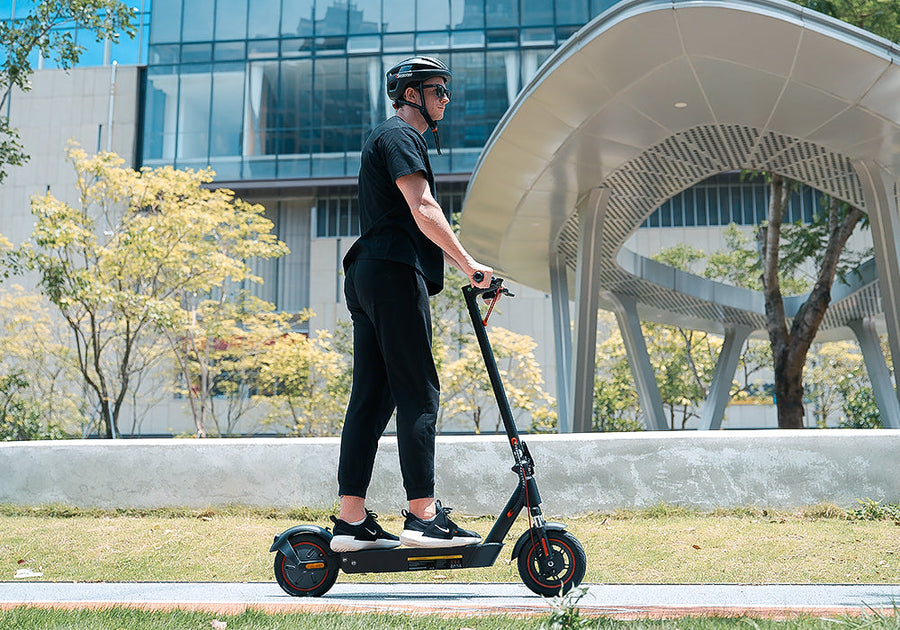
A reliable braking system is the single most important safety component on an electric scooter, directly determining how quickly you can stop in an emergency. Evaluating a hydraulic vs mechanical disc brakes e scooter setup comes down to comparing lever modulation, physical stopping power, ongoing maintenance requirements, and wet-weather reliability. Understanding how these two braking mechanisms operate helps riders select the safest hardware for their daily commute. Both systems utilize steel rotors mounted directly to the wheel hub, but they transfer force from the handlebar brake lever to the caliper pistons in fundamentally different ways: Emergency deceleration depends heavily on how quickly friction is applied to the disc rotor and how predictably the rider can modulate braking force without locking up the wheels. Performance Metric Mechanical Disc Brakes Hydraulic Disc Brakes Braking Effort Requires moderate to heavy hand pressure Effortless one-finger lever pull Piston Action Single-sided movement (Pushes rotor to one side) Dual-sided dual-piston clamping Lever Modulation Stiff, linear cable tension feel Smooth, progressive hydraulic pressure Stopping Distance (from 15 mph / 25 km/h) ~3.8 – 4.5 meters ~2.5 – 3.2 meters Risk of Wheel Lockup High (Abrupt grab due to cable friction) Low (Precise control over pad pressure) Key hydraulic e scooter brakes benefits include significantly shorter electric scooter braking distance measurements and reduced hand fatigue during long downhill descents. Proper e scooter safety braking relies on precise pad modulation so riders can scrub off speed quickly without losing traction or causing front-wheel skid. Riding through standing puddles, winter road grime, and rain introduces moisture between the brake pads and the steel rotor, reducing friction. Routine e scooter brake maintenance keeps pad clearances aligned and prevents dangerous lever fade. Selecting the optimal brake setup depends on top motor speeds, vehicle weight, and commuter requirements: For commuters seeking maximum ride comfort, heavier frame stability, and upgraded braking packages, review top-rated seated options in our guide to the best adult electric scooter with seat top picks for comfortable riding. Yes, hydraulic brakes are significantly better for riding in UK rain because the brake fluid runs through completely sealed hoses. Rain and grit cannot contaminate the internal lines, ensuring consistent stopping power and smooth lever action without the cable rusting or sticking common to mechanical systems. Mechanical disc brakes typically require adjustment every 2 to 4 weeks depending on riding frequency and braking intensity. Because steel cables stretch and only one piston moves, regular barrel adjustments are necessary to maintain firm lever pressure and prevent the lever from pulling all the way to the handlebar grip. Yes, you can upgrade mechanical scooter brakes to hydraulic brakes using aftermarket kit options like semi-hydraulic (cable-actuated hydraulic) calipers or full hydraulic brake assemblies. Ensure the new brake levers include electronic motor-cutoff sensors compatible with your e-scooter's controller before installing.
Understanding E-Scooter Braking Systems: Hydraulic vs Mechanical
Stopping Distance and Response Speed Comparison
Wet Weather Performance and Braking Reliability
Maintenance Demands: Bleeding Hydraulics vs Adjusting Cables
Which Brake System is Safest for High-Speed E-Scooters?
Frequently Asked Questions
Are hydraulic brakes better for riding in UK rain?
How often do mechanical disc brakes need adjustment?
Can I upgrade my mechanical scooter brakes to hydraulic?







Still, need help? Contact Us: support@ihoverboard.com
What's the option? Check out the option now!
Leave us a message