






















How Far Can You Go Off-Road? Testing All-Terrain E-Scooters
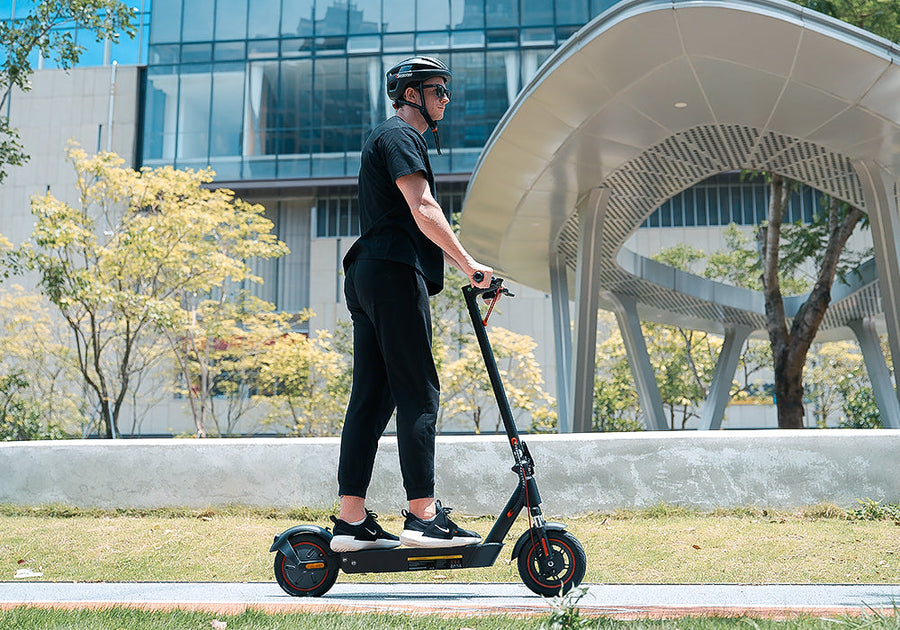
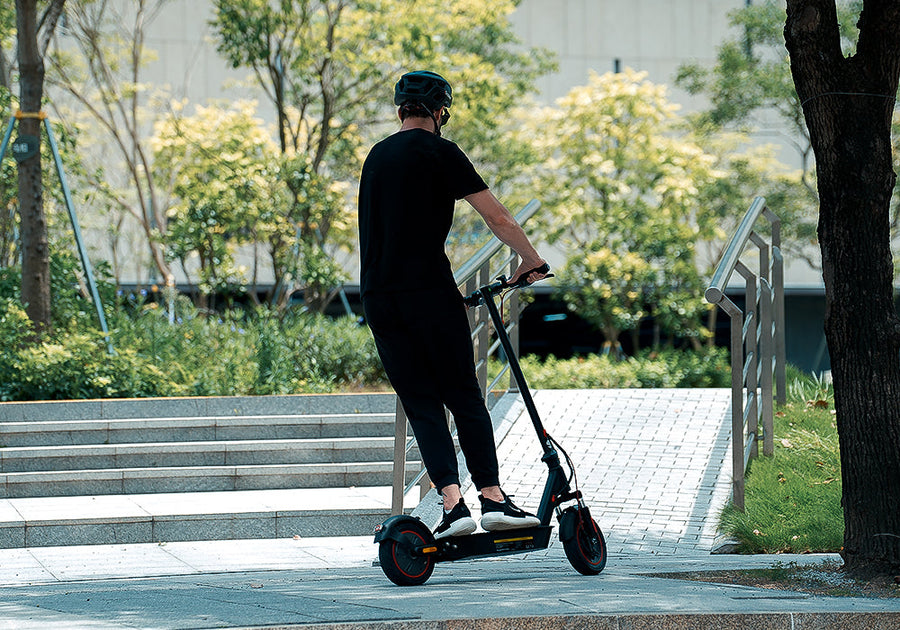
Escaping paved city streets for dirt tracks, gravel paths, and forest trails requires a vehicle built for punishment. Standard urban scooters simply lack the torque, tire grip, and suspension travel needed to survive unpaved terrain without shaking the rider to pieces. That is where an off road electric scooter comes in. Equipped with high-output motors, aggressive tread patterns, and heavy-duty frame builds, these multi-terrain machines are designed to turn rugged countryside routes into thrilling playgrounds. But when you trade smooth asphalt for loose rocks, mud, and steep hill climbs, performance metrics shift dramatically. How far can you actually ride on a single charge when pushing through tough terrain? In this comprehensive hands-on breakdown, we test all-terrain models like the iHoverboard W8, iHoverboard W9Air, and the iX4 E-Scooter across steep inclines, loose gravel, and deep bumps to reveal real-world battery range, motor torque capabilities, and essential safety features. Riding across flat pavement requires relatively modest power, but ascending a 25% or 30% dirt slope demands raw, instantaneous motor torque. When tackling steep incline trails on an off road electric scooter for adults, motor wattage and power delivery determine whether your scooter smoothly surges up the hill or stalls halfway up the slope. Unlike commuter scooters with basic 350W motors, all-terrain machines rely on high-wattage brushless powertrains ranging from 750W to 800W, with top-tier performance enthusiasts opting for a dual motor electric scooter setup. High-torque motors generate the wheel force required to overcome mechanical resistance caused by loose dirt, gravel, and grass. For instance: When riding off-road, high torque does more than increase top speed—it gives you immediate throttle response when navigating technical obstacles, ensuring you maintain balance without losing forward momentum. Powerful acceleration means little if you cannot maintain traction or handle the brutal bumps of unpaved trails. Riding off-road subjects both rider and scooter frame to continuous high-frequency vibrations and heavy impacts. Without robust shock absorption and specialized rubber, off-road riding quickly becomes uncomfortable and dangerous. An exceptional heavy duty off road electric scooter relies on two structural pillars for ride comfort and safety: Standard smooth city tires slip continuously on wet grass, mud, or gravel. Off-road models feature wider, deeply treaded tires engineered with high-grip rubber compounds: Suspension travel acts as a protective buffer for both your knees and the scooter's internal electronics. The iHoverboard W8 incorporates front and rear rocker arm spring shock absorbers that compress during sudden drop-offs or rocky paths. Meanwhile, the iHoverboard W9Air uses front and rear dual sleeve shock absorbers to absorb harsh impacts seamlessly, keeping the deck stable so your feet stay planted on the non-slip footpads. One of the most common questions riders ask before heading out on trail adventures is: How far can an off road e scooter actually travel on a single charge? While manufacturer spec sheets list maximum range under ideal laboratory conditions—a 70kg rider on flat, smooth asphalt at moderate speeds—real-world trail riding introduces significant variables that impact total mileage. When testing all-terrain models across unpaved paths, loose gravel, and rolling hills, energy consumption increases by roughly 25% to 35%. Motor controllers must continuously draw higher amperage to push through soft soil and climb inclines, which reduces theoretical max ranges down to a practical real-world expectation. Here is how key specs compare across top-performing all-terrain models: Feature / Model Motor Output 750W Peak Brushless 800W Brushless 800W High-Speed Motor Top Speed 25 mph (40 km/h) 25 mph (40 km/h) 28 mph (45 km/h) Theoretical Max Range Up to 28 miles (45 km) Up to 25 miles (40 km) Up to 28 miles (45 km) Real-World Trail Range 16–21 miles (25–34 km) 15–20 miles (24–32 km) 17–22 miles (27–35 km) Tire Size & Type 9.3-Inch Pneumatic Anti-Skid 10-Inch Pneumatic Off-Road 10-Inch All-Terrain Tires Suspension System Front & Rear Rocker Arm Springs Front & Rear Sleeve Dual Shock Heavy-Duty Dual Suspension Climbing Angle 30% Hill Grade 30% Hill Grade 30% Hill Grade To get the most mileage out of your battery when riding off-road, maintain consistent throttle pressure, avoid unnecessary stops on steep inclines, and ensure your pneumatic tires are inflated to the recommended PSI (typically 45–50 PSI) before setting off. For riders looking for the perfect entry point into trail riding, the iHoverboard W8 strikes an impressive balance between high-torque performance, rugged durability, and incredible value. Engineered from lightweight yet strong magnesium alloy, it delivers heavy-duty off-road capability without the unmanageable bulk of oversized industrial scooters. Key features that make the iHoverboard W8 stand out include: Whether you are navigating rural paths, woodland fire roads, or rough park trails, the W8 provides the reliability and power needed to turn everyday outings into genuine off-road adventures. Testing all-terrain models proves that a high-quality off road electric scooter opens up a world of adventure well beyond standard pavement. While rough trails, steep hill climbs, and unpaved paths naturally reduce total battery range compared to flat city riding, high-torque 750W–800W motors, wide pneumatic tires, and responsive dual suspension systems ensure you can comfortably cover 15 to 22 real-world miles on a single charge. Models like the iHoverboard W8, iHoverboard W9Air, and iX4 E-Scooter deliver the durability, climbing power, and stopping control needed for serious off-road exploration. Ready to leave the pavement behind and conquer new trails? Explore our full collection of premium off-road electric scooters today! Yes, dedicated off-road electric scooters featuring high-torque 750W to 800W motors (or dual-motor configurations) are specifically engineered to tackle steep inclines up to 30% hill grades. Their high-wattage brushless powertrains maintain strong momentum on dirt, grass, and gravel slopes where standard city scooters would stall. Off-road e-scooter tires are significantly thicker and more durable than standard city scooter tires. Models equipped with heavy-duty pneumatic off-road tires feature reinforced sidewalls and deep anti-skid treads designed to resist sharp rocks and debris. Adding tire sealant inside inner tubes further enhances puncture resistance for worry-free trail riding. Off-road e-scooters feature higher-wattage motors, heavier-duty frames, robust front and rear suspension systems, and wider, treaded pneumatic tires (9.3 to 10 inches). In contrast, regular city commuter scooters usually have smaller 350W motors, basic or no suspension, and smooth 8.5-inch tires designed purely for flat, dry asphalt.Why High-Torque Motors Make a Huge Difference on Steep Incline Trails
Suspension and Treaded Tires: Built for Unpaved Paths
1. Large-Diameter Pneumatic Treaded Tires
2. Dual Spring and Air Suspension Systems
What Is the Real-World Battery Range on Rough Terrain?
Why the iHoverboard W8 Deserves a Spot on Your Essential List
Conclusion
Frequently Asked Questions
Can an off-road electric scooter handle steep inclines and hills easily?
Are off-road e-scooter tires puncture-resistant?
What is the main difference between an off-road e-scooter and a regular city commuter scooter?







Still, need help? Contact Us: support@ihoverboard.com
What's the option? Check out the option now!
Leave us a message