




















Folding Treadmills vs Walking Pads: Which Is Best for Small Spaces?
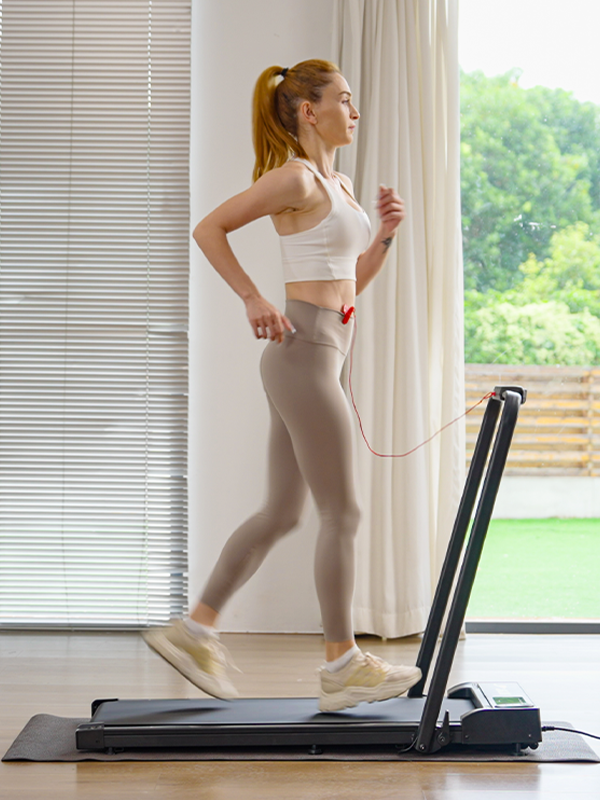
Maintaining a consistent daily step count or home exercise routine in a UK flat or compact apartment often comes down to available floor space. As remote working and active desks become standard, choosing between traditional foldable treadmills and ultra-slim walking decks is a primary decision for fitness enthusiasts. Evaluating a folding treadmill vs walking pad setup requires balancing motor power, top speed limits, storage convenience, and how seamlessly the equipment fits into your living room or home office. Both walking pads and folding treadmills fall under the umbrella of compact home cardio equipment, but they serve fundamentally different daily fitness goals: When floor space is at a premium, physical dimensions and walking pad storage options become critical purchasing factors. Dimension / Feature Under-Desk Walking Pad (e.g., iHoverboard JT31) Traditional Folding Treadmill Deck Thickness / Height Ultra-slim (10 cm – 13 cm / 4" – 5") Taller base + handrails (25 cm – 40 cm folded) Total Weight Lightweight (18 kg – 22 kg / 40 lbs – 48 lbs) Heavy (35 kg – 65 kg+ / 77 lbs – 143 lbs) Under-Furniture Clearance Fits under most sofas, beds, and TV units Requires high bed clearance or open closet space Upright Storage Easily leans flat against walls or inside wardrobes Folds at an incline angle; requires heavy floor latches Built-in Transport Wheels Dual front wheels for easy one-person rolling Heavy-duty wheels; requires tipping heavy frame For renters or apartment dwellers, opting for a folding treadmill small apartment setup requires verifying folded frame depth, whereas a slim unit like the ihoverboard JT31 walking pad can be slid under a couch or stood upright behind a door in under ten seconds. Evaluating an under desk walking pad vs folding treadmill requires understanding motor calibration and heat dissipation: Matching your equipment to your daily workflow dictates how often you will actually use it: To compare top-rated hybrid options for home offices, explore our recommendations for the best walking pad treadmills. Selecting the right cardio machine depends on your daily schedule, living arrangement, and training intensity. For an in-depth breakdown on selecting compact walking decks tailored for home use, check out our buyer's guide on the best under desk walking pad. Yes, most lightweight walking pads are designed to be stored vertically flat against a wall or inside a wardrobe. Models equipped with flat front rubber feet and transport wheels stand securely when leaned against a flat vertical surface, saving maximum floor space in small rooms. Yes, walking pads operate significantly quieter than traditional running treadmills. Equipped with silent brushless motors (operating under 50 dB) and low-impact walking speeds, they produce minimal floor vibration, making them suitable for upstairs flat use without disturbing downstairs neighbors. Most standard walking pads are engineered exclusively for walking or light jogging, with speeds capped between 6 km/h and 8 km/h (3.7 to 5 mph). Their compact deck length and lack of supportive handrails make them unsafe for high-speed sprinting, which requires a full-sized running treadmill deck.
Compact Home Fitness: Folding Treadmills vs Walking Pads
Size, Footprint, and Storage Capabilities Compared
Speed Limits & Motor Horsepower Differences
Under-Desk Work Integration vs High-Speed Running Workouts
Which Option Fits Your Living Space and Fitness Goals?
Frequently Asked Questions
Can you store a walking pad upright against a wall?
Is a walking pad quiet enough for an upstairs apartment?
Can you run on a walking pad or only walk?







Still, need help? Contact Us: support@ihoverboard.com
What's the option? Check out the option now!
Leave us a message