


















Electric Scooter Safety for Kids: Parent Guidelines & Speed Controls
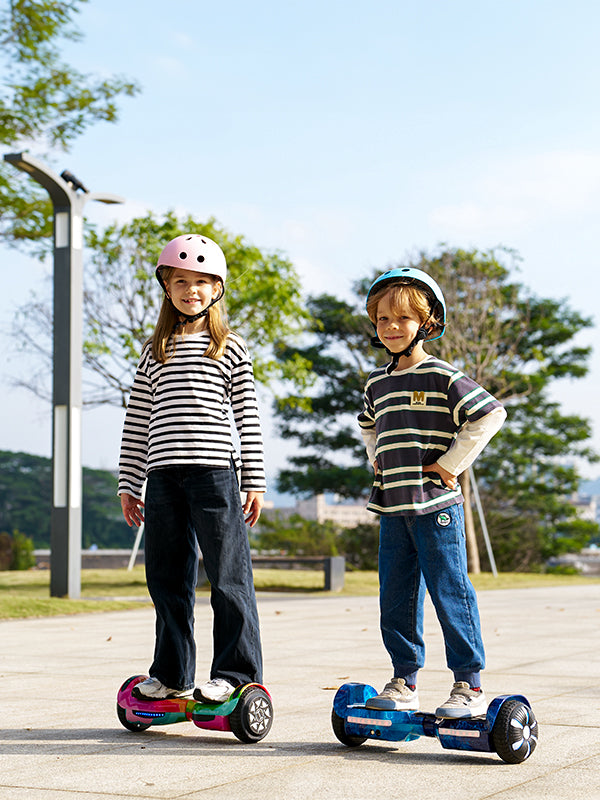
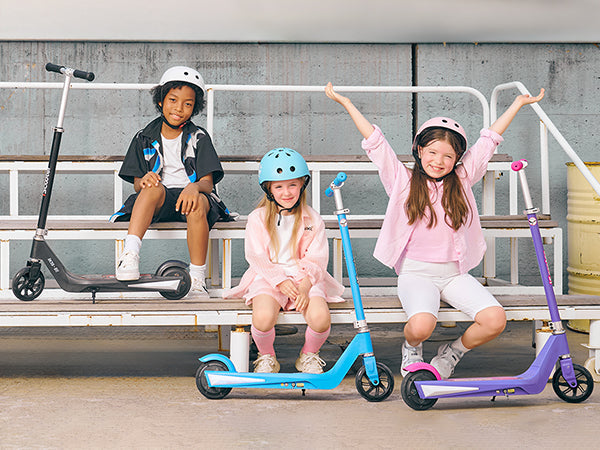
Introducing young children to personal electric mobility builds balance, spatial awareness, and outdoor confidence. However, because children have developing motor skills and slower hazard reaction times, establishing strict electric scooter safety for kids guidelines is essential before their first ride. By selecting age-appropriate speed limits, enforcing proper protective gear, and choosing safe practice locations, parents can ensure every outing remains fun and incident-free. Electric scooters deliver instant motorized acceleration, which can surprise young riders accustomed to traditional kick scooters. Because a child's center of gravity is lower and their head represents a larger proportion of their total body weight, sudden stops or front-wheel impacts are more likely to cause forward pitch-over spills. Children often lack the peripheral vision and risk perception required to evaluate moving hazards or rough road surfaces. Implementing structured parental safety controls such as physical speed limiters and mandatory protective equipment prevents minor wobbles from turning into significant injuries. Outfitting your child with complete kids e scooter safety gear is a non-negotiable step before powering on any vehicle. Gear should fit snugly without slipping during movement. Protective Gear Item Critical Safety Purpose Key Features to Look For Cycle / Skate Helmet Protects skull and forehead from impact forces CE EN1078 certified, spin-dial size adjuster Knee & Elbow Pads Absorbs impact and prevents friction burns on joints Hard ABS plastic caps with flexible neoprene sleeves Wrist Guards Supports wrists during forward falls to prevent fractures Rigid palm plates with velcro straps Full-Finger Gloves Maintains handlebar grip and protects hands from scrapes Padded gel palms and breathable fabric Grippy Footwear Prevents feet from slipping off the deck mid-ride Closed-toe flat rubber sneakers (avoid sandals or boots) To select the correct e scooter helmet size for children, measure your child's head circumference just above the eyebrows: The helmet should sit level across the forehead (two fingers above the eyebrows) with the Y-straps meeting just below each earlobe. Modern youth e-scooters incorporate physical and electronic safeguards designed specifically to compensate for beginner mistakes. Before letting your child ride independently, conduct structured driveway drills to build safe braking techniques for children: Identifying designated safe riding areas for kids scooter practice ensures young riders remain clear of motor vehicle traffic and heavy pedestrian crowds. Children can safely start riding entry-level electric scooters at age 4, provided the scooter features a low deck, a slow 3–6 mph speed governor, a lightweight frame (under 5 kg), and a kick-start safety motor. Standard open-face cycling or skate helmets (CE EN1078 certified) provide excellent protection for low-speed kids' scooters operating under 10 mph. Full-face helmets are generally only necessary for older pre-teens riding higher-powered models capable of speeds above 15 mph. No, children should not ride electric scooters in the rain. Wet surfaces dramatically reduce tire traction, increase stopping distances, and create skidding hazards, while moisture exposure can damage sensitive internal electrical components.
Why E-Scooter Safety is Critical for Young Riders
Must-Have Protective Gear for Children (Helmets, Pads, Gloves)
Finding the Right Helmet Fit
How Speed Governors & Kick-Start Motors Keep Kids Safe
Teaching Your Child Proper Braking and Balance Control
Safe Riding Environments: Parks & Pavements Guidelines
Frequently Asked Questions
What age is safe to start riding a kids electric scooter?
Should children wear full-face helmets on e-scooters?
Can kids ride electric scooters in the rain safely?




Still, need help? Contact Us: support@ihoverboard.com
What's the option? Check out the option now!
Leave us a message