




















E-Scooter vs Public Transport: Annual Cost & Time Savings Breakdown
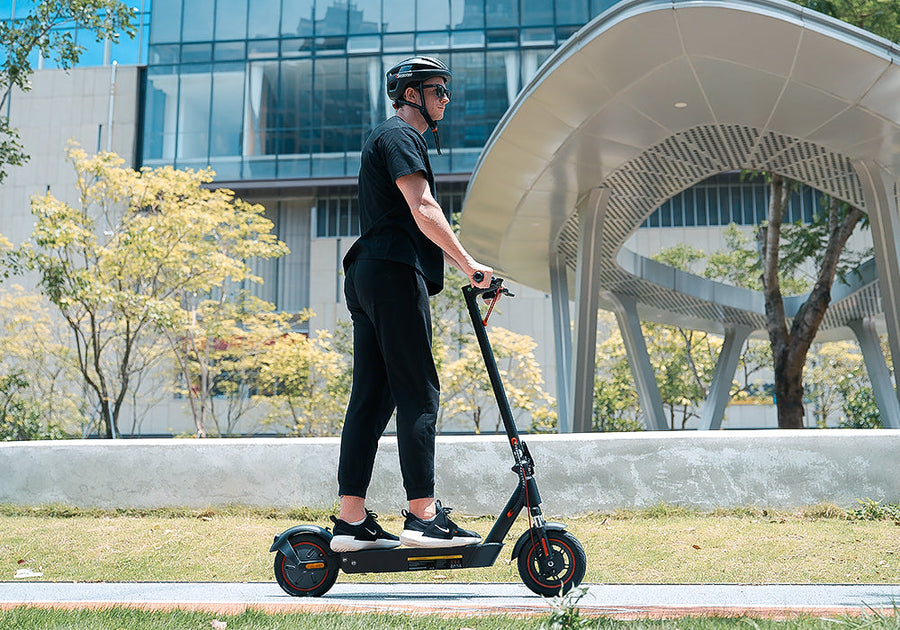
Swapping daily train, tube, or bus trips for a personal electric scooter cuts annual travel expenses by thousands of pounds while eliminating timetable delays. Evaluating an e scooter vs public transport cost reveals that the low cost per charge makes micro-mobility one of the most cost-effective travel choices available. This financial breakdown analyzes upfront investment against recurring transit passes, charging electricity costs, time savings, and typical return-on-investment timelines for daily commuters.
Public Transport Fares vs E-Scooter Commuting: Financial Comparison
Rising public transit fares across major UK hubs put a continuous drain on monthly budgets. When calculating the total commuting with electric scooter cost, operational expenses drop from hundreds of pounds a month down to mere pennies per week.
|
Expense Category |
UK Public Transport (Bus & Train / Tube) |
Personal Electric Scooter |
|
Upfront Equipment Cost |
£0 |
£100 – £600 (One-time purchase) |
|
Monthly Operating Cost |
£140 – £350 (Monthly passes/fares) |
£1.50 – £3.00 (Electricity & maintenance) |
|
Annual Travel Spend |
£1,680 – £4,200 |
£20 – £45 (Charging & routine wear) |
|
5-Year Total Expense |
£8,400 – £21,000 |
£200 – £825 (Includes battery/tire replacement) |
|
Reliability & Schedule |
Dependent on delays, strikes, & schedules |
On-demand, direct point-to-point travel |
Evaluating the London bus train fare vs e scooter expenses highlights significant long-term savings, as a single monthly travelcard in London can exceed the total purchase price of an entry-level scooter.
Upfront E-Scooter Investment vs Monthly Train/Bus Passes
Purchasing a personal electric scooter requires an upfront investment, but unlike non-refundable transit tickets, a scooter is an asset that yields immediate daily returns.
-
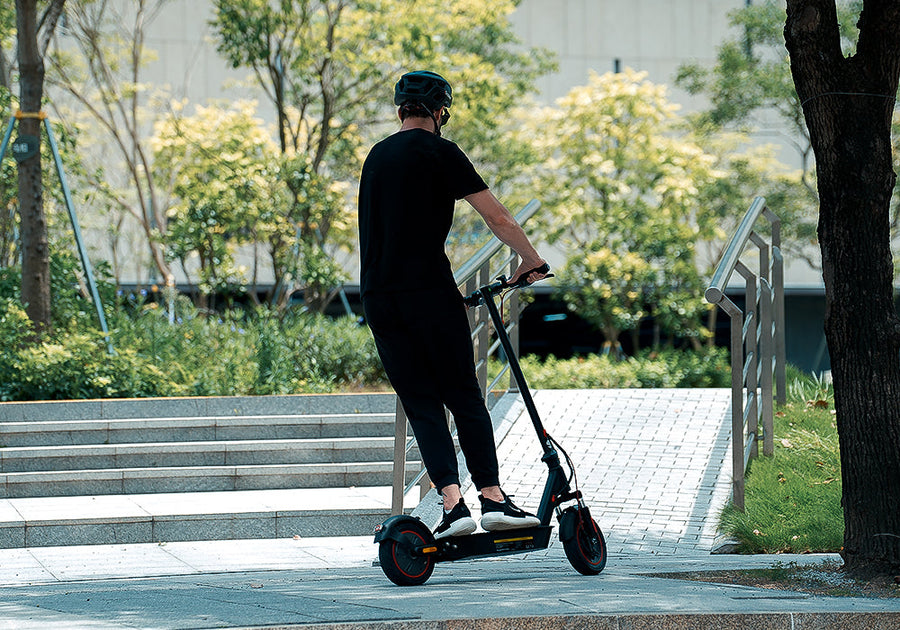
Entry-Level Commuter Models: Budget-friendly adult scooters like the iHoverboard i8 or i9 (featuring 350W motors and 187Wh–270Wh battery packs) require an initial outlay of roughly £180 to £220. Calculating daily commuter savings with an entry-level i8 or i9 demonstrates how an adult urban e-scooter pays for itself in under two months compared to recurring bus or tube fares.
-
Full-Sized Commuter & Seated Models: High-performance adult commuter models range from £300 to £600. For commuters seeking additional comfort on longer rides, exploring how much is an electric scooter with seat provides clear model comparisons and price points across various motor ratings.
-
Seasonal Ticket Contrast: A standard Zone 1-3 London Travelcard costs over £180 per month. Buying a dedicated commuter scooter costs roughly the equivalent of just two to three months of public transit passes, granting free travel for years afterward.
 i8 350W Electric Scooter 12-Mile Range£188.99
 i9 350W Electric Scooter 18.6-Mile Range£188.99
Charging Costs Breakdown: How Much Electricity Does an E-Scooter Use?
A primary concern for new riders is how charging a battery affects home utility bills. In reality, e scooter monthly running costs are virtually negligible due to the high energy efficiency of modern lithium-ion packs.
-
Battery Capacity Calculation: Entry-level adult commuter scooters like the iHoverboard i8 use a compact 187Wh (0.187 kWh) battery pack, while standard daily models like the i9 use a 270Wh (0.27 kWh) pack.
-
Per-Charge Electricity Cost: At an average UK residential electricity rate of £0.27 per kWh, a full 0.28 kWh charge costs approximately £0.07 (7p).
-
Monthly & Yearly Totals: Charging a 280Wh scooter 20 times a month results in an e scooter electricity cost per charge total of around £1.40 per month—or less than £17.00 for an entire year of daily commuting.
Even when accounting for minor annual wear items such as replacement inner tubes, brake pads, or tire sealant, total annual upkeep remains under £50.
Time Savings: Avoiding Timetable Delays and Station Walks
Financial savings represent only half of the value equation; time savings are equally impactful for daily commuters.
-
Eliminating First/Last-Mile Walking: Walking 15 minutes to a train station at both ends of a commute consumes 30 minutes daily. A scooter reduces that transit to 4 minutes.
-
Bypassing Schedule Delays: Public transport delays, missed bus connections, and signal failures add unpredictable buffers to morning routines. A personal scooter provides direct, door-to-door transit without waiting on platforms.
-
Traffic Congestion Navigation: In dense urban corridors, scooters bypass gridlocked commuter traffic using dedicated bike paths and designated lanes where permitted, delivering consistent commute times every single day.
To learn more about how micro-mobility enhances urban travel efficiency, read our complete guide on are electric scooters good for commuting.
Overall Return on Investment (ROI) Timeline for Daily Commuters
Analyzing a complete electric scooter roi breakdown helps quantify exactly when your personal scooter transitions from an expense into net savings.
-
Month 1 – 2 (Break-Even Window): Assuming a commuter previously spent £150 per month on combined train and bus fares, a £300 commuter scooter reaches full break-even by the end of Month 2.
-
Month 3 – 12 (Net Savings Accumulation): From Month 3 onward, virtually all transportation expenditure turns into net profit. By the end of Year 1, total net savings average between £1,200 and £3,000 depending on prior fare costs.
-
Year 2 and Beyond: Over a 24-month lifespan, a well-maintained e-scooter delivers over £3,000 in direct savings, even after deducting initial purchase price, electricity, and basic wear-and-tear replacement parts.
i8 350W Electric Scooter 12-Mile Range£188.99i9 350W Electric Scooter 18.6-Mile Range£188.99
Frequently Asked Questions
How much does it cost to fully charge an electric scooter in the UK?
Charging a standard commuter electric scooter in the UK costs between 5p and 10p per full charge, based on average residential electricity tariffs (~27p per kWh). Compact micro models like the B2Pro cost less than 2p per full charge.
How long does it take for a commuter e-scooter to pay for itself?
A commuter e-scooter typically pays for itself within 1 to 3 months of daily use. When offsetting monthly transit passes costing £100–£200, the initial purchase price of a £300 scooter is quickly recovered through eliminated fare purchases.
How much can a daily commuter save per year switching to an e-scooter?
A daily commuter can save between £1,200 and £3,500 per year by switching to an electric scooter, depending on whether they previously relied on local buses, underground trains, or outer-zone commuter rail passes.







Still, need help? Contact Us: support@ihoverboard.com
What's the option? Check out the option now!
Leave us a message