



















Do You Have to Pedal an Electric Bike? Everything You Need to Know
Electric bikes are changing the way people think about commuting, exercise, and leisure riding. With the growing popularity of e-bikes, many riders wonder: do you have to pedal an electric bike? The answer depends on the type of e-bike you choose. Some require pedaling to activate the motor, while others let you cruise with minimal effort using a throttle. This guide will break down the different types of e-bikes, explain when pedaling is necessary, and help you decide how to get the most out of your ride.
Understanding Electric Bikes: Types, Features, and How They Work
Electric bikes, or e-bikes, are bicycles equipped with an electric motor that provides assistance while riding. They are designed to make cycling easier and more enjoyable, whether you’re commuting, exercising, or exploring new routes. By reducing the effort needed to pedal, e-bikes allow riders to cover longer distances, tackle hills, and ride with less fatigue.
The motor on an e-bike works in conjunction with the rider. Depending on the type of e-bike, the motor either assists when you pedal or can propel the bike independently. This combination of human and electric power makes cycling accessible to people of different fitness levels and offers a more flexible riding experience.
Pedal-Assist E-Bikes
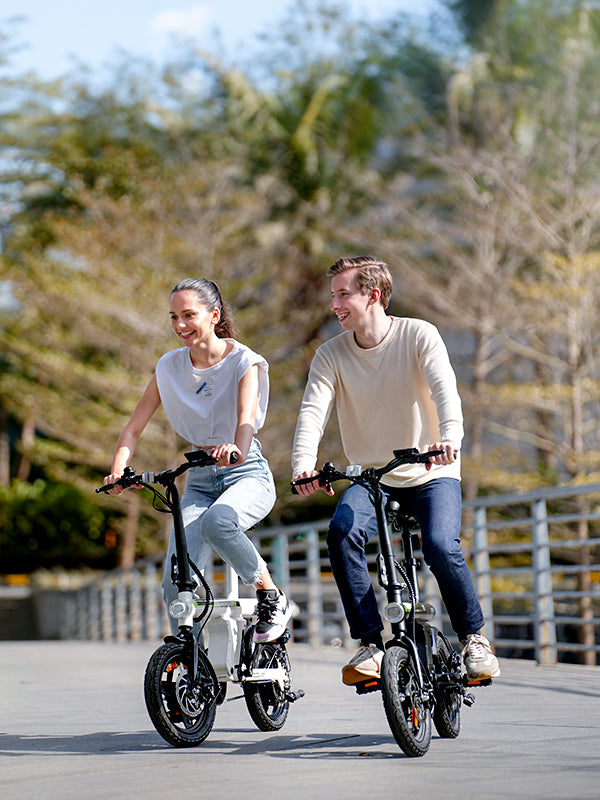
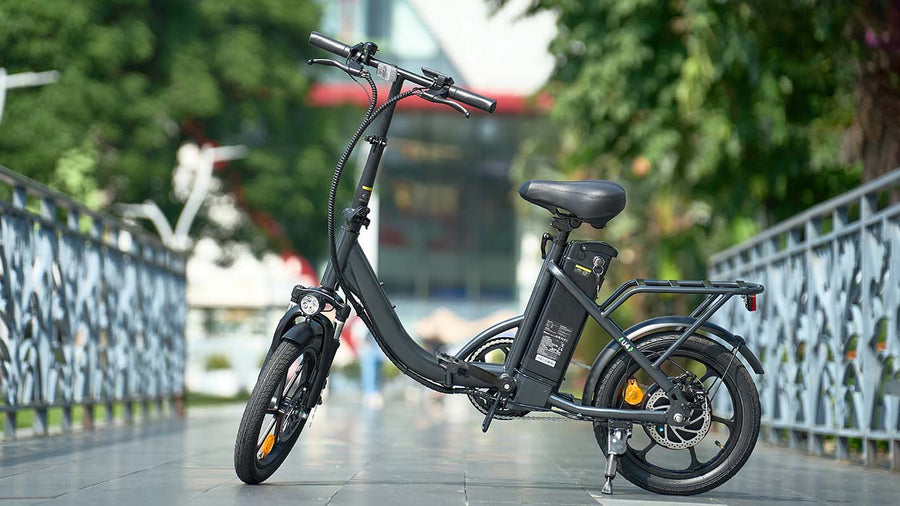
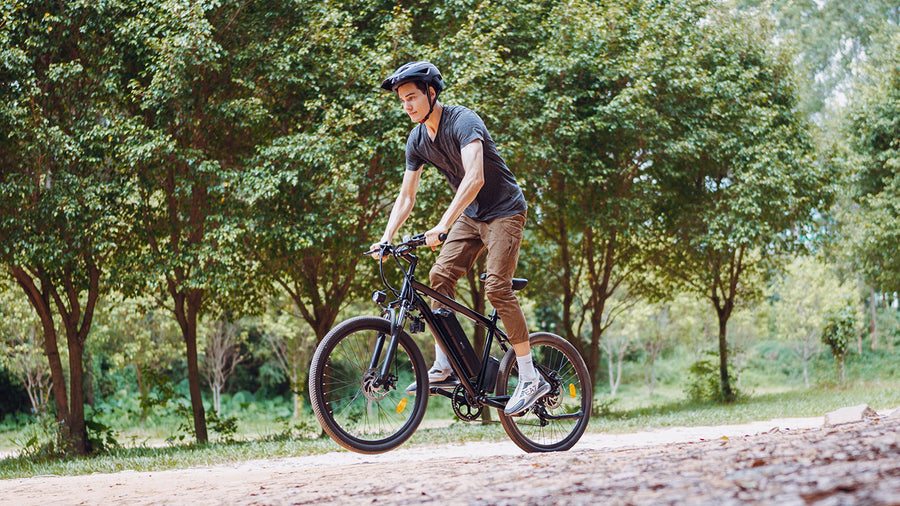
Pedal-assist e-bikes, also known as pedelecs, require the rider to pedal in order for the motor to engage. Sensors detect your pedaling motion and provide assistance proportional to the effort you put in. This makes it easier to maintain speed, climb hills, and travel longer distances without exhausting yourself. Pedal-assist e-bikes are ideal for riders who want a balance between exercise and convenience.
Throttle-Controlled E-Bikes
Throttle-controlled e-bikes feature a handlebar throttle that can power the bike without pedaling. This allows for a completely pedal-free ride when desired, though riders can still pedal to conserve battery or increase speed. Throttle e-bikes are perfect for those who want maximum flexibility or need extra help on longer commutes.
Understanding these types of e-bikes is key to knowing when pedaling is necessary and how each bike can suit different riding styles and needs.
Do You Have to Pedal an Electric Bike? Your Options Explained
Whether you need to pedal on an electric bike depends largely on the type of e-bike you own and your personal riding preferences. Understanding your options can help you get the most out of your ride while balancing convenience, exercise, and battery efficiency.
How Bike Type Determines Pedaling Necessity
Pedal-assist e-bikes require you to pedal in order to engage the motor. Without pedaling, the motor will not provide assistance, making pedaling essential for motion. On the other hand, throttle-controlled e-bikes allow riders to use the motor without pedaling. You can choose to pedal for extra exercise or rely entirely on the throttle for a more relaxed ride. Knowing your bike type helps you understand when pedaling is optional and when it is required.
Tips for Riders Choosing Between Pedaling or Throttle
When deciding whether to pedal or use the throttle, consider your goals and the ride conditions. Pedaling can extend battery life and provide health benefits, while using the throttle can save energy and make commuting easier. For longer rides or hilly terrain, combining both pedaling and throttle can optimize efficiency. Riders should also adjust the pedal-assist level if available, to match their desired balance of effort and assistance.
Regional Legal Considerations
It’s important to be aware of local laws regarding e-bike use. Some regions restrict throttle-controlled e-bikes or limit their speed and power. Pedal-assist e-bikes may have different regulations regarding maximum speed or where they can be ridden. Checking local rules ensures you remain compliant and safe while enjoying your e-bike.
Why Pedaling on an Electric Bike Is Important: Health, Battery, and Eco Benefits
Even though electric bikes provide motor assistance, choosing to pedal offers several important benefits. Pedaling can improve your health, extend your bike’s battery life, and reduce your environmental impact, making your rides more efficient and rewarding.
Health Benefits (Cardio and Muscle Engagement)
Pedaling on an e-bike gives you a low-impact cardiovascular workout while engaging major muscle groups in your legs and core. Unlike traditional biking, the motor assistance allows you to adjust the effort based on your fitness level, helping you build stamina and strength without overexertion. Even short rides can contribute to overall physical well-being.
Battery Range Extension
By pedaling along with motor assistance, you reduce the load on the battery, allowing it to last longer between charges. This means you can cover greater distances on a single charge and get the most out of your e-bike for commuting or leisure rides. Pedaling strategically, especially on hills or longer stretches, can significantly improve battery efficiency.
Reduced Environmental Impact
Using pedal power reduces the reliance on the electric motor, which in turn decreases energy consumption. By pedaling more, you minimize your carbon footprint and make your rides more eco-friendly. This small change not only benefits the environment but also helps you maintain a more sustainable riding routine.
Legal and Safety Considerations for Electric Bikes
Riding an electric bike comes with both fun and responsibility. Understanding the legal requirements and following safety practices ensures a secure and enjoyable experience. Knowing the rules for your region and taking the right precautions can prevent accidents and legal issues.
Local Laws Affecting Pedal-Assist vs Throttle E-Bikes
Different regions have varying regulations for e-bikes. Pedal-assist e-bikes are often subject to speed limits and age restrictions, while throttle-controlled models may face stricter rules or be limited to certain areas. Familiarizing yourself with local laws ensures your e-bike is compliant and safe to ride in your area.
Safety Recommendations (Helmets, Traffic Rules)
Regardless of your e-bike type, safety should always be a priority. Wearing a helmet, using lights, following traffic signals, and signaling turns are essential practices. Understanding how your e-bike handles at different speeds and on different terrains also helps prevent accidents.
Liability and Compliance
Being aware of liability issues is important for all riders. Accidents involving e-bikes can carry legal and financial consequences, especially if safety rules are ignored. Ensuring your e-bike meets regulatory standards, maintaining it properly, and riding responsibly minimizes risks and keeps you protected.
Conclusion
Whether you have to pedal an electric bike or not ultimately depends on the bike’s design and your personal riding style. Pedal-assist e-bikes encourage exercise while providing motor support, whereas throttle-controlled models let you ride with minimal effort. By understanding your options and considering factors like battery life, health benefits, and local regulations, you can enjoy a riding experience that fits your lifestyle. E-bikes offer flexibility, convenience, and eco-friendly transportation, making them a smart choice for both commuting and leisure.
FAQs
How Often Do You Have to Pedal an Electric Bike?
The frequency of pedaling on an electric bike depends on the type of e-bike you have. For pedal-assist models, you need to pedal whenever you want the motor to provide assistance. On throttle-controlled e-bikes, pedaling is optional—you can rely solely on the throttle for a pedal-free ride. However, pedaling occasionally can help extend battery life, improve your fitness, and give you more control, especially on hills or longer rides.
Can You Use an Electric Bike Without Pedaling in the UK?
In the UK, whether you can ride an electric bike without pedaling depends on the type of e-bike you have. Pedal-assist e-bikes require pedaling for the motor to provide assistance, so completely riding without pedaling is not possible. However, throttle-controlled e-bikes allow you to ride without pedaling, using the motor alone.
What Happens If I Ride My E-Bike Without Pedaling?
If you ride your e-bike without pedaling, the outcome depends on the type of bike. On pedal-assist models, the motor won’t engage, so you’ll need to pedal to move the bike. On throttle-controlled e-bikes, you can ride without pedaling, but relying solely on the motor may drain the battery faster. Pedaling occasionally helps conserve battery, provides some exercise, and can improve overall control and efficiency, especially on hills or longer rides.
Can Electric Bikes Be Ridden Manually?
Yes, most electric bikes can be ridden manually like a regular bicycle. Even if the battery runs out or the motor is turned off, you can still pedal the bike to reach your destination. Riding manually allows you to get exercise and ensures that your e-bike remains functional even when the motor isn’t in use, making it a versatile option for all types of riders.






Still, need help? Contact Us: support@ihoverboard.com
What's the option? Check out the option now!
Leave us a message