



















Best E-Scooter Helmets & Safety Gear for Commuters: Standard vs Full-Face
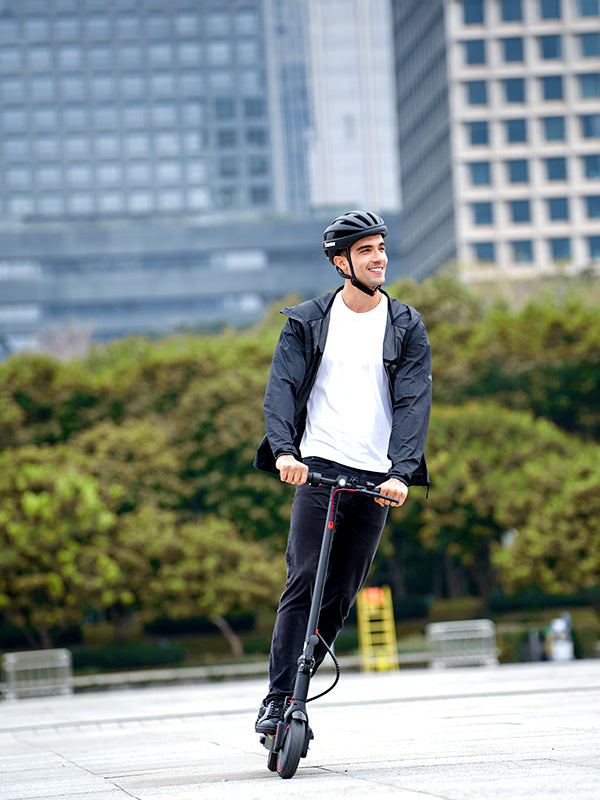
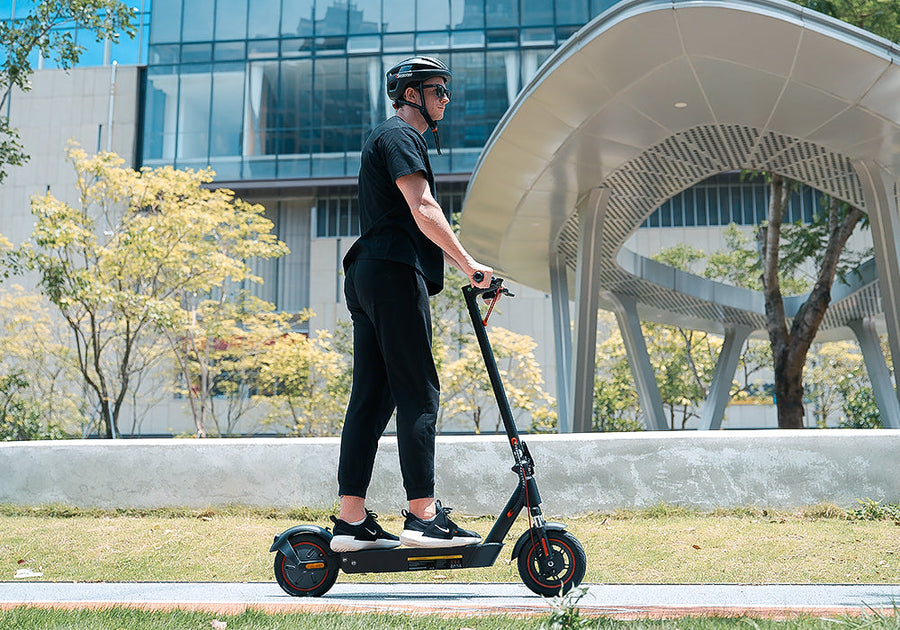
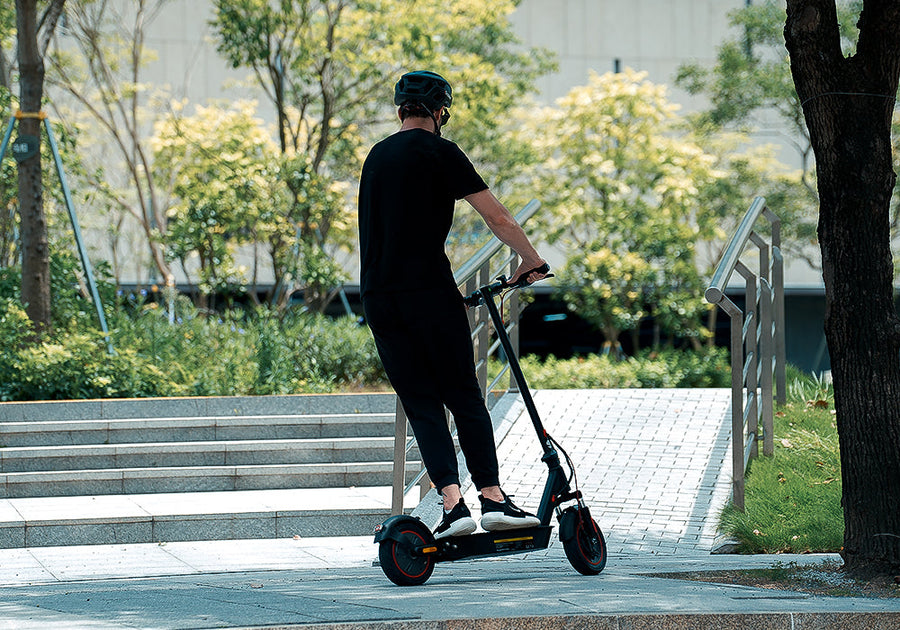
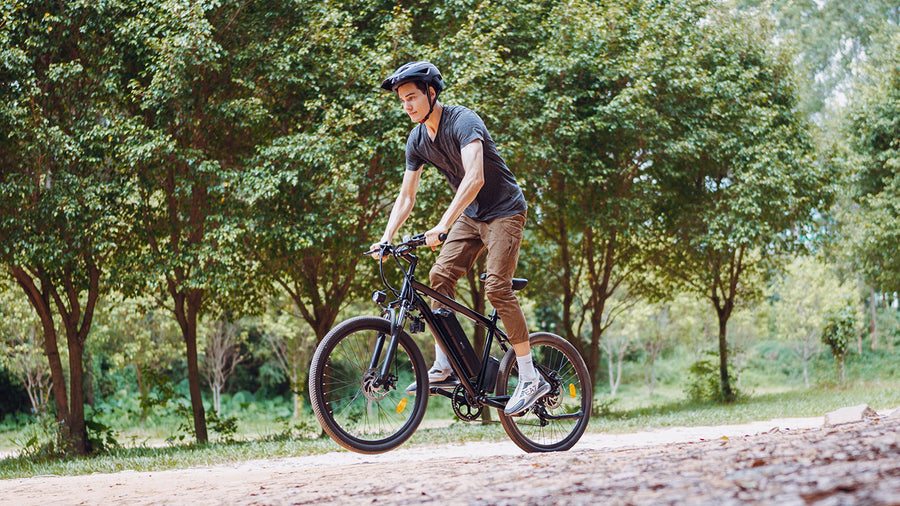
Navigating urban traffic on a standing electric scooter exposes riders to unique road hazards, unexpected surface bumps, and variable weather. Because e-scooters feature small pneumatic or solid wheels and a high rider center of gravity, selecting the best e scooter helmet for commuters alongside proper protective equipment is the single most effective way to prevent severe injury. This safety buyer's guide breaks down helmet designs, testing certifications, integrated lighting, and essential body armor to keep daily riders protected on every journey. Unlike bicycles, electric scooters position the rider standing upright over small 8- to 10-inch wheels. Sudden braking, potholes, or curb impacts create a leverage point around the front wheel, making forward pitch-over falls far more common than side low-side spills. Medical trauma data reveals that head, facial, and dental injuries account for a major portion of urban e-scooter emergency room visits. Standard cycling helmets protect the top and back of the head, but standing riders facing forward momentum often require broader temple, jaw, and chin protection. To understand how mechanical design and rider position impact overall stability, explore our comprehensive breakdown on are electric scooters safe. Choosing between an open-face commuter lid and a full face e scooter helmet comes down to top riding speed, traffic density, and personal comfort preference. Feature / Metric Standard Open-Face Bike Helmet Speed-Pedelec / NTA 8776 Helmet Full-Face Downhill / BMX Helmet Max Recommended Speed Up to 15.5 mph (25 km/h) Up to 28 mph (45 km/h) 15.5 to 30+ mph (25 to 50+ km/h) Facial & Jaw Protection None (Exposed chin & mouth) Extended temple & lower occipital Full chin bar & cheek protection Ventilation & Airflow Maximum cooling airflow Moderate airflow Lower airflow (High impact focus) Weight Ultra-light (250g – 350g) Lightweight (350g – 450g) Moderate (600g – 900g) Best Commute Profile Slow neighborhood & park paths Standard urban road commuting High-speed commuter routes & traffic Lightweight, open-face bike helmets provide excellent airflow and compact portability. They suit low-speed riders cruising below 15.5 mph on smooth, dedicated cycle lanes. However, they leave the chin, jawline, and facial teeth completely exposed in a forward fall. A lightweight downhill mountain bike or BMX-style full-face helmet incorporates an integrated chin bar. For riders operating high-power dual-motor scooters or sharing busy traffic lanes with cars, a full-face design absorbs impact forces across the entire jawline, dramatically reducing severe facial trauma. Every rider should verify that their chosen headwear passes rigorous third-party impact testing before hitting the pavement. Identifying a certified e scooter helmet safety standard ensures the EPS foam liner effectively dissipates impact forces. E-scooters sit low to the ground, and built-in deck lights often fail to fall within the direct line of sight of motor vehicle drivers. Upgrading to high visibility night riding gear elevates your visual profile to driver eye level. While head protection remains the top priority, comprehensive electric scooter protective gear guards the body's primary impact points during a spill. To master balance techniques, defensive positioning, and emergency braking methods that keep you upright, check out our step-by-step tutorial on how to ride an electric scooter step-by-step guide. No, wearing a helmet on an electric scooter or bicycle is not legally mandatory under UK law. The Highway Code strongly recommends wearing a properly fitted safety helmet conforming to current standards (such as CE EN1078), but riders face no police fines or legal penalties for riding without one. Yes, wearing a full-face helmet is strongly recommended if your e-scooter travels above 15 mph. At higher speeds, forward-pitch falls carry significantly higher kinetic energy, and a full-face chin bar provides crucial protection against facial, jaw, and dental trauma that standard bike helmets cannot prevent. Yes, smart helmets with integrated LED turn signals significantly improve night safety. Because taking one hand off an e-scooter handlebar to give physical hand signals can cause immediate loss of balance, handlebar-controlled helmet indicator lights allow you to signal turns clearly while keeping both hands securely on the grips.
Why Helmet Selection is Vital for E-Scooter Commuters
Standard Bicycle Helmets vs Full-Face Helmets: Which Do You Need?
Open-Face Bicycle Helmets
Full-Face Helmets
Key Safety Certifications to Look For (CE EN1078 Standard)
High-Visibility Gear & Lights for Safe Night Commuting
Essential Knee, Elbow, and Wrist Protection for Urban Riders
Frequently Asked Questions
Is it legally mandatory to wear a helmet on an e-scooter in the UK?
Should I wear a full-face helmet if my e-scooter goes over 15 mph?
Do smart helmets with built-in turn signals improve night safety?






Still, need help? Contact Us: support@ihoverboard.com
What's the option? Check out the option now!
Leave us a message