


















Best Cyclist Helmet 2026: Safety, Comfort & Smart Design
Best Cyclist Helmet 2026: Safety, Comfort & Smart Design
Choosing the best cyclist helmet in 2026 is about more than just meeting safety requirements—it’s about protecting your head while enjoying maximum comfort and smart, modern features. With more riders commuting, cycling in traffic, and using e-bikes, helmet performance has never been more important. In this guide, we break down what makes the best cyclist helmet stand out, helping you choose a reliable, well-designed option that keeps you safe and confident on every ride.
What Makes the Best Cyclist Helmet in 2026?
The best cyclist helmet in 2026 combines advanced safety, everyday comfort, and practical features designed for modern riding conditions. With more cyclists commuting and using e-bikes, helmets must offer reliable protection without sacrificing usability.
Safety remains the top priority. A high-quality cyclist helmet should meet recognised safety standards and use impact-absorbing materials to protect the head during collisions, especially at higher riding speeds.
Comfort and fit are equally important. The best cyclist helmet features an adjustable fit system, lightweight construction, and soft internal padding to ensure it stays secure and comfortable during long or daily rides.
Ventilation and visibility matter more than ever. Well-placed vents help regulate temperature, while integrated or reflective safety features improve visibility in low-light and urban environments.
Finally, durability and versatility define the best cyclist helmet in 2026. Riders need a helmet that performs consistently for commuting, leisure cycling, and e-bike use, offering dependable protection every time they ride.
Best Cyclist Helmet for Everyday & E-Bike Riders
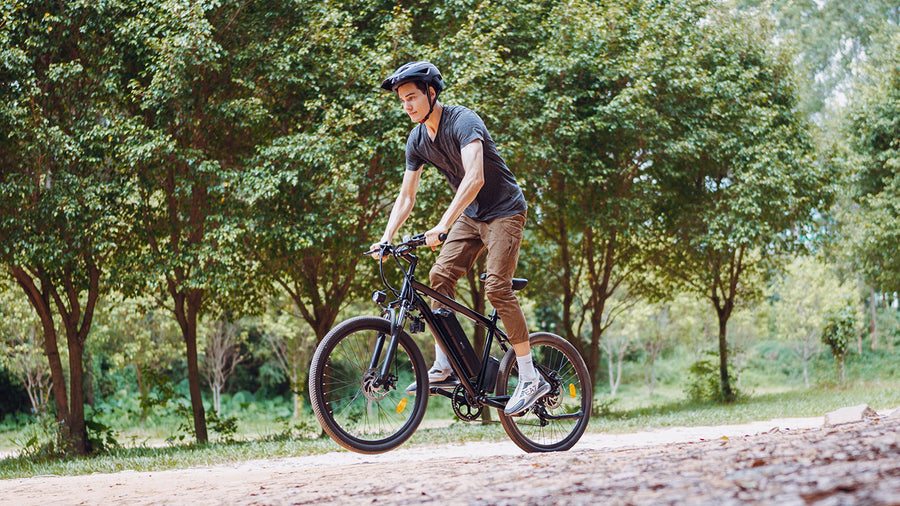
For riders who use their bikes for daily commuting, city errands, fitness rides, or e-bikes, the best cyclist helmet must strike a balance between safety, comfort, and practical features. Everyday riders need reliable protection that works in all conditions — from busy urban streets to rainy weather — without feeling heavy or restrictive. E-bike riders, in particular, often travel at higher speeds, making helmet quality even more important.
Why Everyday and E-Bike Riders Need a Great Helmet
Everyday cyclists spend extended time on the road. A helmet that fits poorly, lacks ventilation, or feels uncomfortable will likely be left behind, reducing safety. The best cyclist helmet for daily use should:
-
Provide consistent, certified protection in case of a fall
-
Fit securely without pressure points
-
Offer good airflow to prevent overheating
-
Be lightweight enough for all-day comfort
-
Include features that improve visibility and safety
For e-bike riders, these needs are amplified. E-bikes often reach faster speeds than traditional bikes, increasing the risk in traffic and reducing reaction time. Therefore, a helmet that combines robust protection and excellent comfort is essential.
Key Features Everyday & E-Bike Riders Should Look For
1. Adjustable Fit System
An easy-to-use adjustment dial or strap system ensures the helmet stays snug during movement and can be quickly adapted for different head sizes or with accessories like caps.
2. Ventilation for Comfort
Good airflow helps keep your head cool on longer rides or during warmer weather. This reduces fatigue and makes commuting or fitness rides more enjoyable.
3. Visibility Enhancers
Integrated lights or reflective elements boost visibility to other road users in low-light conditions, dusk, or early morning rides — a major benefit for daily commuters and urban cyclists.
4. Durable and Lightweight Build
A balance between strength and weight ensures the helmet protects you effectively without causing neck strain or discomfort over time. Lightweight designs also improve overall ride feel.
The Ideal Everyday & E-Bike Helmet: iScooter Protective Ebike Helmet
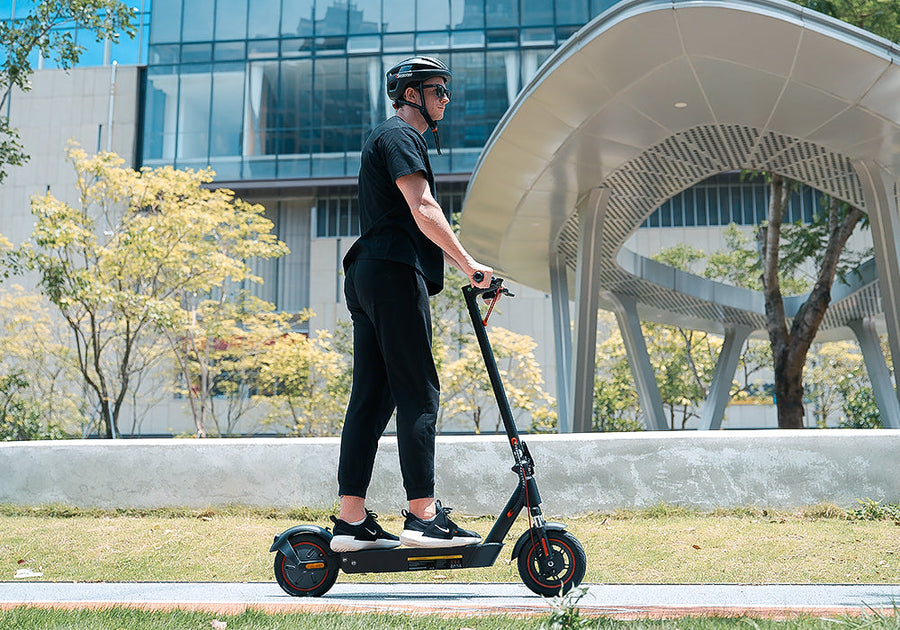
The iScooter Protective Ebike Helmet from iHoverboard is designed specifically with everyday and e-bike riders in mind. It stands out as a top choice for the best cyclist helmet in 2026 because it delivers on all the features daily riders care about:
-
Adjustable head circumference (57–62cm) for a secure, customizable fit
-
Eco-friendly vegan leather straps that feel comfortable and durable
-
Rechargeable tail light for improved visibility in city traffic
-
Sturdy build quality without unnecessary weight
-
A sleek design that combines protection with everyday usability
Who Should Choose This Cyclist Helmet?
The best cyclist helmet should match how and where you ride. This helmet is ideal for riders who want dependable protection, everyday comfort, and added visibility.
Daily commuters will appreciate the secure fit, lightweight feel, and integrated rear light that improves safety in traffic and low-light conditions.
E-bike riders benefit from enhanced protection and visibility, especially when riding at higher speeds in urban environments.
Urban and city cyclists who ride regularly will value the adjustable fit and comfortable straps for longer or repeated journeys.
Recreational riders looking for a reliable, easy-to-wear helmet for casual rides will also find it a practical choice.
If you prioritise comfort, visibility, and safety in one design, this helmet fits the needs of modern riders seeking the best cyclist helmet for everyday use.
Safety First – Why Helmet Protection Is Non-Negotiable
When choosing the best cyclist helmet, safety should always come before style or price. A cyclist helmet is designed to protect the most vulnerable part of the body — your head — and wearing one can significantly reduce the risk of serious injury in the event of an accident.
Modern cycling involves more shared roads, heavier traffic, and higher speeds, especially for e-bike riders. This makes reliable helmet protection essential, not optional. The best cyclist helmet is built to absorb impact energy, reduce the force transferred to the head, and help prevent life-changing injuries during falls or collisions.
Certified safety standards play a crucial role. A properly tested helmet is engineered to withstand impact, maintain structural integrity, and stay securely in place during a crash. Without a helmet, even a low-speed fall can result in severe head trauma.
Helmet protection is also about consistency. A comfortable, well-fitting helmet is more likely to be worn on every ride, which directly improves rider safety. Features such as secure adjustment systems and durable construction ensure the helmet performs when it matters most.
In short, the best cyclist helmet is non-negotiable because it provides peace of mind, protects against unpredictable road conditions, and allows cyclists to ride with confidence — whether commuting daily, riding in the city, or using an e-bike.
When Should You Replace Your Cyclist Helmet?
Even the best cyclist helmet does not last forever. Knowing when to replace your helmet is essential for maintaining the level of protection it is designed to provide. A helmet may look fine on the outside while its protective ability has already been compromised.
Replace your cyclist helmet immediately after any impact. If you are involved in a fall or collision and your head hits the ground, the internal protective structure of the helmet absorbs the force. This damage is often invisible, but it reduces the helmet’s ability to protect you in a future accident.
Age and wear also matter. Over time, exposure to sunlight, sweat, temperature changes, and everyday knocks can weaken the materials inside the helmet. Most manufacturers recommend replacing a cyclist helmet every three to five years, even if it has not been involved in a crash.
Visible signs of damage are another clear indicator. Cracks, dents, loose straps, or worn padding all mean your helmet may no longer fit correctly or provide full protection.
To ensure maximum safety, always store your helmet properly, avoid dropping it, and inspect it regularly. Replacing your helmet at the right time ensures you continue riding with the protection expected from the best cyclist helmet, giving you confidence on every journey.
Conclusion
Choosing the best cyclist helmet is one of the most important decisions any rider can make. A high-quality helmet protects your head, improves visibility on the road, and ensures long-lasting comfort for everyday cycling and e-bike riding.
By focusing on essential factors such as safety certification, proper fit, ventilation, and practical features, riders can confidently select a helmet that meets modern cycling demands. Regular inspection and timely replacement also play a key role in maintaining maximum protection.
Whether you ride daily, commute through the city, or use an e-bike, investing in the best cyclist helmet offers peace of mind and reliable protection every time you ride. Safety should never be optional — and the right helmet makes all the difference.
FAQs
What is the best cyclist helmet for everyday riding?
The best cyclist helmet for everyday riding is one that offers certified safety protection, a comfortable adjustable fit, good ventilation, and visibility features. For daily commuters and urban riders, helmets with built-in lights and lightweight designs are especially popular because they improve safety without sacrificing comfort.
Do I really need a helmet when cycling short distances?
Yes, wearing the best cyclist helmet is important even for short rides. Many cycling accidents happen close to home and at lower speeds. A helmet helps protect your head from unexpected falls, road hazards, or collisions, making it essential for all types of cycling.
How do I know if a cyclist helmet fits properly?
A properly fitting best cyclist helmet should sit level on your head, feel snug without pressure points, and not move when you shake your head. Adjustable straps and a sizing system help ensure the helmet stays secure and comfortable throughout your ride.
How often should you replace the best cyclist helmet?
The best cyclist helmet should be replaced immediately after any crash or impact. Even without an accident, most helmets should be replaced every three to five years due to material wear from sunlight, sweat, and regular use.





Still, need help? Contact Us: support@ihoverboard.com
What's the option? Check out the option now!
Leave us a message