


















What Is the Official Hoverboard Recommended Age for Young Riders?
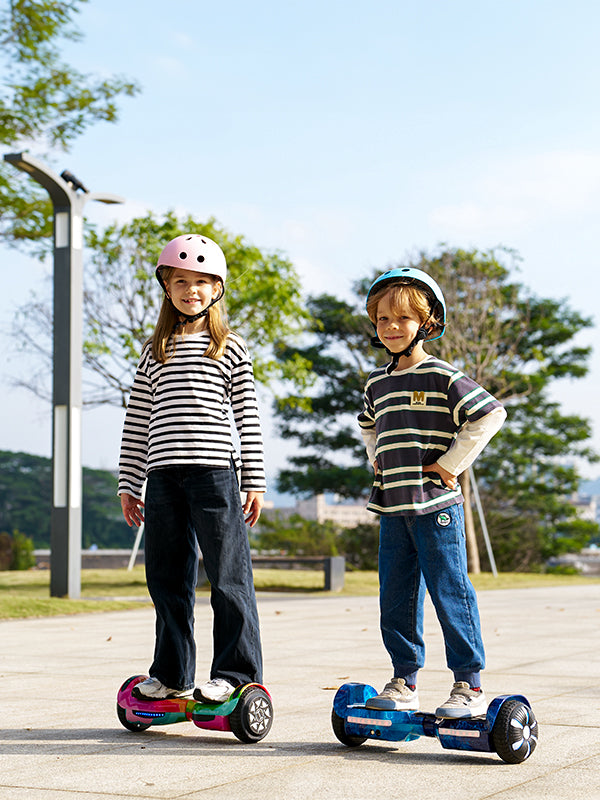
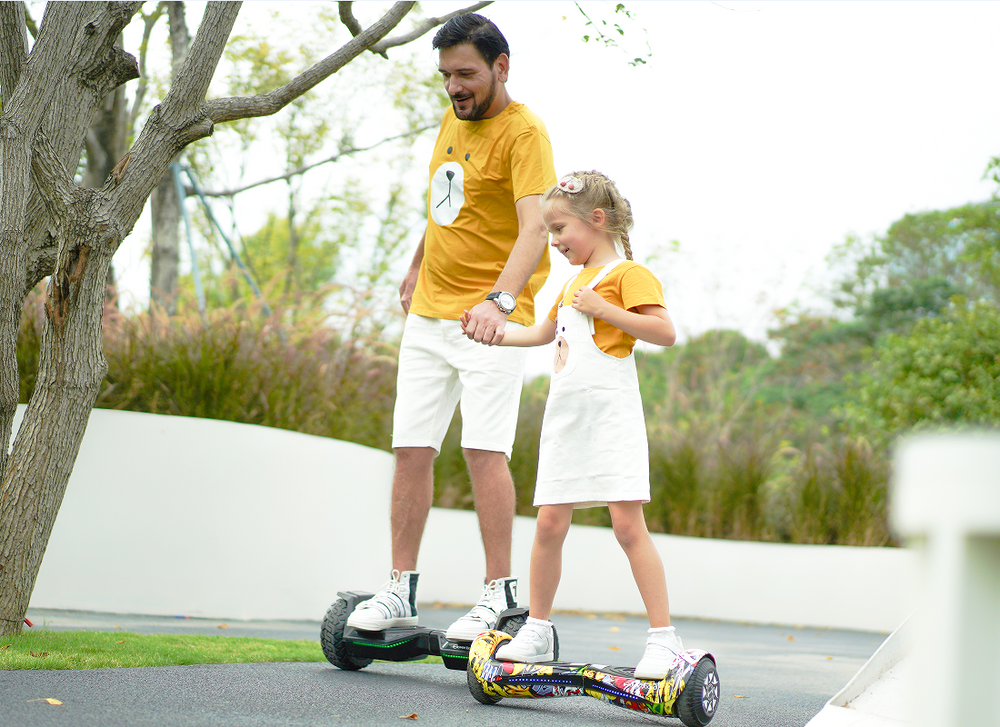
Hoverboards have quickly become one of the most popular motorized toys for children, offering an exciting way to develop coordination, balance, and outdoor play habits. However, before purchasing a board for a young child, most parents find themselves asking: what age is appropriate for a self-balancing board, and what is the official minimum age for hoverboards? While manufacturers often specify a general hoverboard recommended age—typically starting around 6 years old for compact 6.5-inch models—age is only one piece of the puzzle. Evaluating physical readiness, body weight, motor limits, and balance skills is essential to ensuring a safe, enjoyable riding experience. In this guide, we break down how to assess child readiness, compare wheel sizes and motor speeds across age groups, answer whether hoverboard age 6 is safe for compact models, and outline fundamental safety practices for beginners. When determining the best age for a hoverboard, physical developmental milestones matter far more than the number on a birthday card. Parents should evaluate three primary readiness factors before letting a young rider step onto a deck: If your child meets the weight requirement and demonstrates good motor control, they are likely ready to begin learning on an entry-level hoverboard age appropriate model. Choosing the right board configuration prevents young riders from feeling overwhelmed by excessive speed or heavy machinery. Matching wheel size and motor strength to your child’s age group ensures manageable handling: Age Group Recommended Wheel Size Ideal Speed Range Top iHoverboard Recommendations Ages 6 to 9 6.5-Inch Solid Rubber Tires 5 – 6.8 mph (8 – 11 km/h) Ages 9 to 12 6.5-Inch to 8-Inch Tires 6.2 – 7.5 mph (10 – 12 km/h) Teens & Adults 8.5-Inch All-Terrain Tires 7.5 – 9 mph (12 – 15 km/h) For young beginners, 6.5-inch compact wheels offer a low center of gravity, making mounting and dismounting straightforward. Models like the iHoverboard H1 feature dual 350W hub motors capped at a manageable 6.8 mph, giving young kids plenty of excitement without unsafe top-end speeds. Step-up options like the iHoverboard H2 feature multi-stage speed modes (Beginner, Skilled, and Master), allowing parents to lock lower speed limits until the rider builds confidence. A common question among parents shopping for early primary school children is: Is 6 years old too young for a self-balancing board? The answer is generally no—age 6 is widely recognized as the standard starting age for hover board riding, provided the child rides a compact 6.5-inch board with self-leveling tech. As long as a 6-year-old rider meets the minimum 20 kg (44 lbs) weight requirement and wears full protective gear, a 6.5-inch compact hoverboard offers a safe, accessible introduction. Regardless of your child's age, initial training and proper protective gear are non-negotiable for preventing minor scrapes and tumbles during the learning curve. Determining the ideal hoverboard recommended age comes down to matching your child's physical weight and balance readiness with the right board specifications. For young riders aged 6 and up, compact 6.5-inch boards like the iHoverboard H1 and iHoverboard H2 deliver the perfect balance of speed control, self-leveling stability, and lightweight handling. By equipping your child with complete protective gear, setting lower speed modes, and supervising early practice sessions, your young rider will enjoy a fun, safe, and confidence-boosting ride. Ready to pick out the perfect first ride for your child? Explore our official selection of certified kids hoverboards today! Yes, a 6-year-old child can safely ride a 6.5-inch compact hoverboard, provided they meet the minimum weight limit (typically 20 kg / 44 lbs), wear full protective gear (helmet, wrist guards, knee/elbow pads), and ride under adult supervision on flat surfaces. Compact models like the iHoverboard H1 are specifically engineered for young beginners. Always start a child in Beginner Mode (available on models like the iHoverboard H2), which restricts top speed to approximately 5 mph (8 km/h) and dampens motor responsiveness. This allows young riders to master steering, balancing, and stopping smoothly before unlocking higher speed settings. Most children master the basics of mounting, steering, and stopping on a hoverboard within 10 to 30 minutes of practice. Thanks to automatic self-balancing gyroscopic sensors on models like the iHoverboard H1 and H2, the board remains level when powered on, making the learning curve very intuitive for first-time riders.
How to Assess Balance, Weight, and Readiness in Kids
Matching Motor Speeds and Wheel Diameters to Age Groups
Is Age 6 Too Young to Safely Ride a Compact Board?
Why 6.5-Inch Models Work Great for 6-Year-Olds
Adult Supervision and Safe Riding Practices for Beginners
Essential Safety Gear
Step-by-Step Training Protocol
Conclusion
Frequently Asked Questions
Can a 6-year-old child safely ride a 6.5-inch compact hoverboard?
What speed mode is best when introducing a child to their first ride?
How long does it typically take for a young child to learn how to ride a hoverboard?





Still, need help? Contact Us: support@ihoverboard.com
What's the option? Check out the option now!
Leave us a message