


















The Busy Parent's Safety Checklist for Buying a Hoverboard for Kid | iHoverboard
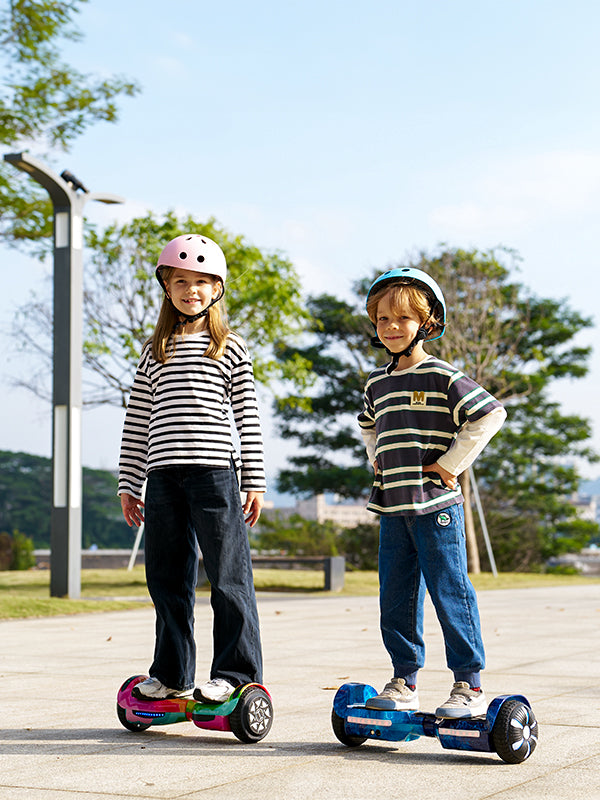
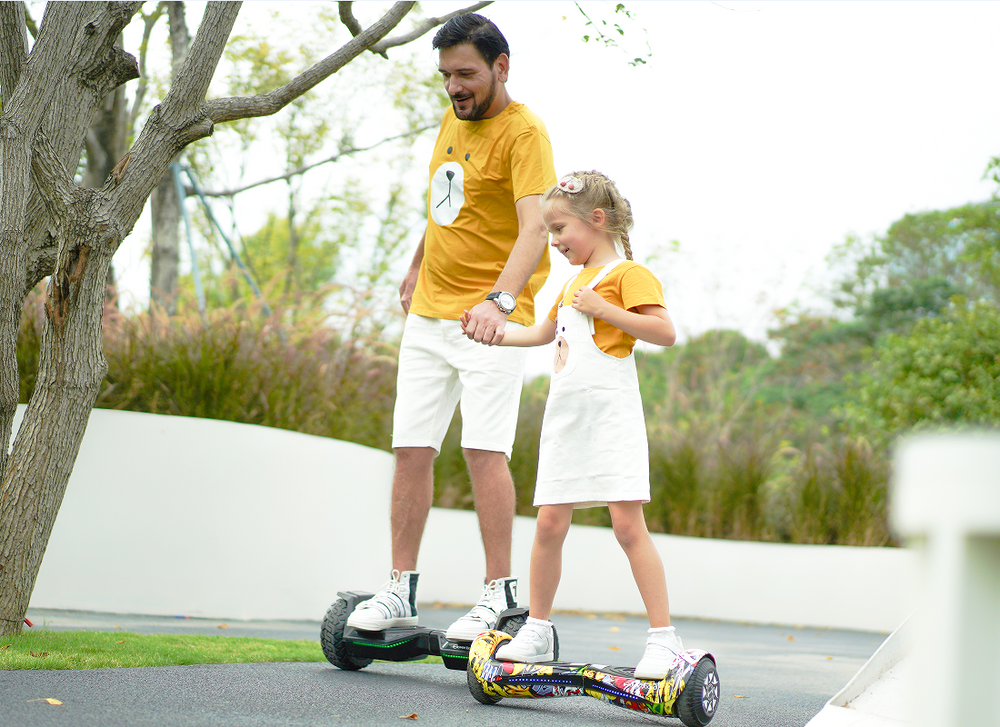
Before you look at a board's color options or built-in speaker systems, you must inspect its core electrical certifications. A safe children's self-balancing hoverboard must carry official CE safety badges prominently displayed in its manual or product specifications. These strict independent certifications guarantee that the internal lithium-ion battery pack and charging circuits have been rigorously tested against overheating or short circuits. Additionally, look for wide, textured anti-slip footpads that give small trainers a firm grip, reducing accidental slips when mounting the deck. Having tested dozens of these boards over the years, I can tell you that build quality is something you notice the second you pick the machine up out of the box. A flimsy, lightweight plastic shell will crack the first time your child bumps into a concrete garden border. Look for boards made with an aircraft-grade aluminum alloy frame wrapped in a high-impact polymer shell. This construction adds a bit of weight, which actually helps lower the center of gravity, making the board vastly more stable under a child's feet. Sifting through countless holiday listings requires clear age-appropriate targeting to protect your little ones from overpowered hardware. The best hoverboard for kids is never the fastest model on the shelf; it is the one that prioritizes adaptive gyroscopic leveling. If you are comparing options for intermediate riders, you will want to target specialized boards that offer 6.5-inch solid tires for steady curb crossings and predictable deceleration curves. Reading through real-world trial updates on iHoverboard News can prevent you from purchasing an adult-sized machine that is far too heavy and non-responsive for a growing child to control safely. When assessing performance, the size of the motor directly dictates how the board handles incline variations and rider weight transitions. For young kids, a dual 250W motor setup (providing 500W of total output) is the absolute sweet spot. It offers more than enough torque to smoothly cruise over backyard turf or paved driveway seams without creating aggressive, jerky acceleration spurts that throw a child off balance. As young children learn to coordinate their balance, speed control becomes your strongest defense against nasty sidewalk spills. A lightweight self-balancing board should always feature a soft-start power profile that prevents the board from jerking forward unexpectedly. When hunting down stable options for younger riders, make sure the machine features mechanical restrictions or digital limiters capping the velocity around 6 mph to 7.5 mph. Securing a reliable ride means choosing a board designed to sound an audible alert and gently tilt back the footpads if your enthusiastic child attempts to push past a safe, manageable cruising pace. From first-hand coaching experience, the "tilt-back" safety feature is arguably the most critical component on the entire machine. When a child approaches the maximum speed threshold, cheaper uncertified boards will simply shut down or cut power abruptly a recipe for an instant forward tumble. Premium boards use an intelligent resistance algorithm that pushes the front edge of the footpads up slightly, naturally forcing the rider to shift their weight backward and slow down safely. If you want to skip the guesswork and secure a fully certified model immediately, iHoverboard offers an exceptional children's lineup built with comprehensive safety guardrails. Their entry-level models feature automatic self-leveling tech that stabilizes the deck the instant it powers up, giving young learners a rock-solid platform to step onto. You can browse the iHoverboard Collections to find lightweight, durable builds equipped with bright, high-visibility LED path lighting and puncture-proof rubber tires. By pairing strict UKCA electrical compliance with resilient, shock-absorbing frame construction, iHoverboard makes it simple for busy parents to purchase with absolute peace of mind. What sets this specific lineup apart is the integration of visual safety cues. The bright, color-shifting LED wheels and fender lights aren't just there to look cool—though your kids will definitely argue otherwise. From a parenting perspective, those high-output LEDs drastically increase your child's visibility during overcast British afternoons, allowing neighbors and cyclists to spot them from a distance. Before your child steps onto a hoverboard for the very first time, establish a rigid set of ground rules that keeps outdoor play stress-free: Step 1: Set Up on Level Floor Turn the board completely off. Place it on a hard, perfectly flat surface like tile or wood laminate. Adjust both deck footpads until they sit perfectly parallel to each other and flush with the floor. Step 2: Trigger the Motherboard Flash Press and hold down the physical power button for 5 to 10 seconds. Release it once you hear a continuous beep or notice the front LED pathways blinking rhythmically. Let the board rest undisturbed for 30 seconds while the internal sensors re-map their baseline data. Step 3: Cycle Power and Ride Press the power button once more to shut down the unit completely, saving the memory profiles. Turn the power back on, step up from the rear edge, and verify that the auto-balancing processor reacts evenly under foot shifts. Protecting your children while letting them explore the outdoors comes down to choosing smart, age-appropriate engineering over unverified clearance deals. By checking for official CE battery certifications, choosing a stable 6.5-inch wheel diameter, and prioritizing built-in speed limitations, you transform a potentially stressful toy into a safe, confidence-building outdoor hobby. You don't have to spend a fortune or lose hours researching to find a secure, durable machine that your family can trust. Investing in a dedicated children's brand that backs their hardware with real UK warranties and local customer service makes all the difference. When your child is equipped with a high-quality, self-balancing system and a complete set of safety gear, you can sit back and relax on the park bench, knowing they are developing great core motor skills while safely enjoying the absolute thrill of modern outdoor play. Consider exploring the highly rated, certified children's designs available today to set your little explorer up for a safe, unforgettable journey. While many standard hoverboards state a general baseline of 8 years and older due to the motor coordination required, children as young as 6 can successfully learn on highly specialized, lower-powered entry models. The real deciding factor isn't necessarily the precise birthdate, but whether the child meets the minimum weight requirement (typically around 20kg or 44lbs) necessary to fully compress the internal pressure sensors underneath the rubber footpads. The iHoverboard H1 series is widely regarded as one of the absolute best options for young British riders. It masterfully hits the ideal balance between safety, build durability, and price. It features a reliable 500W dual-motor layout, a capped, kid-safe top speed of 7.5 mph, robust 6.5-inch puncture-proof solid rubber tires, and a built-in Bluetooth speaker to keep rides highly engaging and fun. Yes, a 7-year-old can absolutely use a hoverboard, provided the board features a dedicated "beginner" or "training" mode that dampens steering sensitivity. For a 7-year-old, you should strictly avoid heavy, oversized 8.5-inch off-road models, as smaller riders lack the physical leg leverage and body weight to turn larger frames comfortably. Stick to a lightweight 6.5-inch platform and ensure they are fully outfitted in protective padding.Safety Metrics for Picking a Hoverboard for Kids This Season
Side-by-Side: Finding the Absolute Best Hoverboard for Kids Safely
Age-Appropriate Speed Limiters for a Kiddie Hoverboard Base
Why iHoverboard's Kids Collection Rules the UK Market
Essential Real-World Riding Rules for Families
Technical Troubleshooting: Quick Calibration Check
Final Words: Setting Your Little Explorer Up for a Safe Ride
Frequently Asked Questions
What age should a kid get a hoverboard?
What is the best hoverboard for kids UK?
Can a 7 year old use a hoverboard?




Still, need help? Contact Us: support@ihoverboard.com
What's the option? Check out the option now!
Leave us a message