





















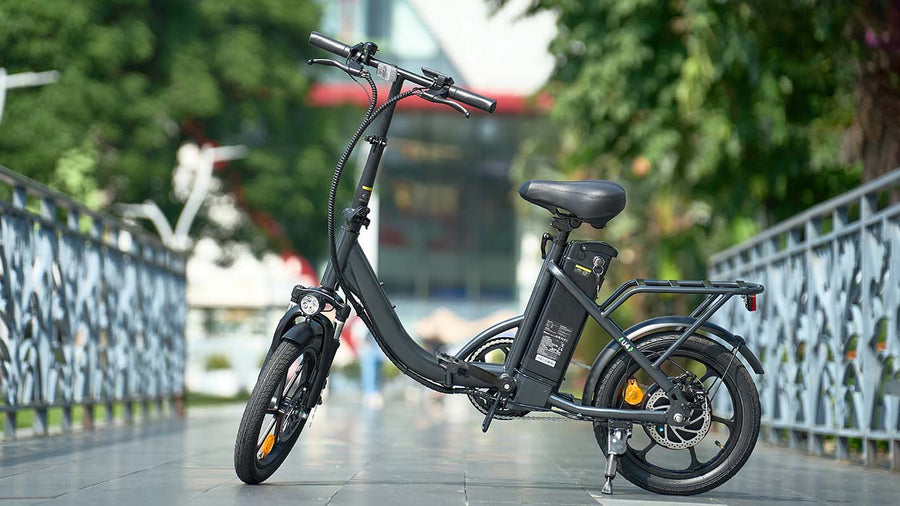
![How to Derestrict Electric Bike Safely [Complete Guide]](http://www.ihoverboard.co.uk/cdn/shop/articles/iscooter_u4_ebike_8_{width}x.jpg?v=1772688055)
How to Derestrict Electric Bike Safely [Complete Guide]
How to Derestrict Electric Bike Safely [Complete Guide]
Derestricting an electric bike allows your motor to continue assisting you beyond the standard speed limit, giving you a smoother and faster ride when you need it. While the process is popular among e-bike enthusiasts, it’s important to understand the safest methods, legal considerations, and warranty implications. In this complete guide, we’ll explore how to derestrict electric bike safely, focusing on practical tips and iHoverboard solutions. Whether you’re a casual rider or a seasoned cyclist, this guide helps you make informed choices for a better riding experience.
What Is Electric Bike Derestriction and Why It Matters
Electric bike derestriction is the process of removing the speed limit imposed by law or the manufacturer on your e-bike’s pedal-assist system. In most countries, including the UK, EU, and Australia, Class 1 electric bikes are limited to 25 km/h (15.5 mph). In the USA, the limit is 20 mph (32 km/h). These limits are not due to technical restrictions—they’re legal regulations designed to keep electric bikes classified as standard bicycles.
Why E-Bikes Are Restricted
-
Legal compliance: Manufacturers must adhere to speed regulations to classify their bikes as regular bicycles.
-
Safety concerns: The speed limit helps reduce the risk of accidents, especially in pedestrian-heavy areas.
-
Insurance simplicity: Restricted e-bikes don’t require registration or special insurance, making them easier to own.
What Derestriction Actually Does
Derestriction does not increase your motor’s power or make your bike accelerate faster. Instead, it allows the motor to continue assisting you beyond the standard speed limit, so you won’t feel sudden power cuts while pedaling.
-
Normal riding: Your bike assists up to 25 km/h (15.5 mph).
-
After derestriction: Assistance continues even if you pedal faster, up to the motor’s natural capability.
Key Misconceptions
-
“It will ruin my motor” – False. Proper derestriction only removes the speed ceiling; it does not overwork your motor.
-
“I’ll go dangerously fast” – False. You control your speed. Derestriction simply lets you continue pedaling without assistance cutting off.
Benefits of Derestriction
-
Smooth, uninterrupted pedal-assist at higher speeds.
-
Better riding experience on open roads or private land.
-
Full control over your riding speed without altering motor performance.
By understanding what derestriction actually does, riders can make informed decisions and enjoy safe, optimized performance on their iHoverboard electric bikes.
Methods to Derestrict Your Electric Bike
There are several ways to derestrict an electric bike, depending on the technology of your e-bike and how hands-on you want to be. These methods generally fall into three categories: mechanical, electronic, and software/app-based solutions. Each has its advantages, limitations, and safety considerations, especially for iHoverboard bikes.
1. Mechanical Derestriction Devices
Mechanical devices work by tricking the motor’s speed sensor into thinking the bike is moving slower than it actually is.
-
How it works: A planetary gear or similar mechanism is installed on the rear wheel to reduce the rotation signal sent to the motor. For example, at a real-world speed of 25 km/h, the motor may think you’re going only 8 km/h.
-
Pros:
-
Simple concept, does not require software changes.
-
Can give a noticeable boost in speed while pedaling.
-
Cons:
-
Compatibility issues: some bike frames, brake rotors, or hubs may not allow installation.
-
Certain motor brands may detect mechanical devices and trigger errors or limit performance.
Tip: Mechanical derestriction works best on iHoverboard e-bikes when paired with motors and hubs designed to accommodate aftermarket devices.
2. Electronic Derestriction Devices
Electronic devices connect to your bike’s speed sensor and motor to provide false speed readings to the motor.
-
Primitive electronic devices:
-
Usually connect between the motor and speed sensor with one or two cables.
-
Lie to the motor once you approach the speed limit, keeping assistance active.
-
Limitation: Cannot account for pedal cadence or gear changes, which can trigger motor errors on modern systems.
-
Advanced electronic devices (Next-Gen / iHoverboard solutions):
-
Connect to the motor, speed sensor, and sometimes the display.
-
Provide accurate speed and distance readings on the handlebar while keeping the motor assisting above the legal limit.
-
Often include Bluetooth or firmware update capabilities, so your derestriction device stays compatible with new motor software updates.
-
Pros:
-
More precise, safer, and less likely to trigger motor errors.
-
Maintains display accuracy for speed and distance.
-
Cons:
-
Slightly more expensive than primitive devices.
-
Installation may be more involved than mechanical options.
Tip: For iHoverboard riders, using advanced electronic devices ensures smooth performance and future-proof compatibility.
3. Software or App-Based Derestriction
Some modern e-bikes allow derestriction through apps or PC software, without needing any physical devices.
-
How it works:
-
Connect the bike via Bluetooth or a cable.
-
Adjust the speed limit directly in the motor’s firmware using an official or third-party application.
-
Pros:
-
No installation of chips or mechanical components.
-
Precise speed control and clean installation.
-
Can often revert to factory settings if needed for warranty or servicing.
-
Cons:
-
Requires technical knowledge and familiarity with apps, firmware, and sometimes command-line tools.
-
May involve costs for software licenses or specialized hardware interfaces.
Tip: While app-based derestriction can be elegant, for most iHoverboard riders, plug-and-play electronic devices offer a more user-friendly and less technical solution.
Choosing the Right Method
-
Mechanical devices are simple but can be limited by bike design.
-
Electronic devices provide reliable, consistent assistance above the speed limit, with minimal risk of errors.
-
App/software solutions are elegant but require technical skill and sometimes additional hardware.
For iHoverboard electric bikes, advanced electronic devices often provide the best balance of ease, safety, and long-term compatibility.
Safety, Legal, and Warranty Considerations
When derestricting your electric bike, it’s not just about going faster—it’s also about understanding the risks, legal responsibilities, and effects on your warranty. Being informed ensures that you stay safe and avoid unnecessary fines or damage.
1. Safety Considerations
Even after derestriction, your bike’s motor power does not increase, only the assistance continues beyond the original speed limit. Still, higher speeds require more caution.
-
Ride within your skill level: Just because the bike can assist beyond 25 km/h doesn’t mean you should push it to the maximum immediately.
-
Braking distance: At higher speeds, stopping requires more distance. Always ensure brakes are in top condition.
-
Protective gear: Helmets, gloves, and reflective clothing are essential to reduce injury risk.
-
Environment awareness: Be extra cautious in crowded areas, trails, or urban streets. Derestriction is safer on open roads or private land.
Tip: For iHoverboard riders, familiarizing yourself with how your bike handles at higher speeds is the most important safety measure.
2. Legal Considerations
Derestricting an electric bike does not make it legal to ride faster than your region’s speed limit on public roads. Laws vary by country, so it’s important to know the rules:
-
Public road restrictions: In most countries, riding above 25 km/h (EU/UK/Australia) or 20 mph (USA) is illegal.
-
Private property usage: Derestriction is safest and legally acceptable when used on private land or closed circuits.
-
Liability: If you are involved in an accident while riding derestricted, you may be liable for damages. Legal consequences are your responsibility.
Tip: Keep your derestricted iHoverboard bike on private property or controlled environments to minimize legal risks.
3. Warranty Considerations
Installing derestriction devices or modifying your e-bike can affect your warranty. Key points:
-
Mechanical devices: Some manufacturers may consider these modifications as tampering, potentially voiding warranty claims on the motor or controller.
-
Electronic devices: Advanced plug-and-play devices are generally safer, but any detected tampering could still trigger warranty limitations.
-
Software/app solutions: Modifying motor firmware through apps can void the warranty if changes are detected during servicing.
Tip: Always check your bike’s warranty terms. For iHoverboard bikes, using certified advanced electronic derestriction devices is usually the safest option to reduce risk of warranty issues.
4. Best Practices for Safe Derestriction
-
Start slowly: Test the derestricted bike at moderate speeds before pushing to higher speeds.
-
Monitor your system: Keep an eye on error codes, unusual noises, or changes in motor behavior.
-
Stay informed: Update your derestriction device firmware if available to maintain compatibility and prevent errors.
-
Respect laws and others: Even if the bike can go faster, consider other road users and trail users.
Summary: Safety, legal compliance, and warranty awareness are just as important as the derestriction itself. Following these best practices ensures that your iHoverboard bike remains reliable, safe, and enjoyable.
Choosing the Right iHoverboard Derestriction Method
Selecting the right derestriction method for your iHoverboard electric bike can seem complicated, but breaking it down into types, pros and cons, and user scenarios makes it easier. Your choice depends on your technical comfort, bike model, and how you plan to ride.
1. Mechanical Derestriction Devices
Mechanical devices are installed directly on the rear wheel and work by tricking the motor into reading a slower speed, allowing the motor to assist beyond the standard limit.
Pros:
-
Reliable: Once installed, they consistently remove the speed limit.
-
Non-intrusive to software: No changes to firmware or motor settings.
Cons:
-
Installation required: May need technical skills or a professional.
-
Compatibility: Not all iHoverboard models allow space for mechanical devices.
-
Limited adjustment: Speed increase is fixed by gear ratios of the device.
Best for: Riders who prefer a hardware solution and don’t want to modify motor software.
2. Electronic Derestriction Devices
Electronic devices sit between the speed sensor and motor, or in advanced models, between the sensor, motor, and display. They send “false” speed readings to the motor so it continues to assist above the speed limit.
Types:
-
Primitive devices: Only intercept speed sensor data.
-
Simple plug-and-play installation.
-
May show incorrect distance or speed on the display.
-
Advanced devices: Intercept both speed sensor and motor communication.
-
Maintains accurate speed and distance on your iHoverboard display.
-
Often compatible with more models.
Pros:
-
Cleaner installation than mechanical devices.
-
Can maintain accurate display readings (advanced models).
Cons:
-
Potential firmware conflicts: Updates to the bike can affect functionality.
-
Slightly higher cost than mechanical solutions.
Best for: Riders who want a plug-and-play solution and prefer minimal physical installation.
3. Software or App-Based Derestriction
Some solutions allow derestriction via a mobile app or PC software, directly modifying the motor firmware or speed limit setting.
Pros:
-
No physical devices to install.
-
Can sometimes revert to factory settings easily.
-
Ideal for tech-savvy users who prefer digital solutions.
Cons:
-
Requires technical knowledge: May involve firmware downgrades, cable connections, or software setups.
-
Potential warranty risk: Modifying motor firmware may void your warranty if detected.
-
Cost of hardware/software interface may be high.
Best for: Experienced riders comfortable with software tools and willing to follow detailed instructions.
4. Factors to Consider Before Choosing
-
Bike model: Check whether your iHoverboard model supports mechanical or electronic devices.
-
Riding style: Frequent off-road or high-speed riders may prefer advanced electronic solutions.
-
Technical ability: Mechanical devices require hands-on installation; software solutions require comfort with tech.
-
Warranty: Choose a solution that minimizes warranty risk, ideally using certified iHoverboard devices.
-
Maintenance and updates: Advanced devices with firmware update capabilities ensure long-term compatibility.
5. Final Recommendation
For most iHoverboard riders:
-
Advanced electronic devices (like plug-and-play modules) offer the best balance of safety, ease-of-use, and compatibility.
-
Mechanical devices are reliable but may have installation or compatibility limits.
-
App/software-based solutions are powerful but are suited for technically confident riders.
Summary: Choosing the right derestriction method ensures that your iHoverboard electric bike performs safely, maintains accurate readings, and stays compatible with future updates. Always align your choice with your riding style, technical comfort, and warranty considerations.
Conclusion
Derestricting your iHoverboard electric bike can significantly enhance your riding experience, giving you full control over your speed and making longer rides more enjoyable. Understanding what derestriction is, the available methods, and the implications for safety, legality, and warranty is essential before making any modifications.
Whether you choose a mechanical, electronic, or software-based derestriction method, the key is to pick the solution that best matches your iHoverboard model, riding style, and technical comfort. Advanced plug-and-play electronic devices often provide the most balanced approach, combining reliability, ease of use, and compatibility with future updates.
Remember, derestriction does not increase your motor’s power—it simply removes the artificial speed limit, allowing the bike to continue assisting you naturally. By making an informed choice, respecting local laws, and riding responsibly, you can enjoy the full potential of your iHoverboard electric bike safely and confidently.
FAQs
What does it mean to derestrict an electric bike?
Derestricting an electric bike means removing or bypassing the built‑in speed limiter so the motor continues to provide assistance past the original maximum (usually 25 km/h or 15.5 mph in many regions). It doesn’t increase motor power — it simply allows the motor to assist you at higher speeds instead of cutting out.
Is it legal to derestrict my electric bike?
In most countries, derestricting an e‑bike makes it no longer compliant with the legal definition of a bicycle. Riding it on public roads at higher speeds can be illegal and may require registration, insurance, or a license. Many regions treat derestricted bikes like motor vehicles rather than bicycles, so you must check local laws before use.
Will derestricting my e‑bike damage the motor or void my warranty?
Derestriction can void the manufacturer warranty because it alters the bike’s original configuration, and some systems can detect modifications. While it doesn’t inherently increase motor power, riding at higher sustained speeds can put more stress on the motor, battery, and drivetrain, possibly increasing wear.
How fast can my e‑bike go after derestriction?
After derestriction, an e‑bike can often exceed legal limits, sometimes reaching 30 km/h or more depending on motor, battery, rider weight, and terrain. However, the actual top speed still depends on the bike’s hardware, not just removing the limiter.







Still, need help? Contact Us: support@ihoverboard.com
What's the option? Check out the option now!
Leave us a message