



















How Much Money Can an Electric Commuter Bike Save You on Daily Transit?
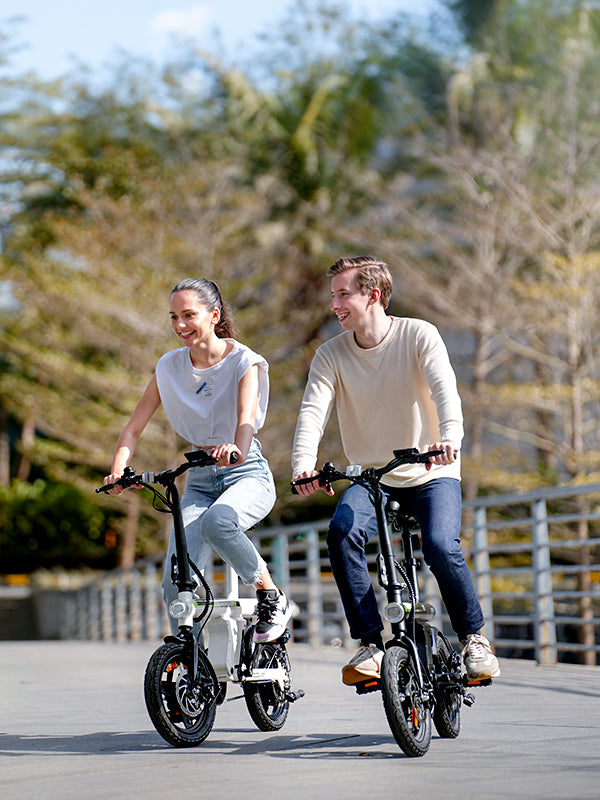
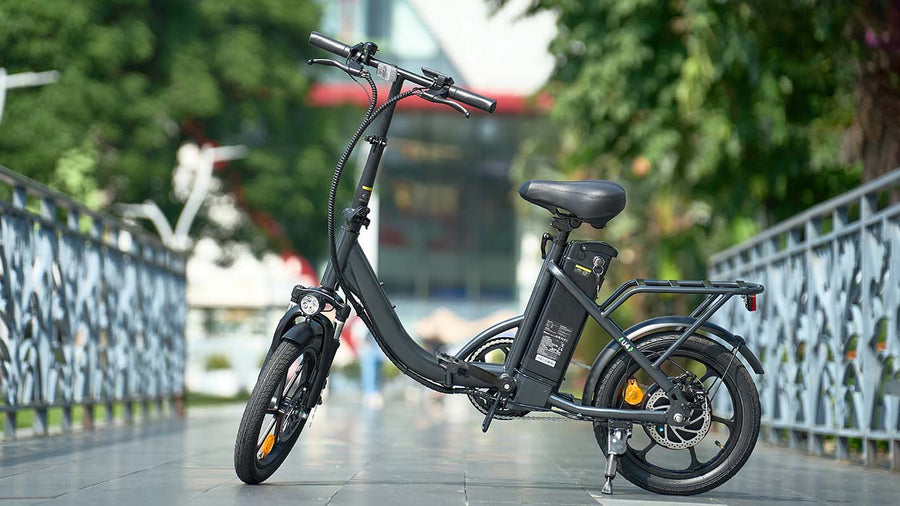
Rising fuel prices, unpredictable train delays, and ever-increasing monthly travel passes have made daily travel a major financial burden for commuters across the UK. Whether you travel to work, university, or daily errands, paying thousands of pounds each year just to move around your city can strain any budget. That is why thousands of urban travelers are ditching crowded platforms and petrol pumps in favor of an electric commuter bike. Switching to a commuter e bike like the iHoverboard EB1S lightweight commuter bike is not just an environmentally friendly choice—it is one of the single most effective personal investments you can make to slash your annual living expenses. In this article, we examine the true financial breakdown of e bike commuting versus traditional public transit, highlight essential all-weather commuting features, determine necessary battery capacities for daily round trips, and explain why the iHoverboard EB1S belongs at the top of your shortlist. To replace a car or train ride effectively, an electric bicycle for commuting must be practical in real-world conditions. A basic recreational bike lacks the utility required for unpredictable weather and carrying daily work essentials. When choosing the best commuter ebike, look for these three essential features integrated right into the frame: The iHoverboard EB1S Commuter E-Bike comes factory-equipped with durable mudguards, a sturdy rear luggage rack, and high-visibility lighting, making it ready for year-round daily travel straight out of the box. To appreciate the savings of riding an ebike commuter setup, you must calculate total long-term ownership costs against monthly train, bus, or petrol expenses. In most UK urban centers, a standard monthly train or bus pass ranges between £100 and £250 per month, translating to an annual transit expense of £1,200 to £3,000. If you commute by car, factoring in petrol, parking fees, congestion charges, and routine vehicle servicing easily pushes annual transit costs beyond £3,500. By contrast, charging a high-efficiency 36V e-bike battery at home costs mere pennies. Charging an iHoverboard EB1S from empty to full typically consumes under 0.5 kWh of electricity—costing approximately 10p to 15p per full charge. Even if you charge your bike every single working day, your annual electricity bill for commuting will remain under £40 per year. Expense Category Public Transit (Train / Bus) Personal Car Commute iHoverboard EB1S E-Bike Annual Travel Cost £1,200 – £3,000 £3,500 – £5,000+ ~£35 – £40 (Electricity) Parking & Congestion Fees N/A £500 – £1,500/year £0 (Free parking) Routine Maintenance Included in fare £300 – £600/year ~£50 – £100/year (Brakes/Tires) Time Spent Waiting High (Delays & timetables) Moderate (Traffic jams) Zero (Predictable door-to-door) Return on Investment Ongoing loss Rapid depreciation Pays for itself in 4–6 months Because an e-bike eliminates ticket prices, parking fees, fuel costs, and congestion charges, an upfront investment in a quality model like the iHoverboard EB1S completely pays for itself within just a few months of daily use. Battery range anxiety is a common concern for first-time buyers. Knowing how battery capacity translates into real-world range ensures you choose a board capable of handling your daily round-trip route without needing mid-day charging at work. For a typical 15-mile daily commute (7.5 miles each way), you need a battery that delivers consistent power without running flat during winter cold snaps or headwind rides: Beyond direct financial savings, choosing a fast commuter ebike completely transforms your daily routine and quality of life. Gridlocked city traffic and canceled train schedules can turn a 5-mile journey into a stressful hour-long ordeal. With a motor-assisted speed capped at the legal UK limit of 15.5 mph (25 km/h), the iHoverboard EB1S lets you glide past traffic queues and take dedicated cycle paths, guaranteeing identical door-to-door travel times every day. Traditional bicycles provide great exercise, but arriving at work drenched in sweat requires changing clothes or taking a shower. Electric pedal assist matches your pedaling effort seamlessly, allowing you to breeze up steep hills and push through strong headwinds effortlessly in your regular work attire. Designed with a comfortable upright riding geometry, plush saddle, responsive mechanical disc brakes, and smooth-shifting gears, the iHoverboard EB1S delivers a stable, smooth ride across city pavement, cobbled lanes, and park paths. When evaluating your monthly budget, switching to an electric commuter bike is one of the smartest financial decisions you can make. By eliminating daily transit fares, expensive fuel, parking costs, and unexpected train delays, a reliable e-bike provides true independence while putting thousands of pounds back into your pocket every year. Models like the iHoverboard EB1S combine all-weather mudguard protection, practical rear storage racks, integrated safety lights, and long-range 36V batteries into an accessible, high-value package. Ready to take control of your daily transit and start saving? Explore our full collection of electric commuter bikes today! On a single full charge, quality electric commuter bikes like the iHoverboard EB1S typically cover between 25 and 40 miles (40 to 65 km), depending on pedal assist levels, rider weight, wind resistance, and route elevation. No. Under current UK Electrically Assisted Pedal Cycle (EAPC) regulations, you do not need a driver's license, road tax, or vehicle registration to ride a legally compliant e-bike on public roads or cycle paths, provided the rider is at least 14 years old and the motor is capped at 250W with a 15.5 mph (25 km/h) speed limit. The iHoverboard EB1S battery fully recharges in approximately 4 to 6 hours using a standard household wall outlet. The battery can be conveniently charged directly on the bike or removed to charge under your desk at work.
Must-Have Features: Mudguards, Panniers, and Lights
Comparing Public Transit Fares vs Long-Term E-Bike Ownership
The Real Cost of Public Transit and Driving
The Minimal Cost of Charging an E-Bike
How Big of a Battery Do You Need for a 15-Mile Daily Ride?
Why an Electric Commuter Bike Belongs on Your Shortlist
1. Conquer Traffic Jams and Predictable Timetables
2. Arrive Fresh Without Sweating
3. Integrated Reliability and Ergonomics
Conclusion
Frequently Asked Questions
How far can you travel on an electric commuter bike on a single charge?
Do I need a driver's license to ride an e-bike on public UK roads?
How long does it take to fully recharge the iHoverboard EB1S battery?






Still, need help? Contact Us: support@ihoverboard.com
What's the option? Check out the option now!
Leave us a message