


















How Do Electric Bike Work? Complete iHoverboard Guide
How Do Electric Bike Work? Complete iHoverboard Guide
Electric bikes are changing the way people commute, exercise, and explore, but many riders still ask, “How do electric bike work?” iHoverboard e-bikes combine the familiar feel of a traditional bicycle with advanced motor, battery, and sensor technology to make pedaling easier and more efficient. Understanding how these components work together helps you enjoy longer rides, tackle hills effortlessly, and maximize battery performance. Whether you are a beginner or experienced rider, this guide explains everything you need to know about riding, operating, and maintaining your iHoverboard electric bike.
What Is an Electric Bike?
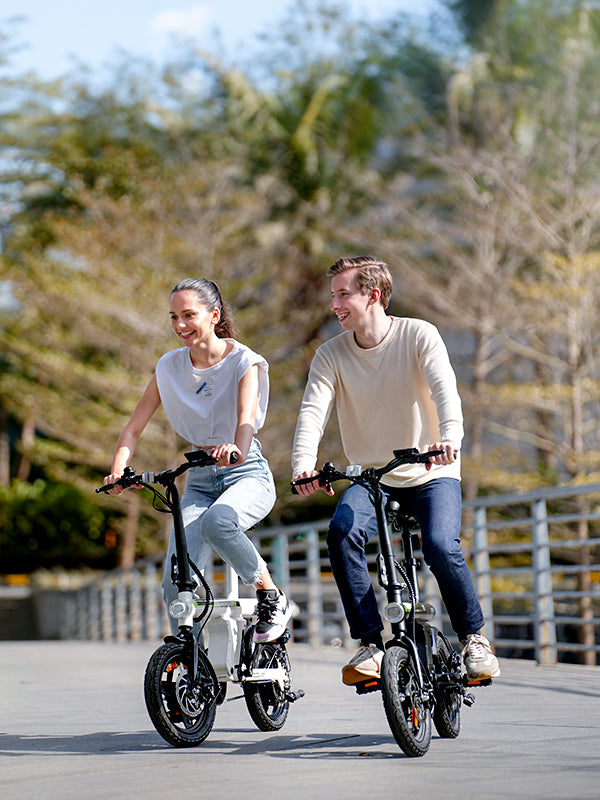
An electric bike, often called an e-bike, is essentially a regular bicycle equipped with an electric motor and battery to assist your pedaling. Unlike regular bikes, e-bikes make riding easier, especially on hills or longer journeys, without replacing the exercise you get from pedaling.
Here’s a breakdown of what makes an electric bike unique:
1. Pedal-Assist Functionality
-
E-bikes provide motorized assistance while you pedal.
-
The motor does not replace pedaling—you still get exercise.
-
Assistance makes hills, wind, and long rides easier to manage.
2. Components That Make an E-Bike Work
-
Motor: Provides torque to boost your pedaling power.
-
Battery: Powers the motor and determines the range you can ride.
-
Sensors: Detect your pedaling and adjust the motor support accordingly.
-
Controller & Display: Lets you adjust the level of assistance and monitor battery life.
3. Benefits of Using an Electric Bike
-
Effortless Commuting: Arrive at work without sweating.
-
Extended Range: Travel farther than on a standard bike.
-
Exercise and Fun: Still pedaling means you keep fit while enjoying the ride.
-
Eco-Friendly Travel: Reduce reliance on cars and cut carbon emissions.
4. Who Should Consider an E-Bike?
-
Commuters looking for a stress-free ride to work.
-
Casual riders who want to enjoy longer rides.
-
Anyone looking for a mix of fitness and convenience.
With iHoverboard electric bikes, all these features are integrated seamlessly, providing a smooth, reliable, and efficient ride for beginners and experienced cyclists alike.
Key Components of an Electric Bike
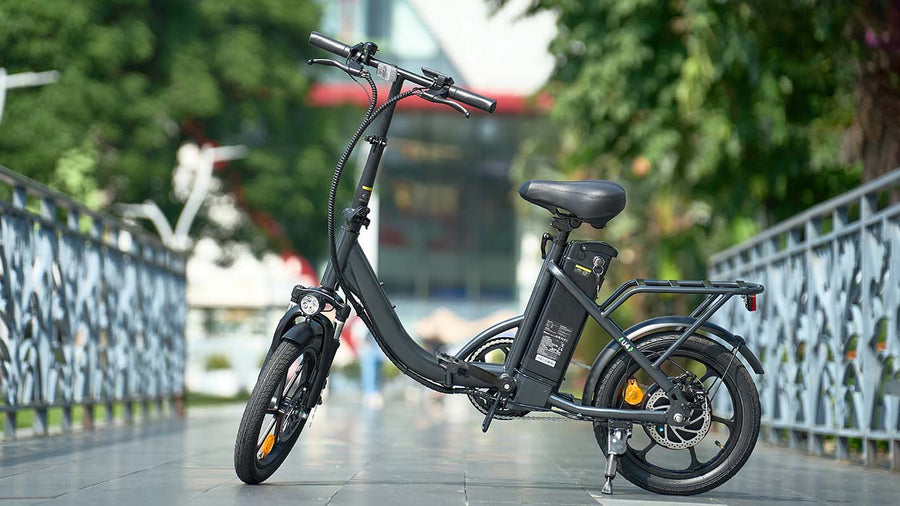
An electric bike is more than just a regular bicycle with a motor. Its performance, comfort, and efficiency depend on several key components working together. Understanding these parts helps you get the most out of your iHoverboard e-bike.
1. Electric Motor
The motor is the heart of an e-bike—it provides the boost that assists your pedaling.
-
Types of Motors:
-
Front Hub Motor: Mounted on the front wheel; lightweight and easy to maintain.
-
Rear Hub Motor: Located on the rear wheel; offers good traction and power for commuting.
-
Mid-Drive Motor: Positioned near the pedals; best for hill climbing and heavy-duty use.
-
Function:
-
Provides torque when you pedal, making acceleration and hills easier.
-
The more advanced the motor, the smoother and stronger the assistance.
2. Battery
The battery powers the motor and determines how far you can ride on a single charge.
-
Placement: Integrated into the frame, mounted on the rear, or attached to a rack.
-
Charging: Most e-bike batteries take 3–6 hours to charge, similar to charging a laptop or smartphone.
-
Range: Varies based on battery size, terrain, rider weight, and assistance level.
3. Sensors
Sensors detect your pedaling and control how the motor assists you.
-
Cadence Sensor: Activates the motor when you start pedaling. Provides a smooth and consistent boost.
-
Torque Sensor: Detects how hard you pedal and adjusts motor power accordingly. More responsive and feels natural when accelerating or climbing hills.
4. Controller and Display
These components allow you to manage your e-bike’s performance.
-
Controller: Turns the system on/off and adjusts motor assistance levels.
-
Display: Shows speed, battery level, distance traveled, and assistance mode. Some displays also allow gear adjustments.
5. Drivetrain and Brakes
-
Drivetrain: Transfers motor power to the wheels and ensures smooth pedaling.
-
Brakes: E-bikes are heavier than standard bikes, so strong brakes are essential for safety. Motor assistance stops immediately when braking.
6. Frame and Tires
-
Frame: Designed to handle extra weight from the motor and battery without compromising ride comfort.
-
Tires: Wider or reinforced tires help with stability, grip, and comfort, especially when riding on uneven terrain.
Quick Tip: On an iHoverboard e-bike, all these components are perfectly integrated, so you get a smooth, efficient ride without worrying about complex setups.
How Do iHoverboard Electric Bikes Work?
iHoverboard electric bikes are designed to make riding smoother, easier, and more enjoyable while still giving you the benefits of traditional cycling. Understanding how they work will help you get the best experience and performance.
1. Pedal-Assist Activation
-
iHoverboard e-bikes are activated by pedaling.
-
When you pedal, a sensor detects your movement and engages the motor to provide assistance.
-
This ensures the bike only helps when you need it, keeping the ride natural and comfortable.
2. Sensor Types
Sensors control how the motor responds to your pedaling:
-
Cadence Sensor:
-
Provides a consistent motor boost whenever you pedal.
-
Ideal for city commuting or casual rides.
-
Torque Sensor:
-
Adjusts motor power based on how hard you pedal.
-
Feels more intuitive and responsive, especially when climbing hills or accelerating.
3. Motor and Battery Interaction
-
The battery supplies power to the motor.
-
The motor assists your pedaling, making hills, wind, and long rides much easier.
-
The system balances power output and battery usage so you can get the maximum range.
4. Controller and Display
-
The controller allows you to:
-
Turn the e-bike on or off.
-
Adjust motor assistance levels.
-
The display shows:
-
Current speed.
-
Remaining battery life.
-
Assistance mode.
-
Distance traveled.
5. Smooth Riding Experience
-
Motor, battery, sensors, and controller work together seamlessly.
-
You get a natural pedaling feel with added support when needed.
-
Helps you tackle:
-
Steep hills with less effort.
-
Long rides without fatigue.
-
Stop-and-go traffic efficiently.
6. Safety Features
-
Motor assistance cuts out automatically when you stop pedaling or apply brakes.
-
iHoverboard e-bikes are designed with stable weight distribution, strong brakes, and reliable tires for safe handling.
Quick Tip: To maximize performance, keep your battery fully charged, use the appropriate assistance level, and maintain a smooth pedaling rhythm.
Riding and Operating an Electric Bike
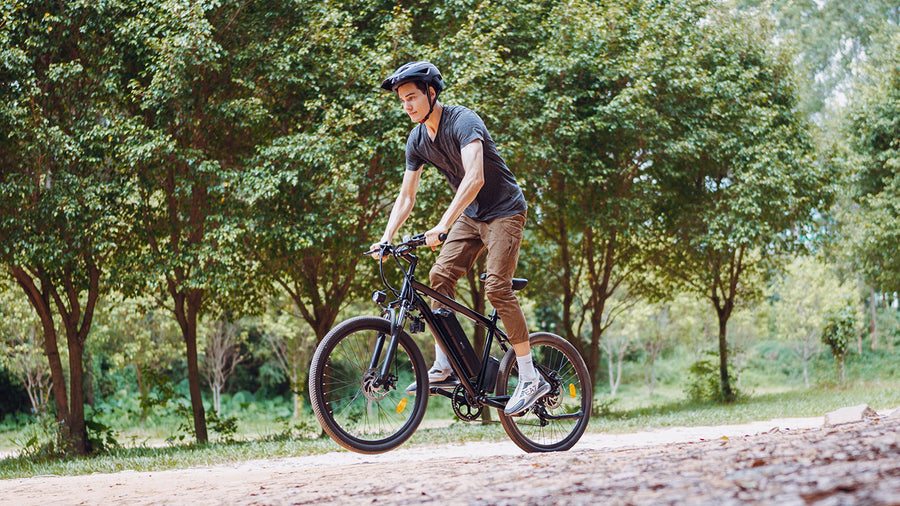
Riding an iHoverboard electric bike is similar to riding a regular bicycle, but with the added benefits of motor assistance. Understanding how to operate your e-bike safely and efficiently will make your rides more enjoyable and extend the life of your battery and components.
1. Getting Started
-
Adjust your seat and handlebars for comfort and proper posture.
-
Turn on the e-bike using the controller and select your preferred assistance level.
-
Start pedaling slowly to get a feel for the motor’s support.
2. Using Pedal Assist
-
Pedal assist provides extra power when you pedal.
-
Levels of assistance allow you to choose how much help you want:
-
Low: Minimal assistance, good for exercise.
-
Medium: Balanced support for commuting.
-
High: Maximum boost, ideal for hills or heavy loads.
-
Assistance is smooth and proportional to your pedaling effort.
3. Handling and Control
-
E-bikes are heavier than regular bikes, so:
-
Start and stop gradually.
-
Take corners slightly slower until you get used to the weight.
-
Braking: Motor support stops immediately when you brake. Use strong, consistent pressure on brakes to account for extra weight.
4. Optimizing Pedaling Technique
-
Keep your cadence steady (50+ revolutions per minute) to maintain efficient motor assistance.
-
Shift gears appropriately to reduce strain on the motor and battery.
-
Smooth acceleration and braking help conserve energy and improve ride comfort.
5. Managing Battery Range
-
Monitor battery levels via the display to avoid running out mid-ride.
-
Tips to maximize range:
-
Travel at a consistent speed rather than frequent stops and starts.
-
Carry less weight on the bike.
-
Inflate tires to maximum recommended pressure.
6. Safety Tips for Beginners
-
Start with short rides to get familiar with the motor assistance and bike weight.
-
Always wear a helmet and follow local traffic regulations.
-
Avoid sudden turns or abrupt stops until confident in handling your e-bike.
Quick Tip: With practice, iHoverboard e-bikes make climbing hills, riding against wind, and longer commutes effortless while still giving you a good workout.
Charging and Maintaining Your Electric Bike
Proper charging and maintenance are key to keeping your iHoverboard electric bike performing efficiently and safely. Regular care ensures longer battery life, smooth motor performance, and a more enjoyable riding experience.
1. Charging Your Electric Bike
-
Plug-in Charging: Most e-bike batteries charge like a laptop or smartphone. Simply plug into a standard wall outlet.
-
Charging Time:
-
Smaller batteries: 2–4 hours.
-
Standard batteries: 4–6 hours.
-
Larger or high-capacity batteries: 6–8 hours.
-
Tips for Efficient Charging:
-
Charge the battery after every ride to maintain performance.
-
Avoid letting the battery completely drain regularly—it can reduce lifespan.
-
Charge in a cool, dry environment to prevent overheating.
2. Battery Care
-
Storage: Store batteries indoors when not in use. Avoid extreme temperatures.
-
Cycle Life: A well-maintained e-bike battery can last up to 1,000 charge cycles.
-
Cleaning: Wipe with a dry cloth only—avoid water near connectors.
3. Motor and Component Maintenance
-
Motor:
-
Most iHoverboard motors are low-maintenance.
-
Keep it clean and avoid water intrusion.
-
Controller & Display:
-
Check connections regularly for secure attachment.
-
Ensure the display remains readable and free from damage.
-
Sensors:
-
Inspect cadence or torque sensors for alignment and cleanliness.
-
Malfunctioning sensors can reduce pedal-assist accuracy.
4. Tires, Brakes, and Drivetrain
-
Tires:
-
Keep tires inflated to the recommended pressure for efficiency and comfort.
-
Check for wear and replace as needed.
-
Brakes:
-
Inspect brake pads and cables regularly.
-
E-bikes are heavier, so brakes need to be in optimal condition for safety.
-
Drivetrain:
-
Clean and lubricate the chain to ensure smooth pedaling.
-
Check gears for proper shifting.
5. Seasonal and Long-Term Maintenance
-
Regular Inspections: Monthly checks of battery, motor, brakes, and tires.
-
Professional Servicing: Consider a full service every 6–12 months for peak performance.
-
Winter Storage: If not using your e-bike in cold months, store indoors and partially charge the battery.
Quick Tip: Following these charging and maintenance practices ensures your iHoverboard e-bike stays reliable, efficient, and ready for every ride.
Conclusion
Electric bikes have revolutionized cycling by combining traditional pedaling with modern motor assistance, making commuting, exercise, and leisure rides easier and more enjoyable. Understanding how iHoverboard electric bikes work—from motors and batteries to sensors and controllers—helps you ride safely, efficiently, and with confidence.
By learning how to operate, charge, and maintain your e-bike, you can maximize battery life, enjoy smoother rides, and tackle hills or long distances without fatigue. Whether you’re a beginner or an experienced cyclist, iHoverboard e-bikes offer a reliable, eco-friendly, and fun way to get around.
Remember, an electric bike still gives you the benefits of exercise while providing extra support exactly when you need it, making every ride effortless yet rewarding.
Final Tip: Regular maintenance, proper charging, and mindful riding are the keys to enjoying your iHoverboard e-bike for years to come.
FAQs
Do electric bikes require pedaling?
Yes. In the UK and most other regions, electric bikes must use pedal power to operate. The motor is designed to assist your pedaling rather than replace it entirely. This means you still get exercise while riding, but hills, wind, and long distances become much easier to handle.
How does an electric bike work for beginners?
For beginners, electric bikes are straightforward to use. You start by turning on the bike using the controller and selecting a pedal-assist level, usually low, medium, or high. When you begin pedaling, sensors detect your movement and engage the motor to provide smooth assistance. Beginners should start with low assistance to get used to the bike’s weight and handling, practice braking and turning gradually, and monitor battery levels to maximize range.
What are the downsides of electric bikes?
Electric bikes offer many advantages, but there are a few considerations. They are heavier than regular bikes, which can affect handling and braking. E-bikes generally cost more upfront than traditional bicycles, and their batteries require proper charging, storage, and eventual replacement. Additionally, in the UK, pedal-assist speeds are limited to 15.5 mph, which may feel slower to some riders.
Do electric bikes charge by pedaling?
No. Most electric bikes, including iHoverboard e-bikes, do not charge while pedaling. The motor is powered by a rechargeable battery, which must be plugged into a wall outlet to recharge. Pedaling only activates motor assistance and does not generate electricity for the battery.





Still, need help? Contact Us: support@ihoverboard.com
What's the option? Check out the option now!
Leave us a message