




















![Can You Use a Walking Pad on Carpet? [Expert Tips & Benefits]](http://www.ihoverboard.co.uk/cdn/shop/articles/50f44b04-ef92-43d1-9a48-37ebc800f3d3_{width}x.jpg?v=1772589253)
Can You Use a Walking Pad on Carpet? [Expert Tips & Benefits]
Can You Use a Walking Pad on Carpet? [Expert Tips & Benefits]
Are you wondering can you use a walking pad on carpet? Walking pads are a convenient way to stay active at home, but carpeted floors can raise questions about safety, stability, and performance. In this guide, we’ll explore how to use a walking pad on carpet, the benefits it offers, and practical tips to ensure a smooth, low-impact workout. With the right setup, you can enjoy quiet, comfortable, and effective home exercise without damaging your carpet or your walking pad.
What It Means to Use a Walking Pad on Carpet
When asking “can you use a walking pad on carpet,” it helps to understand what this really involves. Here’s a clear breakdown:
1. What a Walking Pad Is
-
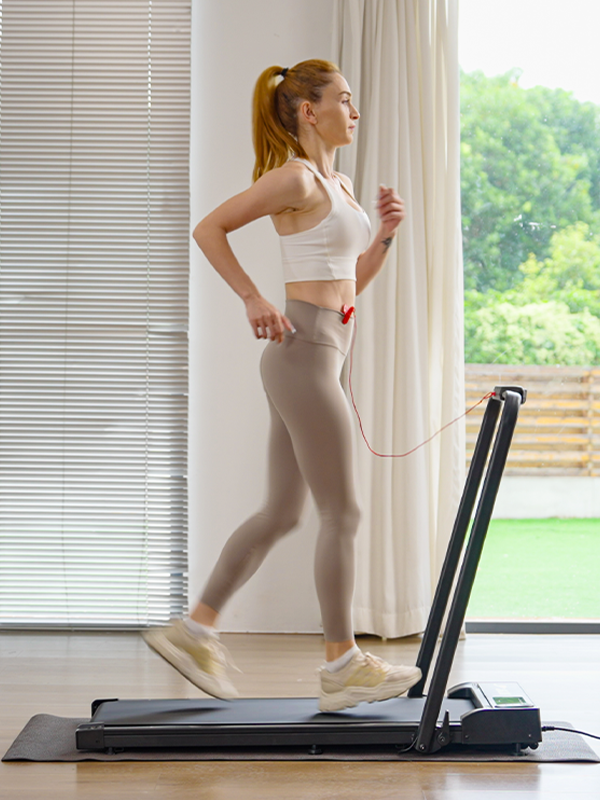
A walking pad is a compact, motorized treadmill for indoor walking or light jogging.
handhp -
Unlike traditional treadmills, walking pads are lightweight, foldable, and quiet.
-
iHoverboard walking pads are designed for convenient home use and can handle different surfaces.
2. How Carpet Changes the Setup
-
Carpeted floors are softer than wood, tile, or laminate, which affects stability.
-
Thick or plush carpets may sink under the walking pad, slightly affecting movement.
-
Low-pile carpets usually provide enough support for smooth operation.
3. Friction and Performance Considerations
-
Carpets create more resistance than hard floors.
-
Some walking pads may move less smoothly or run at slightly reduced speed if not carpet-compatible.
-
iHoverboard walking pads are engineered to work well on carpets without compromising performance.
4. Comfort and Noise Benefits
-
Carpets absorb sound, making workouts quieter—ideal for apartments or shared spaces.
-
The cushioned surface reduces joint strain, offering a low-impact walking experience.
5. Key Takeaway
-
Using a walking pad on carpet is about balancing comfort, stability, and safety.
-
With the right walking pad and proper setup, you can enjoy a convenient, effective, and low-impact indoor workout anywhere in your home.
Is It Safe and Feasible to Use a Walking Pad on Carpet?
Many people wonder “can you use a walking pad on carpet” because they’re concerned about safety, stability, and performance. The answer is yes—but there are important factors to consider to ensure your workout is both safe and effective.
1. Check Your Walking Pad’s Compatibility
-
Not all walking pads are designed for carpet use.
-
Thicker carpets can put extra strain on the motor or affect belt movement.
-
iHoverboard walking pads are engineered to perform smoothly on low- and medium-pile carpets, so you can enjoy a stable workout without extra modifications.
2. Consider Carpet Thickness and Density
-
Thick, plush carpets may cause the walking pad to sink slightly, which can affect balance.
-
Low-pile carpets or thin rugs are ideal because they provide support without compromising stability.
-
If you have a very soft or high-pile carpet, place a thin, sturdy mat underneath the walking pad to prevent wobbling.
3. Ensure Proper Placement
-
Always place your walking pad on a flat, even section of carpet.
-
Avoid corners, sloped areas, or uneven padding that could make the device tilt.
-
Make sure there’s enough space around the walking pad to safely step on and off.
4. Stability and Safety Tips
-
Keep the walking pad away from walls or furniture to prevent accidental bumps.
-
Make sure the pad’s feet or anti-slip grips are properly positioned on the carpet.
-
Start at a low speed to test balance before increasing your walking pace.
5. Motor and Maintenance Considerations
-
Carpets can increase friction slightly, making the motor work harder.
-
iHoverboard walking pads are built to handle this extra resistance, but regular cleaning of dust and carpet fibers is recommended.
-
Check the walking pad’s manual for any manufacturer guidelines specific to carpet use.
6. Noise and Comfort Benefits
-
Carpets naturally absorb sound, making workouts quieter than on hard floors.
-
The cushioning of the carpet provides a softer, low-impact walking surface, reducing strain on your joints.
Key Takeaway:
Using a walking pad on carpet is both safe and feasible as long as you:
-
Choose a carpet-compatible walking pad like iHoverboard,
-
Check carpet thickness and stability,
-
Place the pad on a flat area, and
-
Maintain the device regularly.
With these precautions, you can confidently enjoy the convenience and comfort of a walking pad on your carpet, all from the comfort of your home.
Benefits of Using a Walking Pad on Carpet
If you’re asking “can you use a walking pad on carpet,” the good news is that using a walking pad on carpeted surfaces offers several unique benefits. Beyond convenience, a carpeted surface can actually enhance your home workout experience. Here’s a detailed look at the main advantages:
1. Low-Impact Exercise for Your Joints
-
Carpets provide a naturally cushioned surface that absorbs shock with each step.
-
This reduces stress on your knees, hips, and ankles compared to walking on hard floors.
-
For people with joint sensitivities or those seeking a gentler workout, using a walking pad on carpet is a safe and effective solution.
2. Quieter Workouts
-
Carpet naturally absorbs sound, which means your walking pad produces less noise.
-
This is especially beneficial for apartments, shared living spaces, or households with sleeping family members.
-
iHoverboard walking pads paired with carpeted flooring create a nearly silent workout environment, making it easier to exercise at any time of day.
3. Comfortable Walking Experience
-
Walking on carpet feels softer underfoot than hard surfaces, providing added comfort.
-
The cushioning effect can make longer walking sessions more enjoyable, reducing foot fatigue.
-
This encourages consistent use, helping you stay on track with your fitness goals.
4. Flexibility in Placement
-
Using a walking pad on carpet allows you to set up your device in any room with carpeting.
-
Unlike treadmills that require hard, level floors, a carpet-compatible walking pad can fit in bedrooms, living rooms, or home offices.
-
This flexibility means you can exercise conveniently without needing a dedicated gym space.
5. Enhanced Safety
-
Carpets can reduce the risk of slipping compared to smooth surfaces, especially if your walking pad has anti-slip grips.
-
The added friction helps stabilize the walking pad while you walk, making it safer for beginners or older users.
6. Encourages Home Fitness Consistency
-
By making your workout more comfortable, quiet, and convenient, using a walking pad on carpet encourages you to stay active regularly.
-
iHoverboard walking pads are designed to combine performance and comfort, maximizing the benefits of exercising at home.
Key Takeaway:
Using a walking pad on carpet is not only feasible—it offers joint-friendly, quiet, comfortable, and flexible workouts. By selecting a high-quality, carpet-compatible walking pad like iHoverboard, you can turn any carpeted room into a low-impact, convenient home gym.
Tips for Optimizing Your Walking Pad on Carpet
Once you know “can you use a walking pad on carpet,” the next step is ensuring you get the best performance, safety, and comfort from your device. By following a few simple tips, you can maximize your walking pad experience while protecting both your floor and the equipment.
1. Choose the Right Carpet Type
-
Low-pile or thin carpets are ideal for walking pads, as they provide stability and reduce sinking.
-
Avoid thick, plush, or shag carpets, which can interfere with belt movement and increase strain on the motor.
-
If your carpet is thick, consider placing a thin, firm mat underneath the walking pad to create a stable base.
2. Proper Placement Is Key
-
Place your walking pad on a flat, even section of carpet to prevent wobbling or uneven walking.
-
Make sure there is sufficient space around the pad to safely step on and off.
-
Keep it away from walls, furniture, or loose rugs that could cause accidents.
3. Stabilize the Walking Pad
-
Check that the walking pad’s anti-slip feet or rubber grips make firm contact with the carpet.
-
Some models, like iHoverboard walking pads, are designed to self-adjust slightly to different surfaces for added stability.
-
For added security, you can use a non-slip mat or carpet protector underneath.
4. Test Speed and Start Slowly
-
Begin at the lowest speed when first using your walking pad on carpet.
-
This helps you adjust to any slight movement or friction the carpet creates.
-
Gradually increase speed once you are confident the walking pad runs smoothly and safely.
5. Maintain Your Walking Pad Regularly
-
Carpets can shed fibers or collect dust that may get trapped in the belt or motor.
-
Clean under and around the walking pad regularly to prevent buildup.
-
Follow iHoverboard’s maintenance instructions to ensure long-term performance and durability.
6. Monitor Motor Performance
-
Carpets create slightly more resistance than hard floors, which may cause the motor to work harder.
-
Periodically check for unusual sounds, excessive heat, or irregular belt movement.
-
Proper maintenance and following the recommended setup can prevent motor issues and keep workouts safe.
Key Takeaway:
Optimizing a walking pad for carpet use is simple when you focus on carpet type, placement, stability, and maintenance. By taking these steps, you can safely enjoy a quiet, low-impact, and comfortable home workout on your carpeted floor with an iHoverboard walking pad.
Common Concerns About Walking Pads on Carpet
Many people asking “can you use a walking pad on carpet” have common concerns about safety, performance, and long-term use. Understanding these concerns and how to address them will help you make the most of your home workout setup.
1. Will the Motor Overheat?
-
Carpets create slightly more friction than hard floors, which can make the motor work harder.
-
Some users worry this extra effort might cause overheating.
-
High-quality walking pads like iHoverboard models are designed with efficient motors and cooling systems to handle carpeted surfaces safely.
-
Tip: Start at lower speeds and avoid prolonged maximum-speed sessions until you know how your walking pad performs on your specific carpet.
2. Will Carpet Wear Affect Performance?
-
Over time, carpet fibers may get caught in the walking pad’s belt or rollers.
-
This can slightly affect smooth operation if not addressed.
-
Regularly vacuum the carpet under and around the walking pad, and wipe down the belt area according to the manufacturer’s instructions.
3. Risk of Slipping or Instability
-
Thick or uneven carpets can create a minor wobble if the walking pad’s feet don’t make full contact.
-
Slip or tilt could be dangerous, especially at higher speeds.
-
Use a low-pile carpet or add a thin, firm mat underneath the walking pad to stabilize it.
-
Always start walking at a slow pace to adjust to the surface before increasing speed.
4. Noise Concerns
-
Some users worry that walking pads might be noisier on carpet due to friction.
-
In reality, carpets typically reduce noise rather than increase it, as they absorb vibrations and sound.
-
iHoverboard walking pads are engineered for quiet operation, making carpeted workouts almost silent.
5. Cleaning and Maintenance Issues
-
Carpets can accumulate dust and fibers that may affect long-term performance.
-
Regular maintenance is essential to prevent belt wear or motor strain.
-
Following iHoverboard’s recommended cleaning and upkeep ensures your walking pad runs smoothly on carpet for years.
Key Takeaway:
While questions about motor strain, carpet wear, stability, and maintenance are valid, most concerns can be addressed with proper setup, regular cleaning, and choosing a carpet-compatible walking pad like iHoverboard. With these precautions, using a walking pad on carpet is both safe and practical.
iHoverboard Treadmills in Comparison
|
Specification |
|||
|
Product Type |
4-in-1 Under Desk Walking Pad |
2-in-1 Folding Treadmill with Handrails |
2-in-1 Folding Treadmill with Manual Incline |
|
Workout Modes |
Work / Walk / Jog / Climb |
Work / Walk / Run |
Walking (6 km/h) / Running (12 km/h) |
|
Speed Range |
1–6 km/h |
0.6–6.2 mph |
1–6 km/h (Walking) / 1–12 km/h (Running) |
|
Incline |
15° Manual |
None |
3 Levels, up to 6° Manual Incline |
|
Motor Power |
2.5 HP Quiet Motor |
2.5 HP Peak Power Quiet Motor |
0.75 HP Motor / 2.5 HP Peak Power |
|
Max Load Capacity |
120 kg (265 lbs) |
265 lbs |
265 lbs |
|
Walking / Running Area |
40” × 15.3” |
39.3” × 15” |
950 × 380 mm |
|
Belt Type |
Multi-layer, anti-slip belt |
Wide auto-aligning running belt |
High-strength, tear-resistant, anti-static belt |
|
Shock Absorption |
8 Silicone Shock Absorbers |
8 Silicone Shock Absorbers |
Rubber buffer shock absorption |
|
Noise Level |
Under 45 dB |
Quiet indoor operation |
Quiet operation (home/office) |
|
Display |
LED Display |
LED Display + Touchscreen |
LED Display |
|
Controls |
Remote Control |
Remote Control + Touchscreen |
Remote Control + App |
|
Handrails |
No |
Yes (Foldable Handlebar) |
No |
|
Safety Features |
Anti-slip belt |
Safety clip auto-stop |
Emergency stop clamp |
|
Frame Material |
Robust alloy steel frame |
Robust alloy steel frame |
Alloy steel frame |
|
Design |
Ultra-compact, space-saving |
Foldable, easy storage |
Foldable, compact, easy transport |
|
Best For |
Home & office walking, under-desk use |
Walking, jogging & running at home |
Home fitness, weight loss, running & walking, family-friendly |
Conclusion
In summary, the question “can you use a walking pad on carpet” has a clear answer: yes, with the right setup and precautions, walking pads can safely and effectively be used on carpeted surfaces.
Carpeted floors offer several advantages, including low-impact workouts, quieter operation, and added comfort, making them an ideal choice for home exercise. However, factors like carpet thickness, density, and stability are important to consider to ensure safety and performance. Using a low-pile or thin carpet, stabilizing the walking pad properly, and maintaining the device regularly can prevent common concerns such as motor strain, slipping, or wear.
iHoverboard walking pads are specifically designed to perform smoothly on carpets, combining reliability, comfort, and safety. By choosing the right walking pad and following simple tips for optimization, you can enjoy a convenient, low-impact, and quiet workout right in your home, no matter which carpeted room you choose.
Ultimately, with proper setup and care, a walking pad on carpet can turn any home space into a comfortable and effective fitness area, helping you stay active without sacrificing convenience or safety.
FAQs
Should I put a mat under my treadmill on carpet?
Yes. Placing a thin, firm mat under your walking pad or treadmill on carpet is highly recommended. A mat stabilizes the device, prevents wobbling, and protects your carpet from wear caused by friction and pressure. It also helps reduce vibrations and keeps the workout quieter.
Do I need a rug pad if it’s on carpet?
If your carpet is thick or plush, a rug pad or thin mat can improve stability. It provides a firmer surface for your walking pad, prevents sinking, and ensures smooth belt operation. Low-pile carpets may not require a separate rug pad, but adding one can enhance safety and performance.
Can I put a rubber mat on carpet?
Yes, a rubber mat can be placed under a walking pad on carpet. Rubber mats provide excellent stability, reduce movement, and protect both your carpet and the walking pad. Make sure the mat is flat and large enough to accommodate the device without curling at the edges.
How thick should a treadmill mat be for carpet?
For carpeted floors, a treadmill or walking pad mat should generally be ¼ to ½ inch thick. This thickness is enough to stabilize the device, absorb vibrations, and protect the carpet without interfering with the walking pad’s movement. Avoid mats that are too thick, as they may create instability or affect belt performance.







Still, need help? Contact Us: support@ihoverboard.com
What's the option? Check out the option now!
Leave us a message