



















![Can You Run on a Walking Pad? [Safe Tips & Benefits]](http://www.ihoverboard.co.uk/cdn/shop/articles/d3d4556d-d131-416f-a265-8adf6406c6aa_{width}x.jpg?v=1772588989)
Can You Run on a Walking Pad? [Safe Tips & Benefits]
Can You Run on a Walking Pad? [Safe Tips & Benefits]
Are you wondering can you run on a walking pad? Walking pads are compact, foldable treadmills designed for home use, perfect for walking or light jogging. Many people question whether these space-saving devices can handle running safely. In this guide, we’ll explore the benefits, safety tips, and features of iHoverboard walking pads that make light jogging at home both effective and convenient.
What a Walking Pad Is and How It Works
A walking pad is a compact, foldable treadmill designed for walking at home or in small spaces. Unlike traditional treadmills, walking pads prioritize portability, convenience, and ease of storage. They are often slim enough to slide under a desk or stand upright against a wall when not in use, making them ideal for apartments, offices, or rooms with limited space.
Walking pads are primarily intended for walking at moderate speeds, but many models—including iHoverboard walking pads—also support light jogging. Their motors are engineered for smooth, quiet operation, which makes them perfect for indoor use without disturbing others. Unlike heavy-duty treadmill motors that sustain long, high-speed runs, walking pad motors focus on efficiency and consistency for shorter sessions.
Most walking pads have a simple, user-friendly design. Typically, they include:
-
A Walking Surface (Belt): The belt is narrower and shorter than a standard treadmill, designed for walking or light jogging. While the smaller deck limits stride length, it provides enough space for safe movement indoors.
-
Control Panel or Remote: Speed adjustments are usually made through a compact control panel or a wireless remote, allowing users to switch from walking to light jogging without interrupting their workout.
-
Foldable Frame: Many iHoverboard walking pads feature a foldable or liftable frame, so you can store the device upright or under furniture when not in use.
-
Safety Features: Walking pads often include emergency stop mechanisms, non-slip surfaces, and low-impact cushioning to reduce stress on joints during walking or jogging.
The compact design of a walking pad makes it perfect for people looking to integrate activity into their daily routine. For instance, you can use it under a desk while working, during short breaks, or for a quick cardio session at home.
When asking “can you run on a walking pad”, it’s important to understand that while walking pads are optimized for walking, certain models—like iHoverboard’s higher-end walking pads—can handle light jogging safely. The key is to check the motor’s maximum speed, the belt length, and the stability of the frame. These factors determine whether you can run comfortably without compromising safety or risking damage to the device.
In summary, a walking pad is an indoor exercise solution that combines convenience, portability, and low-impact movement. While primarily designed for walking, it can support short running or jogging sessions on select models, making it a versatile tool for maintaining fitness at home.
Can You Actually Run on a Walking Pad?
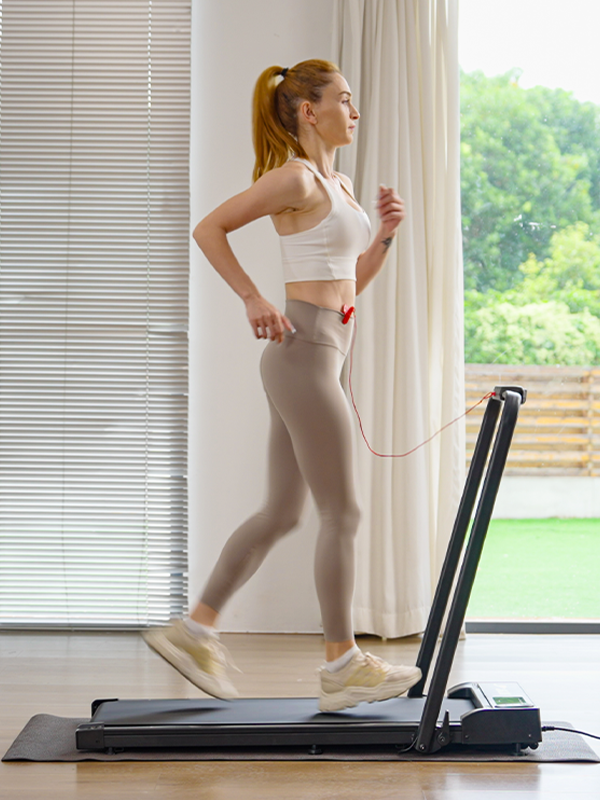
The most common question about walking pads is: can you run on a walking pad? The short answer is yes, but with important caveats. Walking pads are primarily designed for walking and light cardio, so running on them requires careful attention to speed, stride, and safety.
1. Speed Limitations
Walking pads typically have a maximum speed ranging from 4 to 6 miles per hour (6–10 km/h). This speed is ideal for brisk walking or light jogging, but it is lower than the maximum speeds of traditional treadmills, which can exceed 12 mph. Attempting to run faster than a walking pad’s design allows may feel unstable and could strain the motor or belt over time.
iHoverboard walking pads are engineered with slightly higher motor capacities compared to standard models, allowing for controlled light jogging without compromising the device’s durability. However, they are not intended for sprinting or high-intensity running sessions.
2. Belt Size and Running Comfort
Another key factor is the walking pad’s belt length and width. Most walking pads have shorter and narrower running surfaces compared to full-sized treadmills. This design is compact and space-saving but limits stride length, which can make running feel restrictive, especially for taller users or those with long legs.
For light jogging, it’s essential to maintain smaller, controlled strides. Overextending your stride on a compact belt increases the risk of slipping or losing balance. iHoverboard walking pads are built with slightly wider and longer belts than basic models, which improves stability during light jogging.
3. Motor and Durability Considerations
Running generates more impact and stress than walking, which means the motor, belt, and frame need to handle repeated, slightly higher-intensity activity. Most walking pads are built for efficiency rather than sustained high-impact use. Continuous running beyond light jogging may cause wear and tear or reduce the lifespan of the device.
iHoverboard walking pads balance portability with reliable motor performance, allowing users to jog safely at moderate speeds without overloading the machine. Still, consistent heavy running is not recommended.
4. Safety Tips for Running on a Walking Pad
If you plan to run or jog on a walking pad, consider these safety measures:
-
Start Slow: Begin with walking, then gradually increase speed to light jogging.
-
Wear Supportive Shoes: Running shoes with good grip reduce the risk of slipping.
-
Maintain Proper Posture: Keep your back straight, shoulders relaxed, and arms slightly bent.
-
Use Safety Features: Many iHoverboard walking pads include a safety key or emergency stop for immediate shutdown.
-
Avoid Sudden Speed Changes: Smoothly increase or decrease speed to prevent losing balance.
5. Ideal Use Cases for Running on a Walking Pad
Running on a walking pad is best suited for:
-
Light Jogging for Cardio: Short indoor sessions to improve heart health.
-
Desk Workouts: Combining light jogging with standing desks for added activity.
-
Space-Constrained Areas: Apartments or home offices where full-sized treadmills are impractical.
In conclusion, you can run on a walking pad, but only for light jogging within the device’s speed and stability limits. iHoverboard walking pads provide a safe, reliable option for indoor jogging while maintaining the convenience and compactness of a walking pad. Understanding these limitations ensures you get an effective workout without risking injury or damaging the machine.
Benefits of Running or Jogging on a Walking Pad
If you’ve been asking, “can you run on a walking pad?”, you’ll be pleased to know that light jogging on a walking pad offers several benefits.
1. Convenient Indoor Cardio
Running on a walking pad allows you to exercise indoors regardless of weather or time. iHoverboard walking pads are compact and foldable, making it easy to jog anywhere in your home.
2. Low-Impact Exercise
Walking pads provide cushioned belts that reduce stress on joints compared to outdoor running. This makes light jogging safer for knees, ankles, and anyone avoiding high-impact workouts.
3. Flexible Workouts
You can alternate between walking and light jogging for interval-style workouts. This flexibility helps improve cardiovascular health and burn more calories in shorter sessions.
4. Space-Saving Fitness Solution
Unlike full-size treadmills, walking pads are compact and easy to store. iHoverboard models balance portability with enough belt length and motor power to support light running safely.
5. Encourages Daily Activity
The convenience of a walking pad makes it easier to stay active regularly. Even short jogging sessions contribute to improved fitness and consistent daily movement.
Summary:
Running on a walking pad may not replace a full treadmill for intense workouts, but it offers convenience, low-impact exercise, and space-saving fitness. For those asking “can you run on a walking pad?”, iHoverboard walking pads are a safe and practical choice for light jogging at home.
Safety Tips When Running on a Walking Pad
If you’re wondering “can you run on a walking pad?”, it’s essential to understand that safety should come first. Walking pads are primarily designed for walking, so running or light jogging requires attention to speed, posture, and proper setup. Following these safety tips will help you enjoy your workouts without risking injury or damaging your device.
1. Start with Walking
Before attempting to run, always begin with a walking session. This allows your body to adjust to the belt movement and helps you gauge the stability of your walking pad. Gradually increase your speed to light jogging rather than jumping straight into running.
2. Wear Proper Footwear
Even though you’re running indoors, wearing supportive shoes is critical. Running shoes with good cushioning and grip reduce the risk of slipping and protect your joints. Avoid barefoot running or socks-only workouts.
3. Maintain Proper Posture
Keep your back straight, shoulders relaxed, and gaze forward while running. Avoid leaning too far forward or backward, as this can throw off your balance on the compact belt. Short, controlled strides are recommended to stay safe on a walking pad.
4. Use Safety Features
Many iHoverboard walking pads come with safety keys or emergency stop functions. Always attach the safety key to your clothing when jogging so the pad stops immediately if you lose balance or need to stop suddenly.
5. Monitor Speed and Duration
Stick to the walking pad’s recommended maximum speed for running, usually around 4–6 mph (6–10 km/h). Avoid prolonged high-speed running, which can strain the motor, belt, or frame. Short, controlled jogging sessions are safer and effective for cardio.
6. Ensure Proper Placement and Maintenance
Place your walking pad on a flat, stable surface away from obstacles. Regularly check the belt for wear, ensure the frame is secure, and keep the pad clean to maintain smooth operation. iHoverboard walking pads are designed for durability, but proper maintenance extends lifespan and ensures safe jogging.
Summary:
Running on a walking pad can be safe and effective if you follow basic precautions. Start with walking, wear supportive shoes, maintain good posture, use safety features, and monitor speed. By following these tips, you can confidently ask “can you run on a walking pad?” and enjoy light jogging on an iHoverboard walking pad without risk.
Choosing the Right Walking Pad for Light Running
If your goal is to answer “can you run on a walking pad?” with confidence, the key lies in choosing the right walking pad—one that supports safe, effective light running while still offering the convenience and compact design these devices are known for. Not all walking pads are created equal, so here are the most important features to consider before making a decision.
1. Max Speed Capability
To run or jog on a walking pad, check the machine’s maximum speed rating. Most basic walking pads are built for walking and may only reach speeds appropriate for brisk walking or very light jogging. If you want to run comfortably, look for a walking pad with a higher max speed range, ideally toward the upper end of walking pad capabilities. This ensures you can maintain a steady jogging pace without overexerting the motor.
Understanding this is essential when considering whether you can run on a walking pad—higher maximum speeds allow for a broader range of movement without compromising safety or comfort.
2. Motor Power and Stability
Motor strength matters when adding running or light jogging to your routine. A more powerful motor provides smoother belt movement and better responsiveness at higher speeds. When your walking pad accelerates from walking to jogging, your device should stay stable without jerking or stalling.
Look for models—such as those from iHoverboard—with reliable motor performance designed to handle light running. A strong motor enhances stability and helps the pad function consistently at speeds suitable for jogging.
3. Belt Length and Width
The size of the walking pad’s belt directly impacts your comfort and safety while running. A longer and wider belt surface gives you more room to step naturally without feeling constricted. Narrow or short belts can make running feel uncomfortable or unsafe, especially if your stride is longer.
If you plan to jog regularly, choose a walking pad with extra belt length and adequate width to support a natural running stride. This makes a significant difference when answering “can you run on a walking pad?” in a useful, actionable way.
4. Cushioning and Belt Quality
Running—even at light jogging speeds—puts more impact on your joints than walking. Look for walking pads with good cushioning and shock absorption. A well-cushioned belt reduces stress on your knees and ankles, making light jogging on a walking pad much more comfortable.
High-quality belt materials and durability also matter. A belt that maintains traction and integrity over time will help prevent slipping and ensure safer workouts.
5. Safety Features and Controls
Safety should be a top priority when running on a walking pad. Choose a model with features like:
-
Emergency stop safety key
-
Stable foot rails
-
Easy-to-access speed controls
These features enhance your confidence while running and help prevent sudden falls or injuries if you need to stop quickly. iHoverboard walking pads often include intuitive safety controls that make running or jogging at home safer and more accessible.
6. Overall Build Quality and Weight Capacity
Finally, consider the walking pad’s build quality and maximum user weight. A sturdy frame and higher weight capacity contribute to a safer running experience. Light, flimsy models may be fine for walking, but a more stable unit gives you the reassurance you need when transitioning to jogging.
Summary:
To effectively answer “can you run on a walking pad?”, you must choose a walking pad that supports higher speeds, has a stable motor, roomier belt size, quality cushioning, and essential safety features. iHoverboard walking pads are designed with these considerations in mind, offering reliable performance for light running while still delivering the compact convenience walking pads are known for.
iHoverboard Treadmills in Comparison
|
Specification |
|||
|
Product Type |
4-in-1 Under Desk Walking Pad |
2-in-1 Folding Treadmill with Handrails |
2-in-1 Folding Treadmill with Manual Incline |
|
Workout Modes |
Work / Walk / Jog / Climb |
Work / Walk / Run |
Walking (6 km/h) / Running (12 km/h) |
|
Speed Range |
1–6 km/h |
0.6–6.2 mph |
1–6 km/h (Walking) / 1–12 km/h (Running) |
|
Incline |
15° Manual |
None |
3 Levels, up to 6° Manual Incline |
|
Motor Power |
2.5 HP Quiet Motor |
2.5 HP Peak Power Quiet Motor |
0.75 HP Motor / 2.5 HP Peak Power |
|
Max Load Capacity |
120 kg (265 lbs) |
265 lbs |
265 lbs |
|
Walking / Running Area |
40” × 15.3” |
39.3” × 15” |
950 × 380 mm |
|
Belt Type |
Multi-layer, anti-slip belt |
Wide auto-aligning running belt |
High-strength, tear-resistant, anti-static belt |
|
Shock Absorption |
8 Silicone Shock Absorbers |
8 Silicone Shock Absorbers |
Rubber buffer shock absorption |
|
Noise Level |
Under 45 dB |
Quiet indoor operation |
Quiet operation (home/office) |
|
Display |
LED Display |
LED Display + Touchscreen |
LED Display |
|
Controls |
Remote Control |
Remote Control + Touchscreen |
Remote Control + App |
|
Handrails |
No |
Yes (Foldable Handlebar) |
No |
|
Safety Features |
Anti-slip belt |
Safety clip auto-stop |
Emergency stop clamp |
|
Frame Material |
Robust alloy steel frame |
Robust alloy steel frame |
Alloy steel frame |
|
Design |
Ultra-compact, space-saving |
Foldable, easy storage |
Foldable, compact, easy transport |
|
Best For |
Home & office walking, under-desk use |
Walking, jogging & running at home |
Home fitness, weight loss, running & walking, family-friendly |
Conclusion
So, can you run on a walking pad? The answer is yes, but only for light jogging within the device’s speed and stability limits. Walking pads are primarily designed for walking, but with careful attention to motor power, belt size, and safety, certain models—like iHoverboard walking pads—can support short, controlled running sessions.
Running on a walking pad offers convenience, low-impact exercise, and a space-saving solution for home workouts. By following safety tips, maintaining proper posture, and choosing a walking pad with adequate speed and cushioning, you can safely incorporate light jogging into your daily routine.
Ultimately, if your goal is serious running or high-speed workouts, a full-sized treadmill is more suitable. But for indoor cardio, quick jogging sessions, and maintaining consistent activity in limited space, an iHoverboard walking pad is an excellent option that balances performance with compact design.
FAQs
Is there a walking pad that you can run on?
Yes, there are walking pads designed to support light jogging or slow running. While most walking pads are primarily built for walking, certain iHoverboard models feature stronger motors, wider belts, and stable frames that allow safe light running. Always check the maximum speed and motor capacity before running.
Can you do running on a walking pad?
You can run on a walking pad, but only at light jogging speeds. Walking pads are compact and designed for low-impact movement, so running at high speeds or for long durations is not recommended. Using a walking pad for short, controlled jogging sessions is safe and effective, especially with models like iHoverboard walking pads.
Is a walking pad as good as a treadmill?
It depends on your fitness goals. Walking pads are excellent for indoor walking, light jogging, and space-saving convenience. However, full-size treadmills are better for high-speed running, longer strides, and intense workouts. Walking pads are ideal for home use and casual cardio, while treadmills are designed for more advanced running performance.
Can you slow jog on a walking pad?
Absolutely. Slow jogging on a walking pad is one of its best uses. You can start with walking and gradually increase your pace to a slow jog, which improves cardiovascular health and burns calories. iHoverboard walking pads provide stable belts and cushioned surfaces, making slow jogging safe and comfortable indoors.







Still, need help? Contact Us: support@ihoverboard.com
What's the option? Check out the option now!
Leave us a message