



















![Can I Put a Yoga Mat Under My Walking Pad? [Expert Tips]](http://www.ihoverboard.co.uk/cdn/shop/articles/9db5c3b5-3a5a-4a50-97cc-b6fca24729bf_2c2cb3e3-b7a8-480c-bdb5-140c112c6655_{width}x.jpg?v=1772590849)
Can I Put a Yoga Mat Under My Walking Pad? [Expert Tips]
Can I Put a Yoga Mat Under My Walking Pad? [Expert Tips]
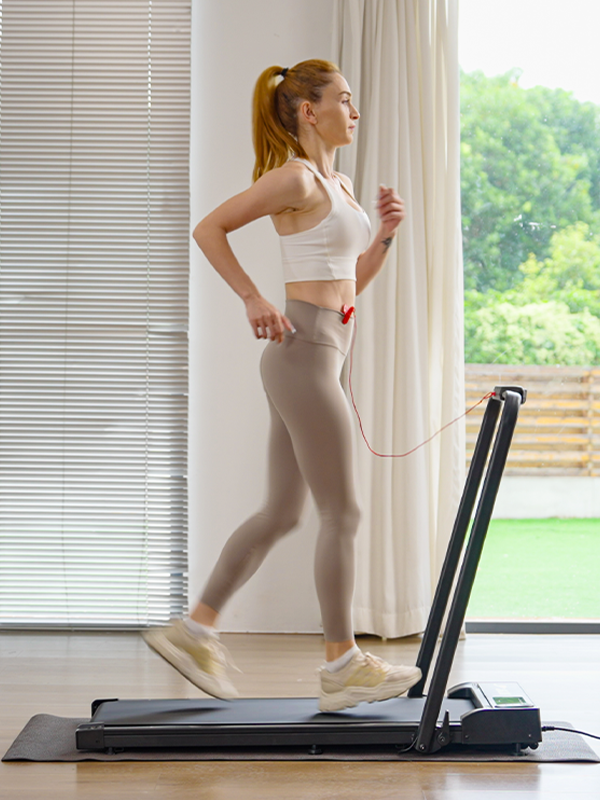
If you’re asking can I put a yoga mat under my walking pad, you’re not alone. Many home fitness enthusiasts want a quick and easy way to protect floors, reduce noise, and improve stability for their iHoverboard walking pad. While yoga mats offer some cushioning, they are not designed to handle heavy equipment or constant movement. This guide explains when a yoga mat can work, its limitations, and the best tips to keep your floors and walking pad safe.
Why Placing a Mat Under a Walking Pad Matters
Placing a mat under a walking pad plays a key role in safety, comfort, and long-term use. For users asking can i put a yoga mat under my walking pad, understanding these benefits makes it easier to choose the right setup.
Protects Your Floor
-
Prevents scratches, dents, and wear caused by repeated pressure
-
Creates a protective barrier between the walking pad and the floor
-
Especially important for hardwood, laminate, tile, and carpet
Reduces Noise and Vibration
-
Absorbs impact from walking movements
-
Minimises vibration transfer through the floor
-
Helps keep workouts quieter in apartments or shared spaces
Improves Stability and Safety
-
Helps keep the walking pad firmly in place
-
Reduces shifting or sliding during use
-
Supports a more balanced and comfortable walking experience
Helps Extend the Life of Your Walking Pad
-
Reduces stress on the motor and internal components
-
Absorbs shock to support smoother operation
-
Limits dust and debris from reaching the underside
Overall, using a mat under your walking pad is an essential part of a well-designed home workout area. Whether you’re considering a yoga mat or a dedicated mat, knowing why it matters helps you make a safer and more effective choice.
Can I Put a Yoga Mat Under My Walking Pad?
Many people wonder can i put a yoga mat under my walking pad as a quick and easy solution. While it might work in certain situations, there are important limitations to consider.
When a Yoga Mat Might Work
A yoga mat can work temporarily for light walking pad use. If your walking pad is lightweight and used at low speeds, a thicker yoga mat may provide some cushioning and minor vibration reduction. It’s suitable for short-term setups or occasional use.
Limitations of Using a Yoga Mat
-
Thickness: Most yoga mats are too thin to absorb vibrations effectively.
-
Durability: They are not designed for heavy equipment and may wear out quickly.
-
Stability: Yoga mats can slip on smooth floors, making the walking pad less stable.
-
Noise Reduction: They offer limited sound absorption compared to purpose-built mats.
Tips for Temporary Use
-
Choose a thicker mat (6mm or more) for better cushioning.
-
Cover the full area under the walking pad to avoid edges curling.
-
Place on a non-slip surface or secure with tape to prevent movement.
-
Replace if the mat shows signs of compression or damage.
Long-Term Recommendation
For regular use or heavier walking pads, a dedicated walking pad mat is recommended. It offers better shock absorption, stability, and floor protection, keeping your iHoverboard walking pad safe and durable.
Yoga Mat vs Walking Pad Mat: Key Differences
If you’re wondering can i put a yoga mat under my walking pad, it helps to know how the two mats differ.
Thickness and Shock Absorption
-
Yoga Mats: Thin (3–6mm), designed for joint cushioning during exercises. Minimal impact absorption for a walking pad.
-
Walking Pad Mats: Thicker (4–10mm), built to absorb vibrations and protect floors.
Material and Durability
-
Yoga Mats: Lightweight foam or PVC, can compress or tear under heavy use.
-
Walking Pad Mats: High-density rubber or heavy-duty PVC, durable and moisture-resistant.
Stability and Noise
-
Yoga Mats: Can slip on smooth floors and offer limited noise reduction.
-
Walking Pad Mats: Non-slip surface keeps the walking pad stable and quiet.
Size and Coverage
-
Yoga Mats: Often too small to fully protect your floor.
-
Walking Pad Mats: Sized to cover the full footprint of your walking pad with extra space around the edges.
Summary: Yoga mats are fine for light or temporary use, but a walking pad mat provides better protection, stability, and durability for long-term use.
When Using a Yoga Mat Under a Walking Pad Might Be Acceptable
While a yoga mat is not ideal for regular walking pad use, there are a few situations where it can work temporarily or for light use. Understanding these cases can help you avoid damage to both your floors and your iHoverboard walking pad.
Light Walking or Low-Speed Use
If your walking pad is lightweight and only used at low speeds for casual walking, a thicker yoga mat (6mm or more) can provide some cushioning. This setup may reduce minor vibrations and protect your floor in the short term.
Short-Term or Temporary Setup
A yoga mat can be a quick solution if you need temporary protection, such as when moving or testing your walking pad in a new space. It’s suitable for occasional use until a purpose-built walking pad mat is available.
Extra Precautions
-
Make sure the yoga mat covers the full area under the walking pad to prevent edges from curling.
-
Place the mat on a non-slip surface or secure it with tape to reduce shifting.
-
Monitor the mat regularly for compression, tears, or wear, replacing it as needed.
Best Practices
Even in these cases, a yoga mat should not be used long-term. For frequent walking pad sessions or higher speeds, a dedicated walking pad mat is safer and more effective at protecting your floors, reducing noise, and improving stability.
Tips to Protect Your Floor and Reduce Noise Effectively
Protecting your floors and reducing noise are key concerns for anyone using a walking pad at home. Whether you’re using a yoga mat temporarily or a dedicated walking pad mat, following a few simple tips can make a big difference.
Choose the Right Mat
-
Thickness and Material: Select a mat that is thick enough to absorb vibrations and made from durable, high-density rubber or heavy-duty PVC.
-
Size: Ensure the mat fully covers the walking pad’s footprint with extra space around the edges to protect the surrounding floor.
Ensure Stability
-
Non-Slip Surface: A mat with a non-slip backing keeps the walking pad in place and prevents slipping on smooth surfaces.
-
Secure Temporary Mats: If using a yoga mat temporarily, place it on a non-slip surface or use double-sided tape to keep it from moving.
Maintain a Clean Surface
-
Remove Debris: Dirt and small particles under the walking pad can scratch floors and affect stability. Clean the area regularly.
-
Prevent Moisture Damage: Wipe sweat or spills promptly to avoid damage to floors and mats.
Consider Floor Type
-
Hardwood and Tile: Use thicker mats to prevent dents and scratches.
-
Carpet: A non-slip mat helps reduce vibrations that can travel through the floor.
Additional Noise Reduction
-
Soft Padding: Adding a mat with extra cushioning helps dampen footsteps and motor noise.
-
Placement: Avoid placing your walking pad directly against walls to reduce vibration echoes.
Following these tips ensures that your iHoverboard walking pad remains stable, your floors stay protected, and your workouts are quieter and more comfortable.
Conclusion
In short, while a yoga mat can work temporarily for light walking pad use, it is not the best long-term solution. Yoga mats are thinner, less durable, and offer limited stability and noise reduction compared to purpose-built walking pad mats.
For regular use, higher speeds, or heavier walking pads, a dedicated walking pad mat is the safest choice. It protects your floors, absorbs vibrations, reduces noise, and helps extend the lifespan of your iHoverboard walking pad.
If you need a quick or short-term setup, a thicker yoga mat may be acceptable with proper precautions. However, investing in a high-quality walking pad mat ensures a safer, quieter, and more durable workout experience, keeping both your equipment and home in excellent condition.
FAQs
Can a yoga mat be used under a treadmill?
Yes, a yoga mat can be used under a treadmill temporarily for light use. However, yoga mats are usually thin and not designed to absorb heavy vibrations or support the weight of a treadmill long-term. For regular treadmill workouts, a purpose-built treadmill mat is recommended to protect your floors, reduce noise, and improve stability.
Can I use a yoga mat under my exercise bike?
A yoga mat can work under a lightweight exercise bike for short-term use, but it may not provide enough stability or vibration absorption for frequent workouts. A dedicated equipment mat is better for protecting your floor, keeping the bike stable, and reducing noise during intense sessions.
What is the best thing to put under a treadmill?
The best option is a high-quality treadmill mat made of durable, high-density rubber or heavy-duty PVC. These mats provide shock absorption, noise reduction, and floor protection, ensuring both the treadmill and your home stay safe and in good condition.
Why do people put mats under a treadmill?
People use mats under treadmills to:
-
Protect floors from scratches, dents, and wear
-
Reduce noise and vibrations
-
Improve stability and safety during workouts
Extend the life of the treadmill by absorbing impact and preventing dust or debris from entering moving parts







Still, need help? Contact Us: support@ihoverboard.com
What's the option? Check out the option now!
Leave us a message